Kalahari Desert
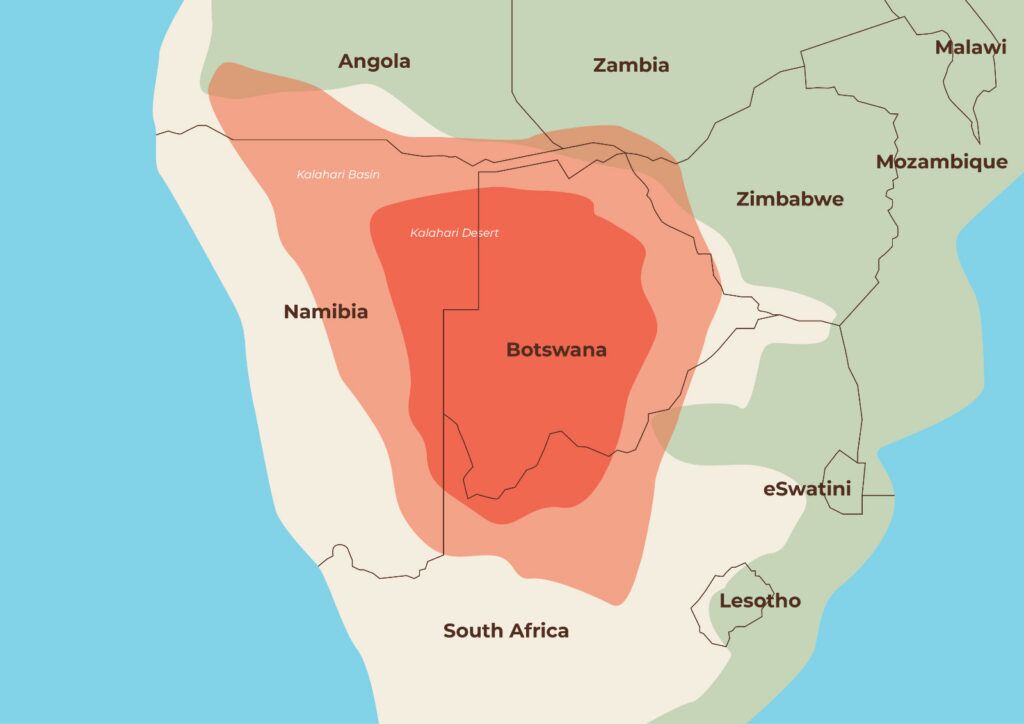
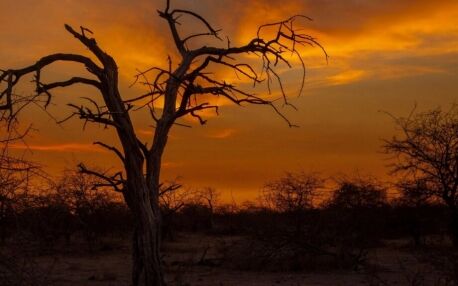
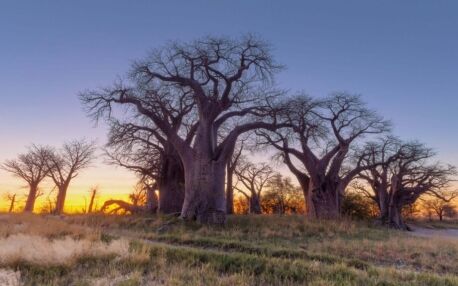
Stretching across 900,000 square kilometres of Botswana, Namibia and South Africa, the Kalahari Desert is a world of red dunes, sandy savannah and ancient riverbeds – vast, quiet and undeniably captivating. The name comes from kgala, meaning ‘great thirst’ in Tswana, a fitting description of this vast, water-scarce landscape where permanent rivers are almost entirely absent.



- Tailor-made safaris by true Africa specialists
- 5-star customer reviews
- Fair prices. Exceptional quality.

In Botswana, the greater Kalahari ecosystem includes the Central Kalahari Game Reserve, Makgadikgadi Pans, and Nxai Pan National Park, while in Namibia, the Kalahari spans multiple smaller reserves. In South Africa, you’ll find yourself in true Kalahari sands in the Kgalagadi Transfrontier Park in the Northern Cape.
Explore the Kalahari Desert
The Kalahari Desert is anything but dry and boring, but teeming with life. Best see for yourself.
- Botswana From $5,343 USD*
6 days Botswana extension
Surrounded by beautiful silence
- Botswana From $8,175 USD*
9 days Botswana: two giants
Stunning natural scenery
- Namibia From $5,383 USD*
16 days Namibia: all highlights
Nature, history, wildlife & more
- Namibia From $3,828 USD*
10 days Namibia: Nature and Wildlife Galore
Greenery, salt pans & wildlife
Desert survivors: tough, clever and surprisingly many
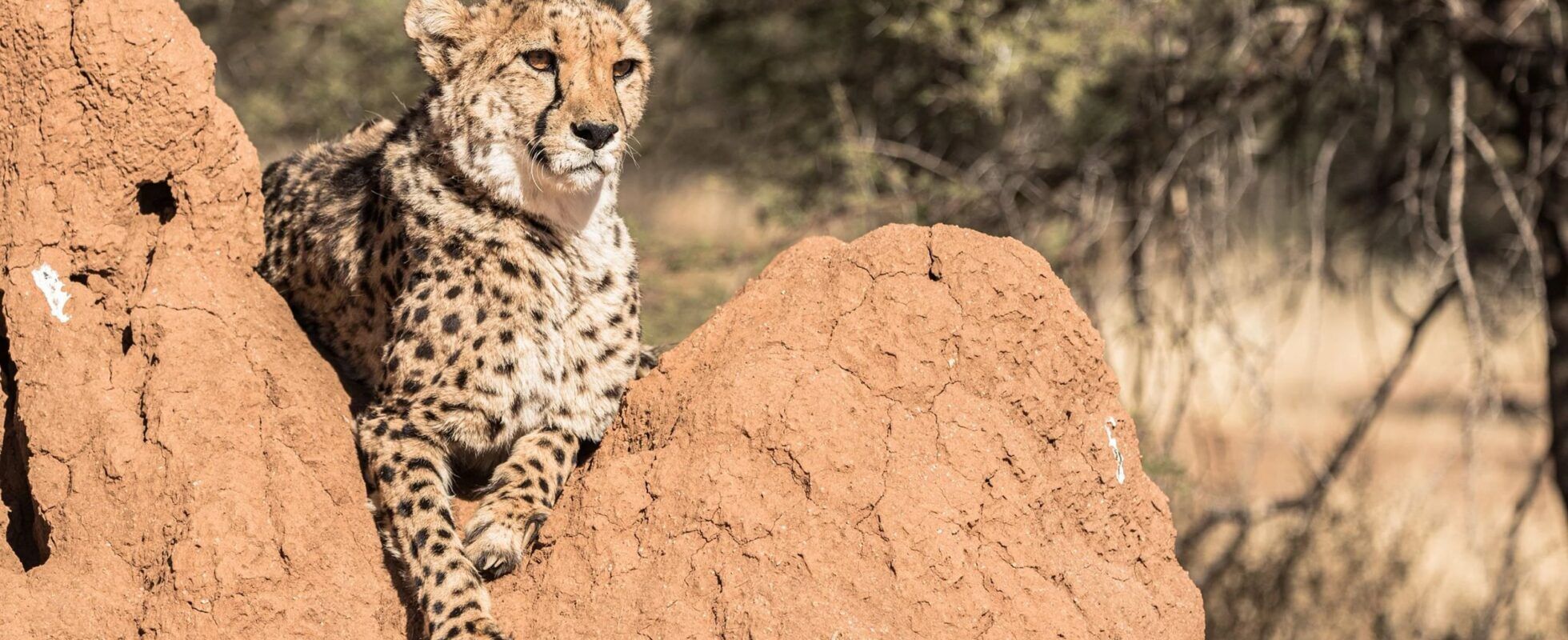
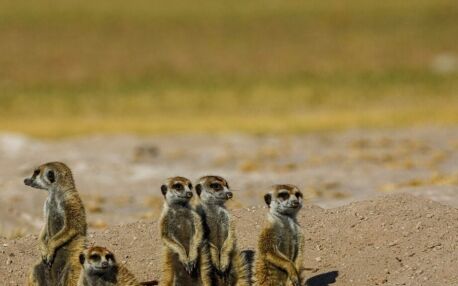
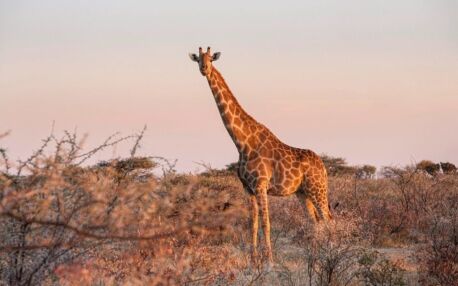
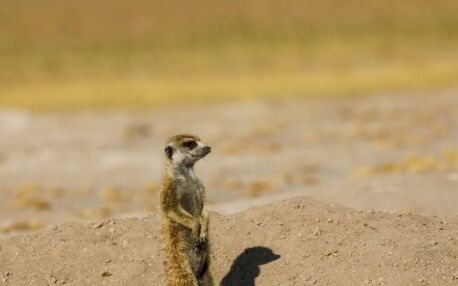
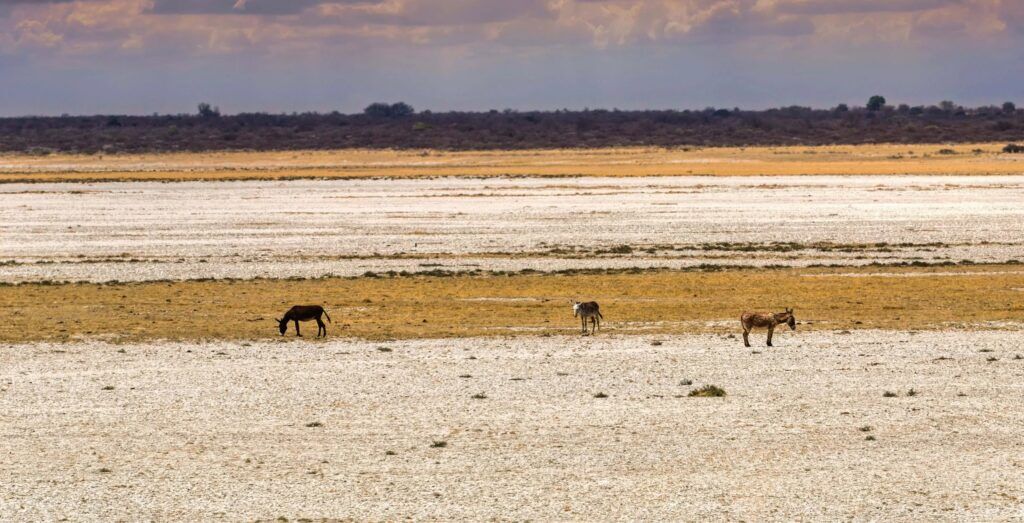
At first glance, the Kalahari looks sparse – but look again. Herds of springbok and gemsbok roam the plains, joined by giraffes, wildebeest, and hartebeest. Predators are never far: cheetahs, hyenas, leopards and the iconic black-maned Kalahari lion survive for weeks without water, drawing moisture from roots and succulents. The Kalahari also hosts Africa’s longest zebra migration and the flat sand pans are the perfect place to spot the smallest soldiers; meerkats, honey badgers and porcupines steal the show, while rains awaken frogs and a surprisingly lively desert chorus.


Home of the San
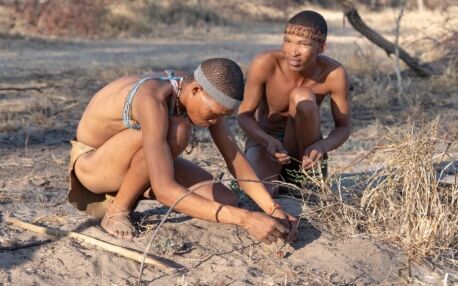
The Kalahari is probably best known as the traditional homeland of the San people, one of the world’s oldest hunter-gatherer cultures, whose roots stretch back more than 50,000 years. Today, San communities still live across Botswana, Namibia and South Africa. Over countless generations, they have developed an extraordinary ability to survive in this demanding environment, drawing everything they need from the land. Their philosophy centres on sharing rather than owning, and on living in balance with nature. In fact, their language contains no possessive pronouns, but around 20 different words to describe a smile.
Make new memories
The activities in the Kalahari Desert are extremely diverse, but have one thing in common: they'll leave you speechless.
Extreme by nature (and proud of it)
The Kalahari Desert doesn’t believe in moderation. Days can sizzle at 45 °C, while nights dip below freezing – sometimes even within the same 24 hours. This is the southernmost desert system in Africa and the second largest after the Sahara, gradually blending into the Namib Desert in the southwest. Harsh? Absolutely. But that’s exactly what makes it so rewarding. This is a place for travellers who like their landscapes raw, their wildlife resilient, and their experiences just a little off the beaten track. Dive deeper into the Kalahari’s many corners – from salt pans to wildlife reserves – and you’ll discover that no two parts are ever quite the same.
It’s not easy being green
Especially in the dry Kalahari Desert. However, what seem like Fata Morganas at first, are actually places only Mother Nature can come up with.
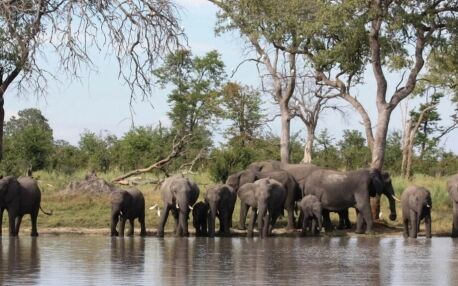
The Zambezi region (formerly Caprivi Strip) nestled in the northeastern corner of Namibia is shaped by rivers, wetlands and woodlands, creating a lush paradise for countless animals. Watch out for elephants, buffalo, hippos, crocodiles as well as various antelope and bird species while you take a cruise on the famous Zambezi river.
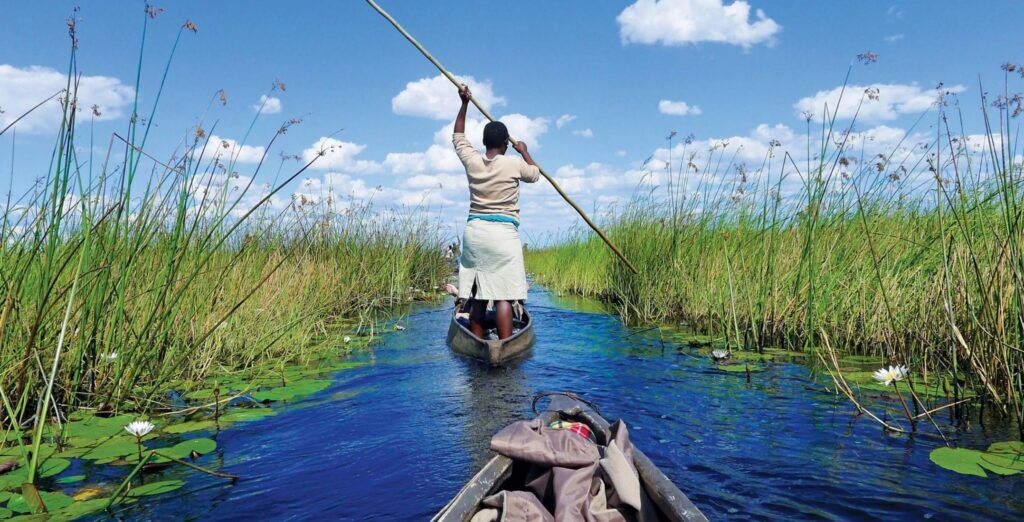
Just around the corner, Botswana boasts the Chobe National Park and the world-famous Okavango Delta. Seasonal floodwaters flowing from the Angolan highlands through Namibia’s Zambezi region create a mosaic with many shades of green. Waterways, islands, and floodplains turn the otherwise arid landscape into a heaven for wildlife and people alike. Hop into a traditional mokoro boat, glide over the calm waters and get goosebumps when spotting lions, leopards, elephants, buffalo and many more four-legged friends.
Relax in the desert
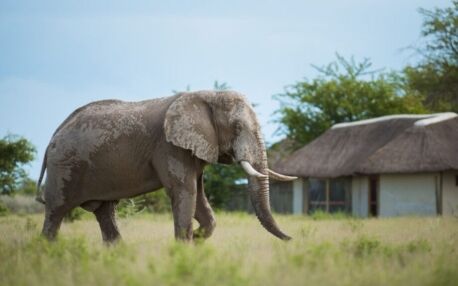
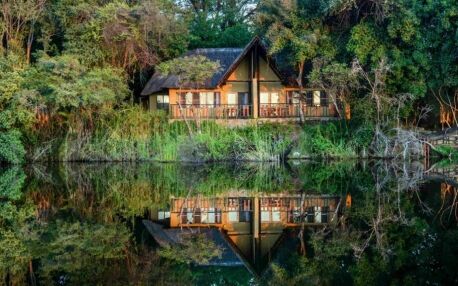
The Kalahari Desert wows with its landscapes and silence. Hear and feel it yourself while relaxing at these stunning oases.


Let us create your tailor-made trip
Receive a free, no obligation quote
Start planning your dream trip