The Great Zebra Migration
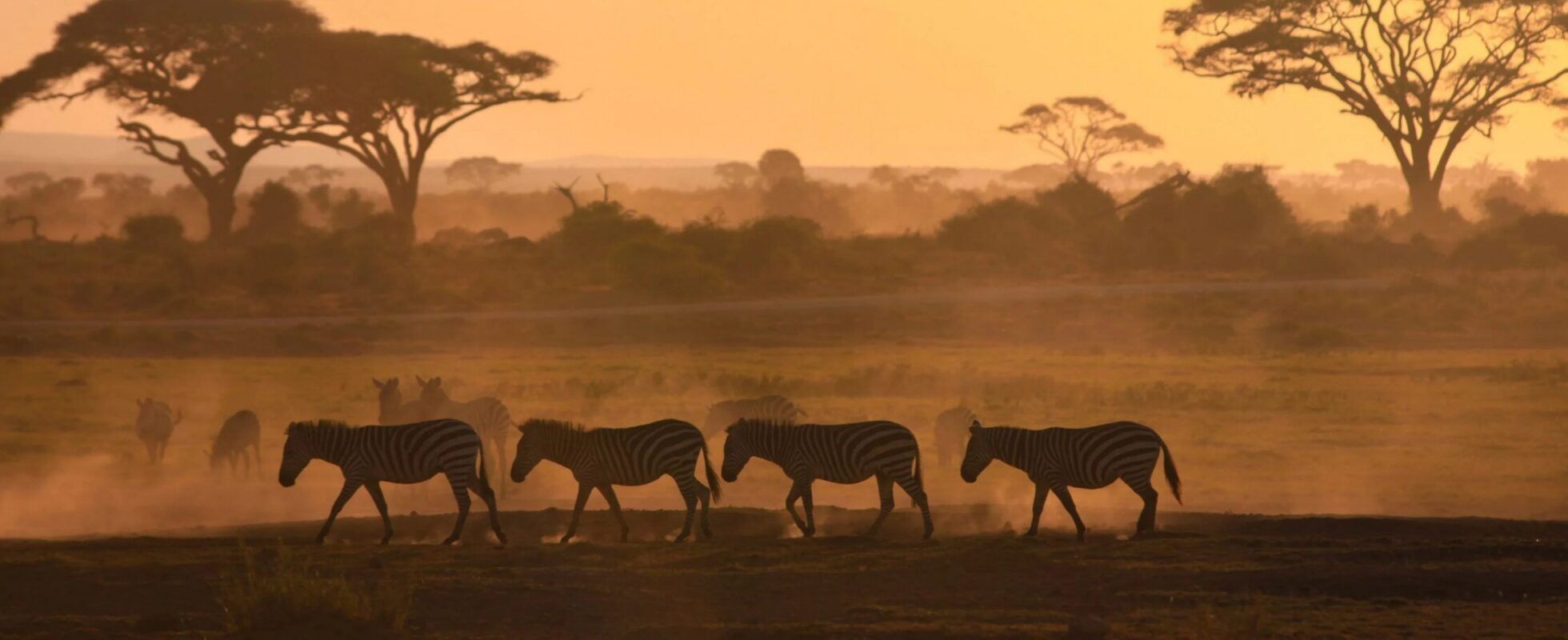
Pssst… we’re about to tell you a secret. Every year, up to 35,000 zebras migrate through Botswana, covering over 1,000 kilometers. The Great Zebra Migration has only been scientifically documented around 2012, making it one of the newcomers among natural phenomena. Find out more about these adorable animals, where and when you can watch this spectacle, and why they migrate in the first place.



- Tailor-made safaris by true Africa specialists
- 5-star customer reviews
- Fair prices. Exceptional quality.

A Rediscovered Secret
Even though it was only recently discovered by scientists, local communities have long known about the zebra migration. In the 1960s, veterinary fences were installed, which blocked the ancient routes. Due to their removal in the 2000s, the migration could resume, and thanks to GPS collar studies, the full extent of the route became apparent around 2012. By linear distance, it’s even the longest terrestrial mammal migration in Africa. By numbers, however, it’s in the shadows of its world-famous counterpart in Tanzania’s Serengeti and Kenya’s Masai Mara. While millions of animals migrate during the Great Wildebeest Migration, it’s “only” around 35,000 in the Great Zebra Migration. Nevertheless, it’s a fascinating spectacle you don’t want to miss.
Why do they migrate?
This question is relatively easy to answer: the zebras follow the rain because with rain come fresh water and nutritious grass to feast on. So when the dry season takes over in the south, they move northwards. Once the rain comes back, they move back south.
Two Primary Routes
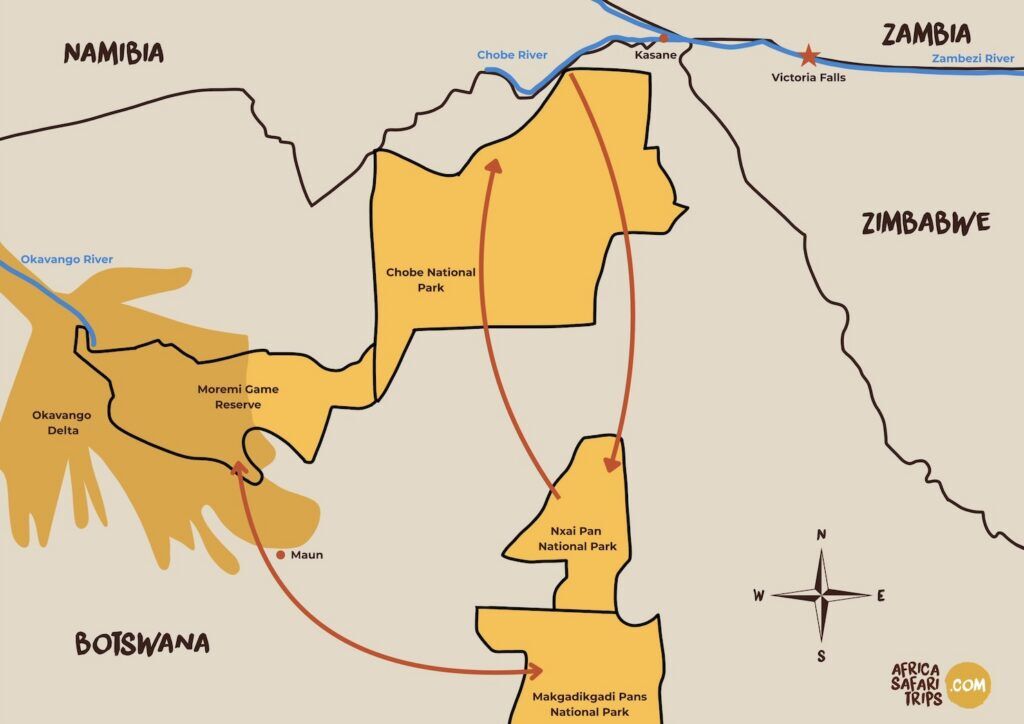
Actually, there is not just one zebra migration, but two. Instead of moving in a loop, the animals march between certain locations in Botswana.
1. Chobe & Nxai Pan
The zebra herds spend the harsh, dry months from June to November around the Chobe River floodplains. With the first rain in the Nxai Pans, around 20,000 animals start travelling towards the south in early December, which takes them two to three weeks. If they travel in a straight route, that is. Some like to roam around a little, stopping at the Seloko Plains, and join the others a few weeks later. Here they stay for about two to three months before heading back to the north. This journey takes them longer, and so they travel from March to May.
2. Okavango & Makgadikgadi
This migration is a bit smaller than the one between Chobe and Nxai, with the animals covering approximately 500 kilometers in total. Around 15,000 zebras move from the Okavango Delta/Moremi Game Reserve to the Makgadikgadi Pans National Park in November/December, also triggered by the first rains in Makgadikgadi. After a few weeks, they reach the nutritious grass of the Pans and stay there for around three months before starting their return around March. With the Okavango Delta being a paradise during the dry season, only 55% of the zebras migrate to the south. The rest enjoy the Delta throughout the year.
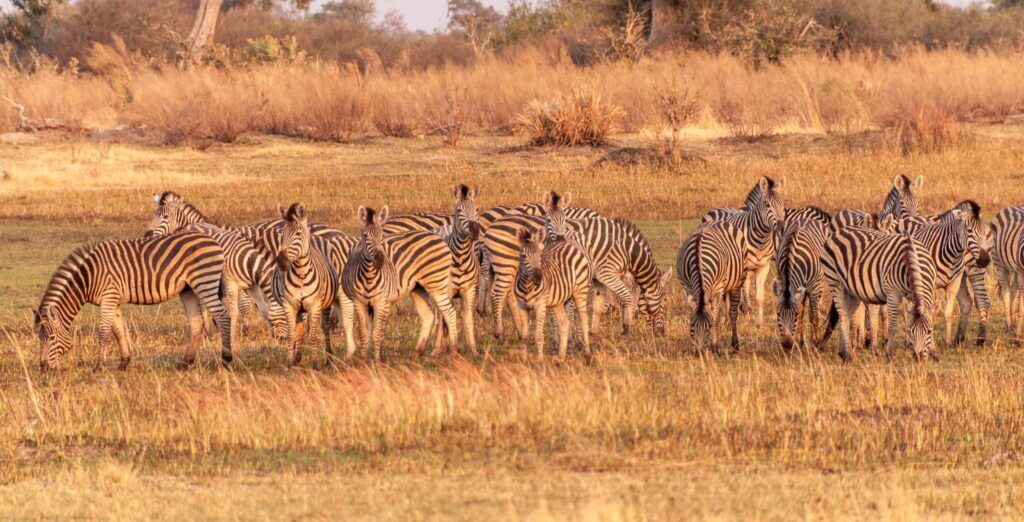
Interesting fact #1: It’s not just zebras migrating. Springboks and wildebeest travel as stowaways. Elephants follow their own pattern, but sometimes they meet along the way. And of course predators like cheetahs, lions, African wild dogs, and spotted hyenas shadow the movement… you can imagine why.
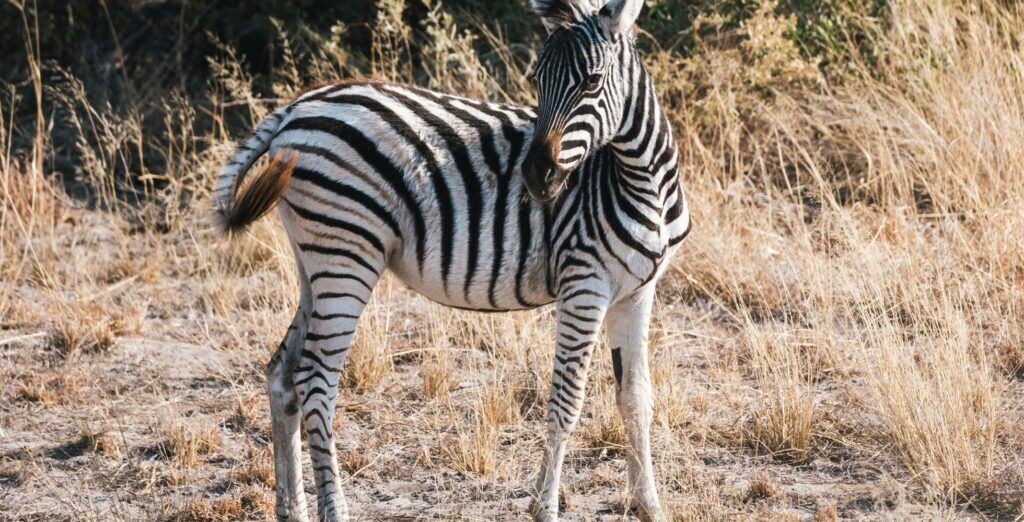
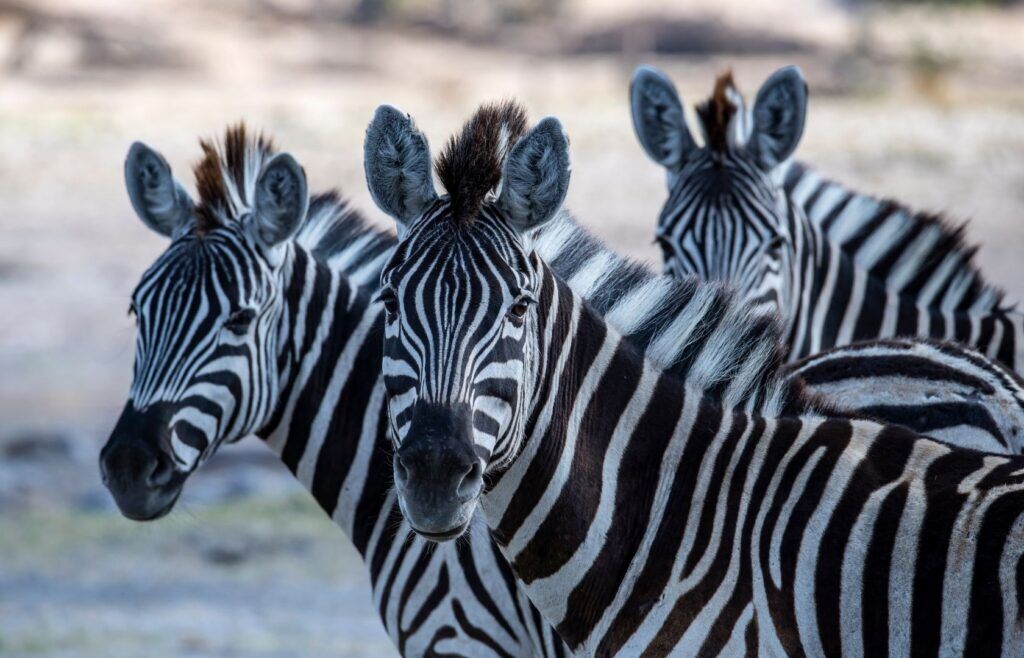
Interesting fact #2: The zebras of the migration are Burchell’s zebras, who have faint brownish stripes between the black and white ones and are stockier and broader than others. Occasionally you might also come across the term “Plains zebra” – Burchell’s zebras are a subspecies of the plains zebra, so both are correct.
Interesting fact #3: The zebra is Botswana’s national animal.
Activities
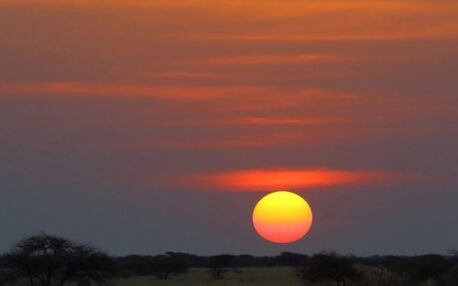
Zebras are not only a sight for adventurers’ eyes, but also pose perfectly for your pictures.

Fun Facts about Zebras
When talking of African animals, the zebra always makes the list. It’s no big surprise: with their monochrome look, they are a really cool sight. But there is so much more about them…
-
Unique Pattern
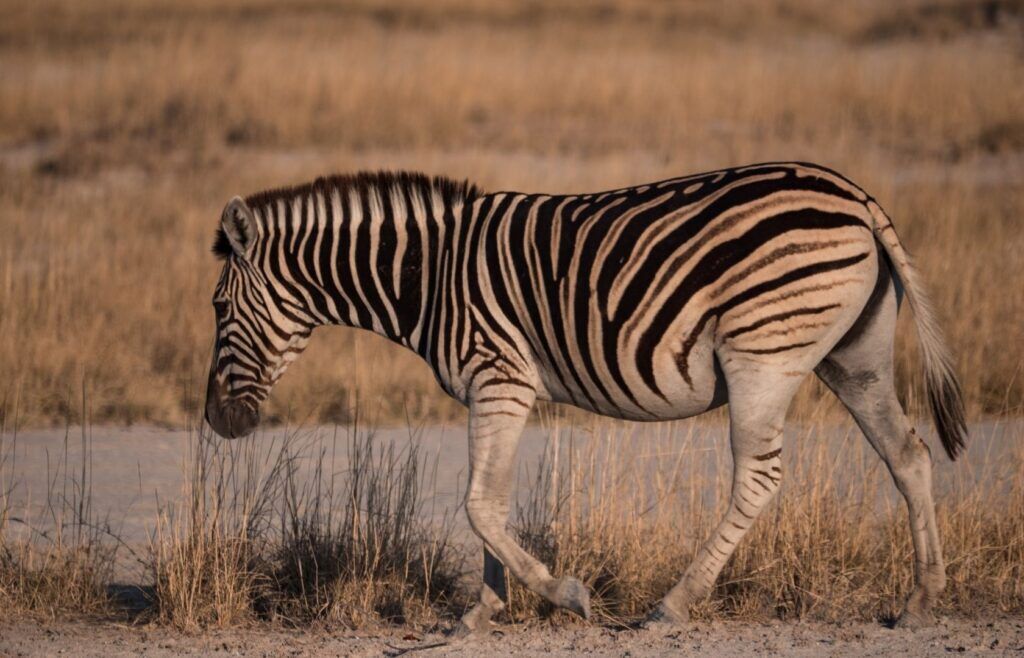
The stripe pattern is not just black and white (pun intended). Each pattern is unique, just like a fingerprint.
-
Unbreakable Bonds
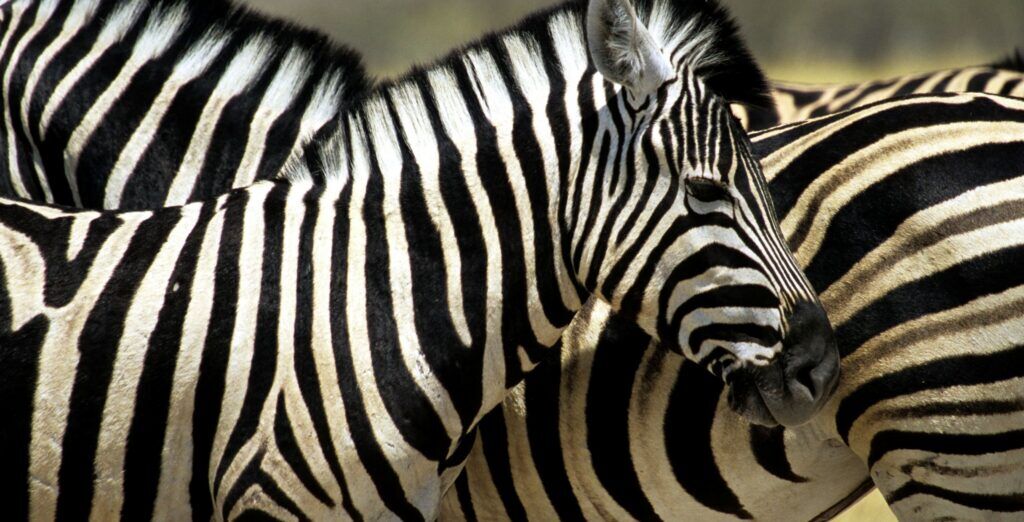
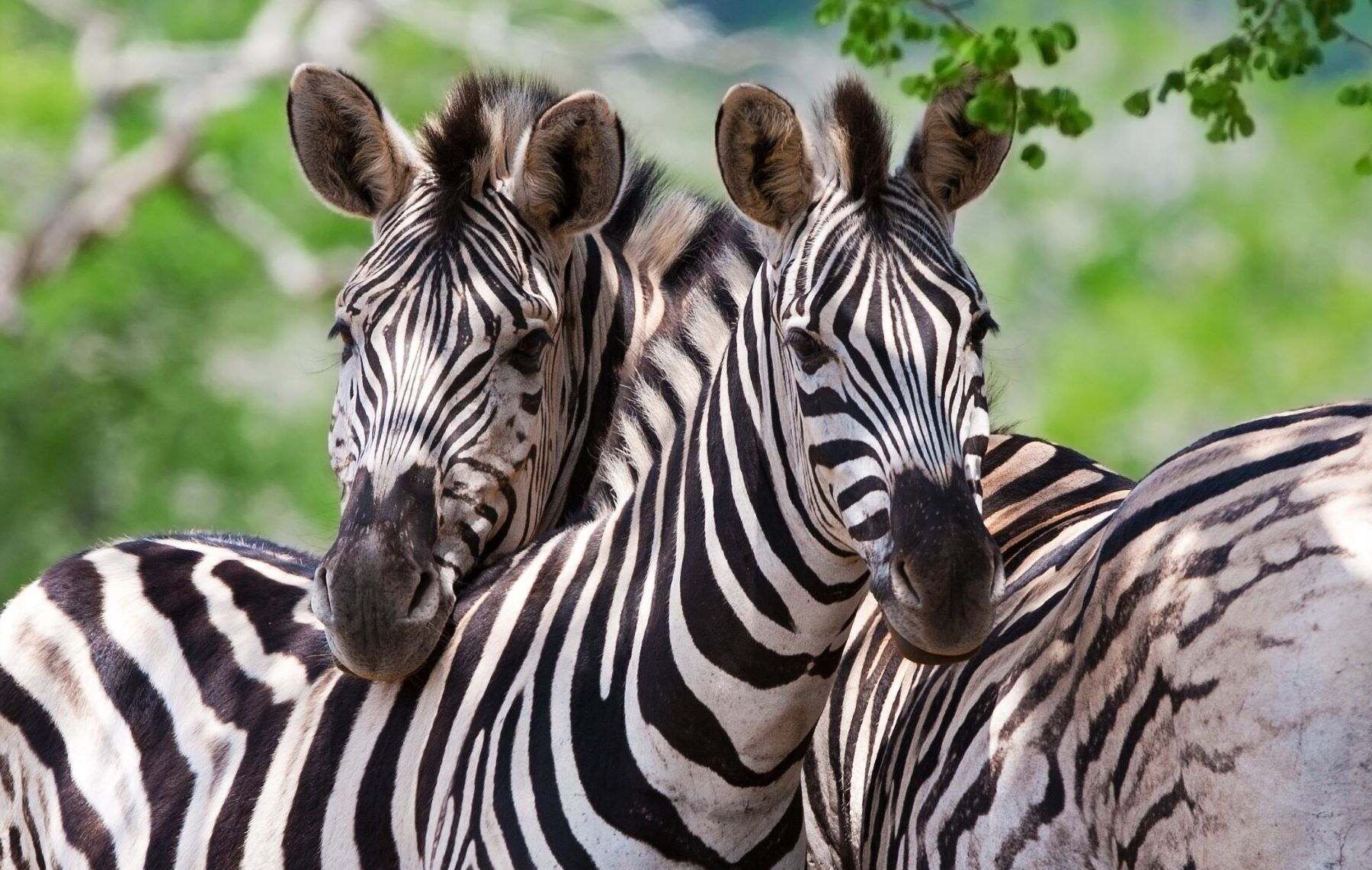
Zebras are very social and form strong bonds within the herd, with a stallion taking up a fight to protects his mare.
-

True Powerhouse
Despite looking like prey, zebras are very powerful: one kick is enough to injure or even kill a lion.
Highlights of the Migration
Even though the Great Zebra Migration is a highlight in itself, there are some spectacles which are the cherry on the cake for any safari lover.
Boteti River Crossings
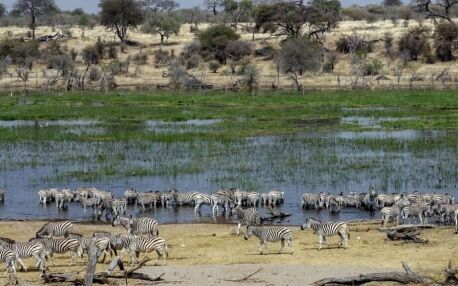
Like the river crossings of the Great Wildebeest Migration in East Africa, the zebras of Botswana must also brave a river on their journey to greener pastures. With hungry predators waiting nearby, the herds plunge into the water and swim across the Boteti River, creating dramatic scenes and thrilling moments.
Serious Predator Action
With so many zebras in one place (and some springboks and wildebeest in the mix), predators are never far. Lions, cheetahs, leopards, African wild dogs, spotted hyenas… they all wait patiently for the perfect moment to speed up and hunt. Goosebumps? You bet!
Beautiful (New) Life
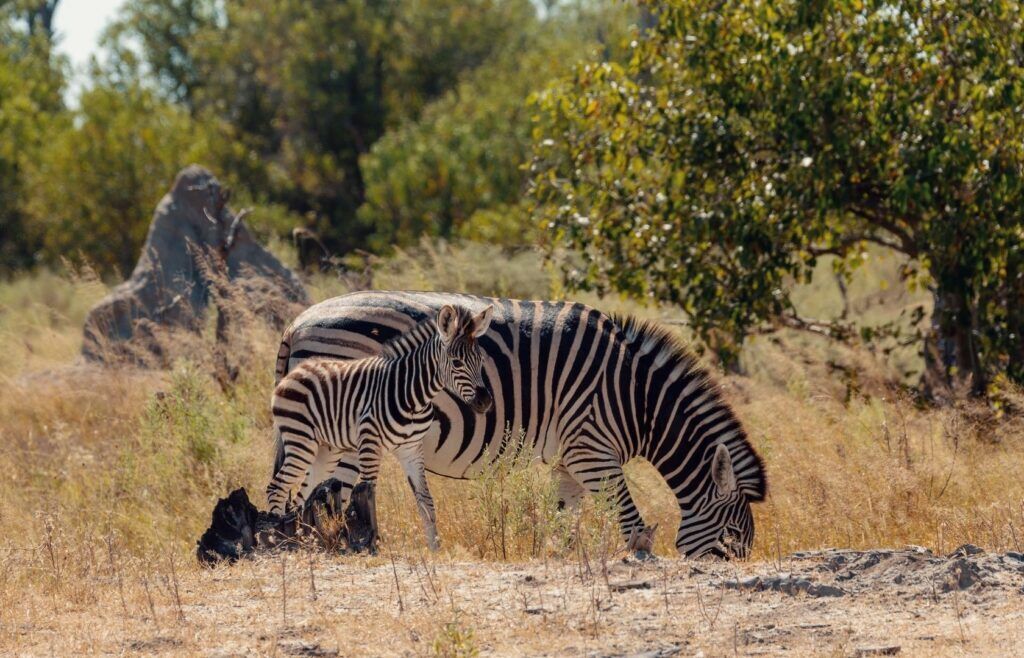
Upon arriving in the Pans, female zebras bring new life into this world. The nutritious grass is a great support for the lactating mothers, and the sight of these little foals taking their first steps in the wide-open landscape is something you’ll never forget.
An Otherworldly Contrast
The Makgadikgadi salt pans are a natural phenomenon beyond compare. The zebras with their black-and-white stripes against the white, seemingly endless flats, create a surreal scene that is difficult to capture in a picture but easy to remember forever.
Thrilling accommodations
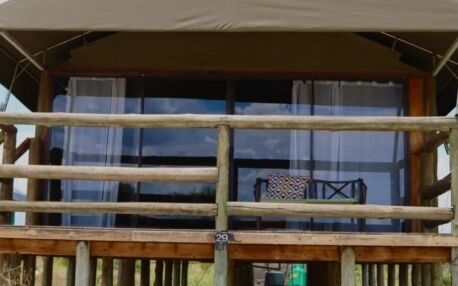
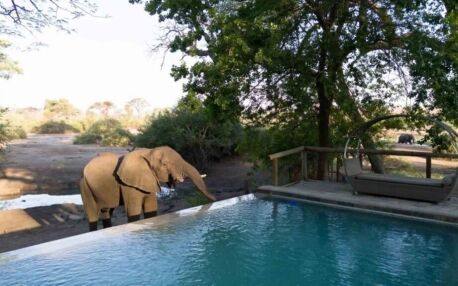
You don’t have to be “out in the field” to watch zebras form up close. You can also just kick back in your lodge and watch them around a waterhole right in front of you.


Let us create your tailor-made trip
Receive a free, no obligation quote
Start planning your dream trip