Kenya's Great Migration
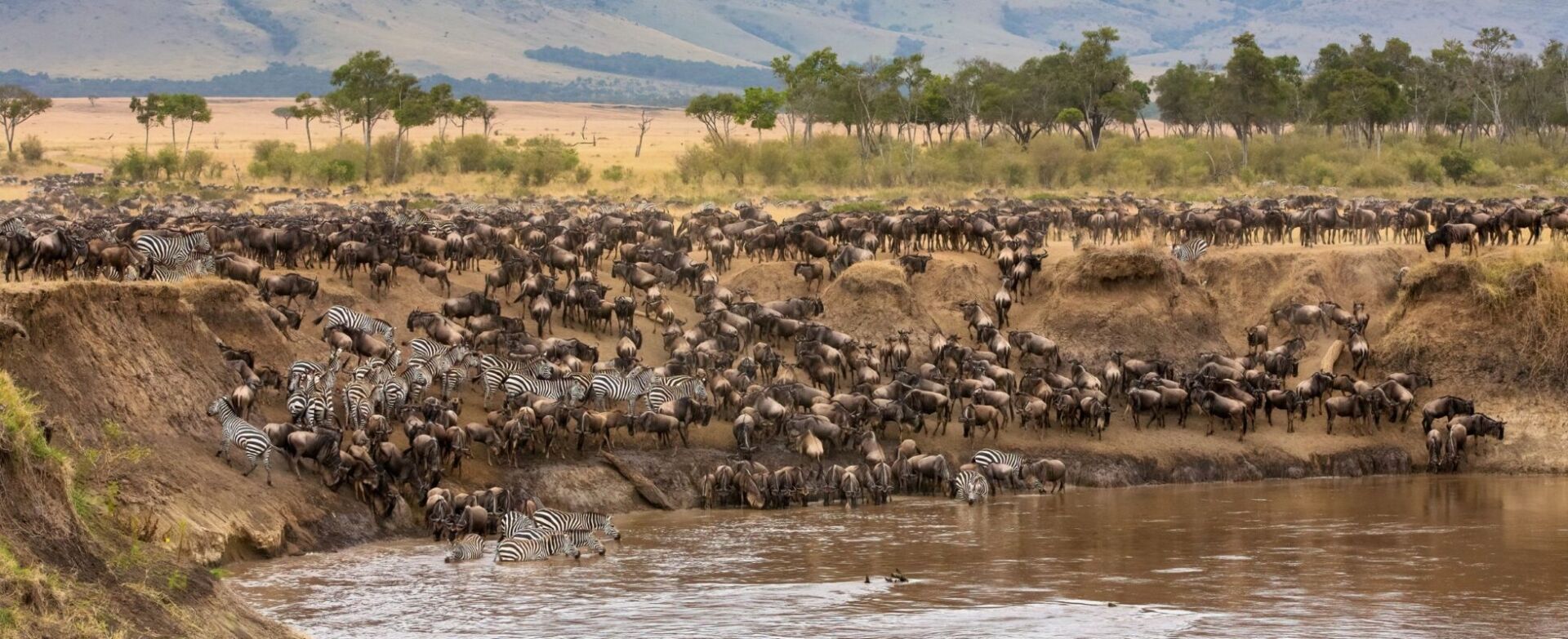
Kenya is the home of the world-famous Masai Mara and the captivating Great Migration, or Great Wildebeest Migration. Every year, millions of wildebeest and zebras cross the dangerous Mara river on their way to greener pastures. And you can witness this natural phenomenon IRL.



- Tailor-made safaris by true Africa specialists
- 5-star customer reviews
- Fair prices. Exceptional quality.

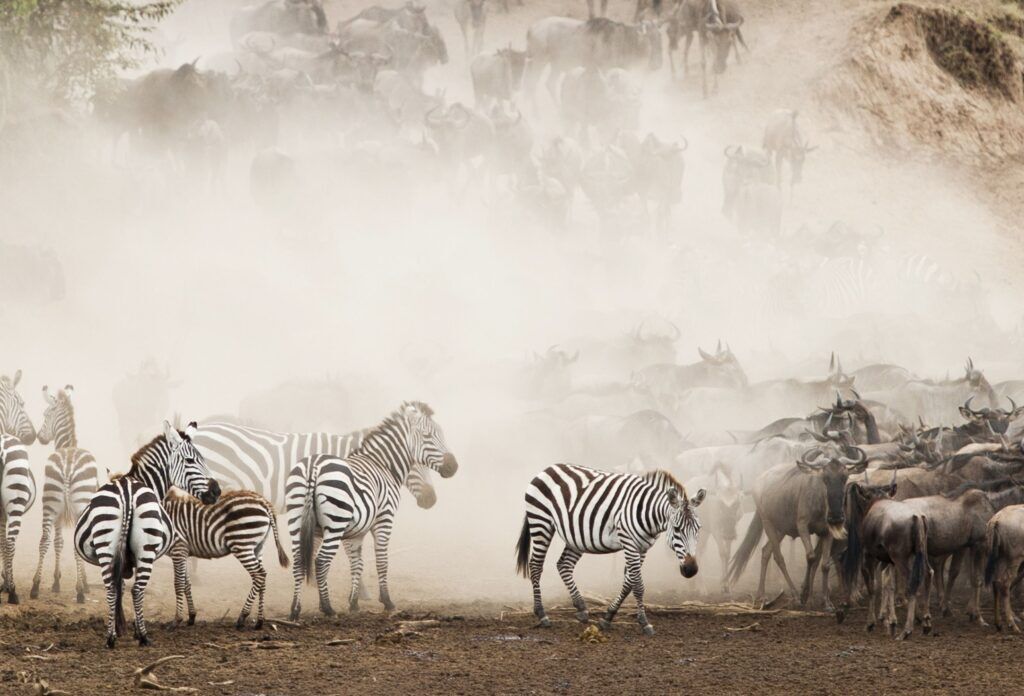
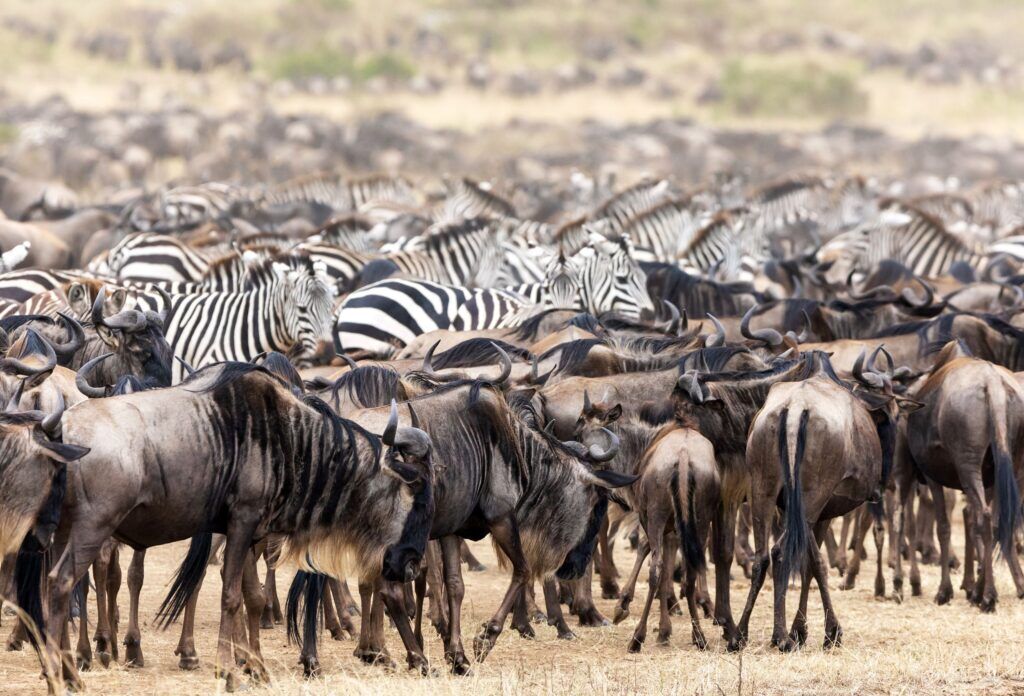
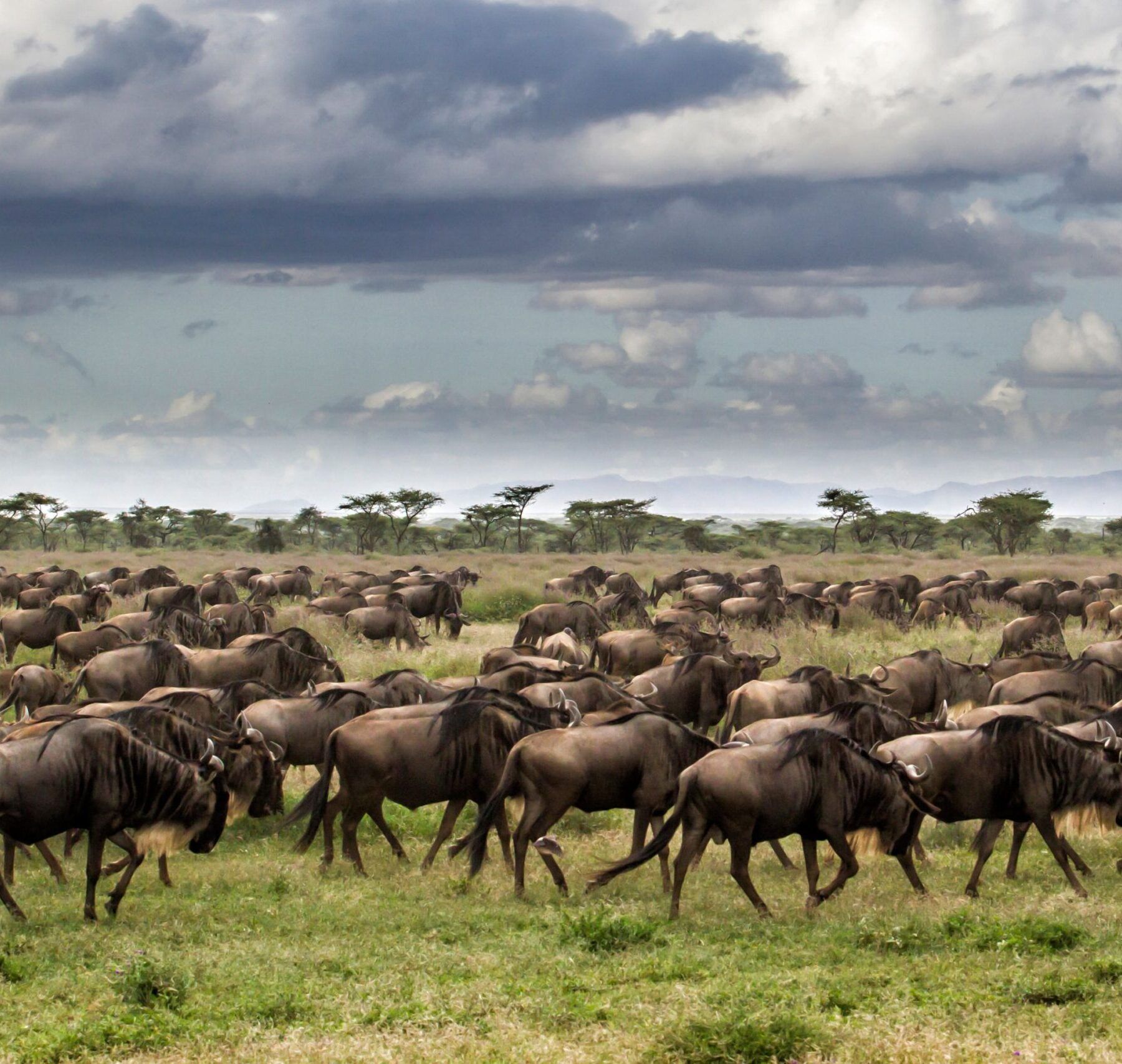
The Great Migration in Kenya, also known as the Great Wildebeest Migration, is one of the world’s largest wildlife migrations. It’s a true spectacle to see 1.5 million wildebeests, 400,000 zebras, 12,000 elands and 300,000 Grant’s and Thomson’s gazelles thunder across the endless plains of the Masai Mara National Reserve. Especially since the wildebeests and zebras continuously make their distinctive sounds, making the migration recognisable from great distances.
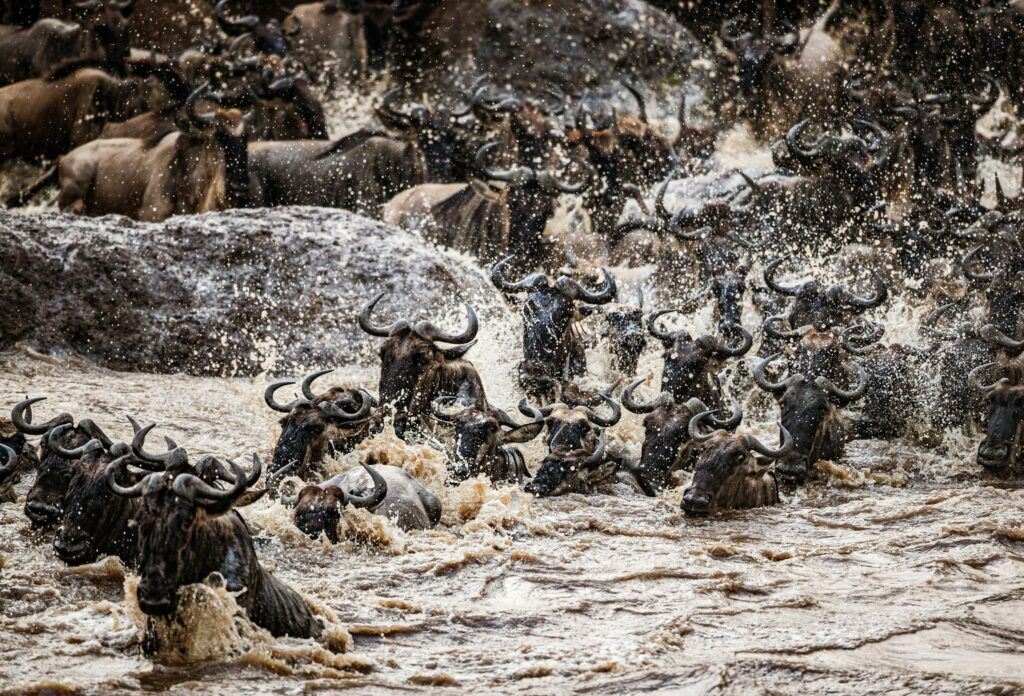
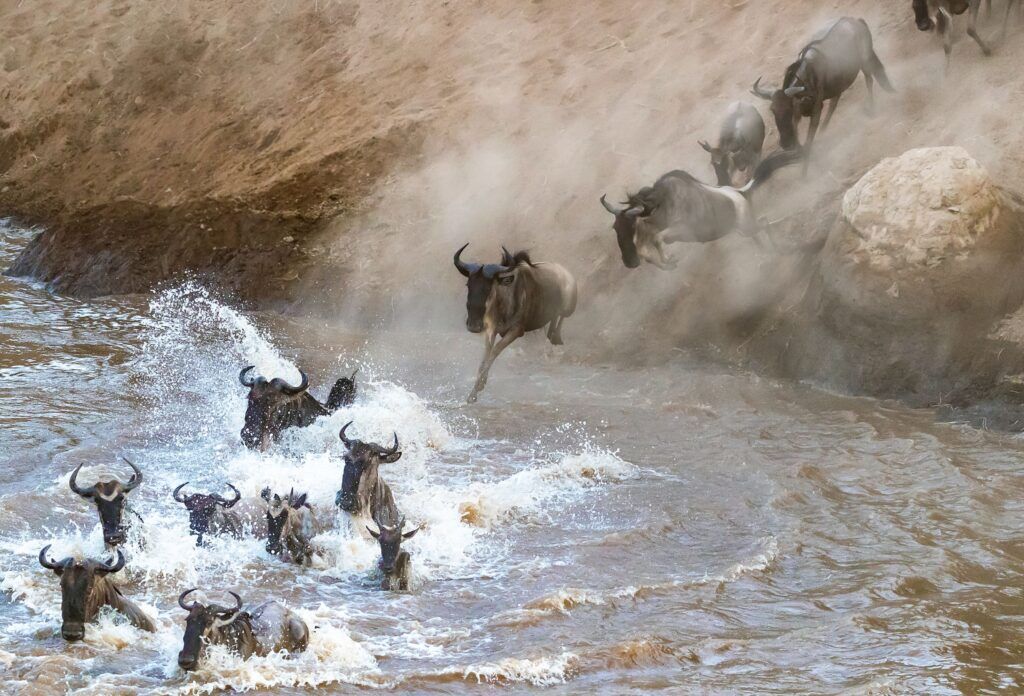
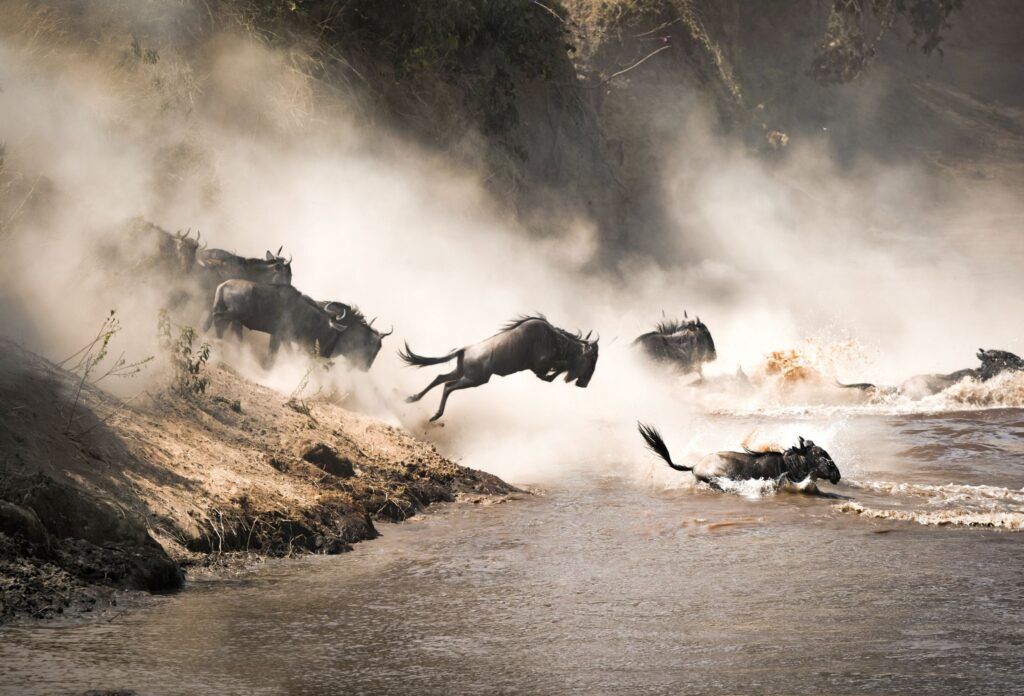
As such, the epic river crossing at the Mara River is the highlight of the Wildebeest Migration. For some travellers, it’s the sole reason to visit Kenya. With approximately 3,000 crocodiles in the river, the crossing makes for a real feat for the herds and many of them die. Together with a multitude of leopards and cheetahs preying on the herds along the way, the migration causes 250,000 wildebeests and zebras to die every year.
All-year migration
The Great Wildebeest Migration is a natural phenomenon that doesn’t recognise borders. Starting in January the herds are in the southern part of the Serengeti National Park in Tanzania. Following the rains (and grassy plains) north, they pass the border with Kenya end of July. Here they subsequently migrate in thousands over the plains of the Masai Mara. Eventually, they move back south, over the border back into Serengeti – a total distance of a whopping 800 kilometres.
Great Wildebeest Migration safari itineraries
Get inspired by these wonderful itineraries and experience the wonder of Kenya's Great Migration yourself.
- Kenya From $779 USD*
4 Days Kenya: Masai Mara Exploration
- Kenya From $3,202 USD*
14 days
The Big Five & The Beach
- Tanzania From $3,165 USD*
18-day Tanzania Safari & Zanzibar
Witness the Great Migration and unwind on tropical beaches
- Tanzania From $2,442 USD*
10-Day Northern Tanzania Safari
Four iconic safari destinations in one trip
When is the Great Wildebeest Migration in Kenya?
If you want to observe this spectacle, we advise coming between July and October. The rest of the time, you can observe it on the other side of the border, in Tanzania!
July: From late July into August the herds start to arrive in Kenya. They search for food and water and need to cross the Mara River to reach the yummy green grass. This is the best time to watch the thrilling river crossing.
August: The herds reach the Mara plains, but are awaited by hungry and eager packs of big cats.
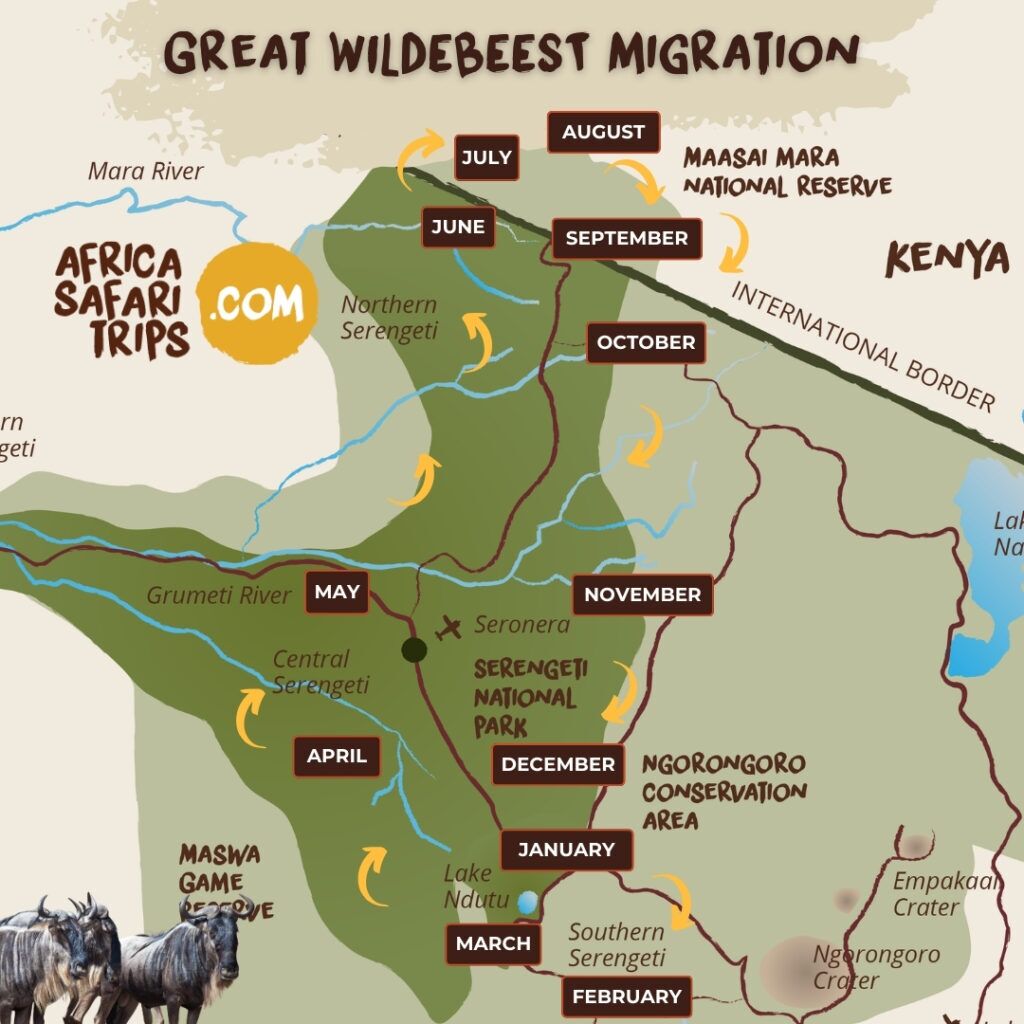
September: Life is good, as most animals have reached Mara and most big cats are fed. This is the time for the herd to relax. It’s also a beautiful time to be roaming the Mara plains.
October: The rains start to fall in the Masai Mara Game Reserve.
November: The Wildebeest Migration heads back from Kenya to the Serengeti in Tanzania.
Would you like to witness the Great Migration in Kenya? Check our Kenya Tours or contact us for personal advice.
Frequently Asked Questions about Kenya’s Great Migration
When does the Great Wildebeest Migration happen? Which animals can you see? And can you go to Tanzania and Kenya in one trip? We’ve answered the most common question surrounding this natural spectacle.
Let us create your tailor-made trip
Receive a free, no obligation quote
Start planning your dream trip