


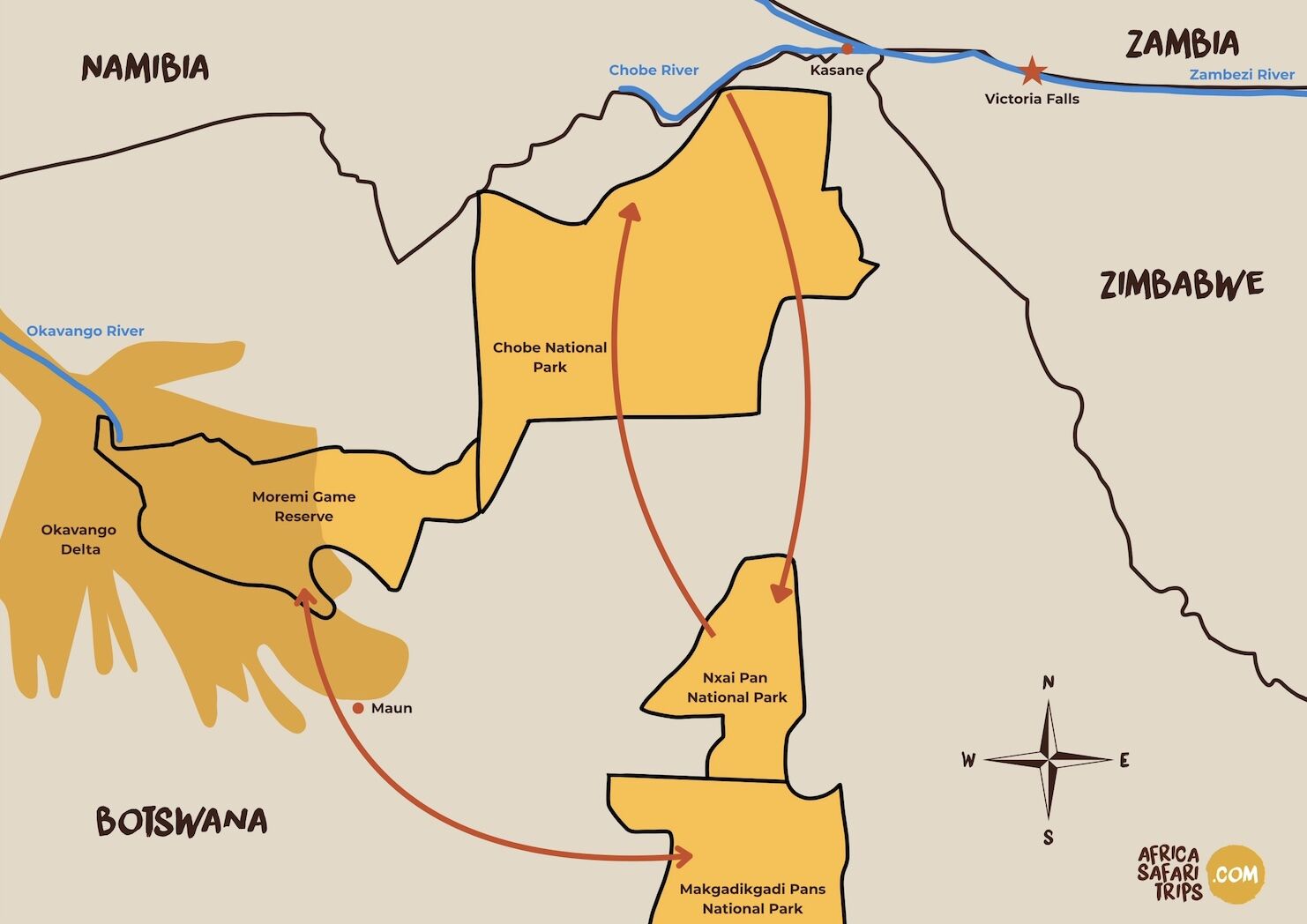
Characterised by emptiness, solitude and silence, Makgadikgadi Pans National Park is as impressive as it is remote. The national park is part of the vast Makgadikgadi salt pan system in north-eastern Botswana, west of the Okavango Delta. Stretching across 16,000 square kilometres, the pans reach up to the Nata Bird Sanctuary in the east, ending with Nxai Pan National Park in the north, and the Boteti River forming much of the western and southern border.


Salt and water
Makgadikgadi Pans National Park itself, however, covers less than 4,000 square kilometres of the area. The park is defined by two key landscapes: the open salt pans to the east and the life-giving Boteti River along its western boundary. This river is the park’s ecological lifeline – and where most lodges are located – drawing large concentrations of wildlife. Especially during the dry season, when it becomes one of the few permanent water sources in the region.
Lost in salt
The salt pans offer a place of surreal contrasts. The stark white landscape shimmers under the African sun, turning into mirrors just before your eyes. Especially in the dry season (from May to October), the pans seem desolate, and the few animals crossing leave trails that fade with the wind, as if they were never there. During the wet season (November to April), rain fills shallow depressions, creating temporary lagoons that attract thousands of migratory birds. Hippos and crocodiles take up residence in the ephemeral waters while zebras, wildebeests and springboks traverse the plains that have turned into short-lived but abundant grasslands. The wet season reveals the park’s vibrant side, with dramatic skies and beautiful sunsets.


The half-year feast
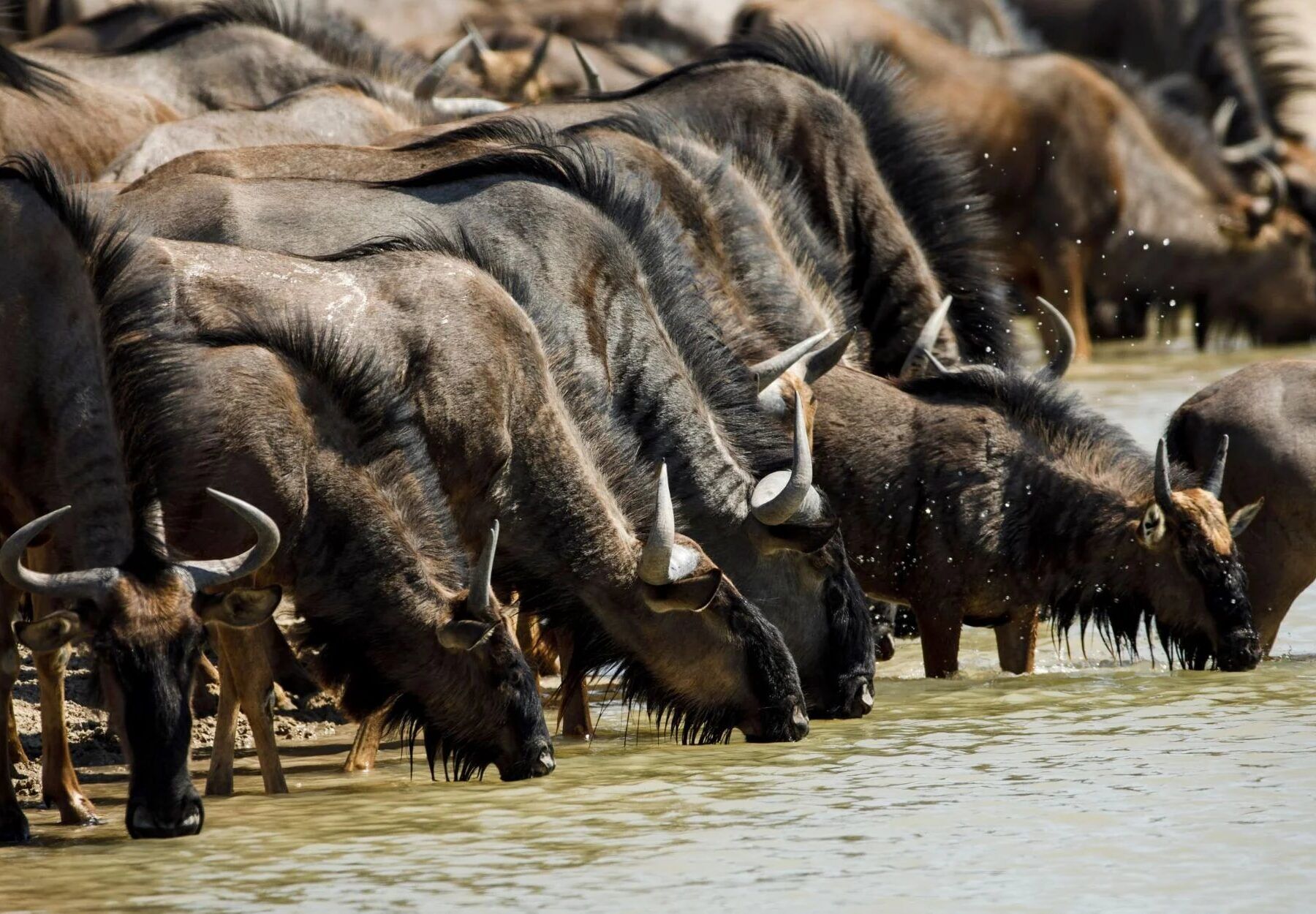
The formerly desolate environment is now teeming with life. Come December, the black-and-white migration sees up to 15,000 zebras and accompanying wildebeests making their way from the Okavango Delta in the west towards Makgadikgadi Pans National Park to feast on the yearly sprouting grass. During the spectacle, predators such as lions, cheetahs, and hyenas follow the herds, giving you the best opportunity for unforgettable sightings. In March, as the water slowly vanishes and the grass dries up, the animals head back north to their dry-season grazing grounds.
A highlight day and night
Nights on the salt pans are unforgettable. The vast plains open up under an immense sky, revealing stars in unimaginable numbers. The immense silence is only punctuated by distant lion roars and the occasional bark of a bat-eared fox. For those seeking something truly special, a sleepout on the pans – camping under vast, uninterrupted skies where the stars feel almost within reach – offers a rare sense of connection to this ancient landscape. You will leave with more than just photos; you will be in complete awe of how ancient, fragile, and wild this ecosystem truly is.
Information and facts
The Makgadikgadi Pans National Park in northern Botswana covers approximately a quarter of one of the world’s largest salt pan systems. With the stark contrast between the Boteti River and its green banks in the west and the surreal landscape of shimmering salt in the east, the national park is home to zebras, wildebeest, elephants, and ancient baobabs – perfect for wildlife safaris, stargazing, and unique desert adventures.
Most common animals
- Plains zebra
- Blue wildebeest
- Springbok
- Kudu
- Warthog
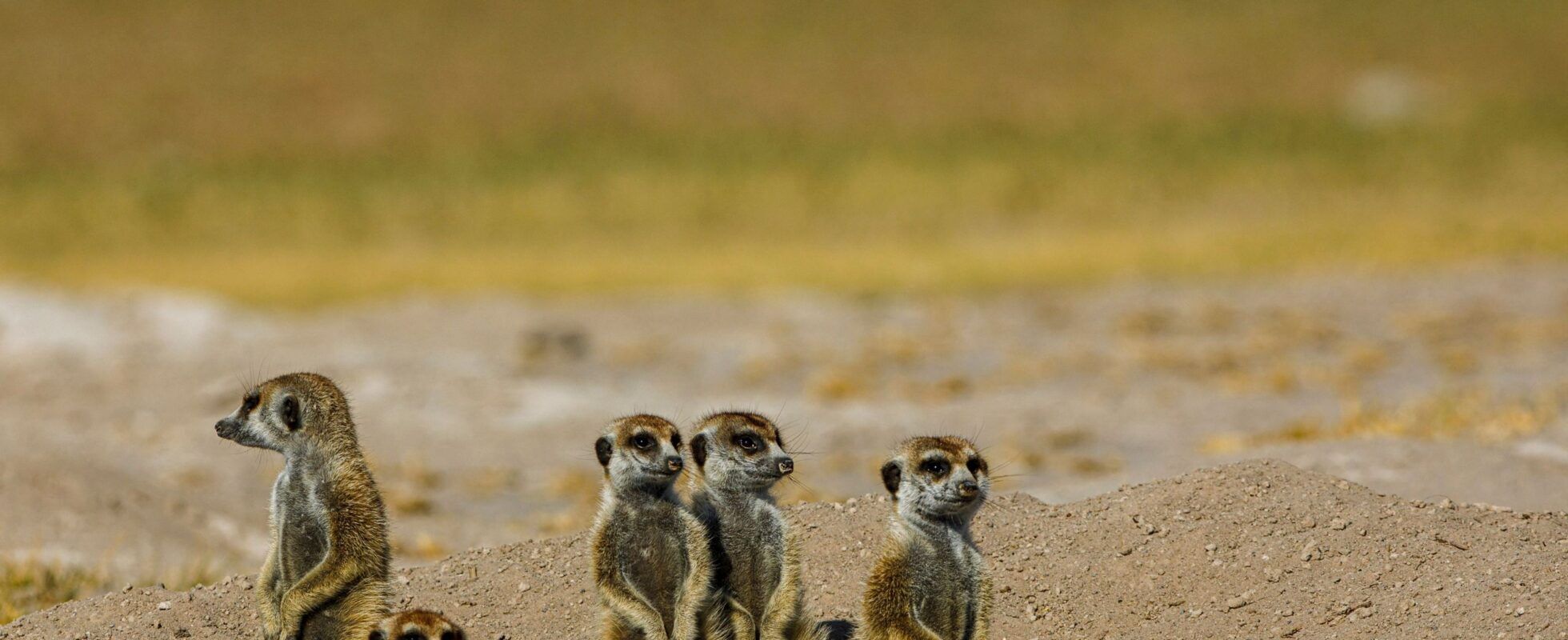
- Meerkat
- Jackal
- Lion
- Spotted hyena
- Cheetah
- Giraffe
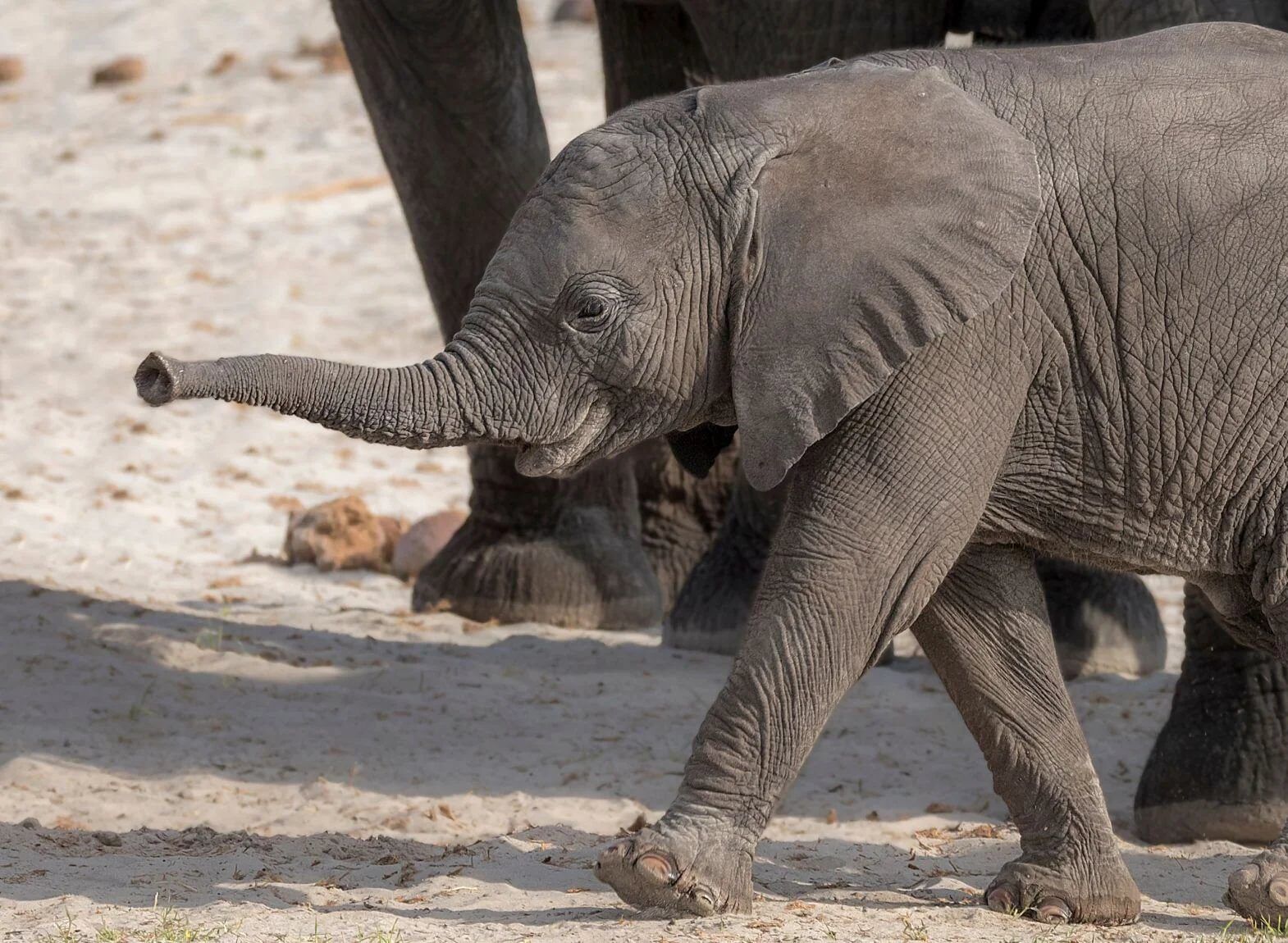
- African elephant
- Cape buffalo
- Leopard
- Hippopotamus
- African wild dog
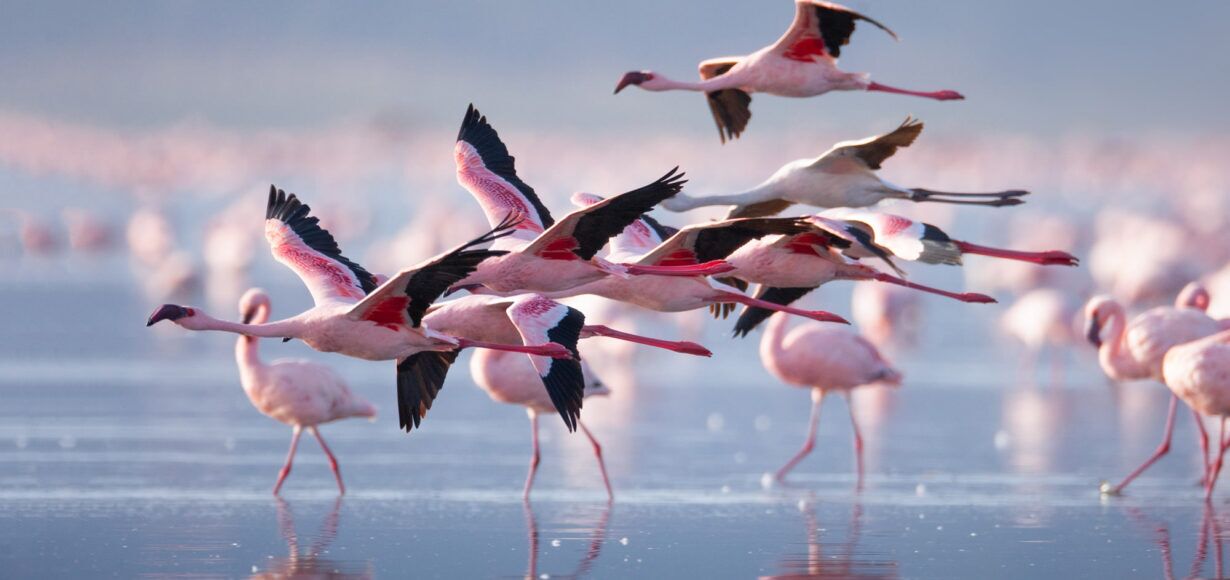
- Flamingo
Facts about Makgadikgadi Pans National Park
- The park covers almost 4,000 square kilometres and is part of a much larger salt pan system.
- The landscape features vast salt flats, grasslands and iconic baobab trees, remnants of an ancient lake that once covered much of the region as well as the year-round green banks of the Boteti river.
- It is located in northeastern Botswana, southeast of the Okavango Delta, with Nxai Pan National Park in the north.
- The area hosts one of Africa’s most dramatic wildebeest migrations, after Kenya’s and Tanzania’s Great Migration.