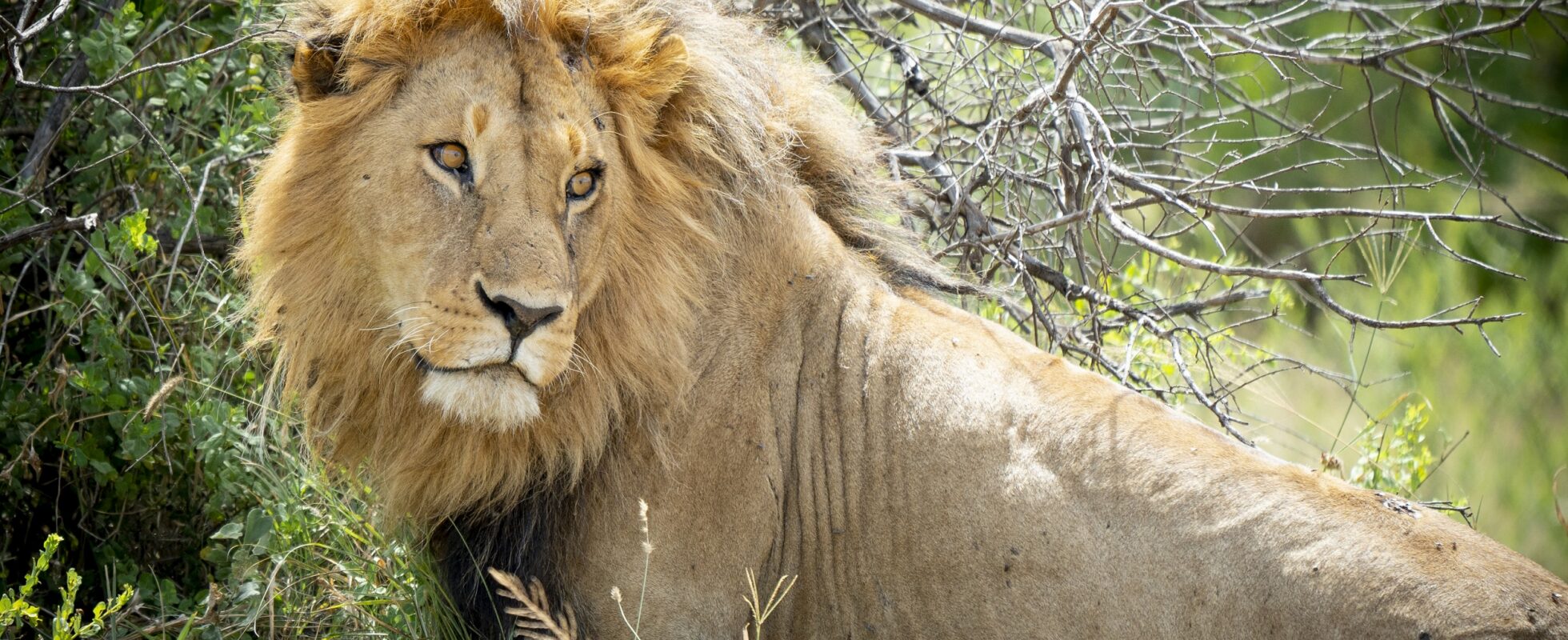

Male lion resting among green bushes and trees in Serengeti National Park, Tanzania.

Serengeti National Park

TripAdvisor Travellers' Choice

Endless golden plains. Lions resting on kopjes, giant rocky outcrops shooting from the ground. Thousands of wildebeest moving across the savannah. This is Serengeti National Park, one of Africa’s most iconic wildlife destinations. Stretching across nearly 15,000 square kilometres in northern Tanzania, this UNESCO World Heritage Site is the stage for the legendary Great Wildebeest Migration and home to an incredible variety of wildlife – from cheetahs scanning the open grasslands to leopards lounging in acacia trees, every game drive holds a new surprise.
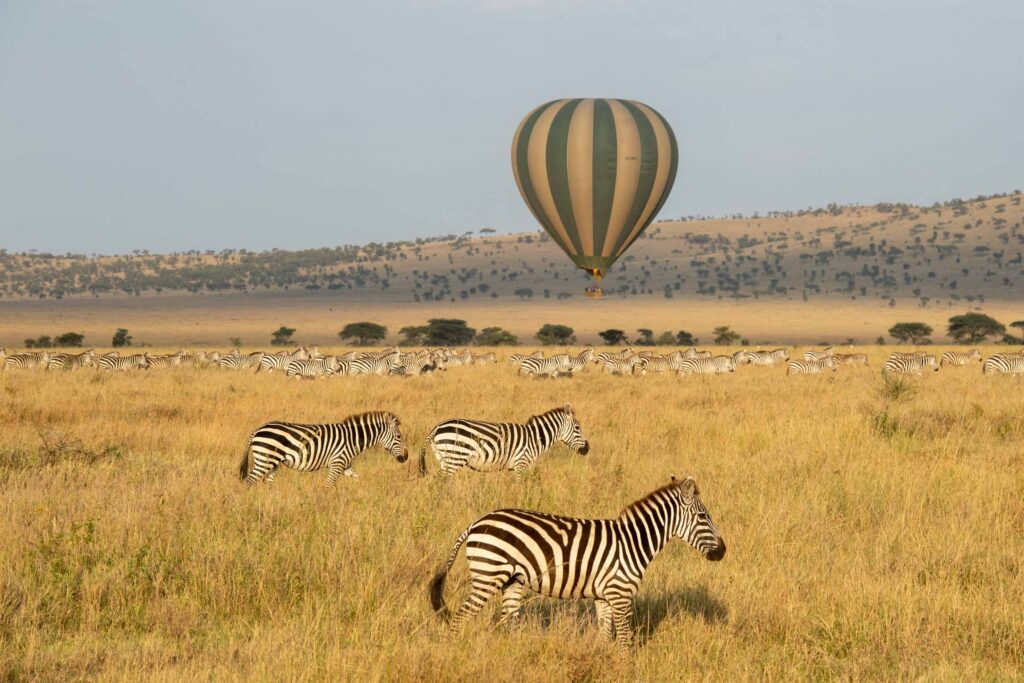
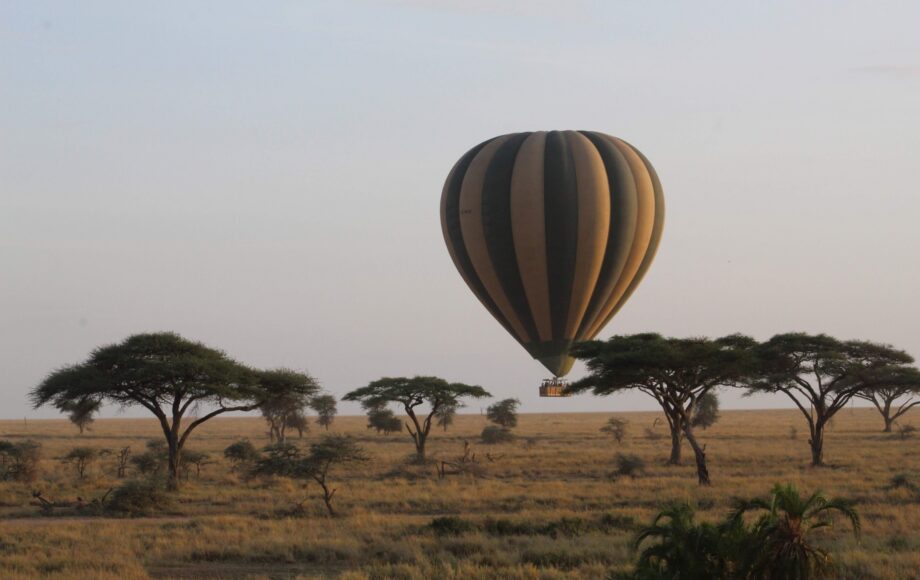
Hot air balloon floating above a herd of zebras on the golden plains of Serengeti National Park, Tanzania.

Wildlife in Serengeti National Park

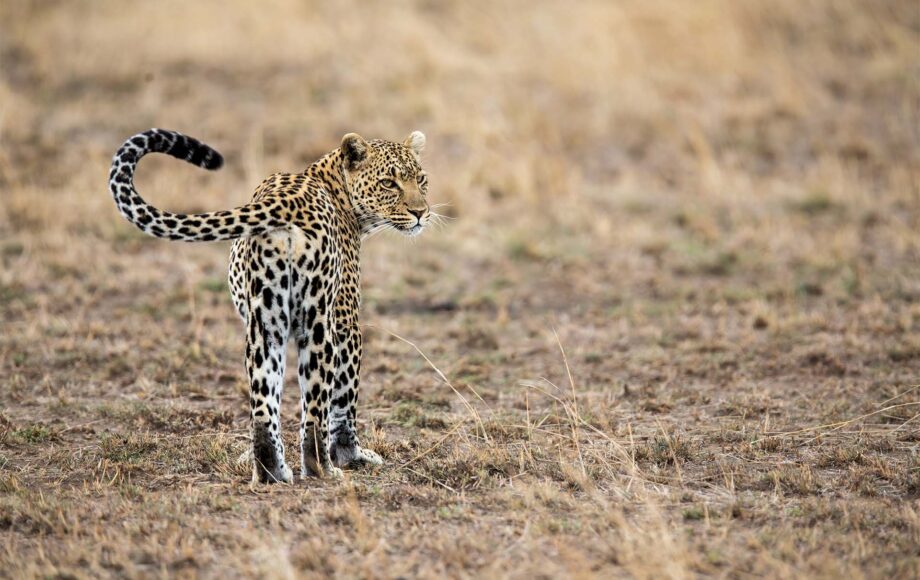
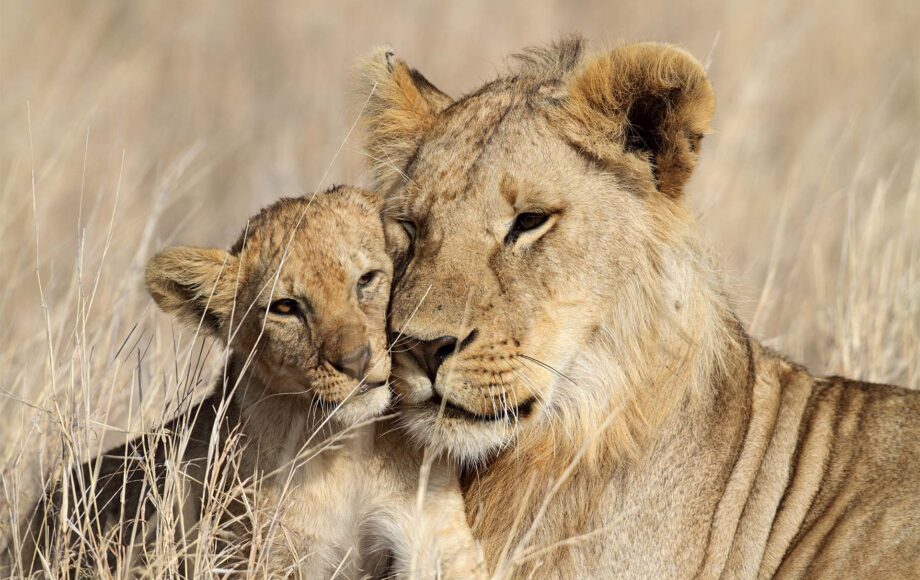
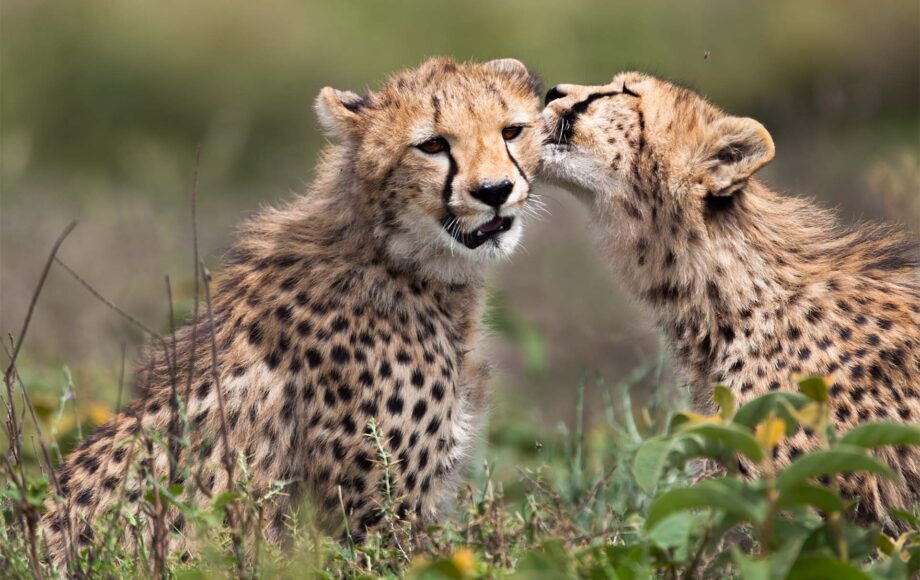
The Serengeti is renowned for its extraordinary concentration of wildlife, especially predators. Lions are often spotted resting on so-called kopjes or watching the plains for their next meal, while leopards prefer a good nap in the trees. To spot cheetahs (pun intended), you should keep your eyes open in the grasslands, where their staggering speed gives them an advantage for the hunt.

But there’s even more to see: elephants move through the plains, giraffes pick yummy treats from the acacia trees and large herds of buffaloes graze on the savannah. Along rivers and pools, it’s hippos and crocodiles giving you goosebumps.

The Serengeti is also home to the Big Five, although black rhinos are particularly rare and sightings are not guaranteed.

With so many species sharing the same landscape, even an ordinary-looking stretch of grassland can suddenly become the stage for an unforgettable wildlife encounter.

The Great Wildebeest Migration

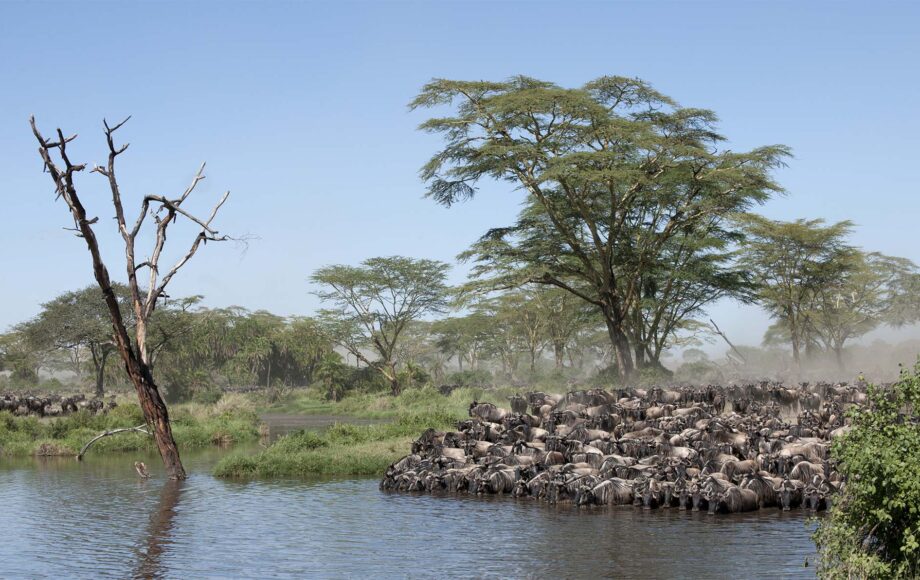
Few wildlife experiences compare to the sight of millions of wildebeest moving across the Serengeti. Joined by zebras and gazelles, these enormous herds follow the rains in search of fresh grass and water, creating one of the world’s most remarkable natural spectacles.

The Great Migration is a continuous journey through the Serengeti ecosystem and Kenya’s Masai Mara. Depending on the season, you might witness newborn calves taking their first steps on the southern plains, vast herds gathering in the central Serengeti or dramatic river crossings in the north.

The exact movements change from year to year, making every migration safari unique. Choosing the right region at the right time can make all the difference, and of course, we are happy to help.

Want to see more? This video is worth watching

Information and facts

The name Serengeti comes from the Maasai word Siringet, meaning “endless plains”. And once you see the vast landscapes for yourself, you’ll understand why!

Most common animals

  • Lions
  • Leopards
  • Cheetahs
  • Elephants
  • Buffaloes
  • Giraffes
  • Wildebeest
  • Zebras
  • Gazelles
  • Hippos
  • Crocodiles

Facts about Serengeti National Park

  • One of Africa’s most famous wildlife destinations
  • Home to the Great Wildebeest Migration
  • Excellent opportunities to see big cats
  • Diverse landscapes, from open plains to river valleys and rocky kopjes
  • Wildlife viewing throughout the year
Activities in Serengeti National Park

A game drive is the classic way to explore the Serengeti, but it's not the only one. Discover our activities to make your Serengeti visit even more memorable.

How to get to Serengeti National Park

Most travellers reach the Serengeti from Arusha, the starting point for many northern Tanzania safaris. The journey by road takes you through beautiful landscapes and can be combined with visits to Lake Manyara, Tarangire National Park or the Ngorongoro Conservation Area.

Travelling by road gives you the chance to enjoy the changing scenery along the way – a cinema on the go. However, the distances within the Serengeti are considerable. If you’d rather spend less time travelling, you can also hope on domestic flights that connect Arusha and other destinations with airstrips inside the park. Your ideal route depends on which part of the Serengeti you’re visiting and how much time you have.

Best time to visit Serengeti National Park

Let’s start with the good news: there’s no single best month to visit the Serengeti. With its resident wildlife and ever-changing landscapes, the park always has rewarding safari experiences in store for you. If you want to witness the Great Migration, timing, and location are particularly important. The southern plains are especially interesting during the calving season, while the northern Serengeti becomes a hotspot for potential river crossings later in the year.

December–March

Green landscapes and calving season in the south

April–June

Migration moving through central and western areas

July–October

Dry-season game viewing and potential Mara River crossings

November

Short rains, greener scenery and changing herd movements

*The migration follows the rain and not a fixed calendar, making these periods approximate. For a first-time safari, the central Serengeti is a particularly good choice because of its reliable year-round wildlife viewing.

Discover Serengeti Safari Itineraries

Ready to experience the Serengeti for yourself? Discover safari itineraries that combine its extraordinary wildlife with other highlights of northern Tanzania, or extend your adventure with a relaxing beach escape.

Climate in Serengeti National Park

The Serengeti has a generally warm climate, with temperatures and rainfall varying throughout the year. The main dry season runs from approximately June to October, bringing sunny days, cooler mornings and increasingly dry landscapes. The rainy periods transform the plains into a sea of green. Short rains usually arrive around November and December, while the longer rainy season typically falls between March and May. Rainfall can vary considerably between regions, and showers don’t necessarily last all day.

Whichever month you visit, it’s worth packing layers. Early morning game drives can feel surprisingly chilly, especially when travelling in an open or pop-up-roof safari vehicle.

Where to stay in Serengeti National Park

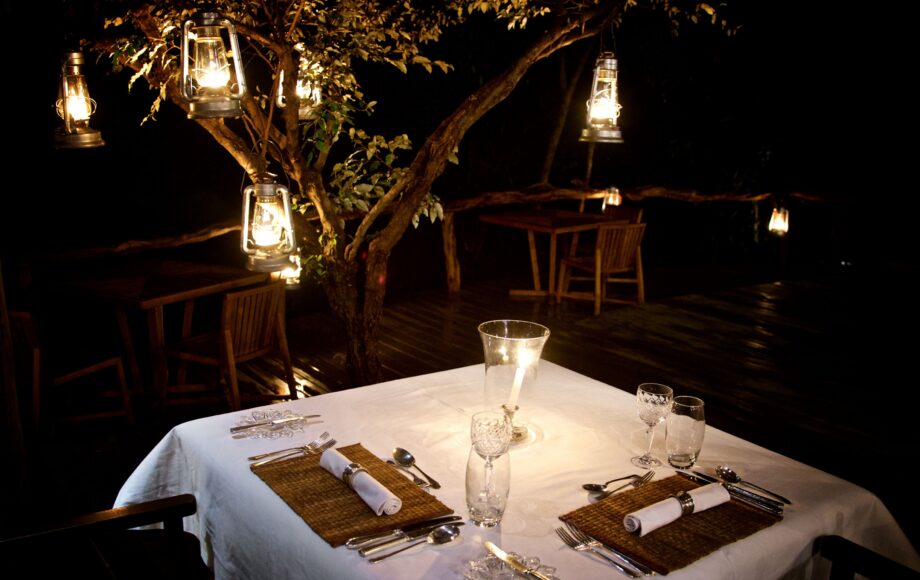
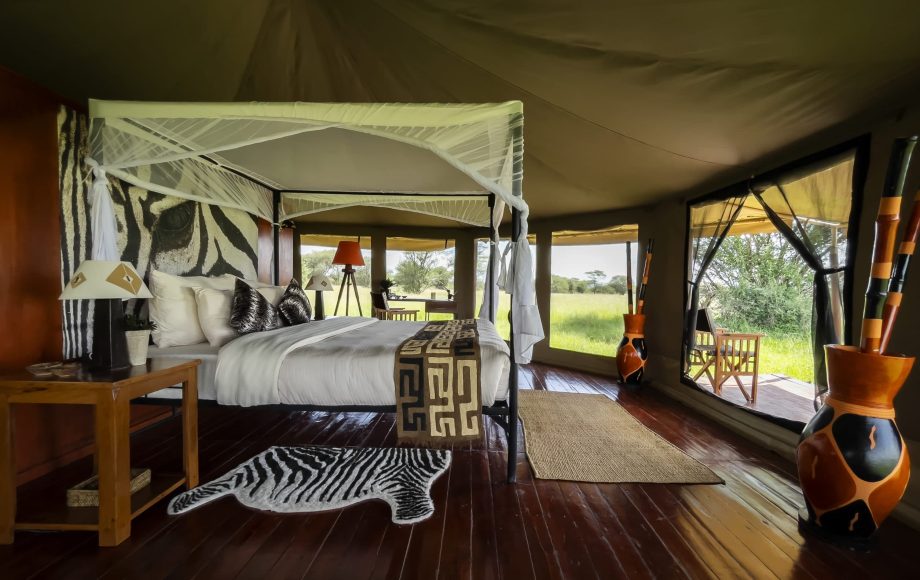
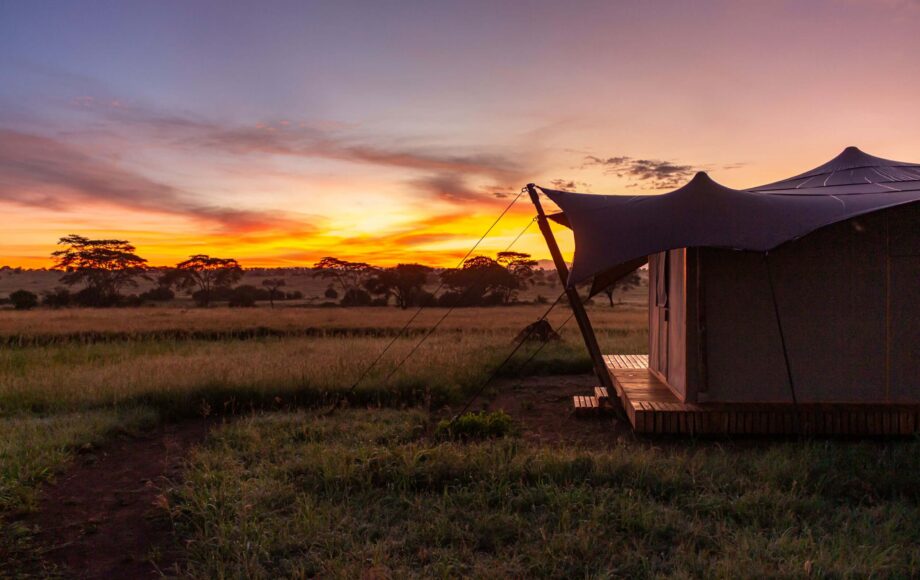
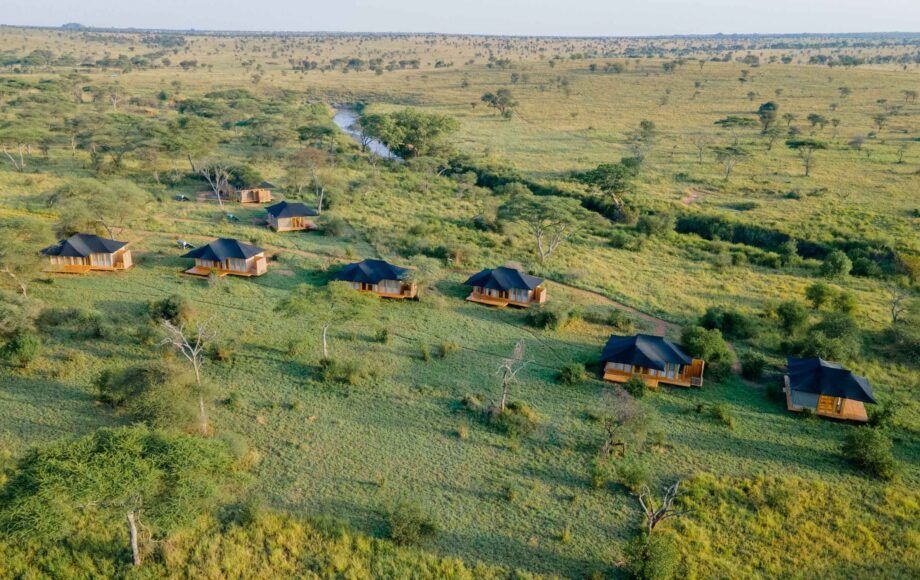
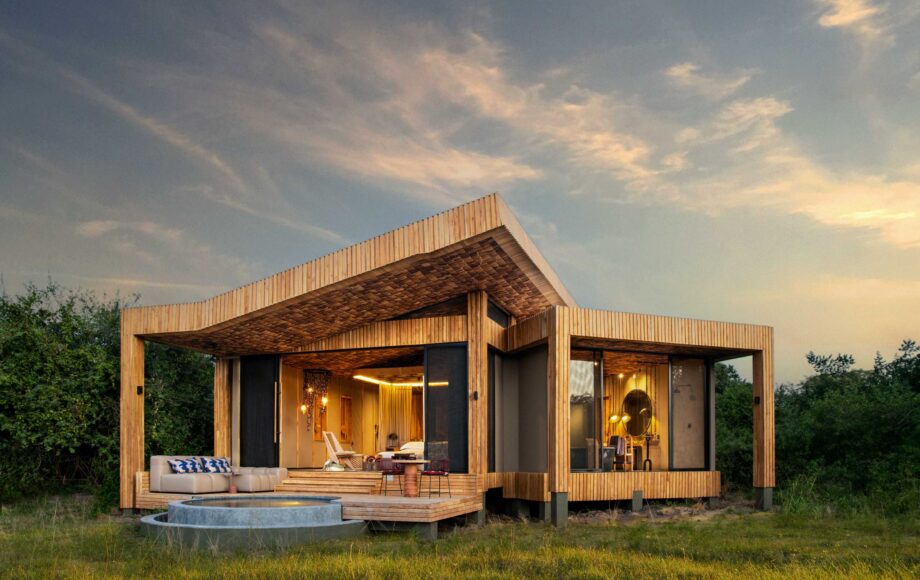
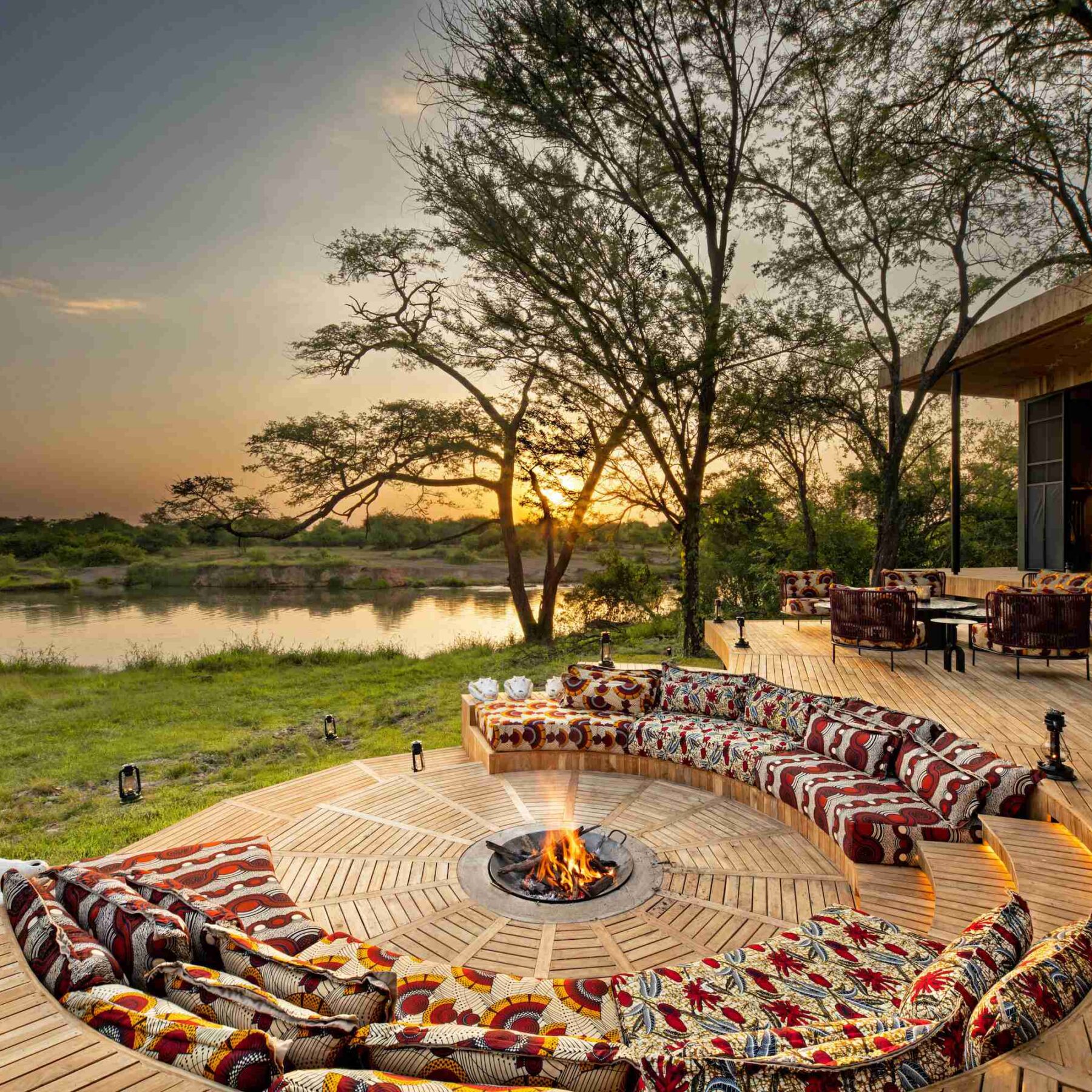
From tented camps surrounded by the sound of nature to luxurious safari lodges, the Serengeti has the right accommodation for each travel style. While a camp in the central Serengeti is ideal for year-round wildlife viewing, seasonal camps can bring you closer to the migration.

Frequently asked questions about Serengeti National Park

Planning a visit to Serengeti National Park? You might have some questions! From the best time to visit and spotting the Big Five to how many days you should spend in the park, we’ve got you covered. Here are the answers to some of the most frequently asked questions to help you prepare for an unforgettable safari.