
2 September 2026
Planning your first safari in Kenya? Discover expert advice on the best parks, routes, travel times, costs, accommodation, packing and safety for an unforgettable journey from the Masai Mara to the Indian Ocean.


2 September 2026
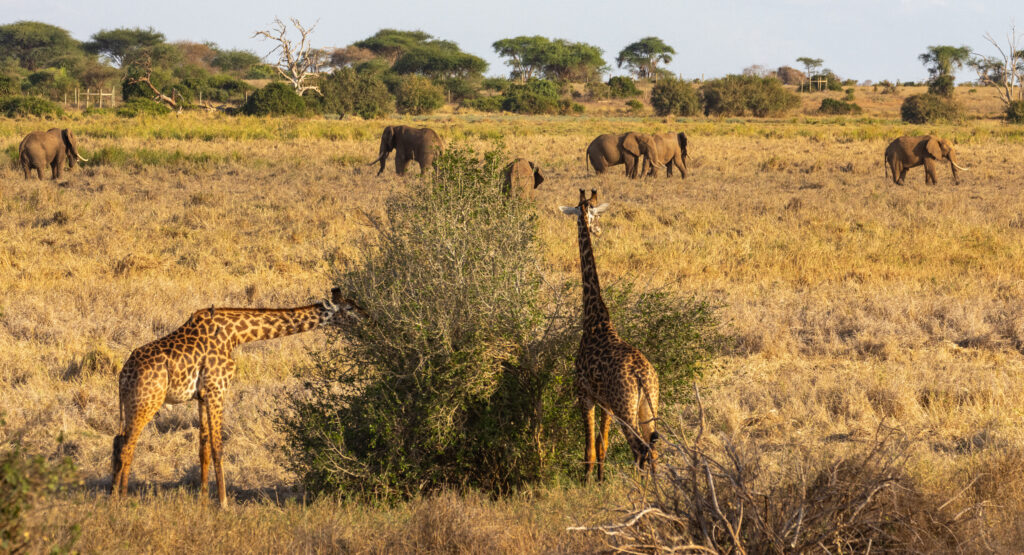
Is Kenya a good choice for your first safari? The short answer is yes. With world-famous national parks, experienced guides, comfortable safari lodges, and wildlife ranging from the Big Five to the rare Samburu Special Five, Kenya makes an unforgettable introduction to the African wilderness.
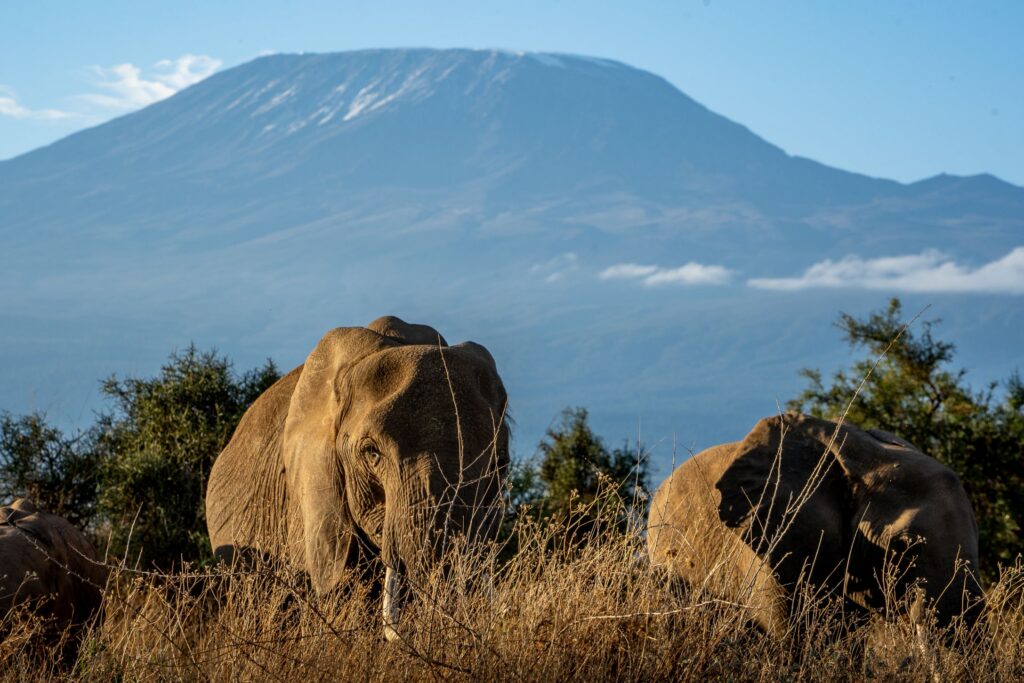
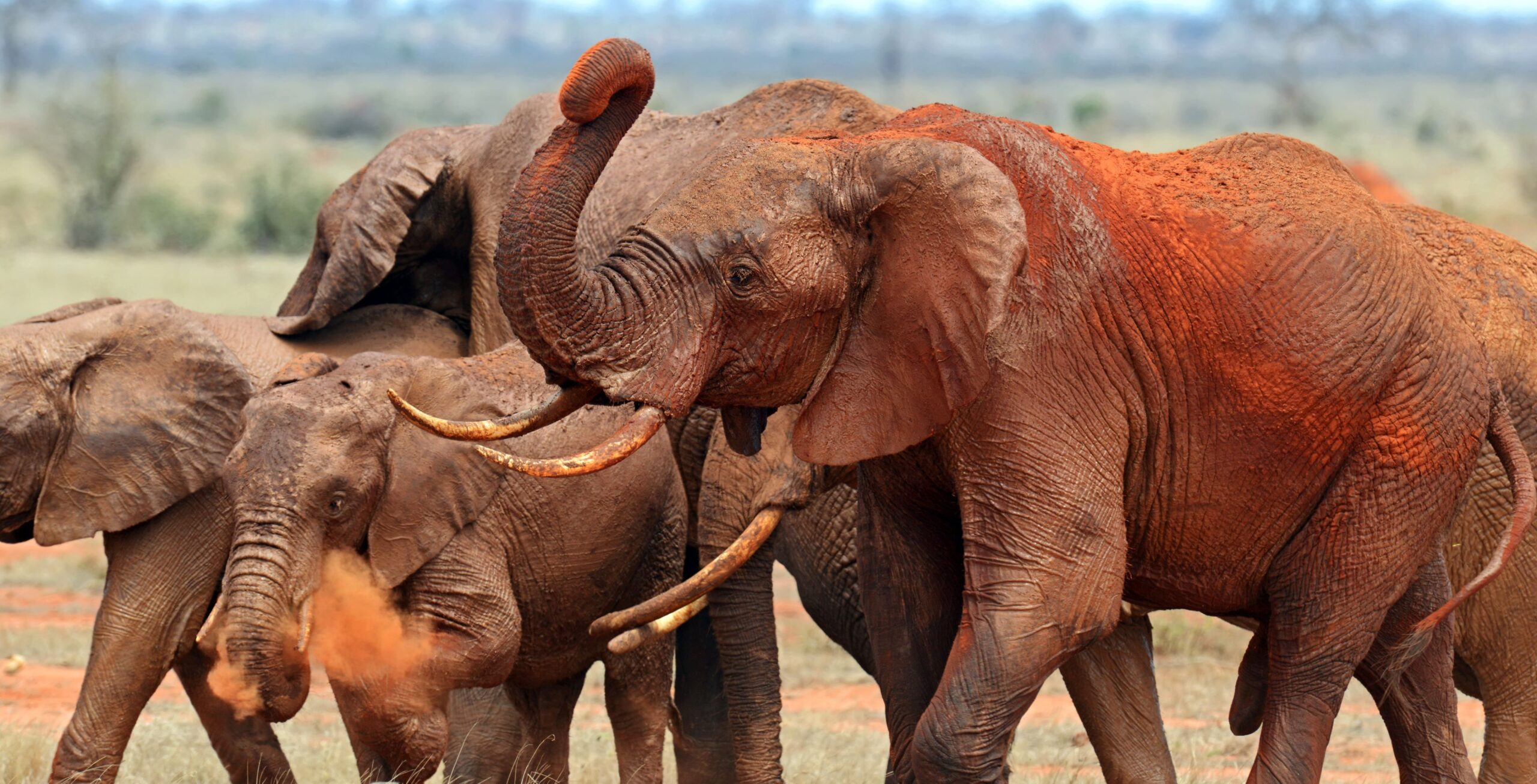
One morning, you might watch elephants cross the plains beneath Mount Kilimanjaro. A few days later, you could be following lions through the Masai Mara or relaxing on the white sands of the Indian Ocean. Kenya offers an extraordinary variety of landscapes and experiences, but you do not need to see the entire country in one trip.
The key is choosing the right parks, allowing enough time between destinations, and finding a pace that leaves room to enjoy the journey. In this guide, we answer the most important questions about planning your first Kenya safari, from when to travel and what to pack to realistic driving times, safari accommodation, and combining the bush with the beach.
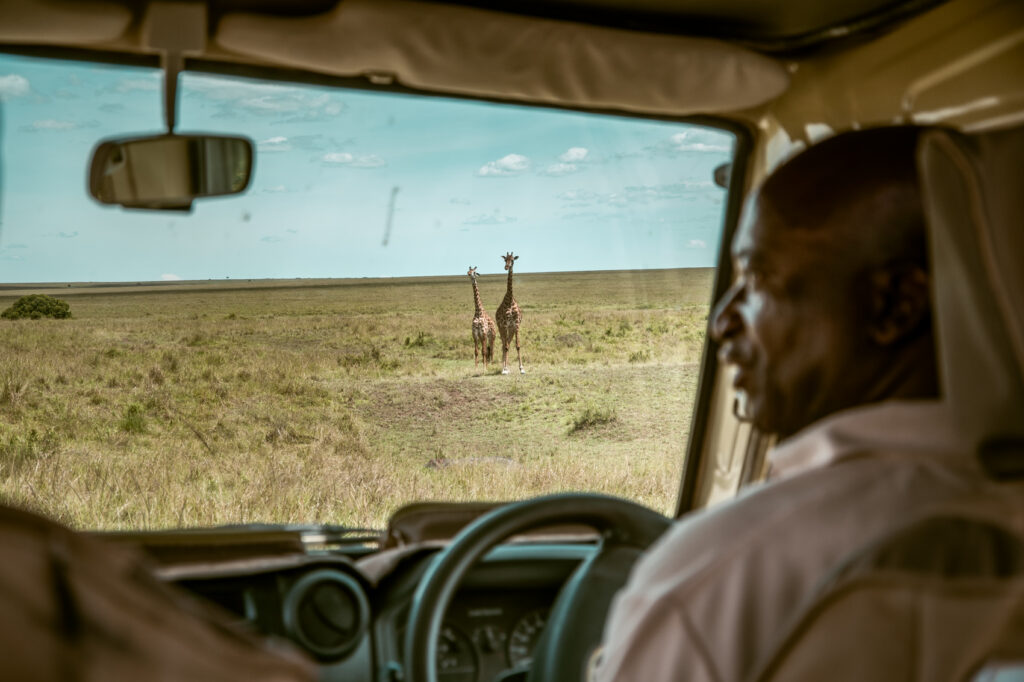
Yes. Most safaris in Kenya are privately guided, which makes the experience straightforward even if you have never been on safari before. Your private safari guide takes care of navigation, park procedures, and daily planning while helping you understand animal behaviour and spot wildlife that you might otherwise miss.
A first safari does not have to mean sacrificing comfort. Accommodation ranges from traditional lodges to spacious tented camps with comfortable beds, private bathrooms, and excellent meals. Your days can also be adapted to your preferences, with options for early game drives, relaxed afternoons at the lodge, picnic lunches, and full days in the parks.
However, it helps to arrive with realistic expectations. Safari days often begin early, some roads are dusty and bumpy, and wildlife sightings can never be guaranteed. That unpredictability is part of the experience, and with the right guide and a well-paced route, Kenya offers a welcoming introduction to safari travel.
For a first Kenya safari, seven to ten days is enough time to experience several landscapes without spending every day moving between parks. The ideal length depends on whether you want a focused wildlife trip, a compact safari and beach combination, or a more complete journey through Kenya.
Road transfers are part of the experience, but distances can be deceptive and some journeys take most of the day. If you want to include parks that are far apart, domestic flights can reduce travel time and leave more room for game drives.
The cost of a Kenya safari depends on how, when, and where you choose to travel.
Kenya safari prices start from approximately
350–400 USD
per person per day
Your staySilver offers excellent quality and value, while Gold and Platinum add more comfort through their location, design, facilities, or service. |
Your journeyThe season, parks, route, and length of your safari all affect the price. Domestic flights can increase the cost further. |
Your experiencesHot-air balloon flights, walking safaris, private conservancies, and other special activities can be added to your itinerary. |
The price of a Kenya safari reflects everything required to create a safe, comfortable, and well-organised journey through remote wilderness areas. Park and conservation fees are fixed, and a private safari requires a specialised vehicle and professional guide. Remote lodges must also transport food, fuel, staff, and supplies into the wilderness. Many itineraries already include full-board accommodation, game drives, transfers, park fees, and 24/7 local support.
For an exact estimate, explore our frequently asked questions about Kenya or request a tailor-made travel proposal based on your preferred route, accommodation level, and travel dates.
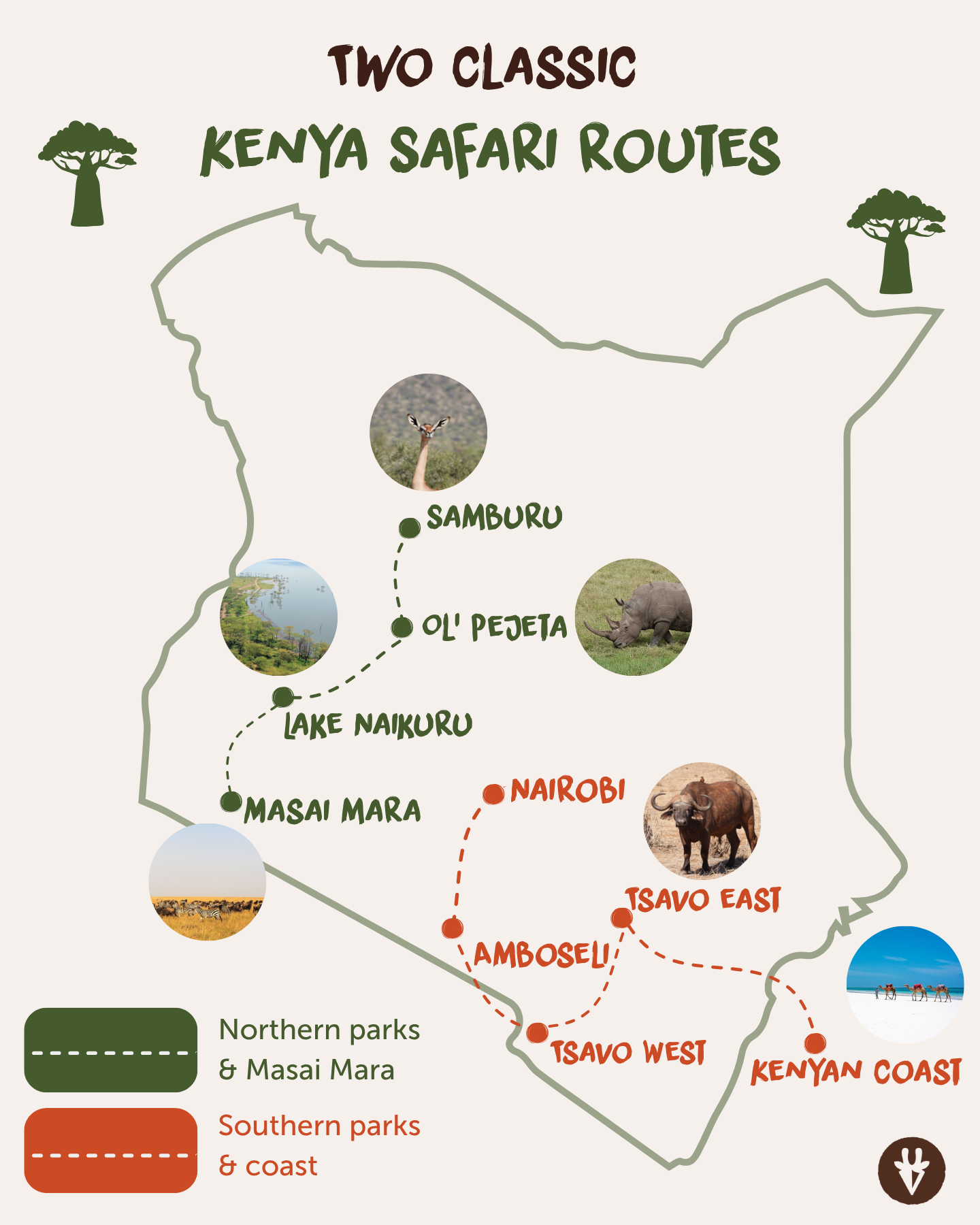
Kenya’s safari areas offer very different landscapes and wildlife experiences. You do not need to visit them all. For a first safari, choose a few places that complement each other and fit naturally into the same route.
Safari area |
Best for |
What makes it special |
| Masai Mara National Reserve | Big cats and classic safari | Open savannah, the Big Five, and the Great Wildebeest Migration |
| Amboseli National Park | Elephants and photography | Large elephant herds and views of Mount Kilimanjaro |
| Lake Nakuru National Park | Rhinos and birdlife | Black and white rhinos, varied birdlife, and Great Rift Valley scenery |
| Samburu National Reserve | Rare northern species | Dry landscapes and the Samburu Special Five |
| Tsavo East and Tsavo West | Wilderness and safari-to-coast routes | Red-earth plains, elephants, volcanic scenery, springs, and woodland |
| Ol’ Pejeta Conservancy | Conservation experiences | Black and white rhinos, endangered species, and a chimpanzee sanctuary |
A classic first safari might combine the Masai Mara with Lake Nakuru and Ol’ Pejeta, while Amboseli and the Tsavo parks create a natural route toward the Kenyan coast. Your best combination depends on the animals, landscapes, and pace you want from the trip.
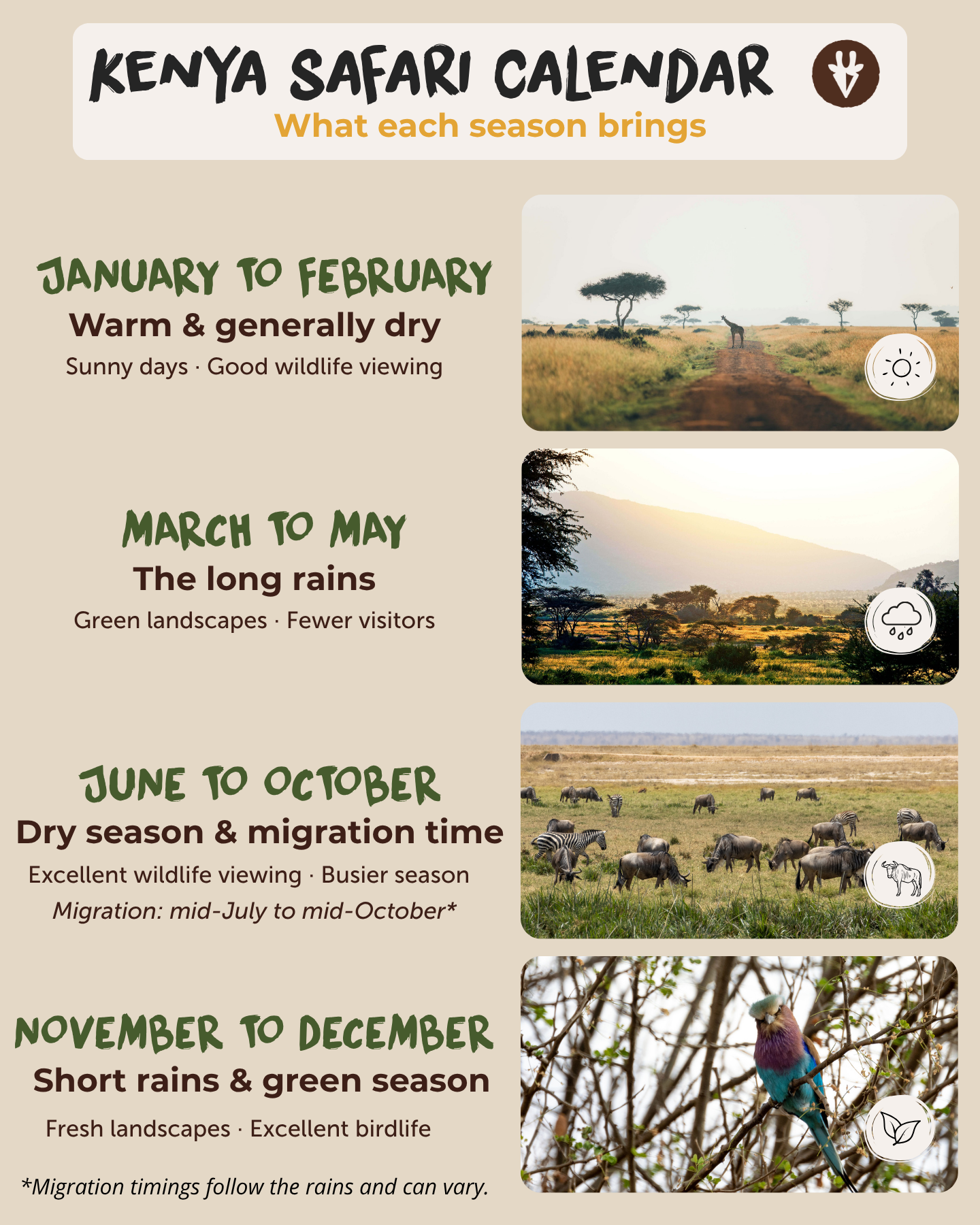
Kenya is a year-round safari destination, but the best time for your trip depends on the wildlife, weather, and atmosphere you prefer.
These months usually bring sunny weather and good wildlife viewing. It is an excellent period for game drives, especially if you want to travel outside the main migration season.
The longer rains usually begin toward the end of March and transform the landscapes into vibrant shades of green. Some roads can become muddy and travel times less predictable, but there are fewer visitors and safari prices are often lower.
Dry conditions make wildlife easier to spot as animals gather around remaining water sources. From approximately mid-July to mid-October, large herds of wildebeest and zebras usually enter the Masai Mara as part of the Great Wildebeest Migration. This is also the busiest period, and prices are generally higher.
Shorter rain showers bring fresh vegetation and excellent birdlife, particularly in November and early December. The landscapes are lush, there are usually fewer visitors than during the main dry season, and showers are often followed by clear skies.
If seeing the migration is your priority, plan for mid-July to mid-October, but remember that wildlife follows the rain rather than a fixed calendar. River crossings are natural events and can never be guaranteed. For pleasant weather without the peak migration season, January and February are strong alternatives.
Kenya covers almost 580,000 square kilometres, and distances between safari areas are often longer than they appear on a map. Driving times depend on traffic, road conditions, weather, and the final stretch to your accommodation, which may follow slower tracks inside a park or reserve.
| Route 🚙 | Time ⏰ |
| Nairobi to Lake Naivasha | 2-3 hours |
| Nairobi to Lake Nakuru | 3-4 hours |
| Nairobi to Amboseli | 4-5 hours |
| Nairobi to the Masai Mara | 5.5-8 hours |
| Amboseli to Tsavo West | 2.5-4 hours |
| Tsavo East to Diani Beach | 4-6 hours |
These are estimated journey times and may vary depending on the exact location of your lodge or camp, road conditions, traffic and rest stops. For example, the drive from Nairobi to the Masai Mara can take between 5.5 and 8 hours depending on where you are staying. Some travel days may also include wildlife viewing along the way, especially once you enter a national park.
Road transfers allow you to watch the landscapes change and see more of everyday life in Kenya. However, if your route includes distant regions such as Samburu, the Masai Mara, or the coast, a domestic flight can reduce travel time considerably. A well-planned itinerary balances road journeys, flights, and at least two nights in key safari areas.
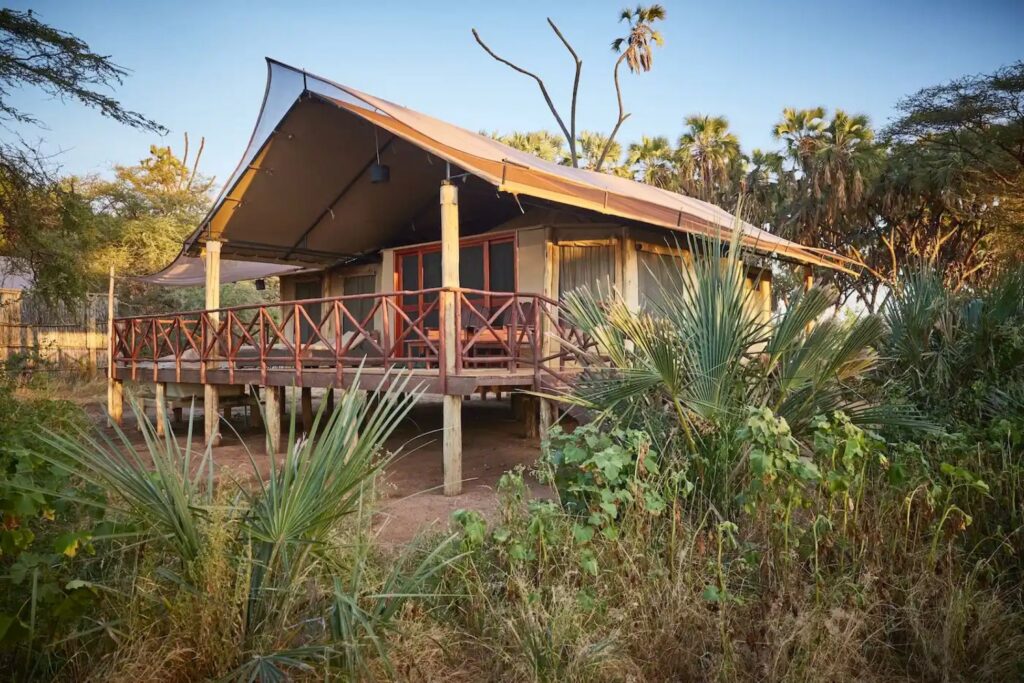
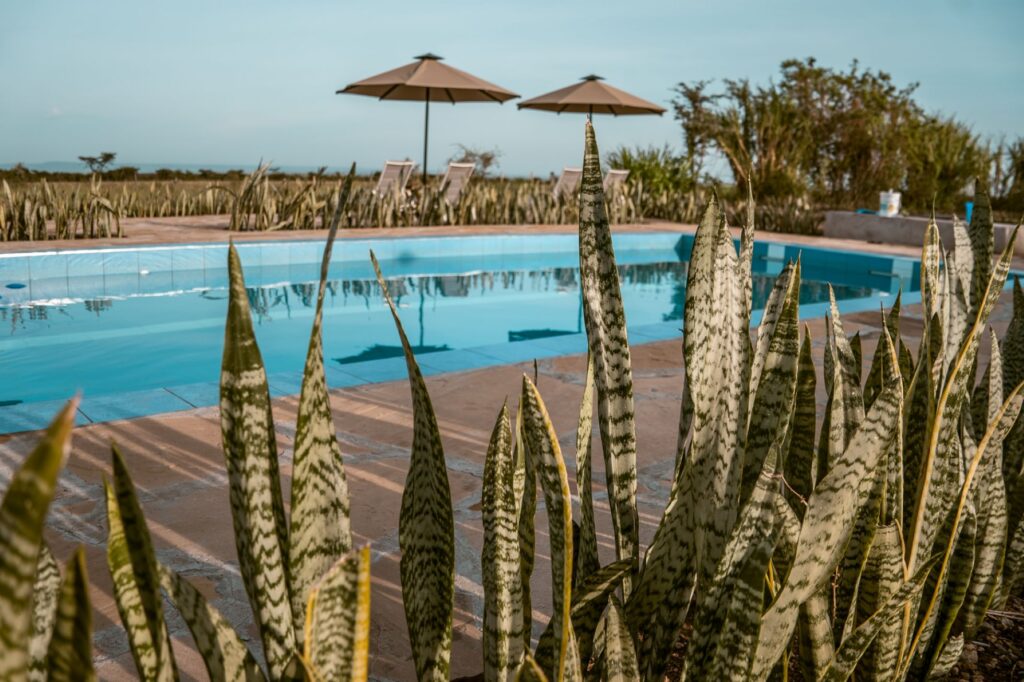
Kenya offers a wide range of safari accommodation, from comfortable lodges to luxury tented camps. Even in remote areas, you can expect a proper bed, good meals, and somewhere welcoming to relax between game drives.
Silver offers excellent quality and value, while Gold adds more comfort through design, service, or location. Platinum represents our most exclusive accommodation experiences. These categories are not official hotel star ratings, and different levels can be combined within the same tailor-made journey.
Examples from the itineraries featured above include:
Location matters too. Staying inside or close to a park can reduce morning travel time, while accommodation farther away may offer better value. In unfenced areas, always follow the camp’s instructions and use an escort after dark when required.
You do not need a brand-new safari wardrobe. Pack comfortable clothing that can handle cool mornings, warm afternoons, dust, and plenty of time in a vehicle.
A small day bag is useful for keeping water, sunscreen, your camera, and an extra layer close at hand during game drives.
A well-planned safari in Kenya can be enjoyed safely, but sensible precautions are important. Our organised itineraries use established routes, selected accommodation, and private guides who understand local conditions.
In Nairobi, Mombasa, and other cities, use reliable transfers, avoid walking alone or visiting isolated areas after dark, and keep valuables out of sight. Travel during daylight hours where possible, avoid demonstrations and large gatherings, and follow the advice provided by the local team. Check current government travel advice before departure, as recommendations for certain regions can change.
Safety rules also apply inside the parks. Remain in the vehicle unless your guide confirms that it is safe to leave, never approach or feed wild animals, and follow all instructions from guides and camp staff. At unfenced lodges, use a staff escort after dark when required.
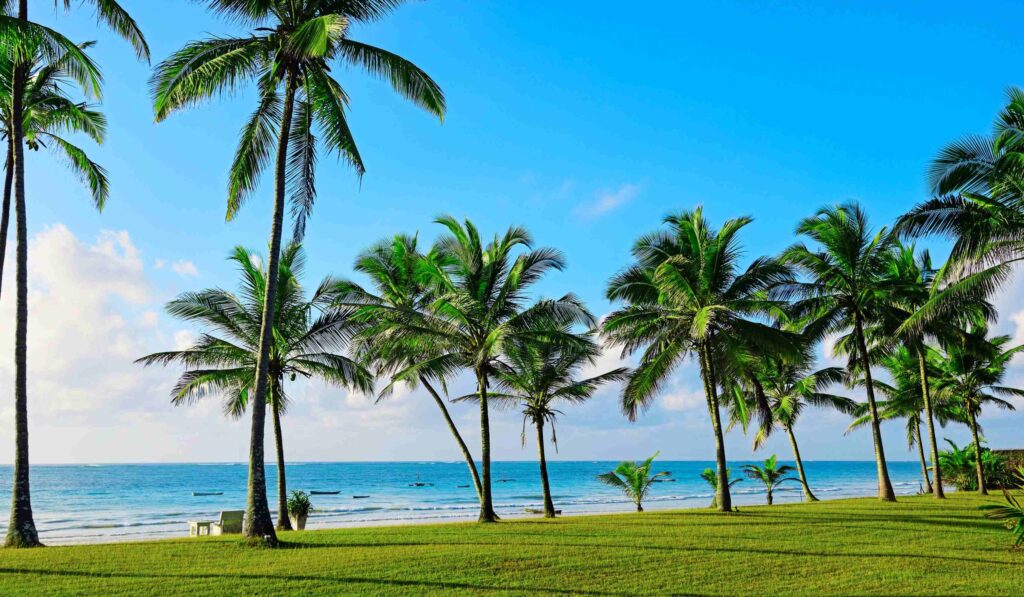
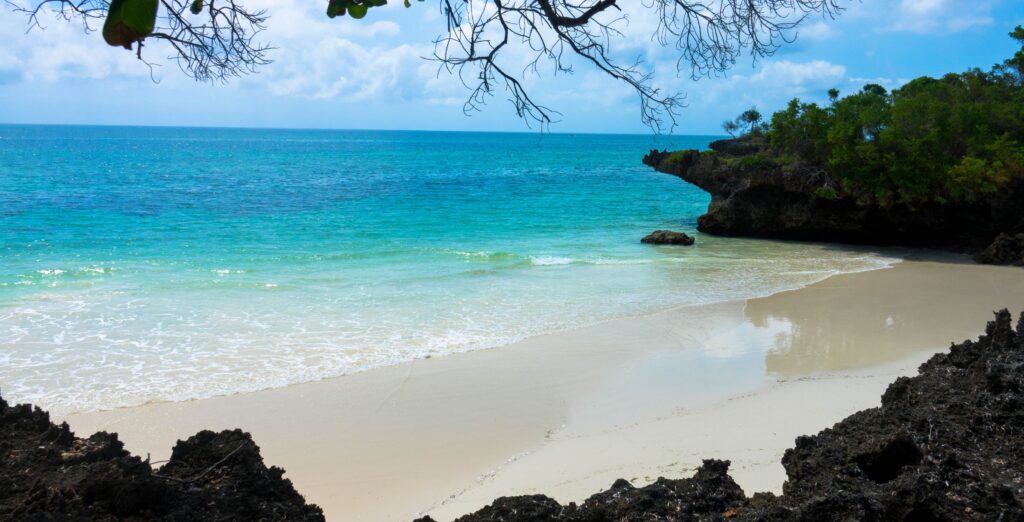
Yes. Combining wildlife and beach time is one of the best ways to experience Kenya, especially after several early mornings and long days in a safari vehicle. Three to five nights at the coast gives you time to slow down without making the beach extension feel rushed.
A southern safari through Amboseli and the Tsavo parks creates a natural route toward the coast. If your safari ends in the Masai Mara or northern Kenya, a domestic flight can save a considerable amount of travel time. Your itinerary can also finish in Mombasa, allowing you to fly home without returning to Nairobi.
A few practical preparations will make your arrival and safari considerably smoother.
| Topic | What to remember |
| eTA and passport | Apply online before departure. Your passport needs at least six months’ validity and one blank page. |
| Vaccinations and malaria | Consult a travel health professional well before departure. |
| Money and cards | Bring Kenyan shillings for tips, markets, and smaller purchases. |
| Tipping | Widely appreciated, although always a personal choice. See the suggested amounts below. |
| SIM cards and Wi-Fi | Local SIMs and eSIMs are available, but coverage varies in remote areas. |
| Plastic bags | Leave ordinary plastic carrier bags at home and use reusable alternatives. |
Tipping is not mandatory but is widely appreciated. A common guideline for safari guides and drivers is 10 to 15 USD per person per day, depending on the service and length of the trip. For lodge staff, 5 to 10 USD per person per day can usually be placed in the shared tip box, while smaller tips are suitable for porters and other hotel staff. Tipping remains a personal choice and should reflect your experience.
Ever wondered why Pumbaa from The Lion King was so happy? Because he embraced Hakuna Matata, a worry-free way of life. That is exactly how we want you to experience Kenya.
Delayed flight? A vehicle issue along the way? An unexpected change to your travel plans? With our Hakuna Matata Package, our local team helps coordinate practical solutions and adjust your itinerary when needed, so you can focus on the wildlife instead of the logistics.
Core support is included free of charge, including airport pick-up, a private local guide, vehicle support where available, and 24/7 assistance. Selected optional services, such as Premium Airport Meet & Greet, a local SIM card or eSIM, travel insurance, and a farewell experience, can be added at an additional cost. Available services may vary depending on your itinerary.

Planning a safari means coordinating parks, driving times, accommodation, guides, transfers, and sometimes domestic flights. Our Kenya specialists bring everything together in one itinerary designed around how you want to travel.
Our team is based in Nairobi and knows the country’s parks, routes, seasons, and accommodation first-hand.
You travel with your own safari vehicle and personal guide, allowing the daily pace to be adapted to your interests.
Our guides are experienced, highly trained, and carefully selected through a demanding recruitment process.
Every sample itinerary can be adjusted. Choose your preferred parks, activities, travel pace, and accommodation categories, and we will build the journey around you.
We coordinate your accommodation, park fees, game drives, airport transfers, and in-country transport, with 24/7 support available throughout your trip.
Your first Kenya safari should feel exciting, not overwhelming. Whether you dream of big cats in the Masai Mara, elephants beneath Mount Kilimanjaro, or a few final days beside the Indian Ocean, our specialists will turn your wishes into a well-paced journey. Start planning with a free, no-obligation travel proposal.
Receive a free, no obligation quote
Start planning your dream trip