
7 July 2026
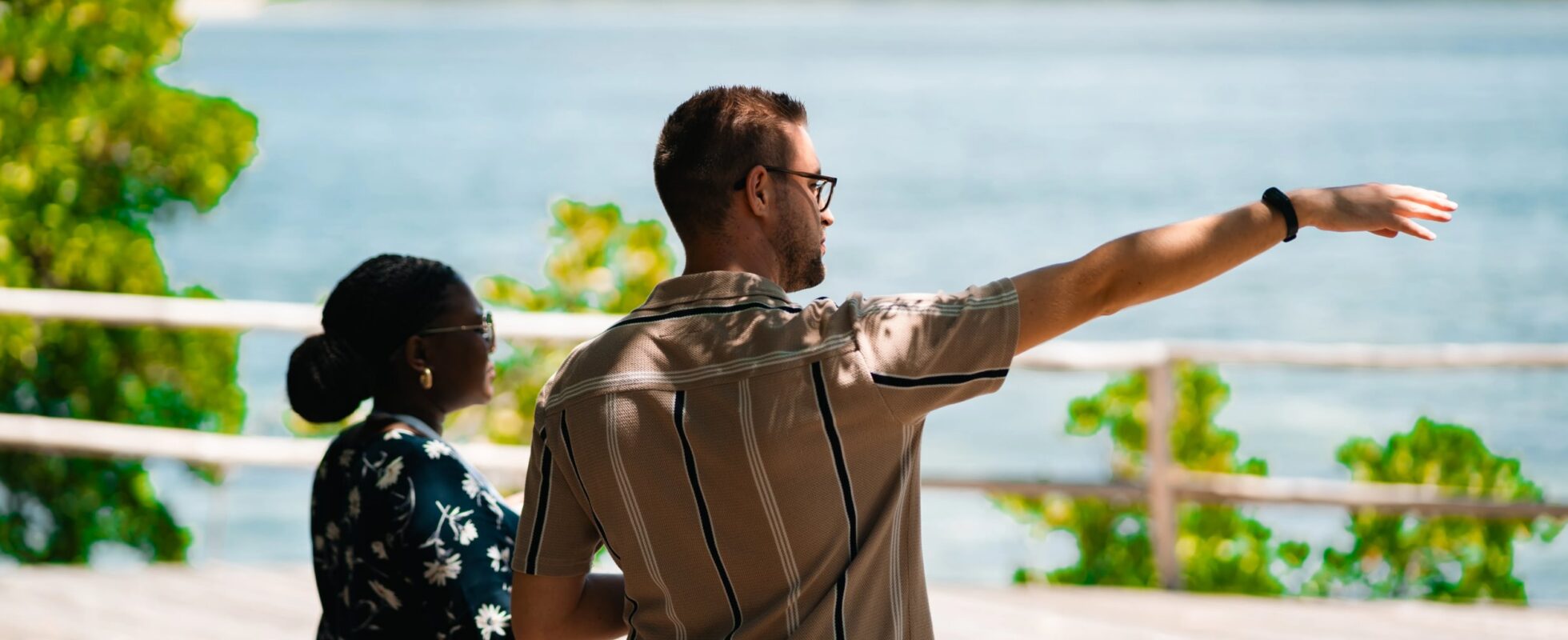
From coral reefs and mangrove waterways to centuries of coastal history, Watamu packs surprising variety into one stretch of shoreline. Spend your days moving between the ocean, hidden corners inland, and a seaside town that still feels connected to everyday local life.


7 July 2026
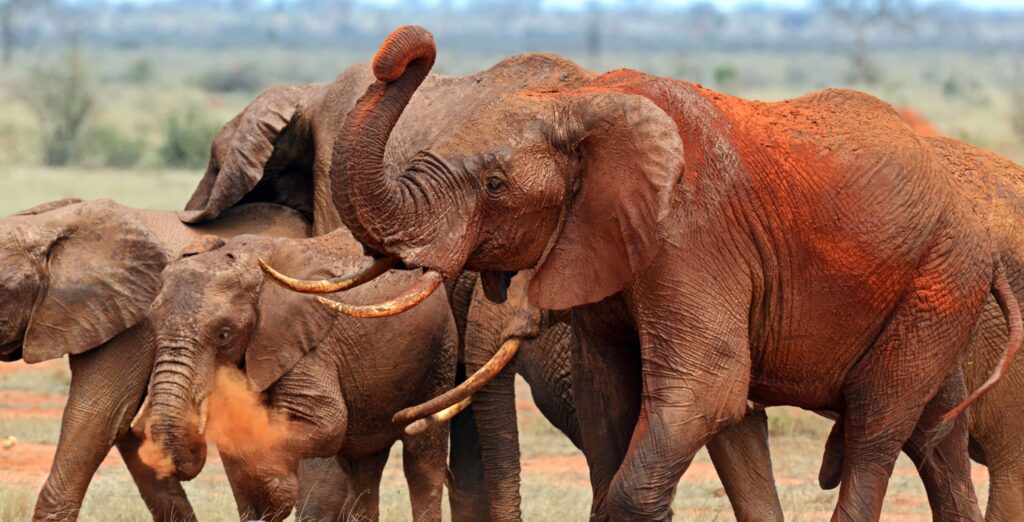
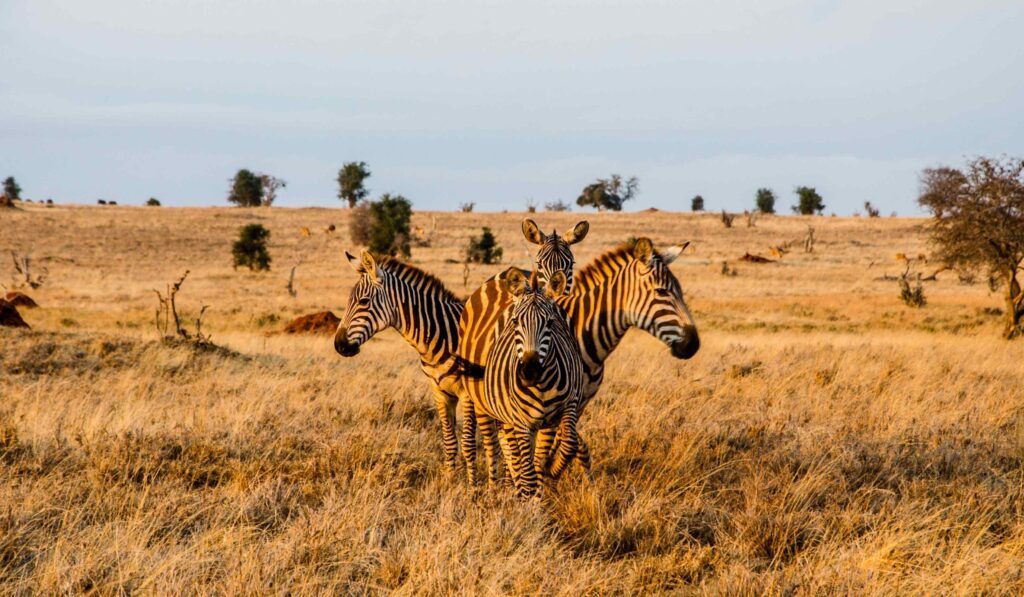
Mention Kenya to most travelers, and the Masai Mara National Reserve comes to mind: wildebeest, big cats, and golden open plains. And yes, all of that is worth every bit of its reputation. But there’s a stretch of coastline 100 kilometers north of Mombasa that quietly does something remarkable: it combines a protected marine park, ancient ruins, mangrove creeks, turtle nesting beaches, and a laid-back fishing village atmosphere into one place that most people have never heard of.
That place is Watamu.
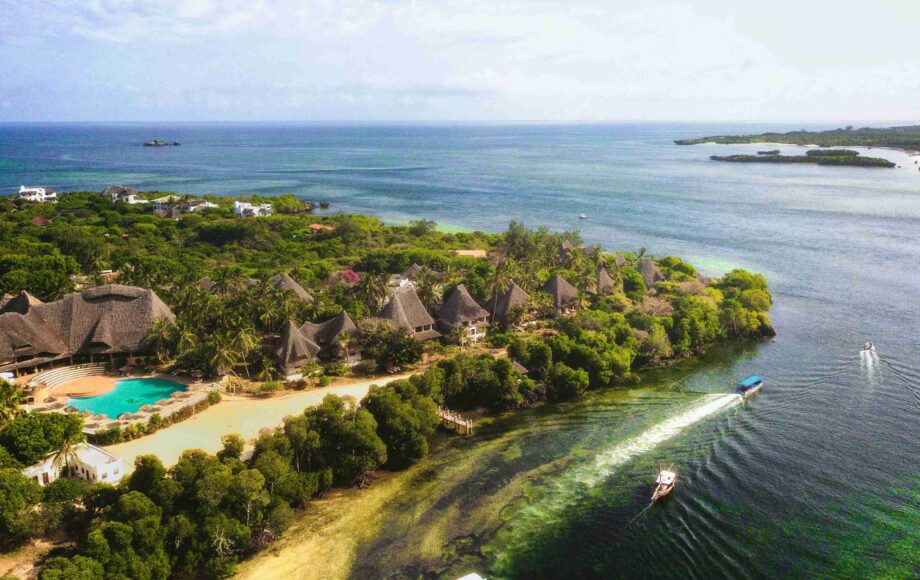
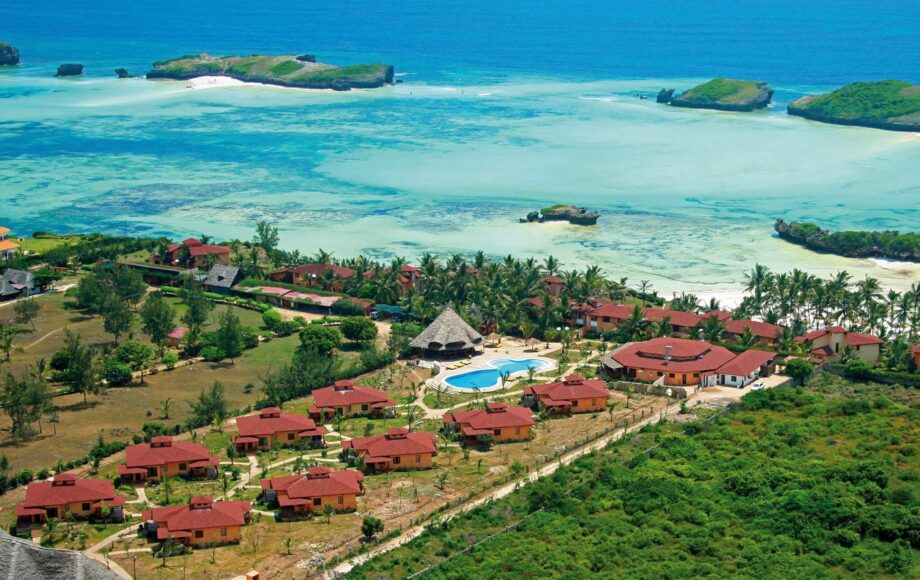
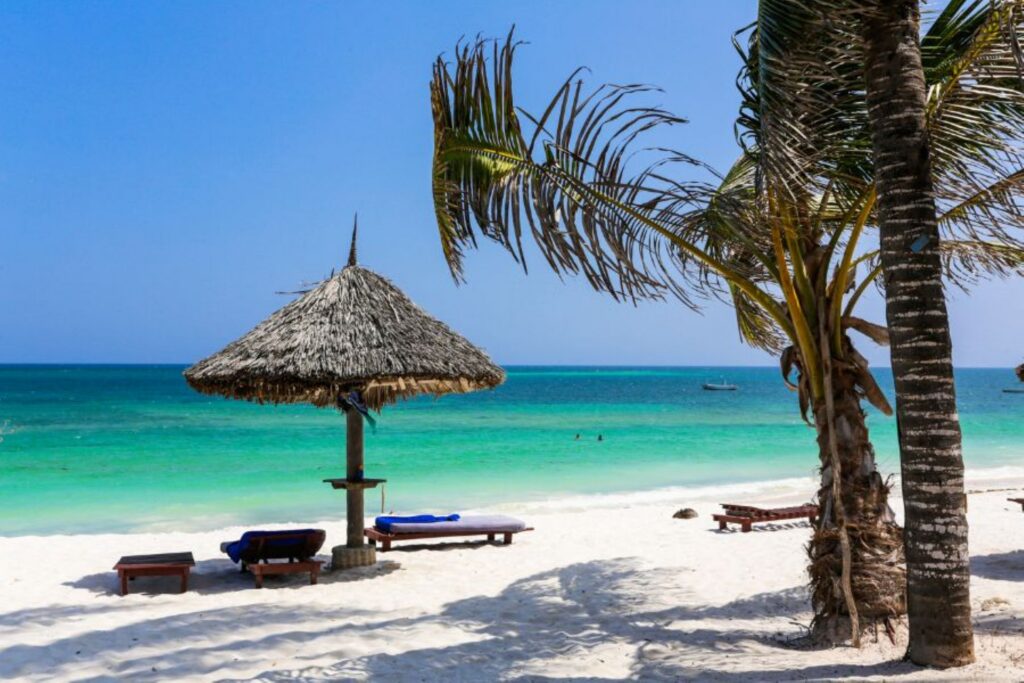
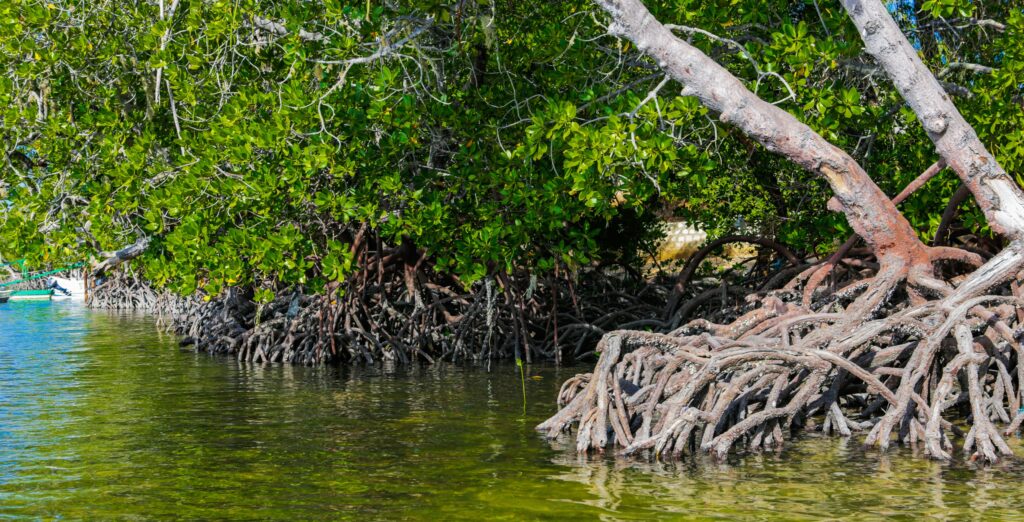
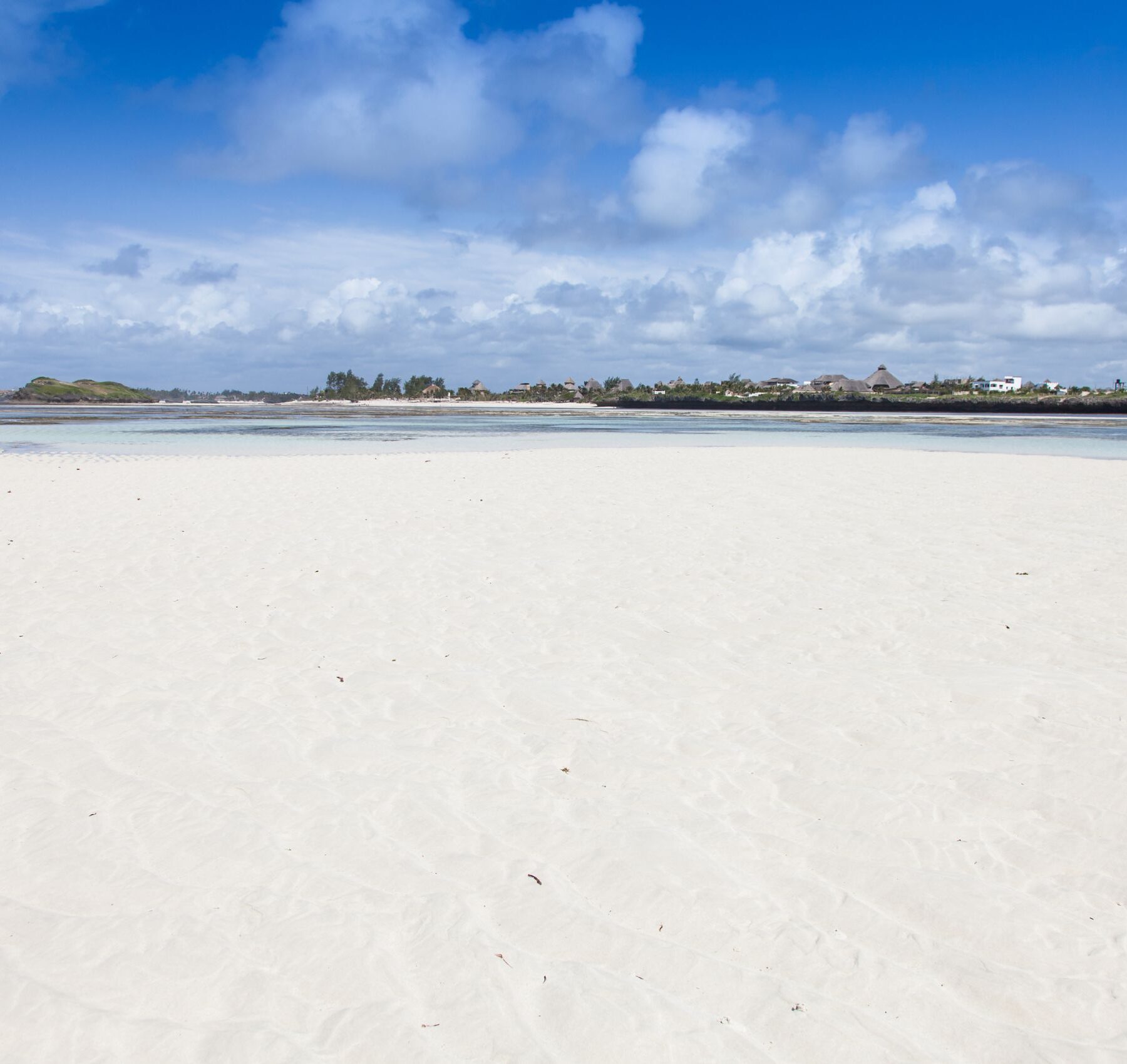
Watamu is located inside the Malindi-Watamu-Arabuko Sokoke Biosphere Reserve, a UNESCO-recognized area that includes Watamu Marine National Park & Reserve, Malindi Marine National Park & Reserve, and Arabuko Sokoke Forest Reserve. The waters here are calm, the kind that stays turquoise even under a cloudy sky. Behind the beach, Mida Creek stretches inland, fringed by dense mangrove forests where birds outnumber the boats.
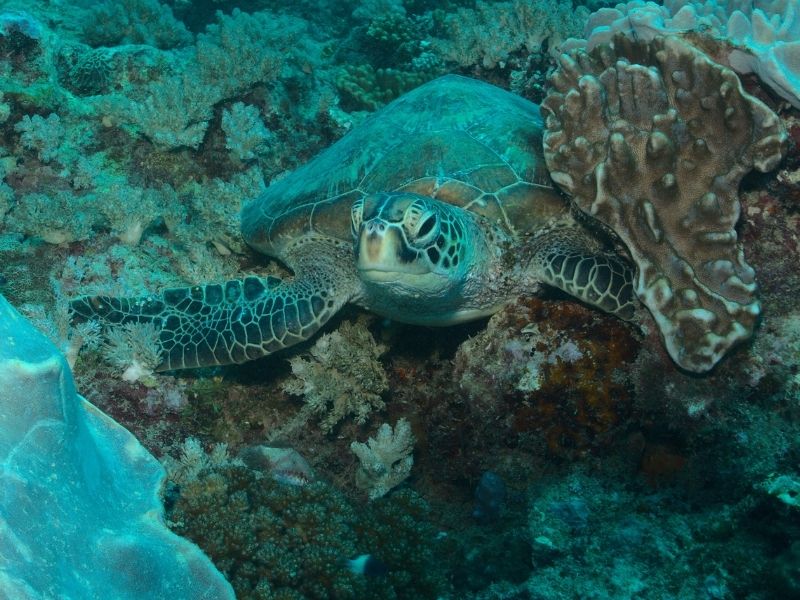
Watamu offers far more than its beach – though the beach is genuinely hard to leave. You can snorkel over coral gardens in the morning, walk through the ruins of a 12th-century Swahili settlement in the afternoon, and watch a green turtle come ashore at dusk, all without traveling for more than 30 minutes. That’s because the town itself is small and low-key, with very few high-rise hotels.
Fishing boats here head out at dawn, and local restaurants serve the fresh catch throughout the day. It feels lived-in, and that’s the charm!
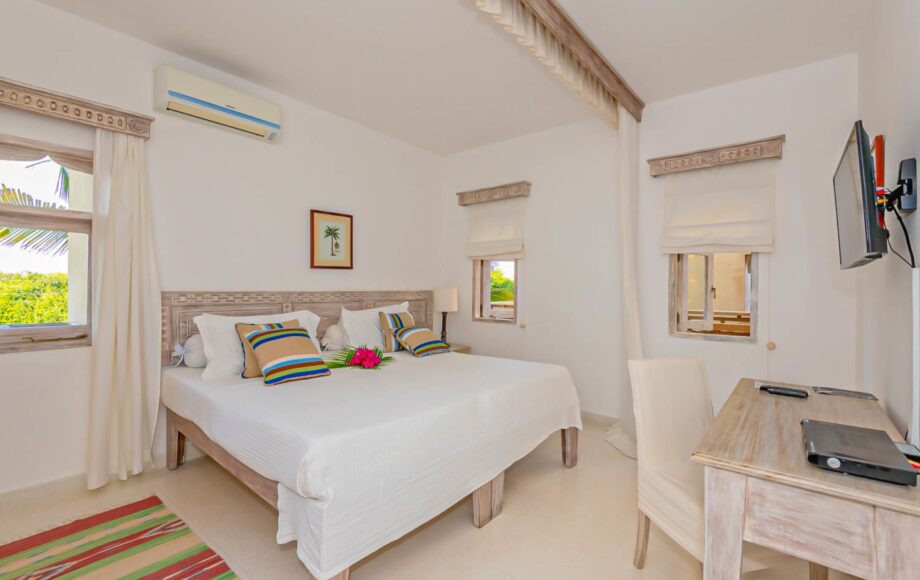
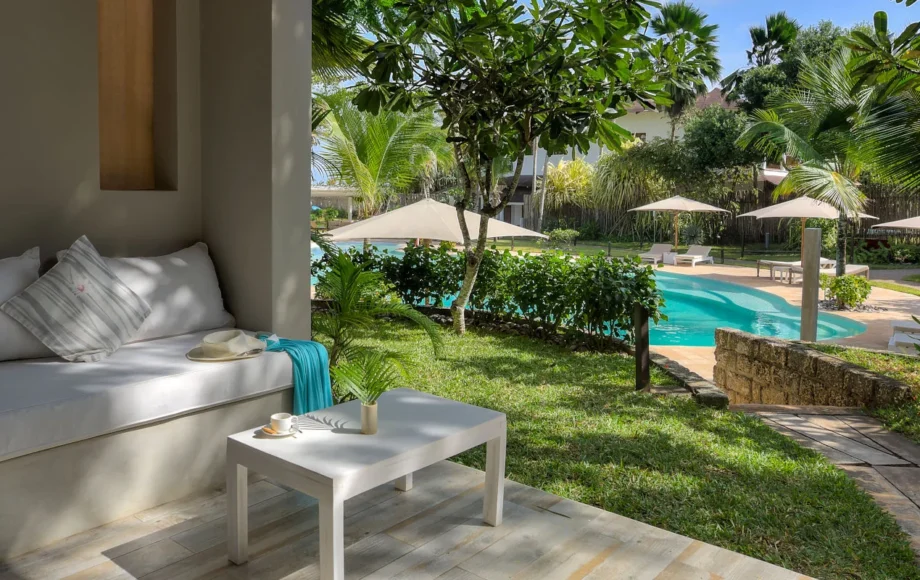
From laid-back beach stays to tucked-away coastal hideouts, Watamu has lodges for every kind of traveler. Here are four worth checking out.
Watamu rewards the curious. The water, the forest, and the history buried beneath it all have something to offer, and most of it is within easy reach.
Snorkeling and dolphin watching in Watamu Marine National Park & Reserve are among the main highlights here. The park protects one of East Africa’s most intact coral reef systems, and on a good day, you’ll share the water with green and hawksbill turtles, spinner dolphins, and reef fish in every color imaginable. Whale sharks pass through seasonally. The glass-bottom boat is a good option if you’d rather stay dry but still want to see what’s going on below.
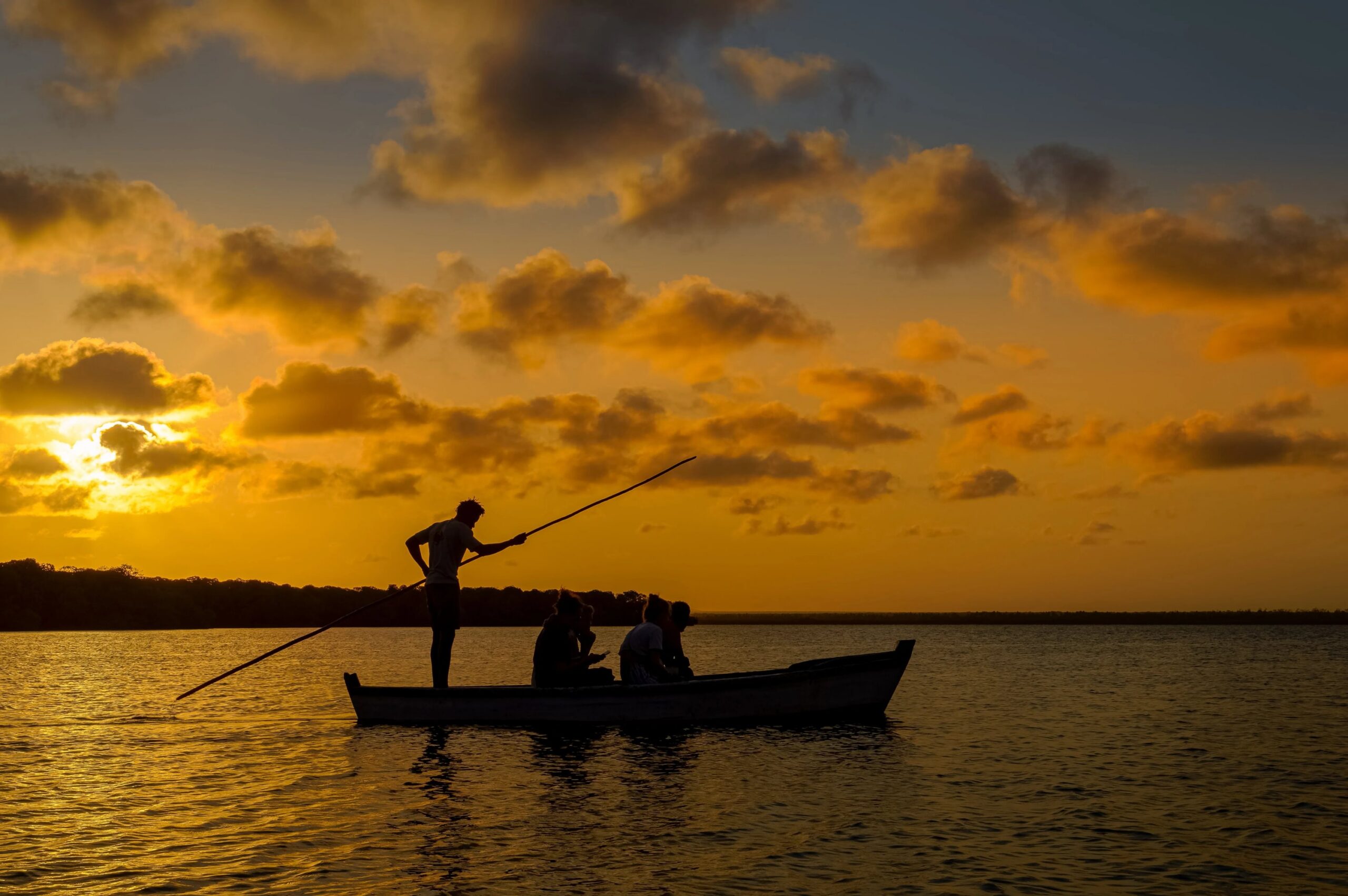
The Mida Creek Dhow Cruise takes you into the mangroves by traditional wooden sailboat, quieter, slower, and a completely different side of Watamu. At low tide, the sandbanks appear, and the birds come out in force.
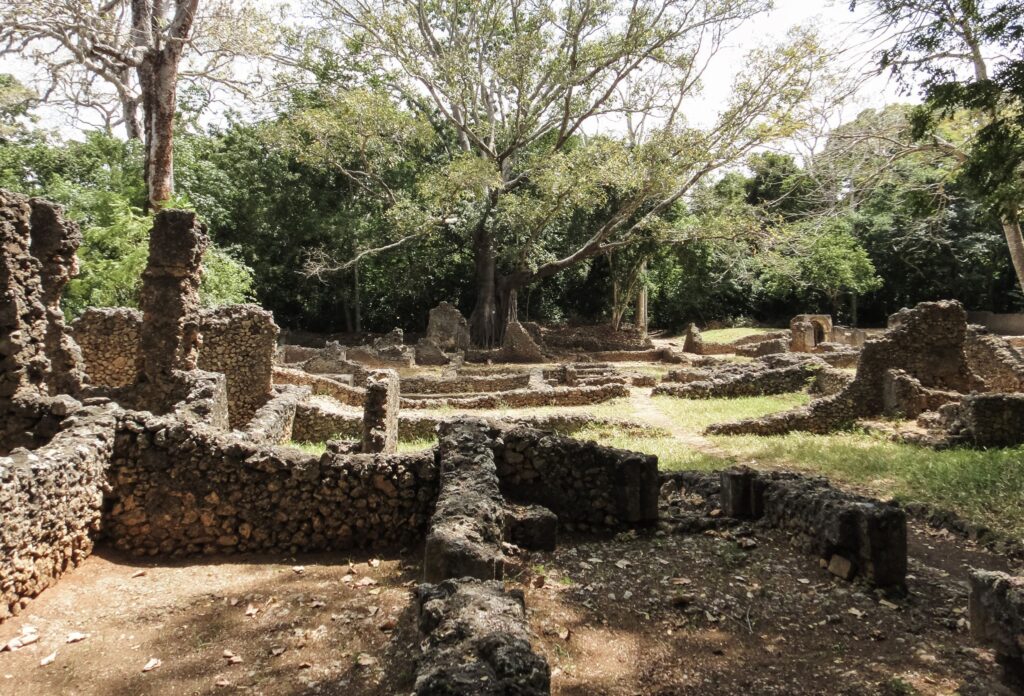
The Gede Ruins are seven kilometers from Watamu and genuinely worth the short drive. This Swahili town was built in the 12th century, abandoned in the 17th century, and slowly reclaimed by the Arabuko-Sokoke Forest. Walking through it today – past mosques, palace walls, and coral-stone houses swallowed by roots – is a strange and atmospheric experience. Archaeologists have found Chinese porcelain, Indian beads, and glassware here, evidence of just how connected this coastline once was to the wider trading world.
For something a little more offbeat, the Bio-Ken Snake Farm in Watamu town is run by a professional herpetologist and houses some of East Africa’s most venomous species, including black and green mambas, puff adders, and cobras. It’s part education center, part antivenin research facility. Genuinely interesting, not just a tourist trap.
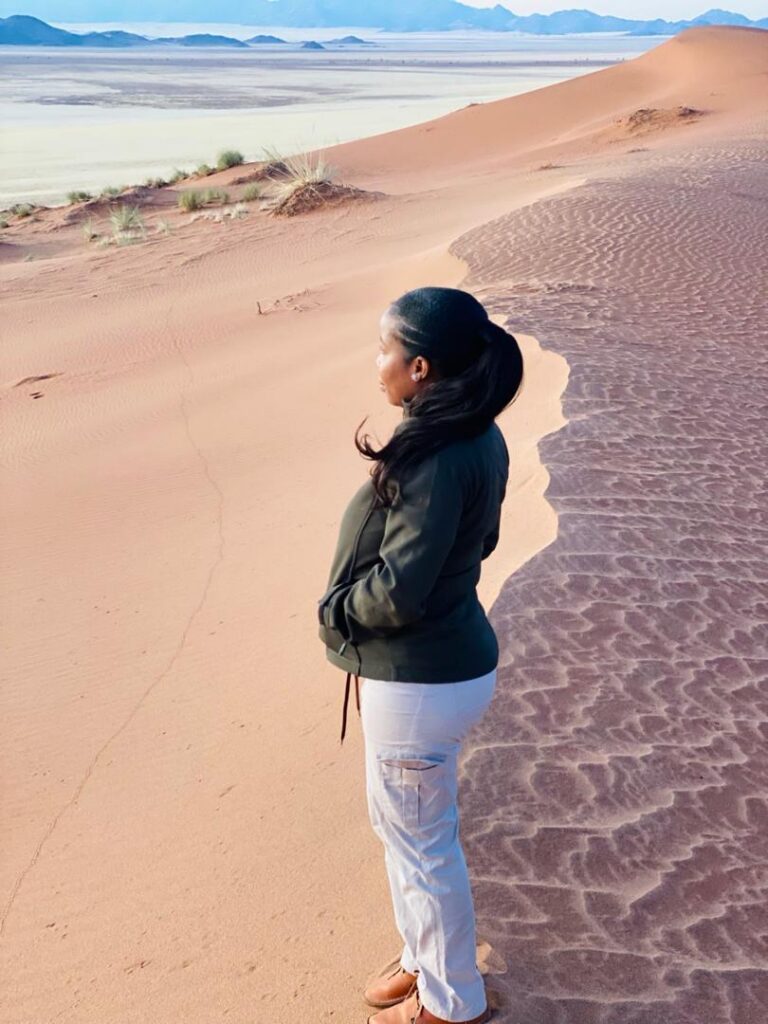
If you have more time, the Mambrui Sand Dunes, just north of Malindi, are an unexpected gem – rolling dunes right on the edge of the coast, dotted with baobab trees and far less visited than they deserve to be. Nearby, the Marafa Depression (better known as Hell’s Kitchen) features a dramatic canyon of red and white sandstone eroded into ridges and spires. It’s especially magical at sunrise or sunset when the colors glow.
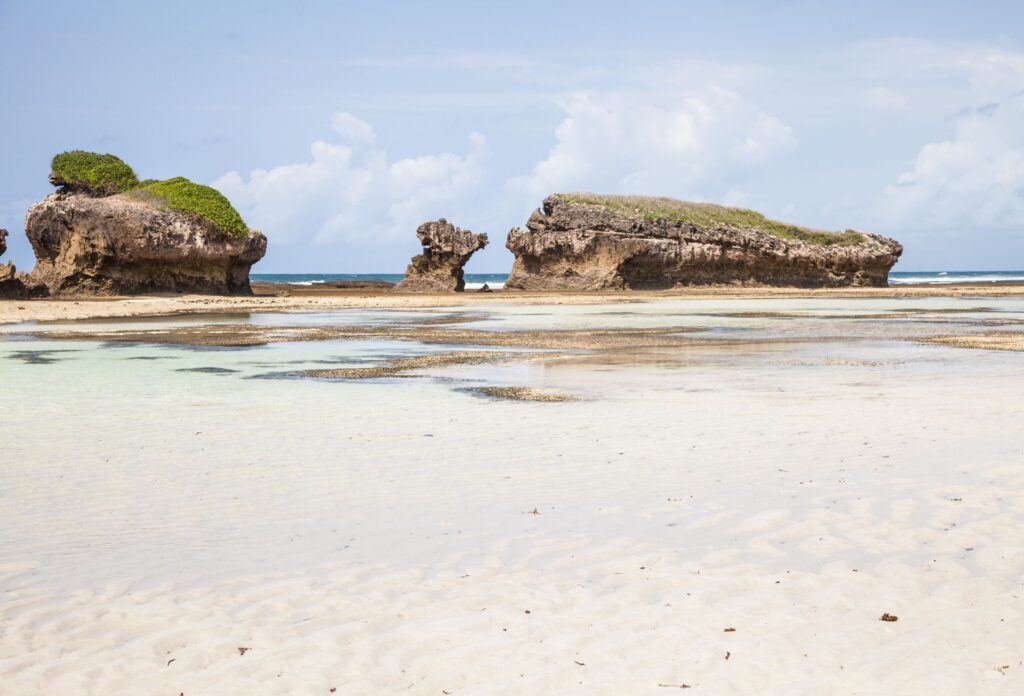
Watamu is that rare destination that delivers both serenity and discovery in equal measure. It’s a place where white-sand beaches, rich marine life, ancient history, and genuine local character exist side by side. It’s far from the crowds yet surprisingly easy to reach. Once you experience it, you’ll understand why so many visitors keep it as their own well-guarded secret.
Most travelers fly into Malindi, just 15 kilometers away, or drive up from Mombasa. Three to five nights allow you enough time to cover the highlights without rushing – though many find themselves wanting to stay longer.
Explore these itineraries that combine game drives in Kenya’s leading parks with beach time in Watamu.
Receive a free, no obligation quote
Start planning your dream trip