

Cheetah walking through the dry yellow grass in Namibia
Adventure
Self-drive safari
Lodge

15-day self-drive safari in Namibia: history, desert & wildlife – Gold

From $4,476 USD* / Namibia's northern highlights / 15 days

*price p.p. incl. rental car and hotels, excl. international flight (based on six persons)

Itinerary

Exploring all that Africa has to offer is a dream for many. From epic Kenya safari adventures spotting Africa’s Big Five, going on a Gorilla trekking in Uganda or relaxing at Diani Beach: Africa has it all. Good news: Africa Safari Trips can build a custom-made itinerary that suits all your wishes.

Our most popular itineraries can help you find some inspiration. A lot of our clients love to end their exciting safari with a few days of relaxation on Africa’s most stunning beaches. Would you like that as well?

Whether you choose one of our popular itineraries or prefer to customize your journey, we are here to assist you. Come aboard and get ready to explore Africa at your own pace, exactly the way you like it!
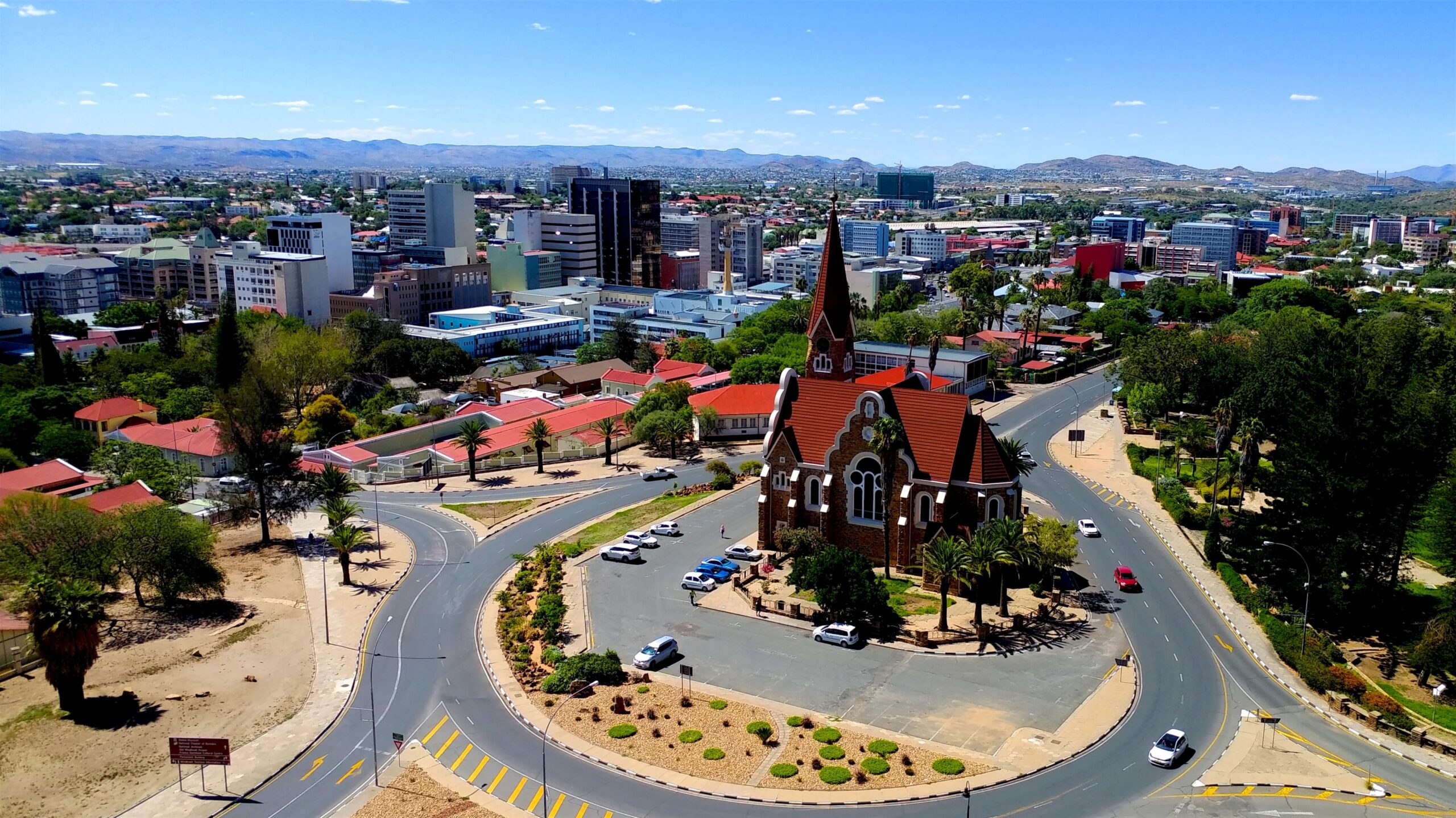
Day 1

Arrival at Hosea Kutako International Airport in Windhoek

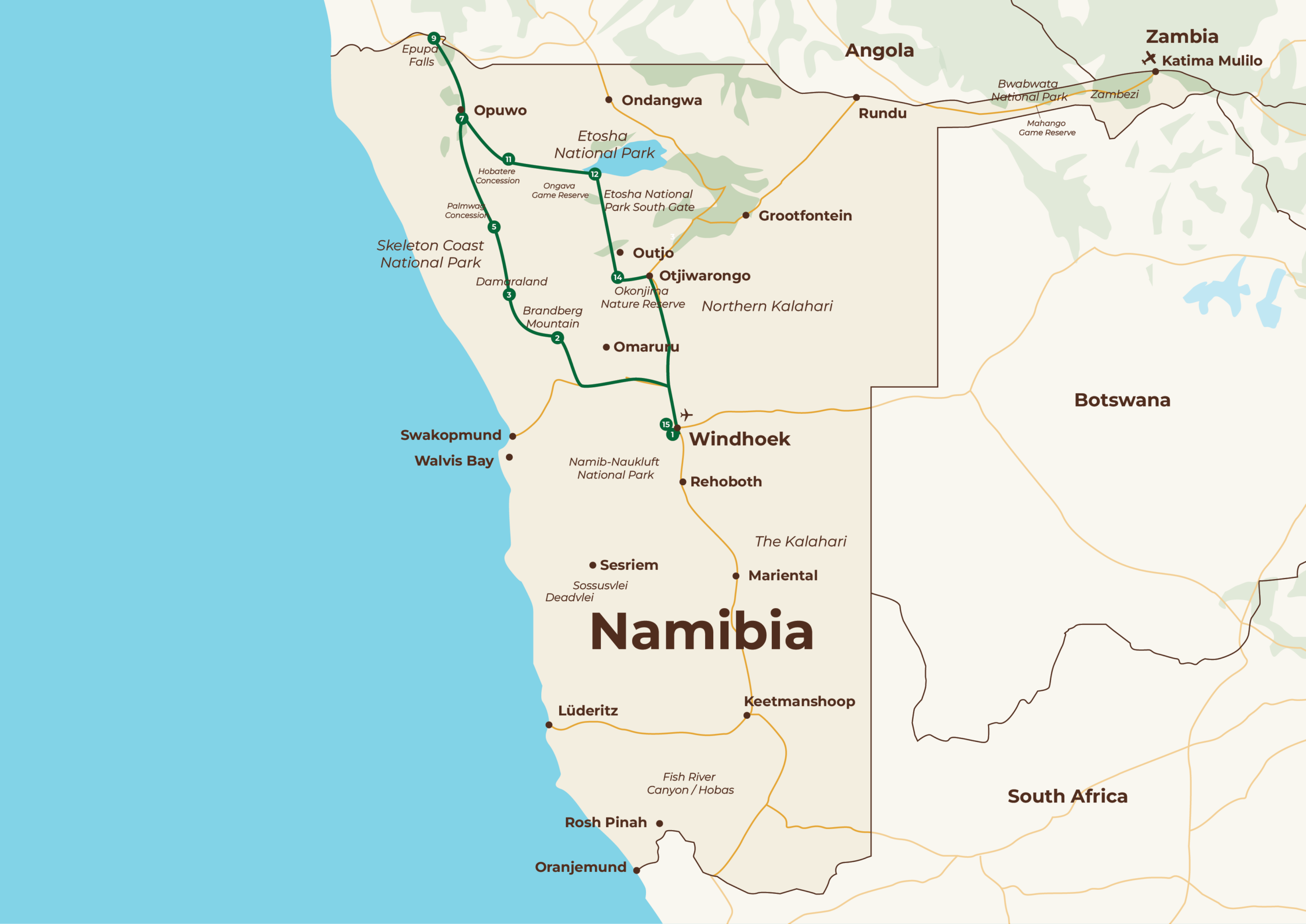
As you step off the plane at Hosea Kutako International Airport, the dry desert air hits you right away - a quick taste of the landscapes that await. After clearing immigration and collecting your luggage, you'll be met by a representative of our office. Whether you're spending your first night in Windhoek or heading straight to your next destination, today is all about settling into the country's rhythm. Namibia is made for self-drive travel: open roads, vast horizons and plenty of space to explore at your own pace. Over the coming days, you'll journey through some of Africa's most spectacular scenery, from towering dunes and rugged mountains to wildlife-rich national parks and dramatic coastlines.

Activities:

Accommodations:

Day 2

Brandberg

Brandberg is a mountain range in northwestern Namibia, rising above the plains of Damaraland and forming the country’s highest massif. Its highest point, Königstein, reaches 2,573 metres above sea level and was named by German explorers, with the name meaning “King’s Stone”. The range often glows red in the light of the setting sun, giving it the name Brandberg, or “burning mountain”. Beyond its striking landscape, Brandberg holds one of Namibia’s largest collections of ancient rock art, with thousands of paintings created by San communities over thousands of years. Among them is the well-known White Lady, which you can visit on a guided walk through the Tsisab Ravine.

Activities:

Accommodations:

Day 3 - 4

Damaraland

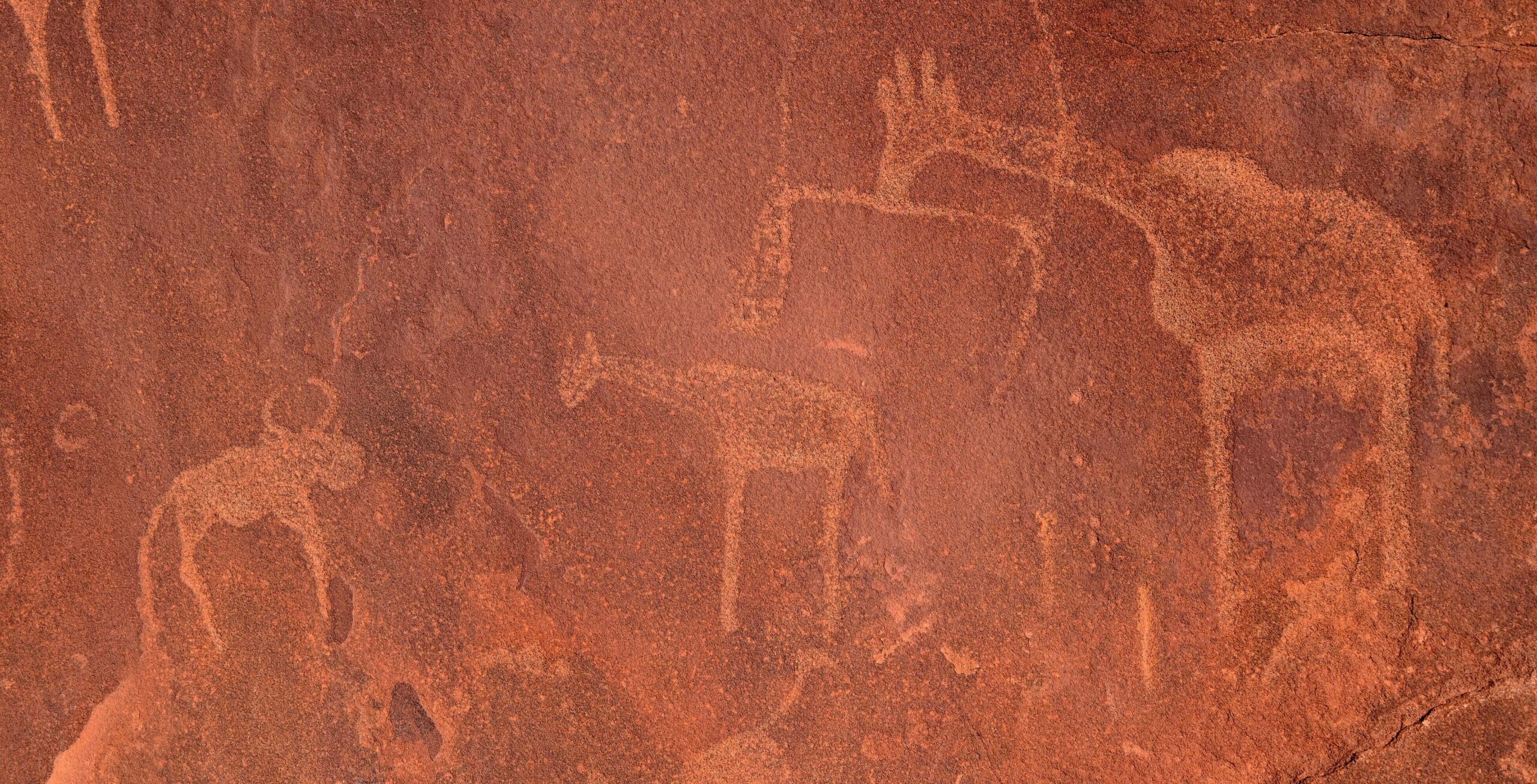
Damaraland is one of Namibia’s most distinctive regions, stretching across a remote landscape of rocky desert shaped by ancient volcanic activity. Known for its desert-adapted wildlife, it offers sightings of elephants, rare black rhinos, giraffes, leopards, and even desert lions, all moving freely across open terrain. Places like Twyfelfontein reveal thousands of ancient rock engravings, while landmarks like Brandberg Mountain rise dramatically above the plains.

Activities:

Accommodations:

Day 5 - 6

Palmwag Concession

The Palmwag Concession is a 550,000-hectare protected area in northwestern Namibia, known for its basalt landscapes on the Etendeka Plateau and home to more than 70% of the world's free-roaming black rhinos, alongside desert-adapted elephants, lions, giraffes and other predators. You explore it by self-drive or guided tour, and a 4WD vehicle is needed for the riverbeds and canyons. Wildlife spreads out over a large area, so a rhino-tracking excursion or a patient game drive gives the best chance of a sighting - and Twyfelfontein and the Hoanib Valley are both within easy reach!

Activities:

Accommodations:

Day 7 - 8

Opuwo

In the far north-west of Namibia, where roads become rougher and the wilderness stretches a little further, lies Opuwo, the capital of the Kunene region and gateway to the Kaokoland. This is the last major hub before heading deeper into the north, so fuel up, stock up and make sure you have everything you need. Its name means “the end” in Herero, which is quite fitting, given that beyond Opuwo, things start getting seriously remote. But there's much more. It's the cultural heartland of the Himba, one of Namibia’s most distinctive communities, still maintaining strong connections to traditional ways of life. In Opuwo, however, tradition and modern life don’t exist in separate worlds - they share the same streets. Visit a traditional homestead with a local guide and get to know the Himba heritage.

Activities:

Accommodations:

Day 9 - 10

Epupa

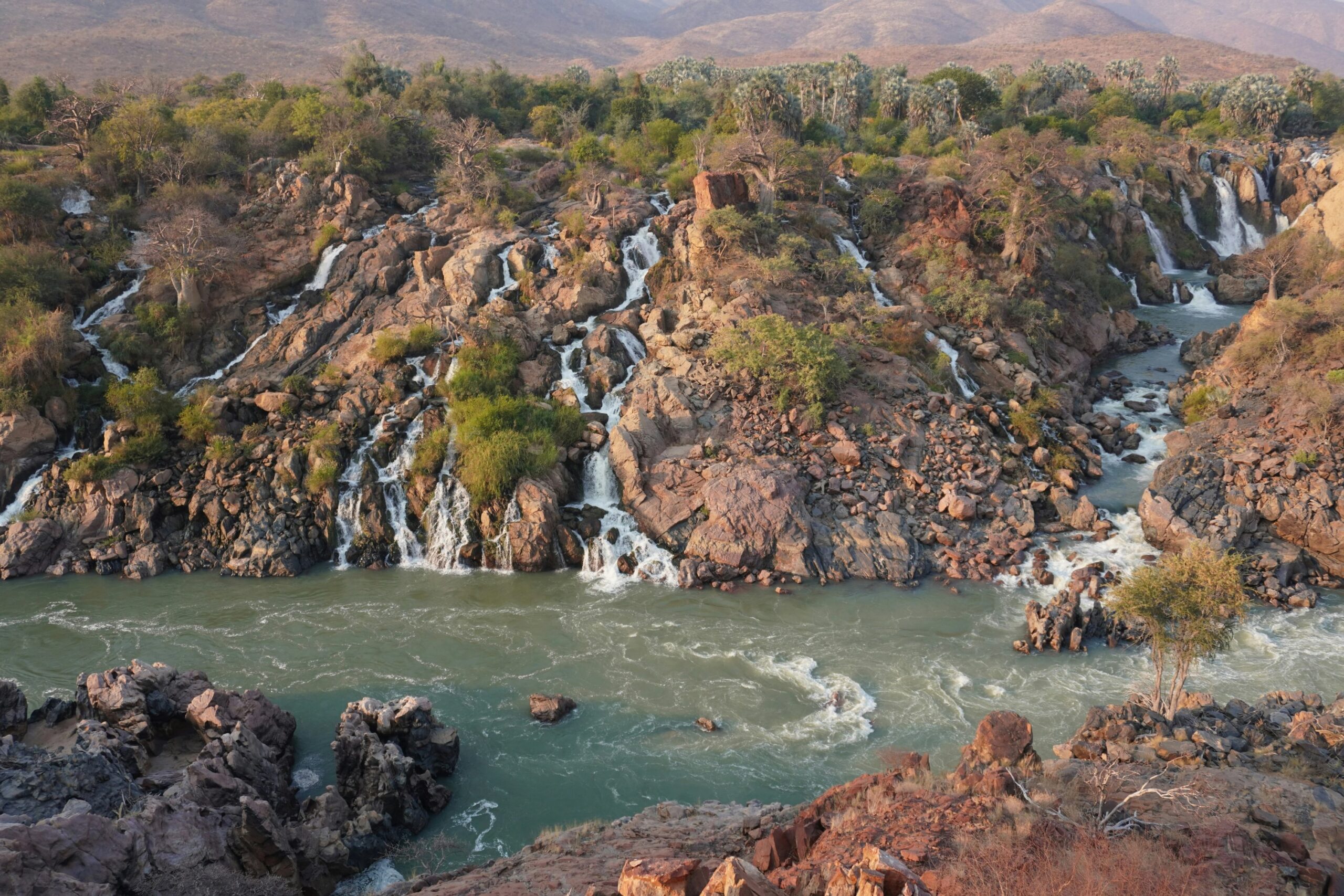
Epupa means “foam” in Herero, referring to the spray created as the Kunene River flows over rocks along the Namibia-Angola border. The river splits into channels and falls across about 1.5 kilometres, with the largest drop reaching 37 metres. Along the river, you find a small settlement with Himba homesteads, shops, a clinic, school, campsites and lodges, while cattle and goats remain central to daily life. This is a remote part of the Kaokoveld, with power from solar panels and generators and patchy mobile reception, so expect few modern services.

Activities:

Accommodations:

Day 11

Hobatere Concession

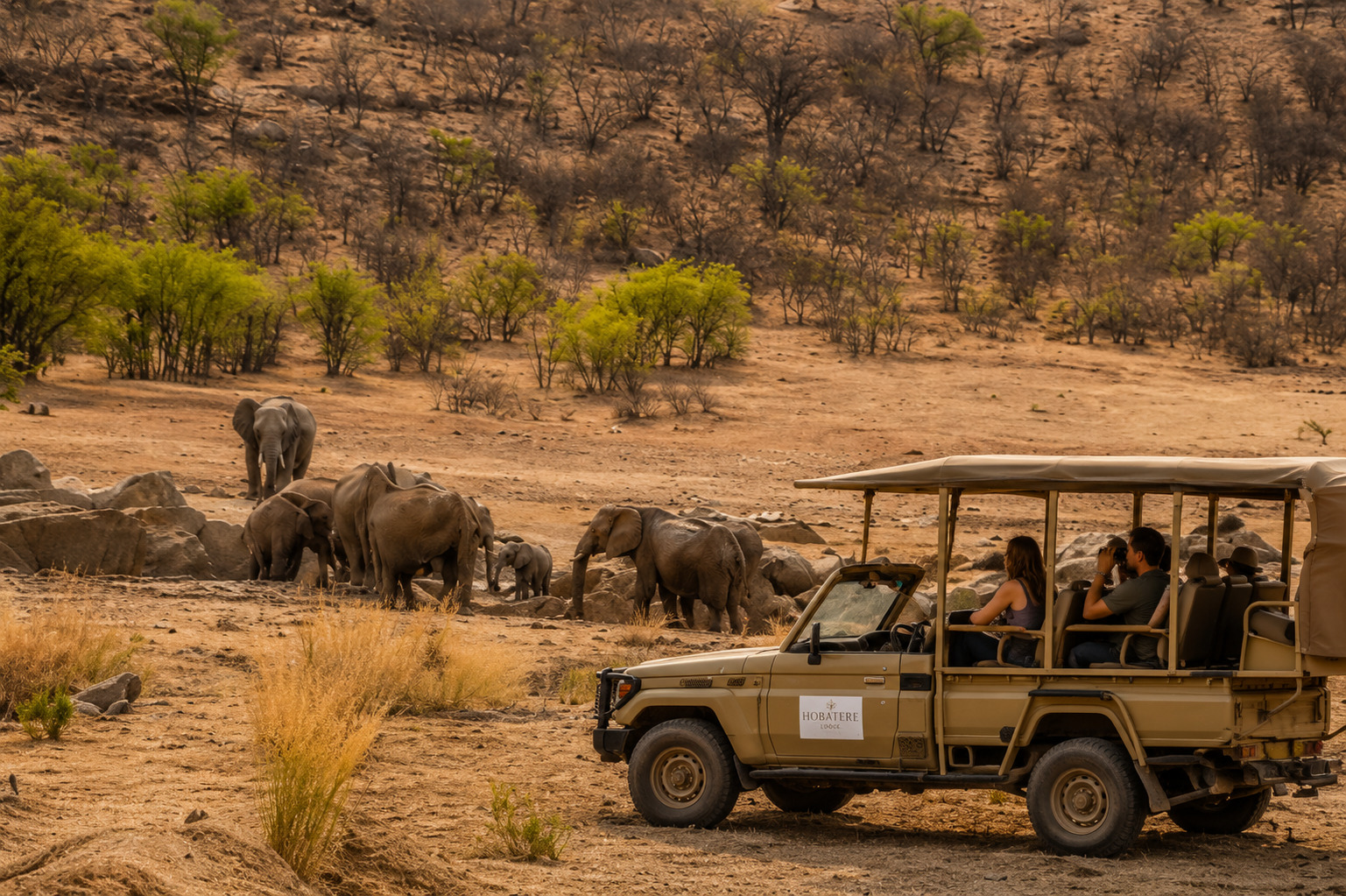
Just west of Etosha National Park lies the Hobatere Concession, a 320 square kilometre wilderness area where savannah, mopane woodland and rolling hills create a very different feel from Etosha’s wide open plains. Wildlife moves freely between conservancies, and the area is home to elephants, lions, leopards, cheetahs, giraffes, zebras and a good variety of antelope. The difference? Hobatere feels much more intimate and off-the-beaten-track. As a private concession, Hobatere isn’t bound by any restrictions, which opens the door to different safari experiences such as bush walks and night drives. It also forms part of an important wildlife corridor west of Etosha, so in other words, Hobatere is the quiet neighbour who knows all the best shortcuts (and has a few extra tricks up its sleeve).

Activities:

Accommodations:

Day 12 - 13

Etosha National Park

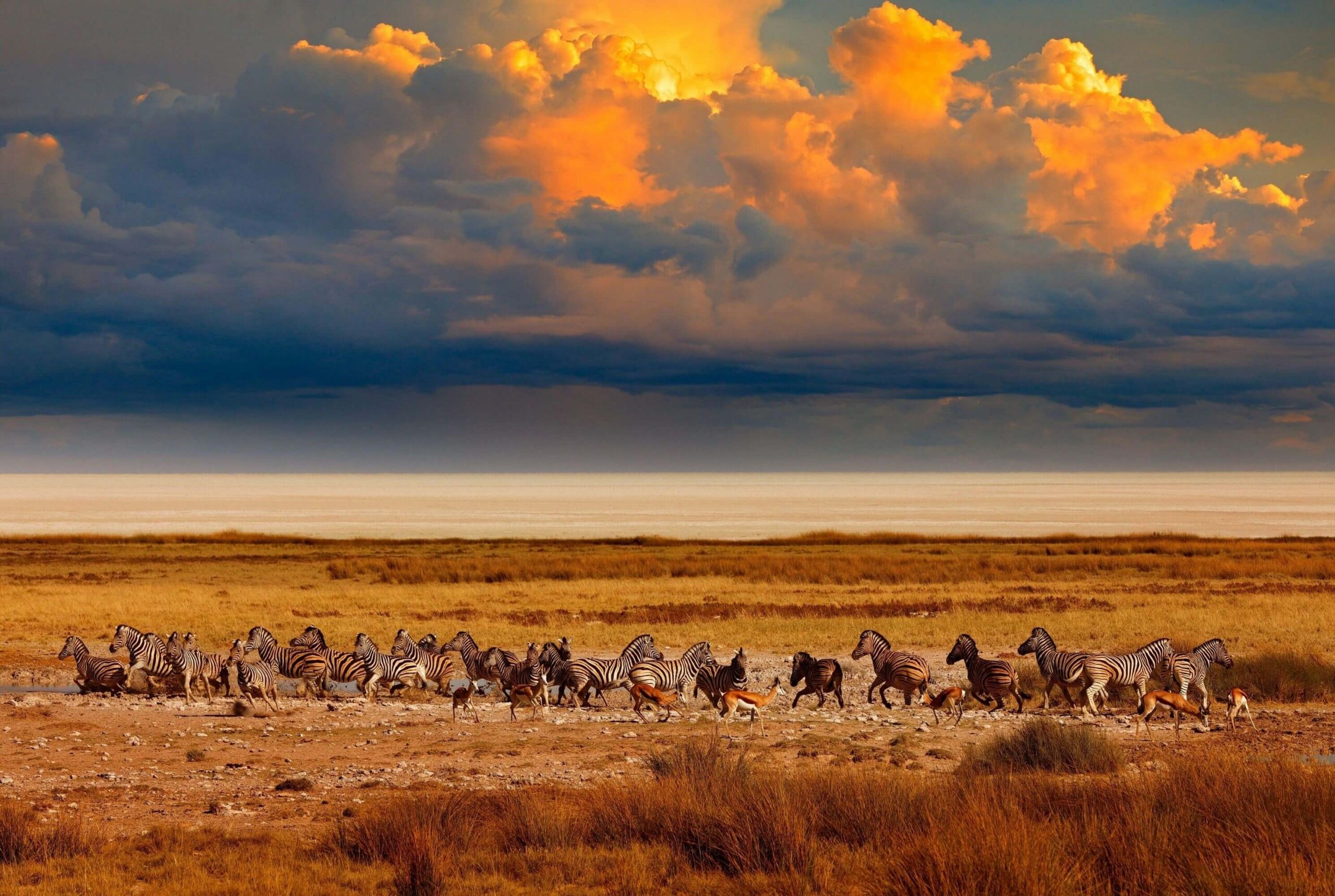
Etosha National Park is Namibia's premier wildlife destination, built around a vast salt pan in the country's north. Four of the Big Five roam its 22,270 square kilometres, including one of Africa's largest black rhino populations, and the park's iconic floodlit waterholes deliver some of Africa's most reliable game viewing. The park divides into four distinct sectors, and no two visits are quite the same. Whether you visit in the dry season for intense waterhole action or the wet season for a flamingo-filled pan, Etosha rewards year-round.

Activities:

Day 14

Okonjima Nature Reserve

Okonjima Nature Reserve covers 22,000 hectares in central Namibia between Windhoek and Etosha National Park, making it a popular stop for travellers. Once cattle farmland, it was fully fenced in 2010 and restored as a wildlife sanctuary featuring savannah, woodland, acacia thickets and rocky hills. Closely tied to the AfriCat Foundation, the reserve focuses on carnivore conservation (especially leopards and brown hyenas) while also offering rare chances to see pangolins. It supports giraffe, zebra, wildebeest, kudu and other antelope, along with more than 250 bird species.

Activities:

Accommodations:

Day 15

Flight back home from Hosea Kutako International Airport

As you board your flight home from Hosea Kutako International Airport, take a moment to look back on your time in one of Africa’s most striking countries. From endless dunes and dramatic desert landscapes to unforgettable wildlife encounters, Namibia leaves plenty of memories to take home. We hope you’ve enjoyed every kilometre of the journey. Safe travels!