People of Namibia
The people of Namibia are just as diverse as the country itself and have inhabited this land for thousands of years. From ancient traditions to modern lifestyles, from healing techniques to survival skills: learn more about Namibia’s unique tapestry of cultures, and find out where you can catch a glimpse into their lives from way back when.



- Tailor-made safaris by true Africa specialists
- 5-star customer reviews
- Fair prices. Exceptional quality.

Ancient Cultures in Modern Times
With 1.5 people per square kilometre, Namibia has one of the world’s lowest population densities. Even though there might not be many people in Namibia, there are many ethnic groups, some having numerous subgroups. The biggest ones are represented by the twelve rays of sun on the Namibian flag.
Of course, we’d love to shed light on all of these fascinating groups and their ancient cultures. With space being scarce, however, we’re focusing on three tribes that not only fascinate with their history, culture, and traditions, but whom you can also visit: the Himba, the Damara, and the San.
The Himba
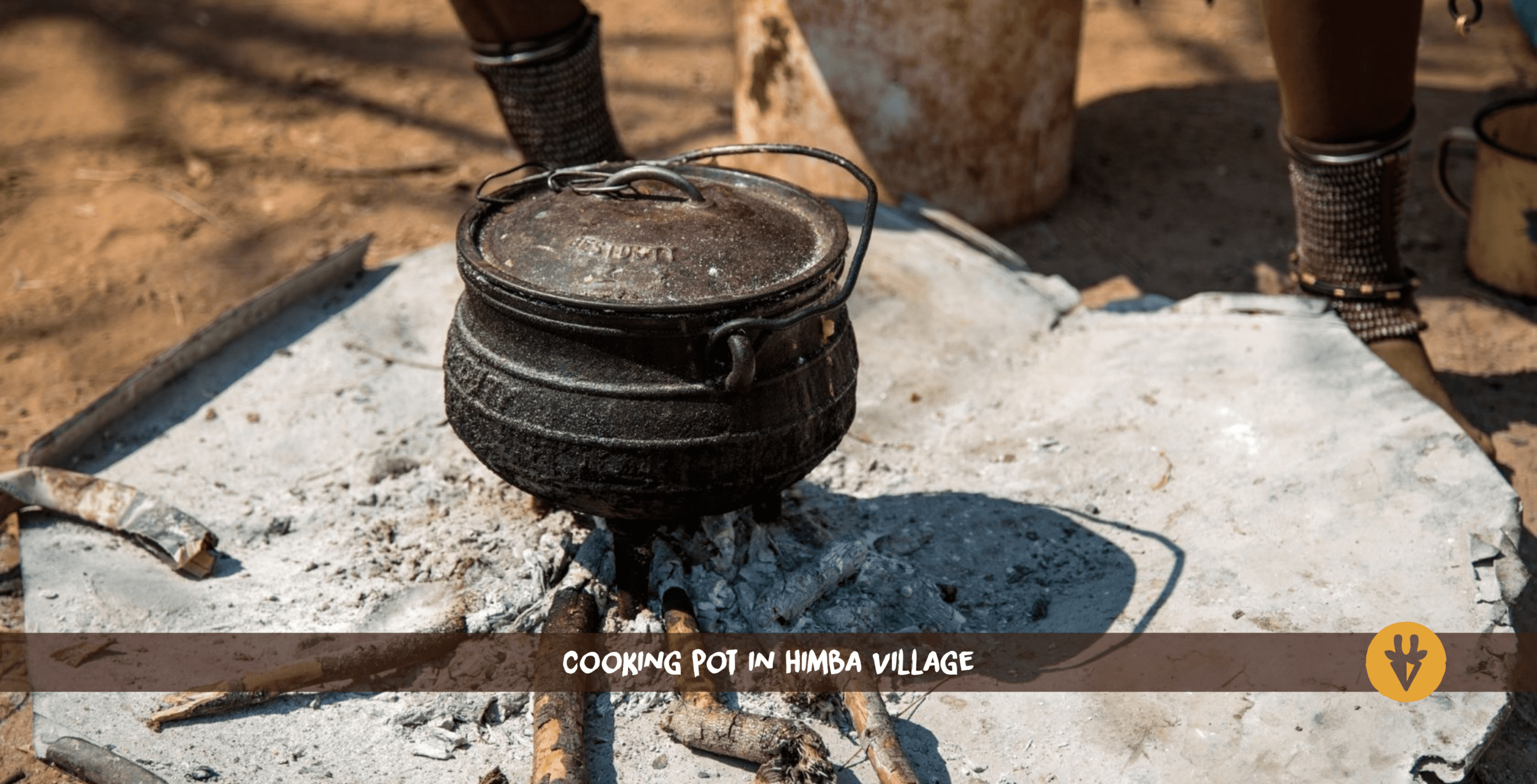
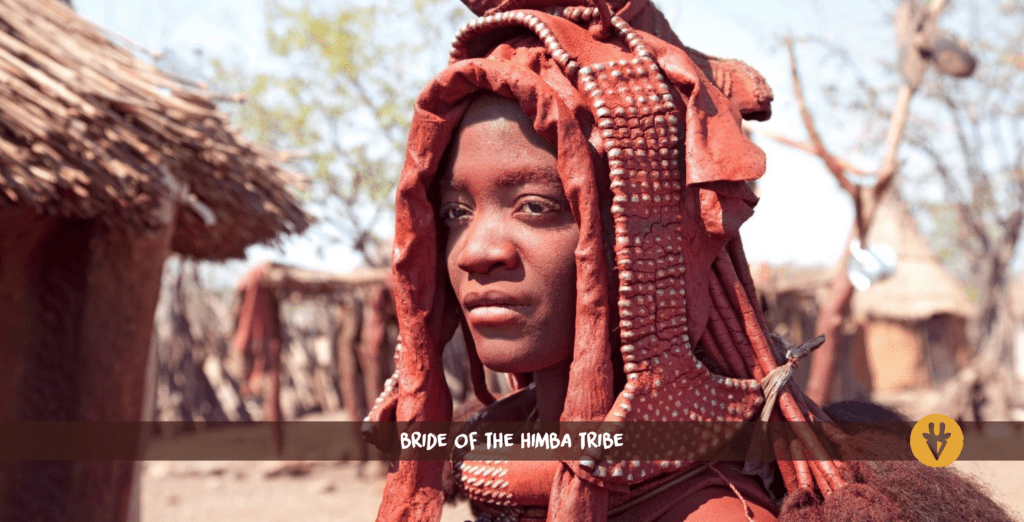
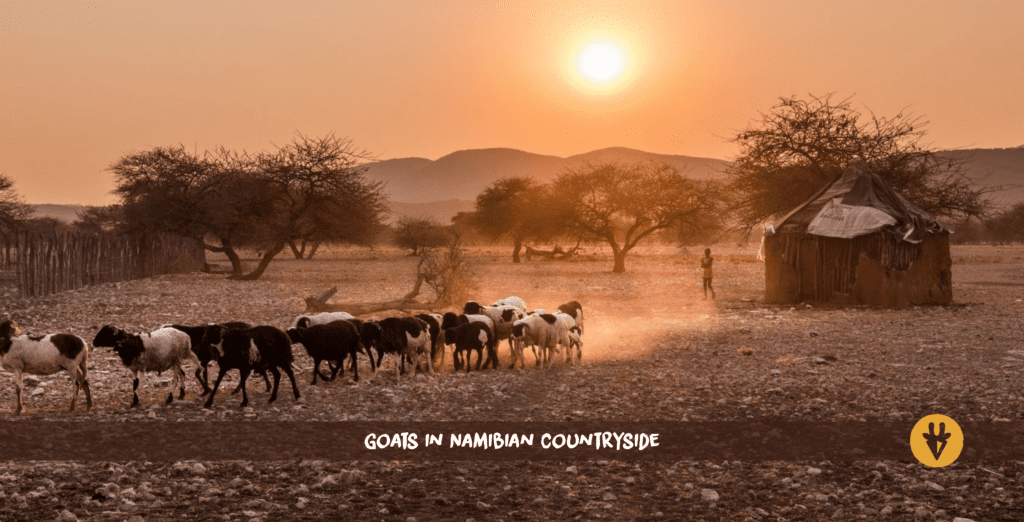
Around 50,000 Himba, or Ovahimba, live in the Kunene region in the northwest of Namibia. Descending from the Herero, they came to this special fleck of land in the 16th century and until today, live a semi-nomadic lifestyle focusing on breeding cattle, goats, and sheep. Their connection with the Herero can still be seen in the language they speak: OtjiHimba is a dialect of Otjiherero, a Bantu language.
Himba Traditions
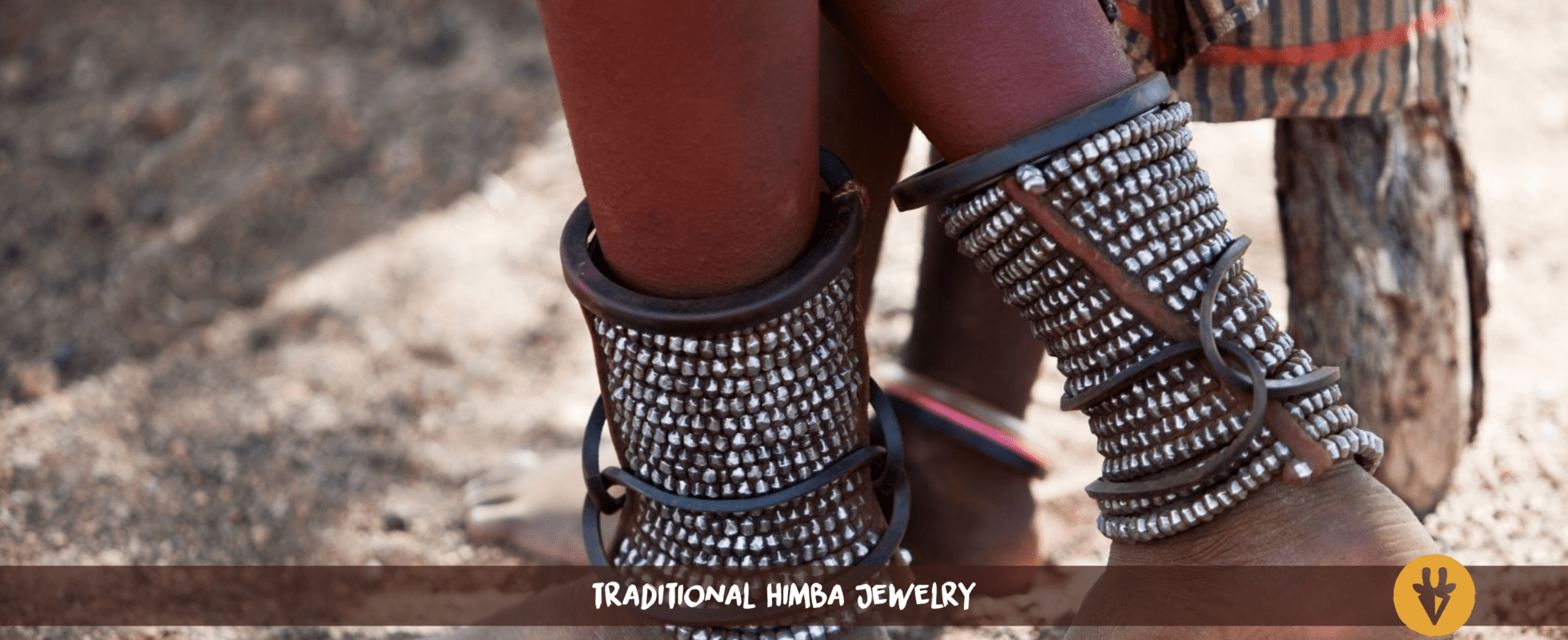
The Himba are most famous for their striking look. Every day, the women apply a red-orange cosmetic paste of butterfat and ochre called otjize to their skin and hair. Not only does it serve as sunscreen and insect repellent, but it also symbolizes the earth’s red colour and blood, the essence of life.
Before applying otjize, the family members cleanse themselves with smoke from herbs placed on the coals of a fire in their homestead. This sacred fire is called okuruwo and besides opening the pores for the otjize, it also links them to their ancestors.
Today the Himba also go to supermarkets, doctors, and some kids go to boarding schools. Still, they keep ancient traditions and their connection to nature alive: as custodians of the Purros Conservancy, they share their land with some of the world’s last desert-adapted giraffes.
The Damara
Together with the San, the Damara are regarded as one of the oldest in Namibia. And with around 219,000 Damara, they make up 8.5% of the Namibian population. Their original home lies in the northwestern Erongo region around Khorixas and Brandberg, where the hunter-gatherer tribe herded cattle, sheep, and goats. However, they’ve always been skilled in copper smelting, making them one of the few groups in southern Africa working with metal before European contact.
Interesting Facts
- The Damara express cultural narrative through artistry like beadwork, basket weaving, leatherworks, and ceremonies with music, dance, and storytelling.
- Their language Khoekhoegowab is a Khoe language with a unique combination of click consonants.
- Their exact origins are a mystery: there are no known cultural relationships with other ethnicities in Africa.
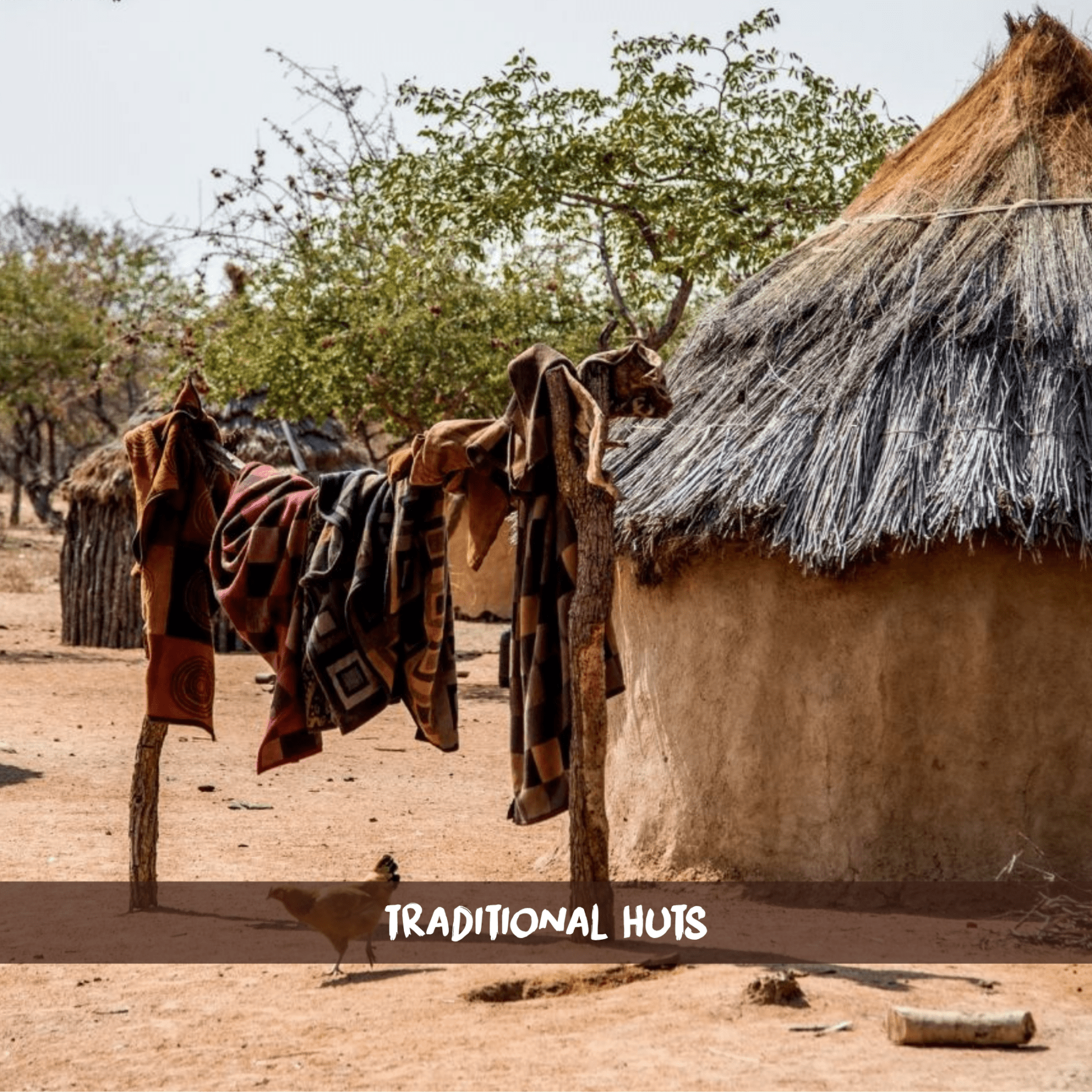
While some Damara cling to their traditional way of life, living in huts made of brushwood and clay, herding cattle and goats, and farming crops, others have adapted a more modern lifestyle and live in Namibia’s cities. This also means that the knowledge handed down from one generation to the next by the old healers is gradually lost. However, there are efforts to revive and preserve this precious culture.
Unforgettable journeys
Discover the routes that take you to these unique regions and close to ancient cultures.
- Namibia From $2,261 USD*
10 days Namibia: Nature and Wildlife Galore
Greenery, salt pans & wildlife
- Namibia From $5,383 USD*
16 days Namibia: all highlights
Nature, history, wildlife & more
- Namibia From $3,343 USD*
15 days Namibia: extroardinary variety
Captivating northern highlights
- Namibia From $2,409 USD*
8 days Namibia: diverse and unique
Dunes, pans, history & wildlife
Meet the People
There are several activities that connect you with the Himba, Damara, and San. While some of these places are actual villages, like the Himba, others are a site to show traditional life, like the Damara Living Museum. Nevertheless, you can get a glimpse into these ancient cultures and see life from an entirely different perspective.
The San
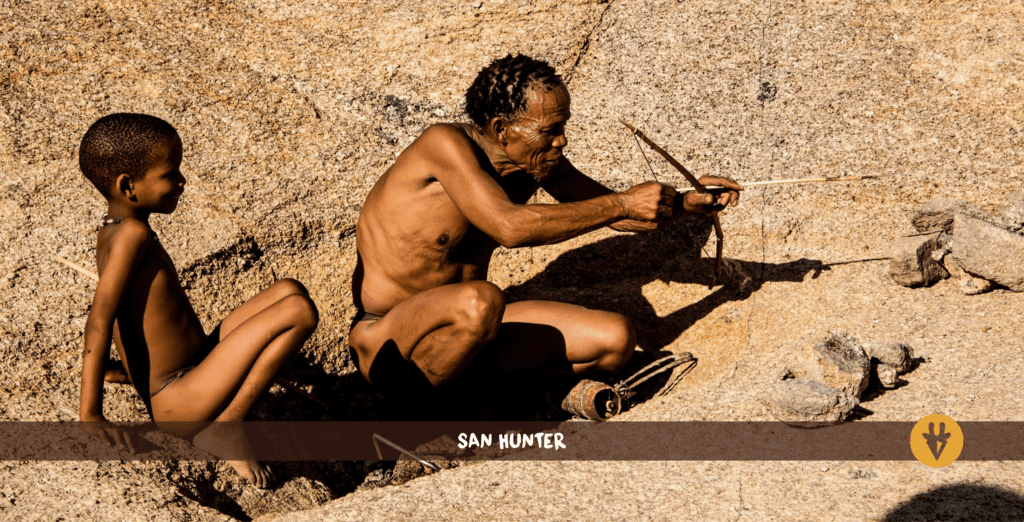
The San, or San Bushmen, are regarded as the oldest inhabitants of southern Africa, even of the entire world, with genetic roots going back up to 100,000 years (yes, you read that right). Today, around 50 San subgroups live in the south of Africa, with 70,000 San in Namibia. They’ve always lived as hunters and gatherers, with the men hunting as a team and the women foraging mushrooms, berries, and over 100 edible plant species.
Like the language of the Damara, Khoisan consists of click consonants. Each of the 50 subgroups speaks it differently, though, which is unintelligible to the other San groups.
Ancient San Traditions
Many San live in urban areas nowadays. Not all of them, though, and to every tribe member, ancient traditions are precious. A special rite that’s still performed today is a trance or healing dance. The women sit around a central fire, singing and clapping, while the men dance around it. In doing so, they gradually reach an altered state of consciousness and enter the spirit realm to plead for the souls of the sick. Like this tradition, ancient tracking skills are passed down to the next generations. In animal footprints, the San can read emotions, speed, and intent – a truly fascinating skill that shows their deep connection to the natural world.
Rock Art Gallery
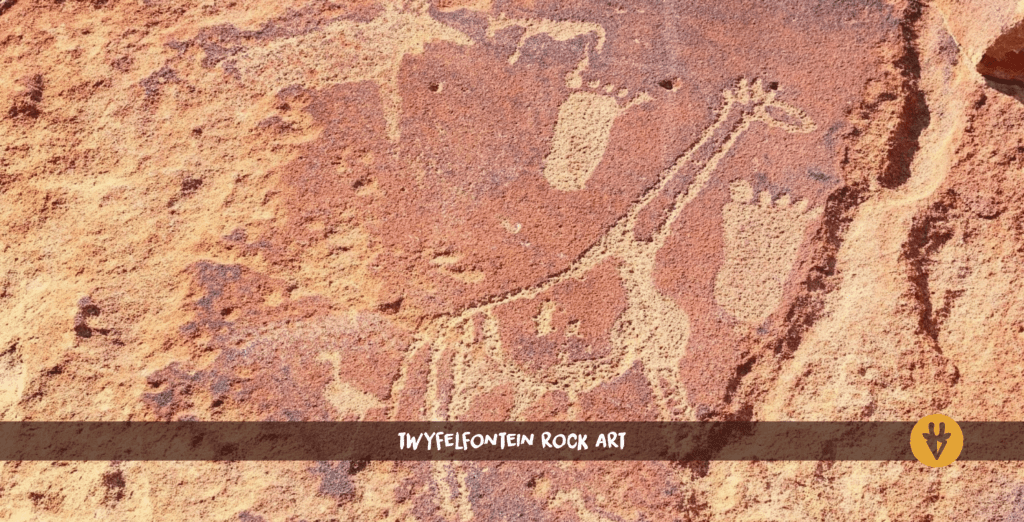
In the northwestern Kunene region of Namibia, you can find Twyfelfontein, a natural gallery of rock engravings created by the San thousands of years ago. Inhabited for 6,000 years, it’s been a place of worship and to conduct shamanist rituals, like trance healing. During these rituals, some rock paintings and around 2,500 rock carvings were created.
What do the carvings show?
In a trance state, it’s said that you become an animal. Since the San painted what they saw, you can now find a lot of half-human, half-animal figures as well as fantasy creatures at the red rock walls. Of course, they also captured what they saw in the real world, like animals, humans, circles, and objects of everyday use. Another interesting item is footprints: according to the San, they connect the physical world to the realm of their ancestors.
With the largest concentrations of rock engravings in Africa, Twyfelfontein became Namibia’s first UNESCO World Heritage Site in 2007 – and of course you can visit this special place yourself.
Accommodations
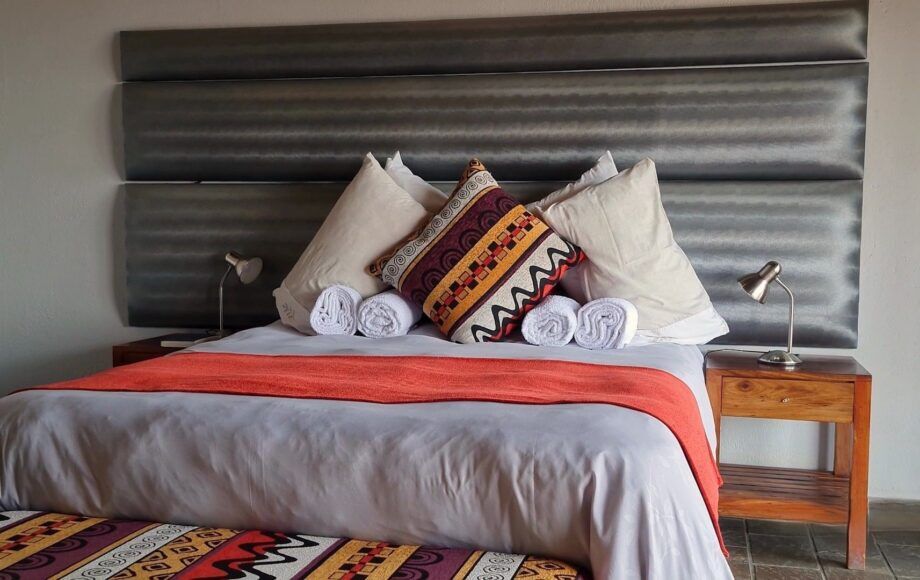
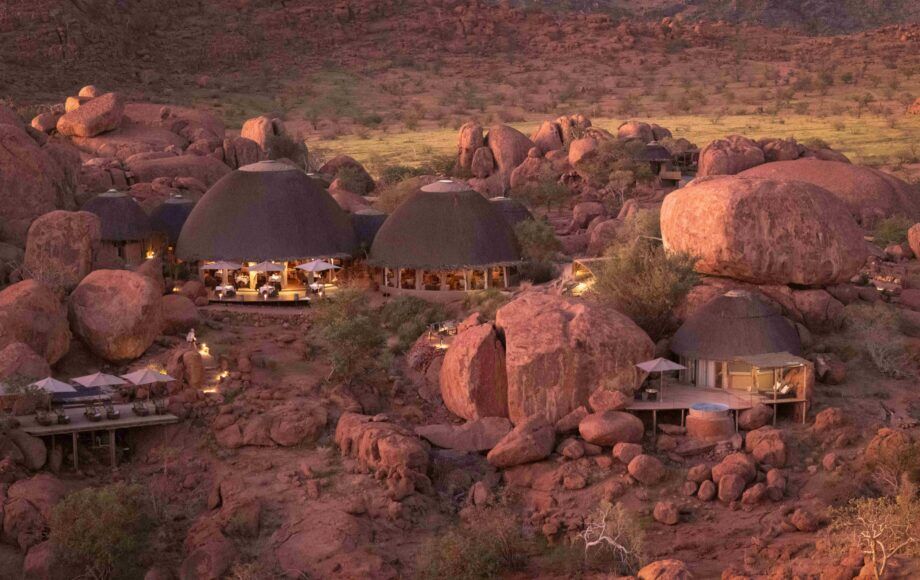
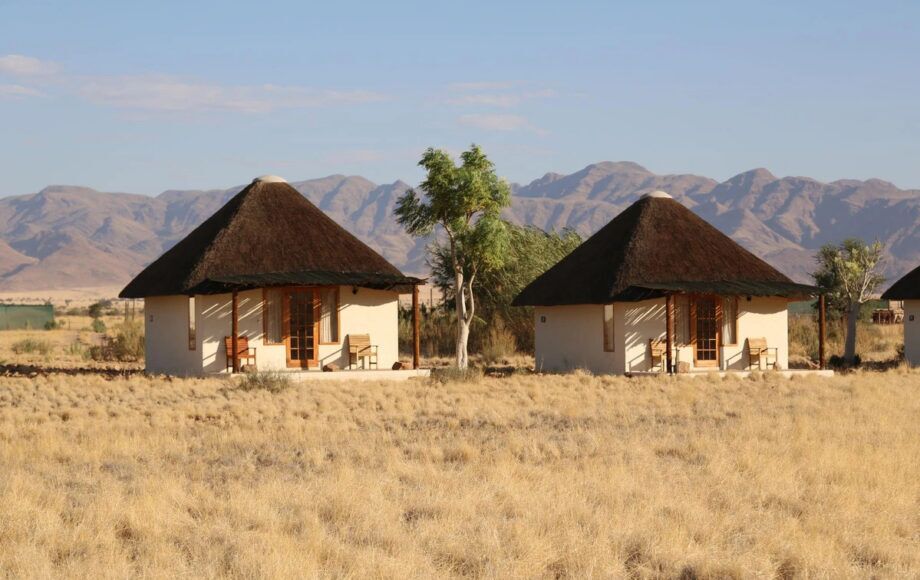
With so many impressions, you need to relax and reminisce in lodges that unite the modern world with ancient details, just like the people of Namibia.

Let us create your tailor-made trip
Receive a free, no obligation quote
Start planning your dream trip