Natural Wonders of Namibia
Namibia, the country where the desert meets the ocean, is full of natural wonders. Sossusvlei is obviously at the top of the list, which is why it has its very own page. But there are many more natural wonders to be discovered – sometimes nature took back what originally belonged to her, other times it puzzles even the smartest people to this day. Let's dive into our top five natural wonders of Namibia and where to find them.



- Tailor-made safaris by true Africa specialists
- 5-star customer reviews
- Fair prices. Exceptional quality.

Fairy Circles
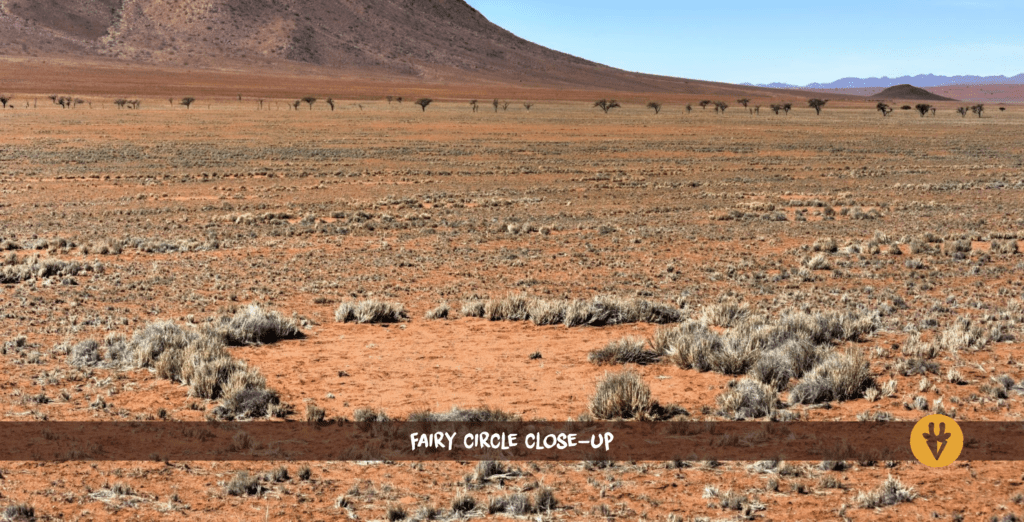
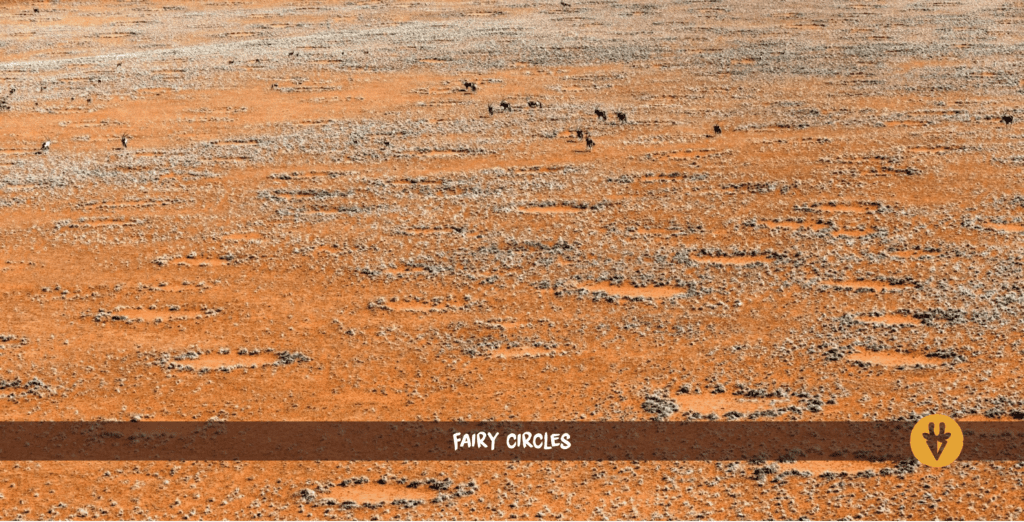
Fairy circles are literally a natural wonder of Namibia, since they have puzzled the brightest of the bright for centuries. In the middle of the desert, they seem to appear out of nowhere. Ranging from four to eight meters (some even 20 meters), the perfectly round circles surrounded by grass survive up to 70 years and make everyone think: why are they here?
Theory 1
The most ancient theory comes from the Himba, who see them as marks of spirits where fairies dance at night. If you step in them, you’re drained of luck and life.
Theory 2
With the internet came the UFOs. Due to their perfect shape and enormous size, some believe them to be landing sites from other planets’ inhabitants.
Theory 3
Science saw it from a different angle, obviously. They believed termites to chew the roots of the grass and dry the soil inside. However, termites are not to be found at the circles’ locations at all times.
Theory 4
The most recent study from 2024 is similar to theory #3. When it rains, the roots from the grass surrounding the circles absorb all the water leaving the inside bone dry so that no new grass can grow there. A survival technique, so to speak.
Even though this is currently the most probable explanation, some are still not happy with it. Maybe you can solve the mystery.
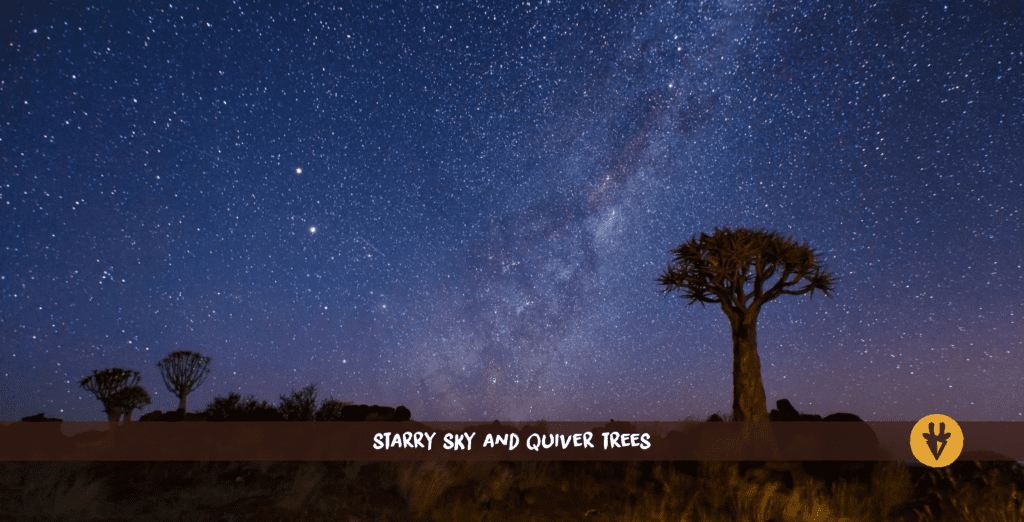
Stargazing
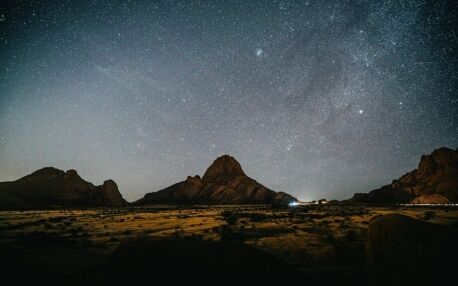
As one of the least populated countries in the world and due to low light pollution and humidity, Namibia is a hotspot for stargazing. The more remote the location, the better, such as the NamibRand Nature Reserve, a designated Dark Sky Reserve. Pictures like the above are not AI, they are created by something much better: nature. Wait until the dark takes hold, prepare your lens and yourself to see some of these without a telescope.
- Milky Way and the Magellanic Clouds
- Southern Cross and Southern Lights
- Distant galaxies like Andromeda
- Orion’s Belt and Omega Centauri
- And of course your zodiac sign 😉
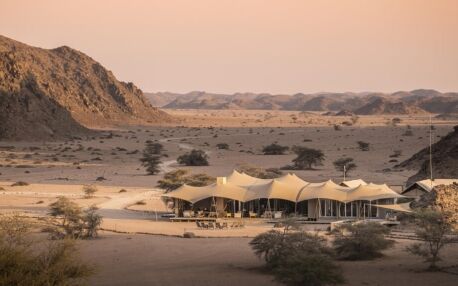
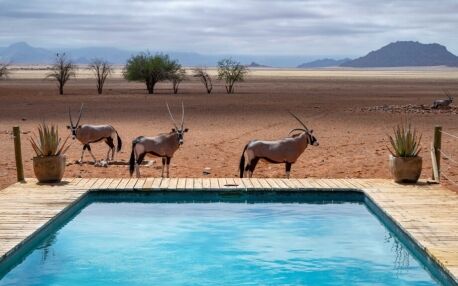
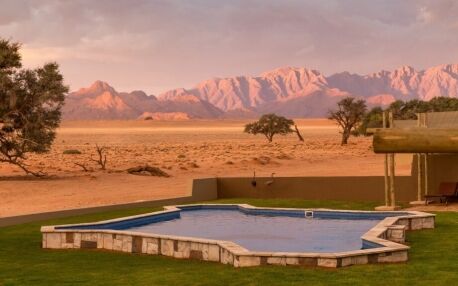
Stargazing Accommodations
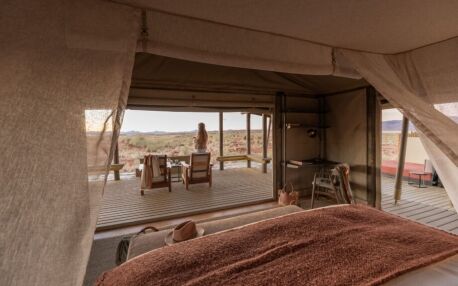
You don’t have to sleep in the sand to enjoy the starry sky above Namibia.
Quiver Tree Forest
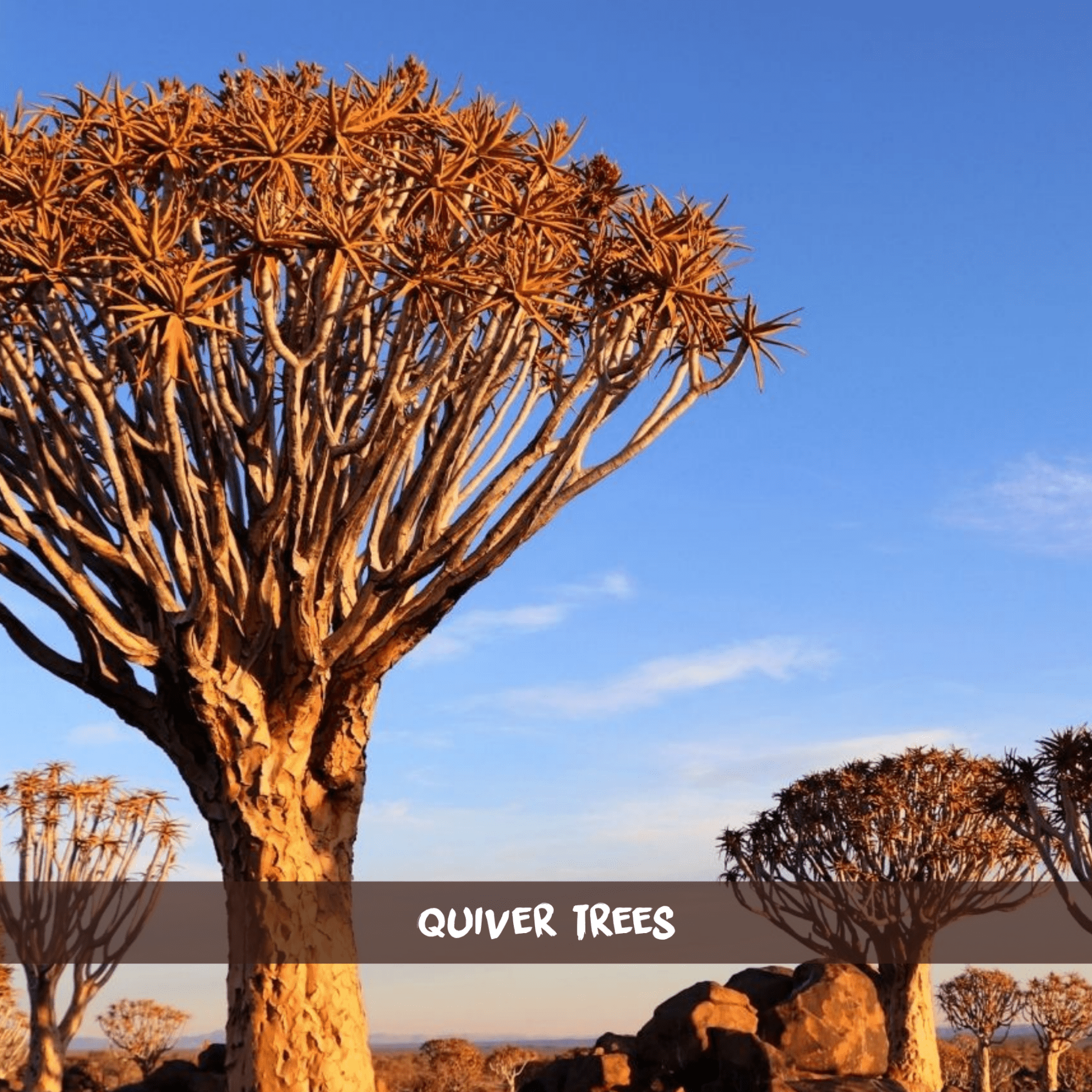
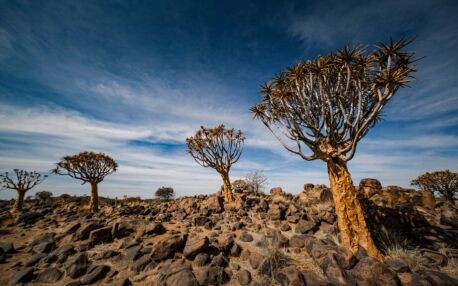
Hundreds of years ago, a forest of quiver trees spontaneously grew in the midst of dry and rocky terrain. Since 1995 this natural phenomenon has been a national monument of Namibia. You can find the trees, which are called “kokerboom” in Afrikaans, in the south of the country close to Keetmanshoop. Even though they are called trees, they are actually giant succulent plants that can grow up to eight meters.
Cool facts
- To survive in this semidesert, the thick bark reflects sunlight, and the interior of the plant can store water.
- Rich birdlife, including the adorable rosy-faced lovebird, lizards, and the hyrax, can be found here, too. With a lot of luck, you can even spot a cheetah.
- The trees are said to bring luck to everyone nurturing them. Some expect diamonds underneath the trees, but due to this belief, nobody wants to dig them up.
From this curious natural phenomenon, we move on to one that is partly man-made.
Ghost Town
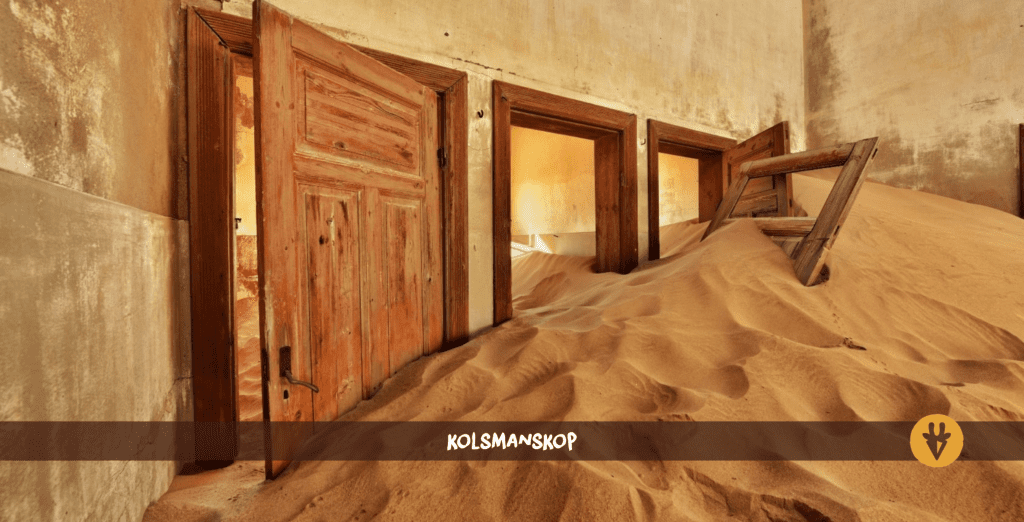
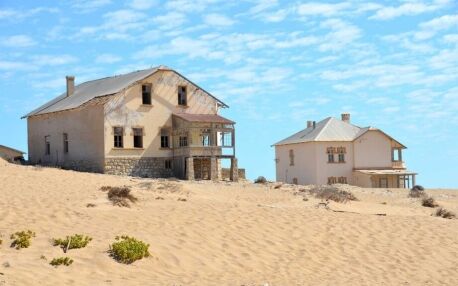
True, the ghost town itself is not a phenomenon. It’s how Mother Nature is taking back what originally was hers. But first, let’s travel back a good 100 years.
Just 10 kilometres from Lüderitz, the city of Kolmanskop was founded in 1908 by German settlers since the area was rich in diamonds. It quickly grew and comprised a hospital with the first x-ray station in the southern hemisphere, a ballroom, a power station, a theatre, a casino, a school, and the first tram in Africa.
Around the time of World War I, the diamond fields started to deplete, and since further south more diamond deposits were found, people started moving in 1928, leaving the town entirely abandoned in 1956.
Now, 70 years later, it seems as if the desert swallows what once was a wealthy city. Not only does this create spectacular scenes for photography, but also an eerie feeling. With a bit of luck, you can even see the rare brown hyena, which uses the old houses for shelter.
Epupa Falls
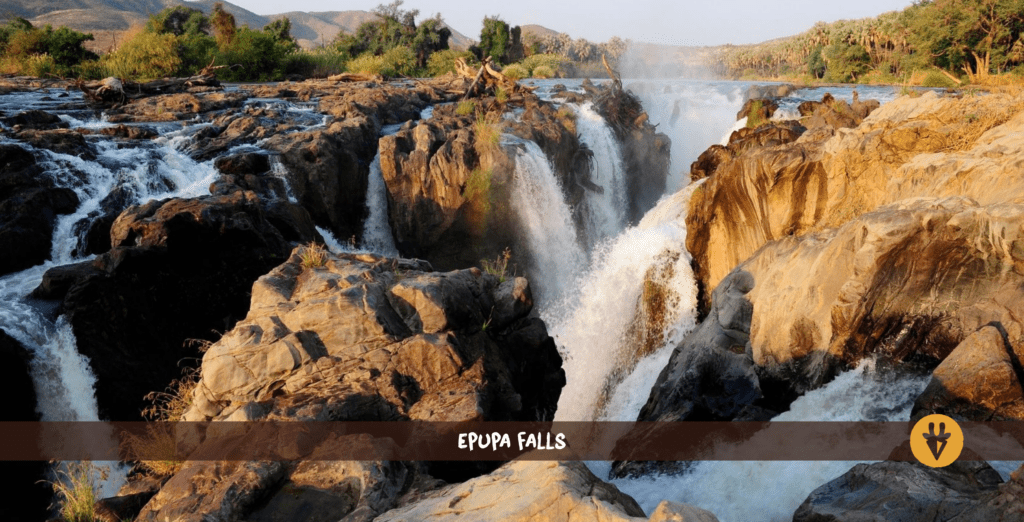
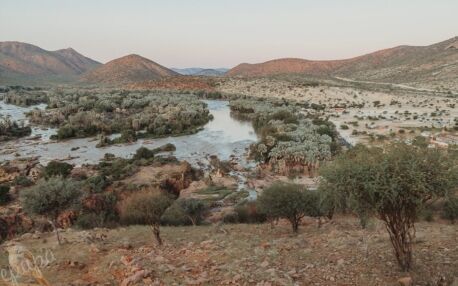
In the remote Kaokoland in the northwest of Namibia, a series of waterfalls is formed by the Kunene River: the Epupa Falls, with the highest single drop reaching 37 meters. The name stems from the Herero word for “foam,” which is created by the falling water.
Indigenous people like the Himba live in this very region, economically depending on the ecosystem around the Epupa Falls. So when plans for the Epupa Dam were proposed in 2012, which would have flooded 380 square kilometres, the Himba resisted, taking this issue as far as the United Nations – successfully. The dam was never built, however, plans for the Bynes Dam are now underway, which would flood around 57 square kilometres. The battle continues.
For now, you can enjoy the beauty of the Epupa Falls and its surroundings. With palm trees along the riverbanks, baobabs at the gorges, and colourful rock walls, this green oasis creates a dramatic contrast to one of the world’s driest regions.
Marvel at these marvels
These activities bring you close to where the magic happens.
Let us create your tailor-made trip
Receive a free, no obligation quote
Start planning your dream trip