Black Rhinos of Etosha
Namibia is home to the world’s largest black rhino population, with Etosha National Park being a special stronghold. Learn more about this rare animal, including special characteristics and fun facts. Of course, you’ll also find out where and how to spot them IRL and why a sighting will turn into a memory that you’ll cherish forever.



- Tailor-made safaris by true Africa specialists
- 5-star customer reviews
- Fair prices. Exceptional quality.

An idyllic refuge
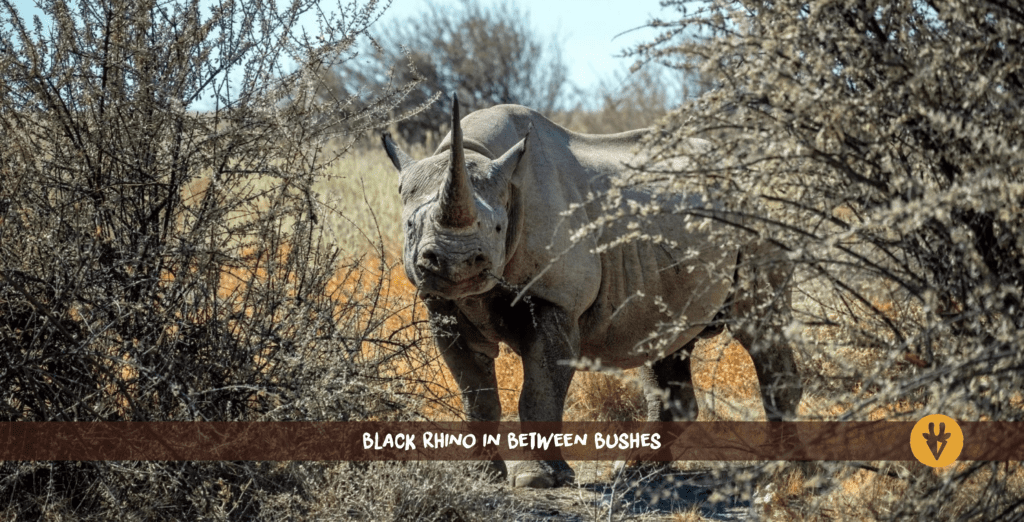
Namibia is home to the largest black rhino population on earth. Worldwide, there are around 6,400 left, and 2,000 of them roam the plains of the southwest African country. A staggering 72% of these live in Etosha National Park, a stronghold for the critically endangered species. The good news: thanks to conservation efforts, the numbers are increasing. The even better news: during a safari in Etosha, you can see black rhinos with your own eyes.
Where can you see black rhinos in Etosha?
While cruising through the enormous park, you should already keep your eyes peeled. However, there are two hotspots the rhinos love to spend time at.
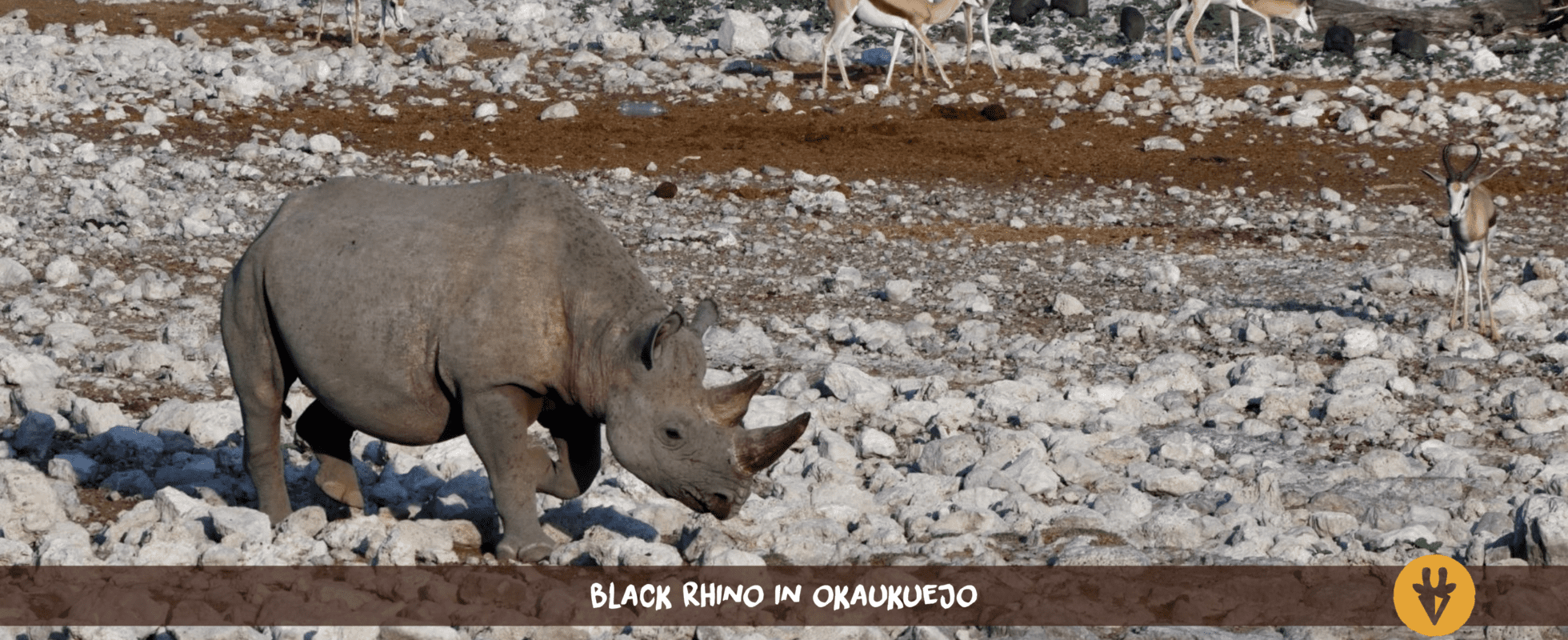
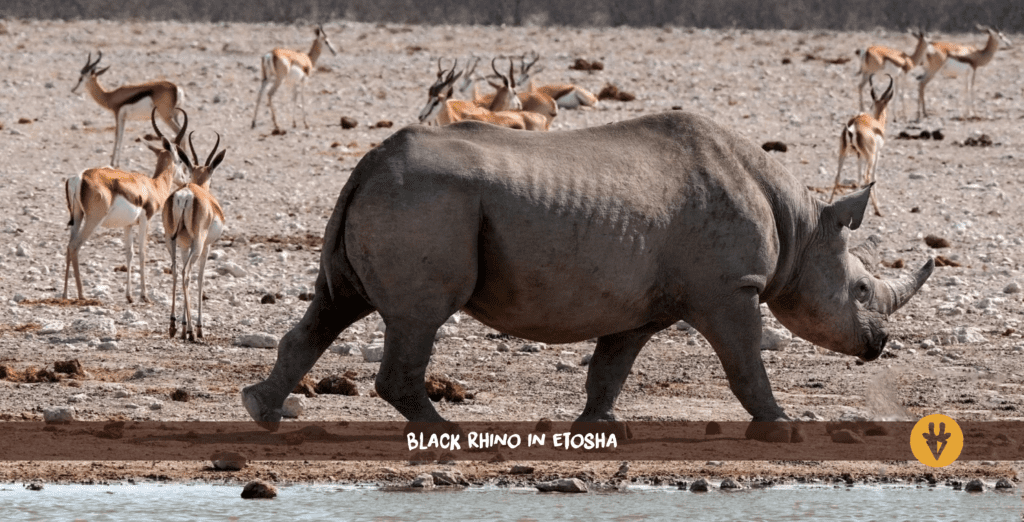
Okaukuejo waterhole
Okaukuejo is equipped with floodlights so that you can pop over after dinner and watch black rhinos and other animals meeting for a drink. This livestream gives you an idea of what to expect (also perfect for reminiscing at home).
Olifantsbad waterhole
Even though this waterhole is famous for attracting elephants, black rhinos like to stop by, too. With two separate waterholes, you can expect double the fun.
Black rhino characteristics
If you’ve ever wondered what the difference between a black and a white rhino is, you’ll know in less than two minutes.
The Size
Black rhinos are smaller than white rhinos, weighing up to 1,350 kg compared to approximately 2,500 kg. This also means that they can run faster, up to 55 km/h.
The Lip
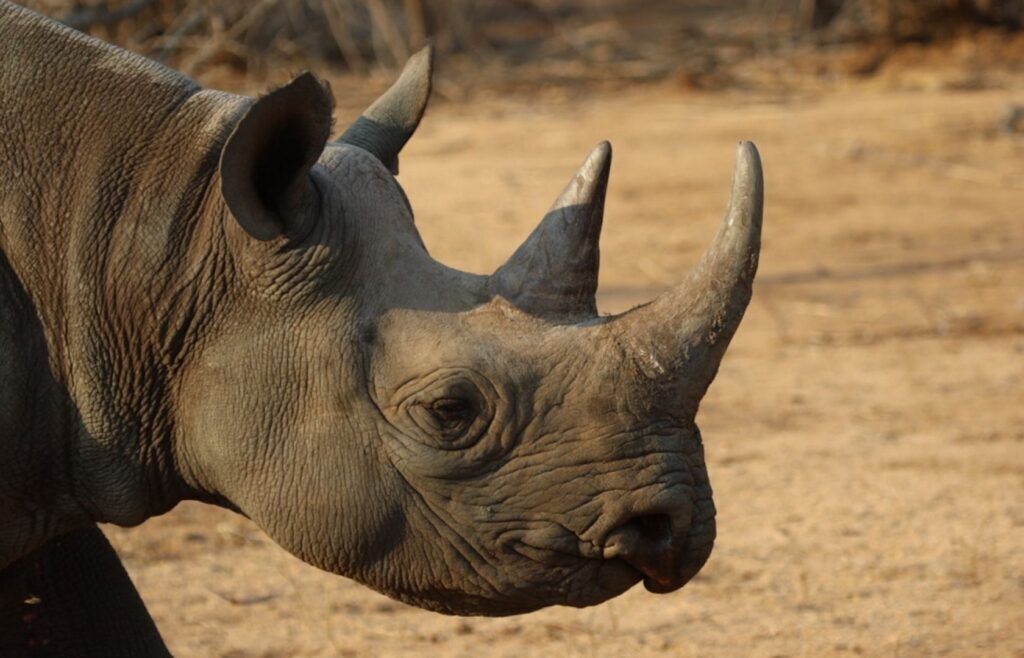
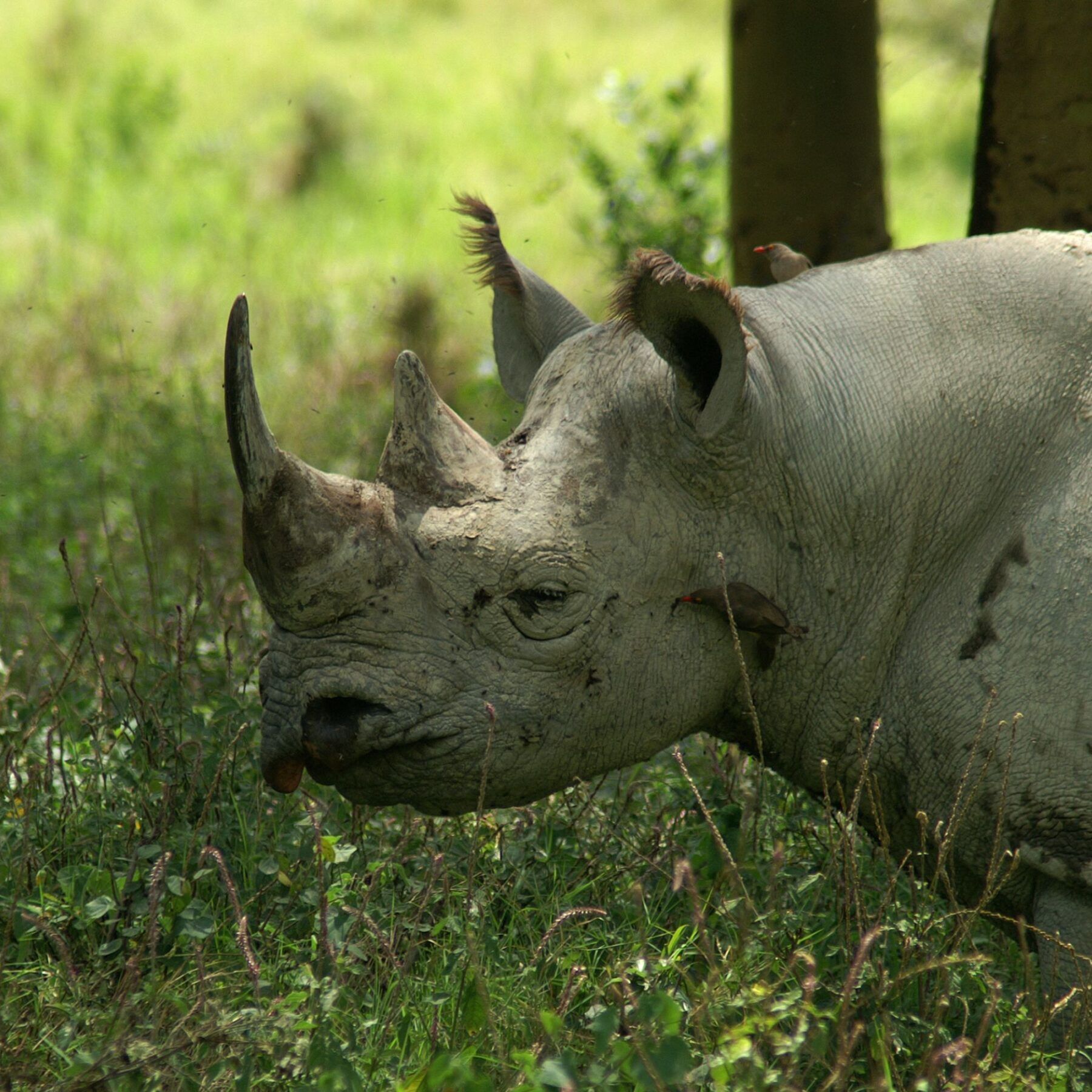
While white rhinos have a wide, square lip to graze, black rhinos have a hooked, pointed lip to pick food from trees and bushes.
The Temperament
White rhinos are pretty chill compared to black rhinos, which can be quite aggressive and territorial. Using dung piles and scent markings, they let others know where they’ve been.
The Partnerships
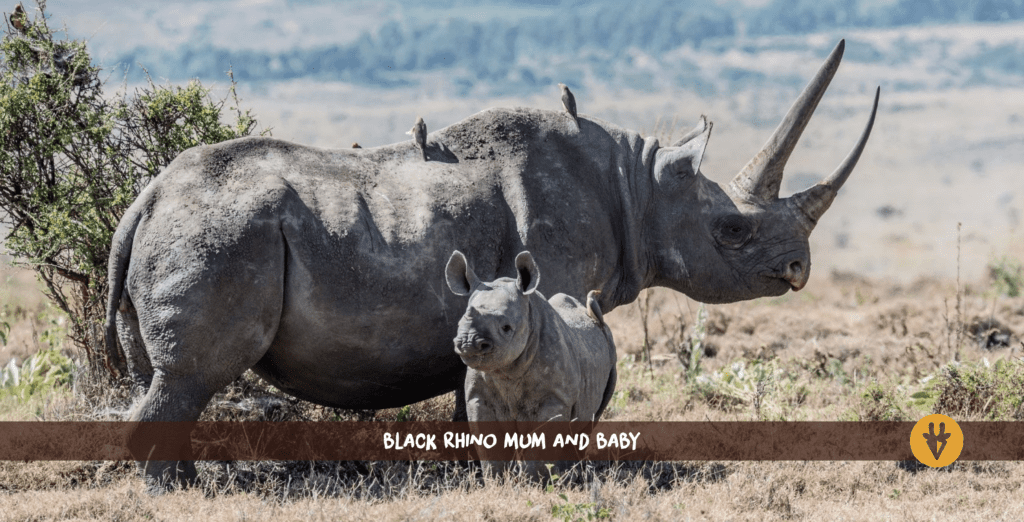
Black rhinos are mostly solitary and prefer to live and feed on their own. While males are especially territorial, the females don’t tolerate everyone near them either, apart from their calves.
The language
Meeting rivals, black rhinos growl and make trumpet-like calls. If they sense danger, they sneeze and they snort when angry. Scared black rhinos make a high-pitched “wonk” and terrified ones even scream. And when they flee to safety, they curl their tails.
Etosha Itineraries
Meet the black rhino in Etosha with these unforgettable journeys.
- Namibia From $8,059 USD*
10 days Namibia: Nature and Wildlife Galore
Greenery, salt pans & wildlife
- Namibia From $513 USD*
7 days Namibia: dune & safari adventure
Best of many worlds

- Namibia From $2,409 USD*
8 days Namibia: diverse and unique
Dunes, pans, history & wildlife
- Namibia From $5,383 USD*
16 days Namibia: all highlights
Nature, history, wildlife & more

Other Namibian homes
While Etosha is your best bet to see black rhinos up close, you can also meet them at other places in Namibia. Next to private reserves and sanctuaries, these two places wow you with rhino sightings, incredible landscapes, and even more wildlife.
-
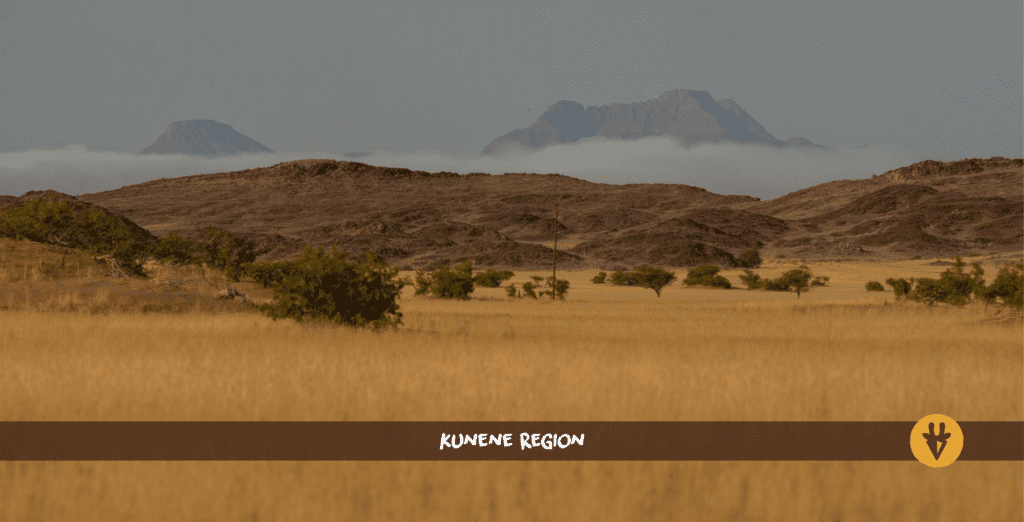
Kunene Region
Kunene is home to the world’s largest free-roaming black rhino population. These rhinos have perfectly adapted to the harsh conditions of the desert, can go days without water and are even more solitary than other black rhinos.
-

Waterberg Plateau National Park
Successfully introduced from Kunene, Waterberg today holds a significant black rhino population. Together with the out-of-this-world landscape with red limestone cliffs, this rhino home is worth exploring.
Threats
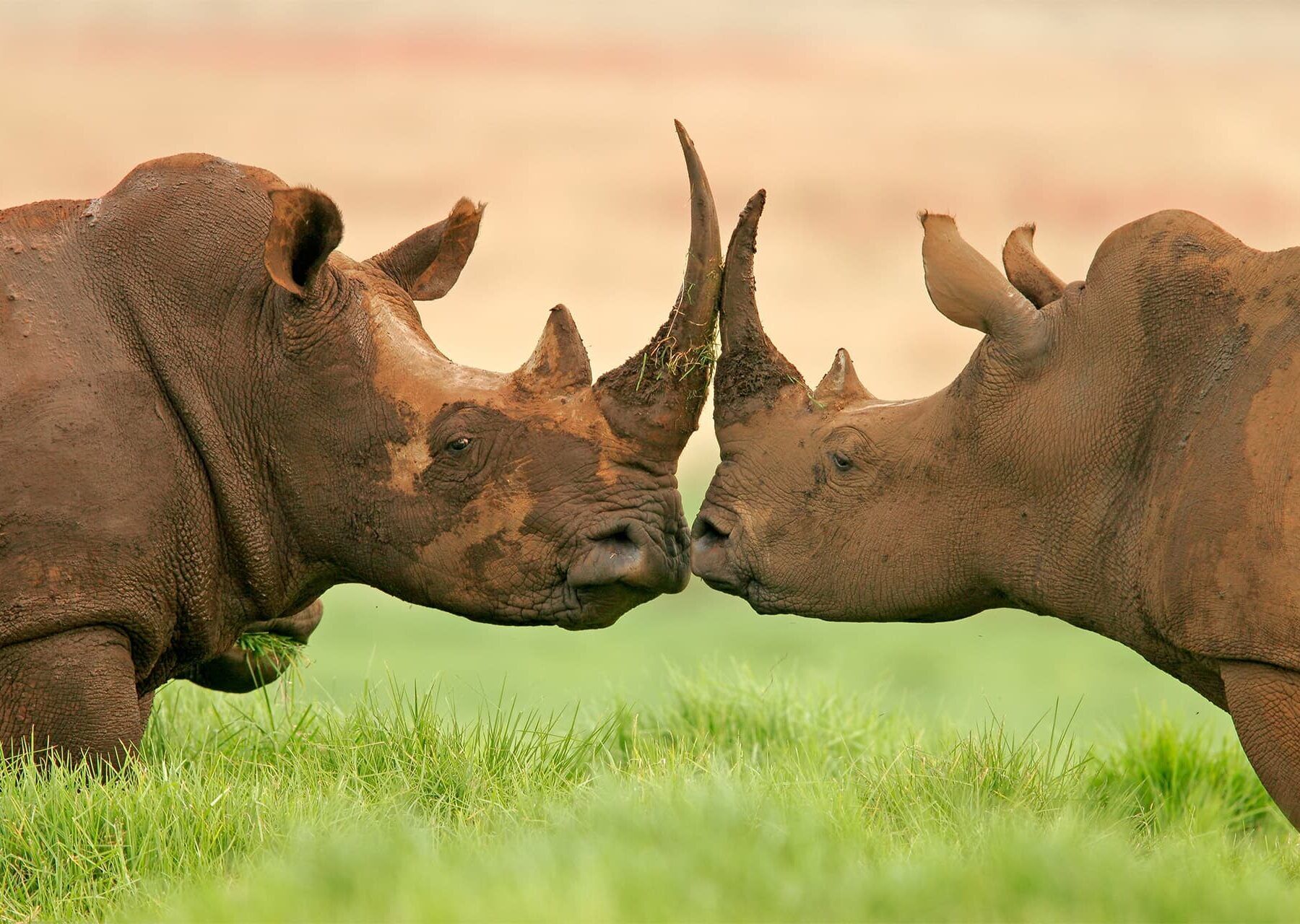
As with many animals, black rhinos face the challenges of climate change and habitat loss, making it harder for the animals to survive in the wild. The biggest threat to black rhinos, or rhinos in general, however, is poaching. Traditional Chinese medicine believes the rhino horn to have healing qualities. It does not. It simply consists of keratin, just like hair or our fingernails.
With numbers keeping decreasing over decades due to these practices, the black rhino is now classified as critically endangered, just one step away from “extinct in the wild”. But, and this is a very happy but, the numbers are increasing and have been doing so for several years. The reason? Conservation programs like monitoring, raising awareness, and law enforcement.
Conservation efforts
Even if it sounds cruel, dehorning the rhinos is an effective method for securing their survival, since they’re not as attractive to poachers without a horn. Still, this is not a stand-alone and usually a short-term solution or last resort for conservation organizations.
The Save the Rhino Trust Namibia protects desert-adapted rhinos by training locals as trackers and rangers. A perfect win-win situation: the rhinos are protected, and the locals earn money.
Of course, Etosha also does its bit. Together with the WWF, they track the rhinos, mark their ears to identify individuals, maintain vehicles for anti-poaching units, and use the proceeds of wildlife-based tourism for their efforts. Etosha rhinos are also used as donor populations: if suitable, they are moved to other conservation areas across the region to restock the population. This is what real heroes look like.
When on safari, you can also do your bit to protect the rhinos. Don’t post pictures of rhinos with the location on social media so that poachers cannot see them. Or even better, put the phone away, enjoy the moment, and store it in your forever memory.
Five Fun Facts
What’s a better ending than some fun facts that will make you smile and with which you can impress fellow animal lovers?
- The name is considered a mistranslation. It’s assumed that “white” stems from the Afrikaans word “wyd”, which refers to the white rhino’s wide lip. By contrast, the black rhino was named as such – it has nothing to do with their colour.
- Their horns can grow back if broken. Since they consist not of bone but of keratin, like human fingernails, they grow approximately 6 to 8 cm per year.
- While they have very poor eyesight and cannot see something standing a short distance away, they can smell and hear exceptionally well.
- Black rhinos don’t have sweat glands and use mud to protect their sensitive skin from sun and parasites.
- Red-billed and yellow-billed oxpeckers are their best friends. The birds’ Swahili names mean “rhino’s guard”, since they feed on ticks, parasites, and insects on the animal’s skin. A cleaning service the rhinos happily accept.
Memorable activities
There are plenty of activities which make black rhino sightings a blast.



Let us create your tailor-made trip
Receive a free, no obligation quote
Start planning your dream trip