
20 August 2026
Planning your first trip to South Africa? Discover expert advice on safari options, self-drive routes, packing essentials, safety, budgets and local logistics for a seamless adventure from Cape Town to Kruger.


20 August 2026
Let’s be honest: planning your first trip to South Africa can feel like trying to fit five different holidays into one suitcase. You want to explore Cape Town, taste wine in Stellenbosch, meet the penguins at Boulders Beach, drive the Garden Route, and, of course, see the Big Five on safari. Then you realise Kruger National Park is nowhere near Cape Town, and suddenly your relaxing holiday has turned into a puzzle of rental cars, domestic flights, and very optimistic driving plans.
We get it. South Africa offers so much variety that the hardest part is not finding things to do. It is deciding what belongs in the same trip.
But here is the secret: you do not need to cross the entire country by car or squeeze every highlight into ten breathless days. With the right combination of scenic self-drives, short domestic flights, and carefully chosen stops, South Africa is surprisingly easy to explore. Let’s untangle the map and plan a journey filled with city life, wild coastlines, scenic hikes, excellent food, and unforgettable safari moments.
The short answer
A first trip to South Africa ideally takes 10 to 14 days. Explore Cape Town and the surrounding coast by car, then fly to a safari area such as Greater Kruger. The golden rule is simple: drive within each region and fly between regions.
South Africa is enormous, so the biggest rookie mistake is trying to squeeze Cape Town, the Garden Route, and Kruger into one short trip. Allow 8 to 10 days for one region or 14 to 16 days if you want to combine city life, coast, and safari.
To keep things simple, our local team recommends two classic options:
Dreaming of Cape Town and Kruger? They combine beautifully, but they are around 1,800 kilometres apart. Explore each region separately and connect them with a domestic flight.
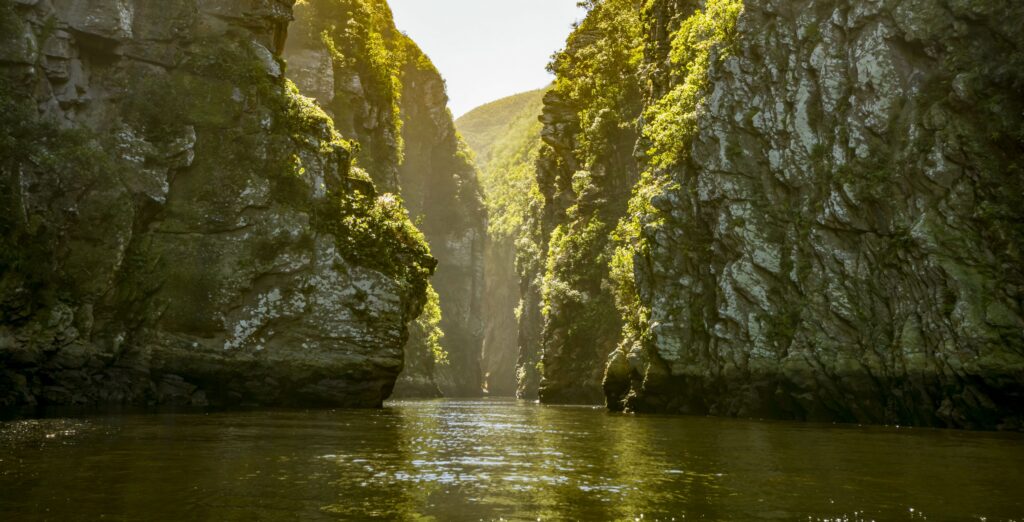
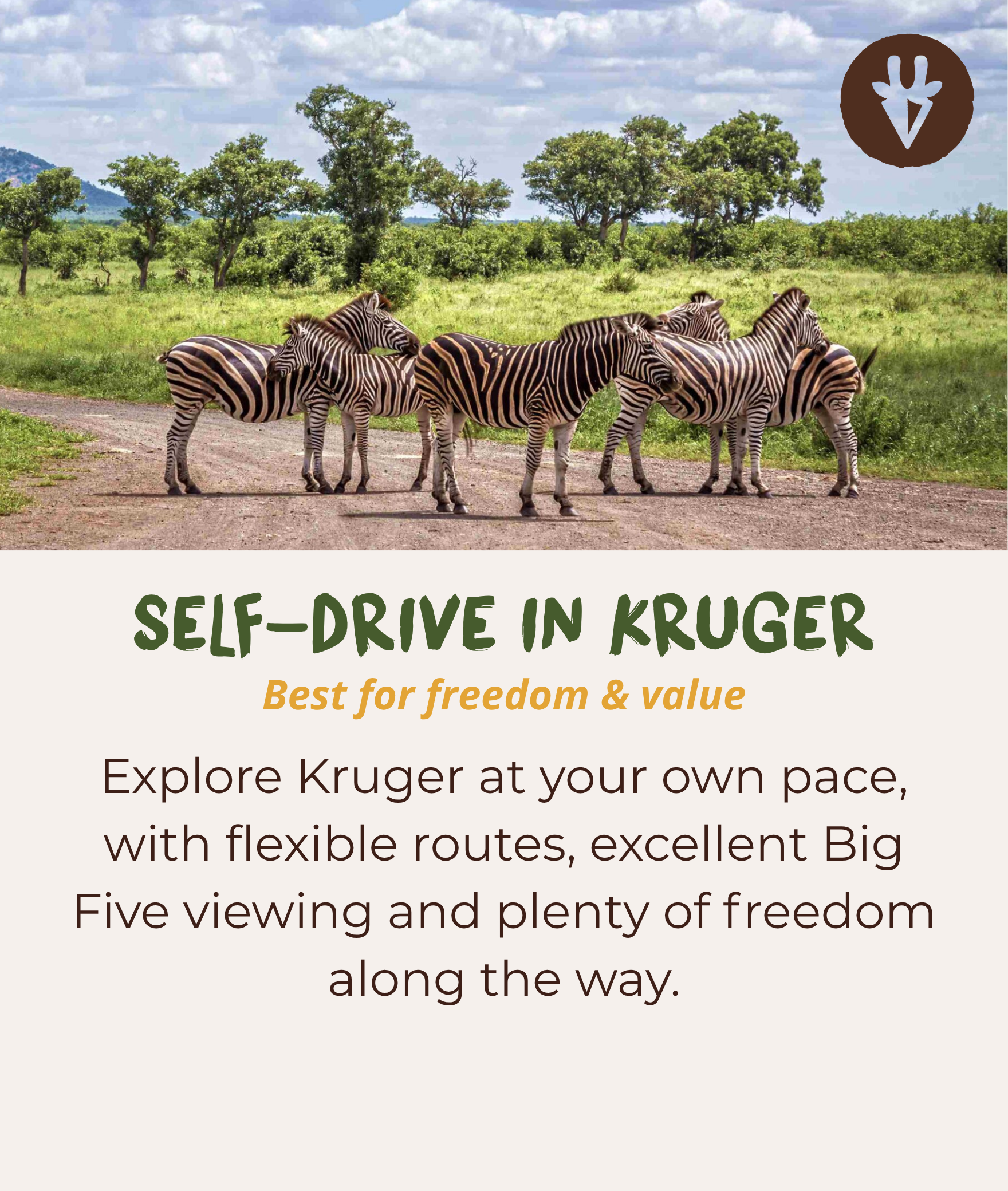
For most first-time visitors, self-driving is the best way to explore South Africa. The main roads are generally well maintained, routes such as the Garden Route are easy to navigate, and having your own car gives you the freedom to stop whenever another beach, vineyard, or suspiciously scenic lunch spot catches your eye.
Driving is on the left, and both manual and automatic rental cars are available. You do not automatically need a 4×4 either. Our local team selects a comfortable vehicle suited to your route, with air conditioning, GPS, and unlimited mileage included.
The golden rule is simple: drive within each region and fly between regions. Our team arranges the rental car, flights, and transfers in the right order, so you can enjoy the freedom of a road trip without wrestling with the logistics.
South Africa is enormous, but most stops within the same region are comfortably spaced. Along the Garden Route and around Cape Town, scenic drives are part of the experience rather than full days spent behind the wheel.
Typical travel times between popular destinations:
| Route | Approximate travel time |
|---|---|
| Cape Town to Stellenbosch | 45 minutes |
| Cape Town to Hermanus | 2 hours |
| Cape Town to Oudtshoorn | 5 hours |
| Johannesburg to southern Kruger | 5 hours |
Longer routes are divided into manageable stages, with enough time to explore each destination before continuing your journey.
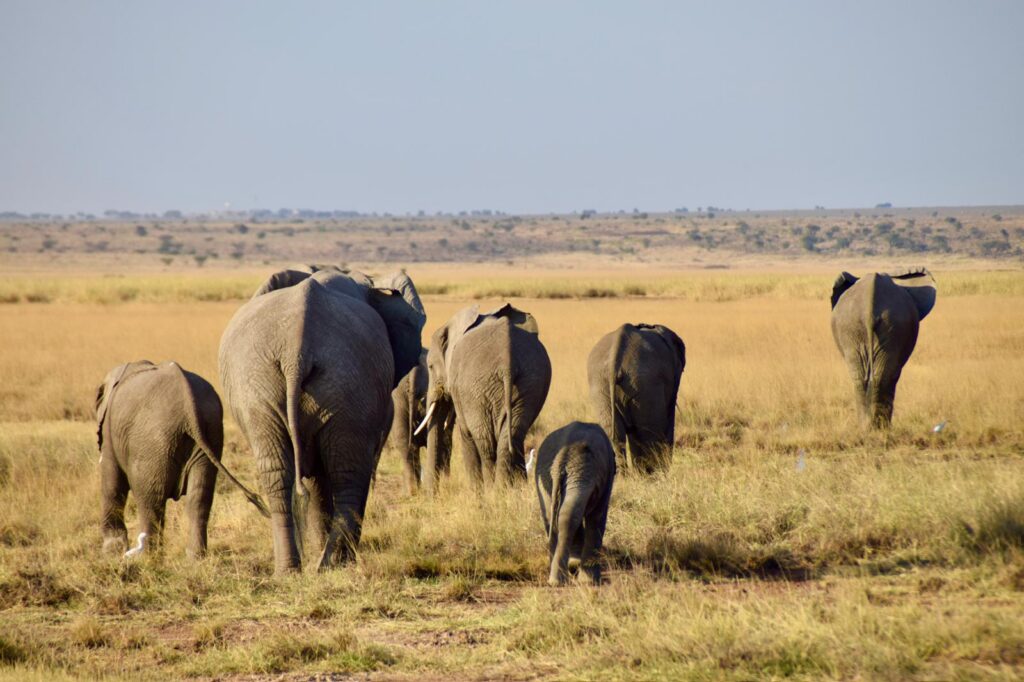
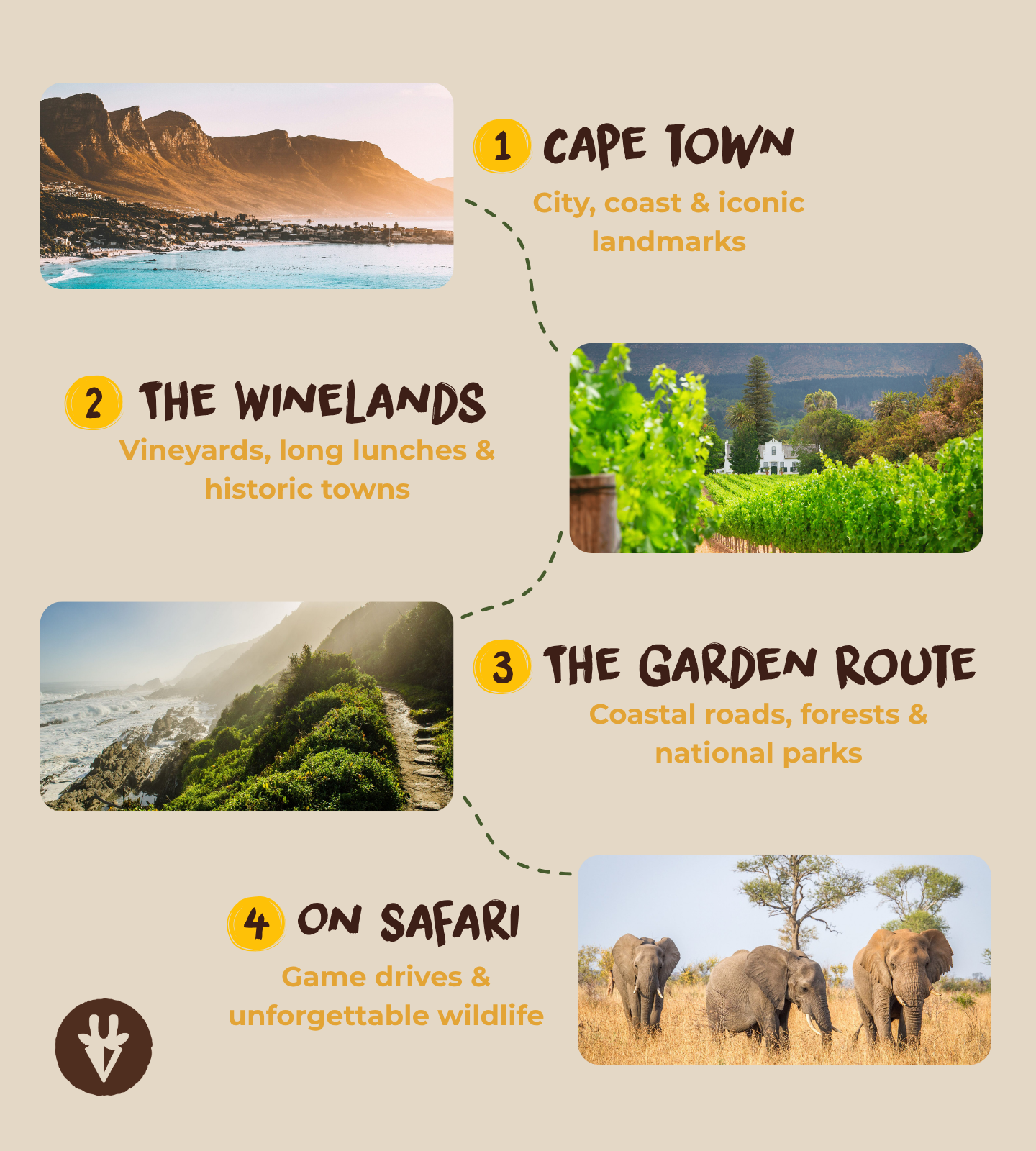
A journey through South Africa rarely follows the same rhythm every day. One morning you are standing on Table Mountain, and a few days later you are watching elephants cross the road in front of your safari vehicle.
Many first-time trips begin with city life and coastal scenery in Cape Town, followed by vineyard visits in the Winelands and a scenic drive along the Garden Route. The journey can then end with a safari and early morning game drives in search of South Africa’s remarkable wildlife.
The variety is exactly what makes South Africa special. Every few days feel like the beginning of a completely new holiday.
South Africa is a year-round destination, but the best time to visit depends on where you are going and what you want to experience.
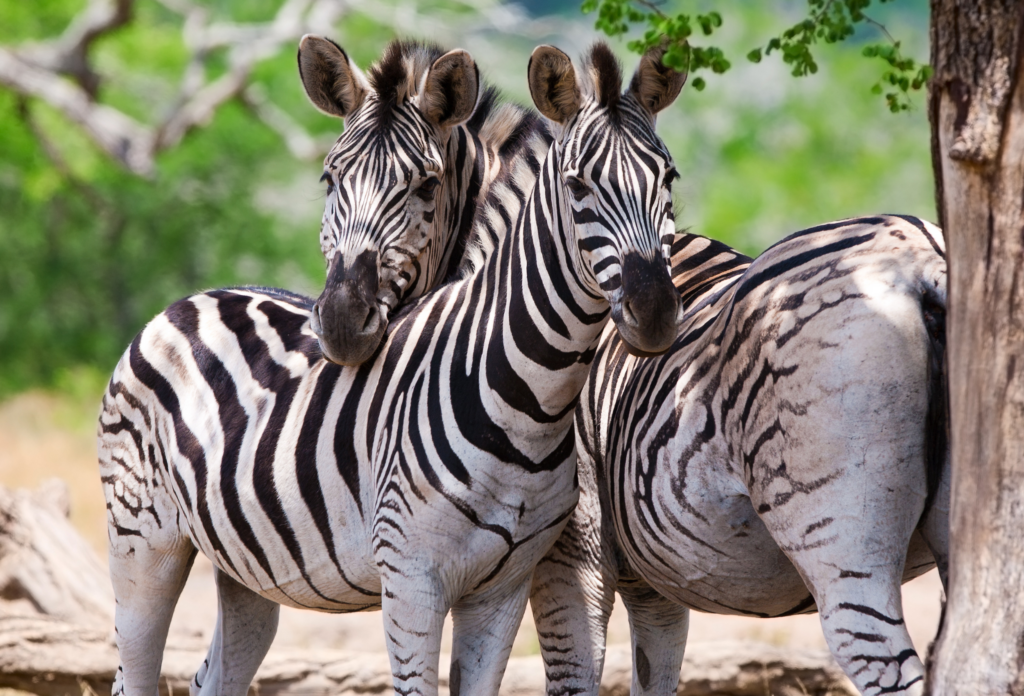
The dry season offers excellent wildlife viewing in Kruger National Park. Vegetation is thinner, animals gather near water sources, and daytime temperatures are comfortable.
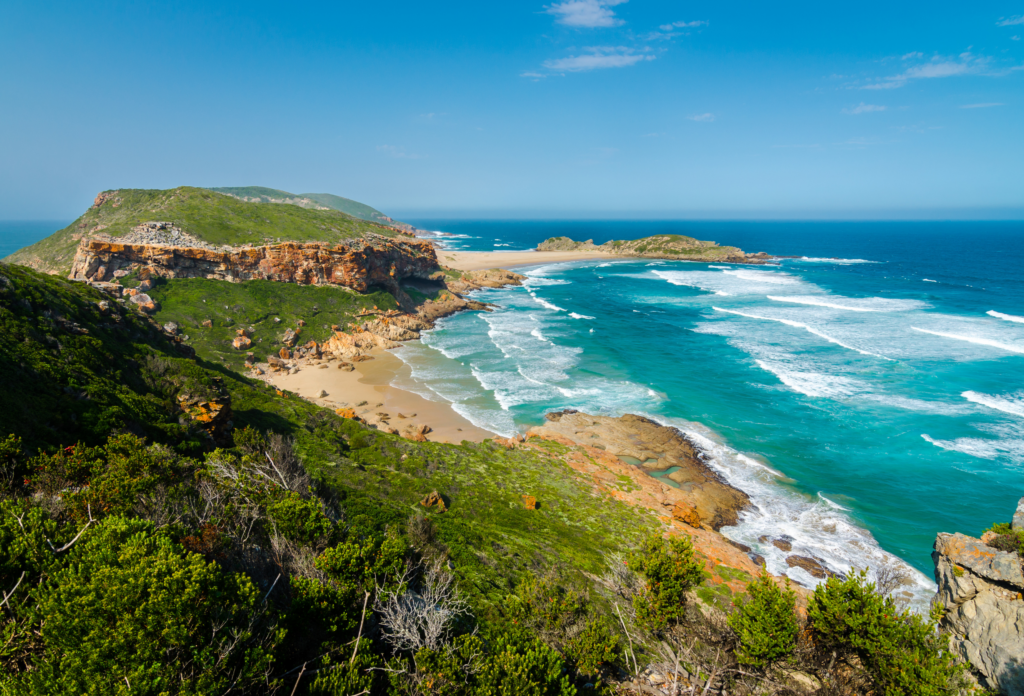
Cape Town, the Winelands, and the Garden Route enjoy warmer weather and plenty of opportunities for beaches, hiking, and outdoor dining.
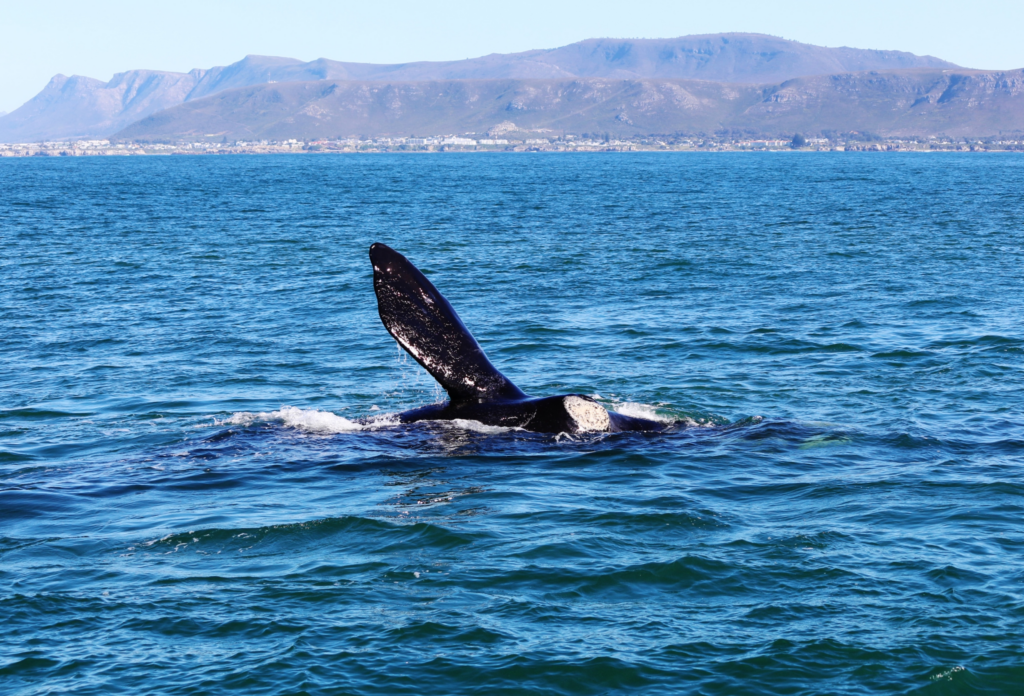
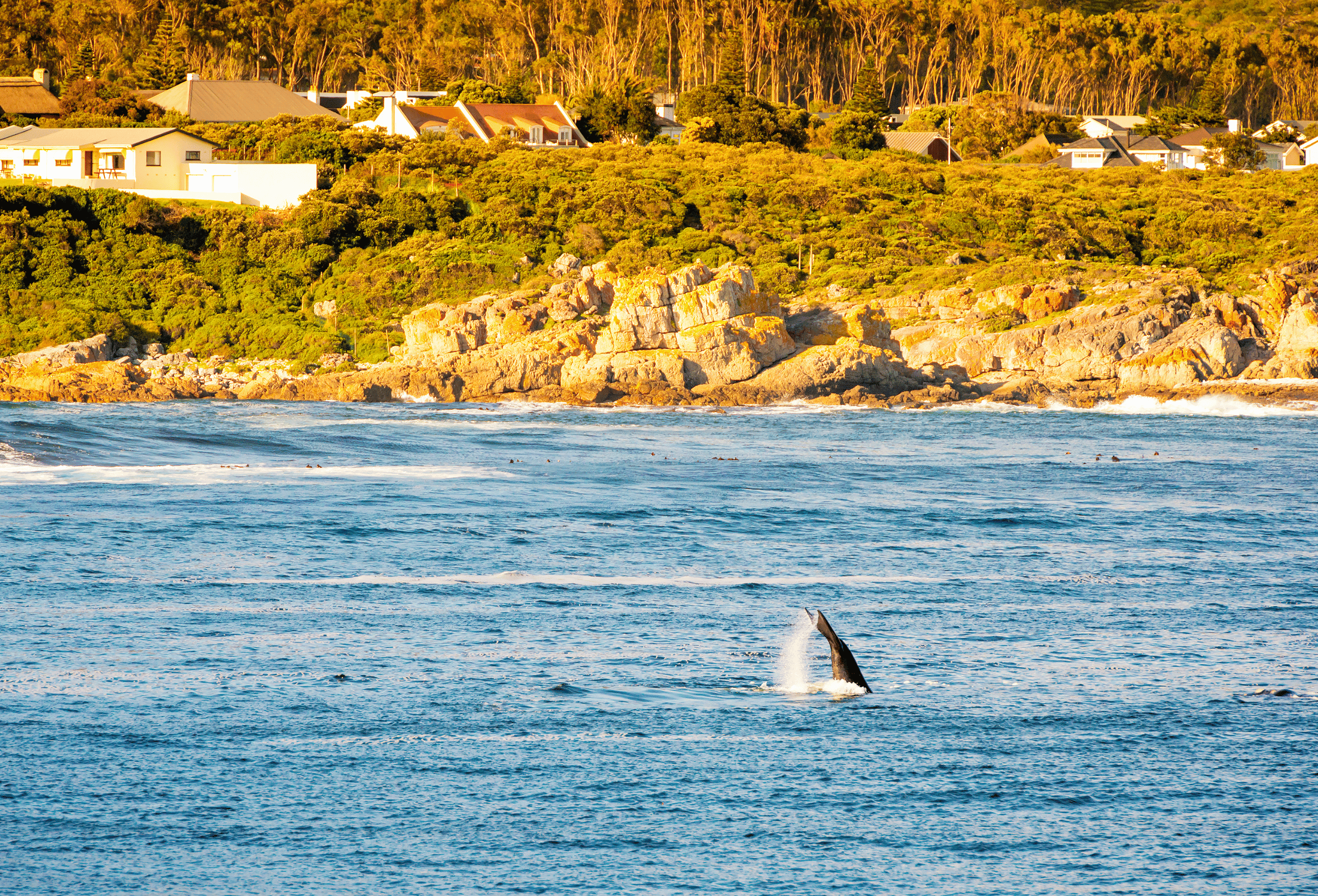
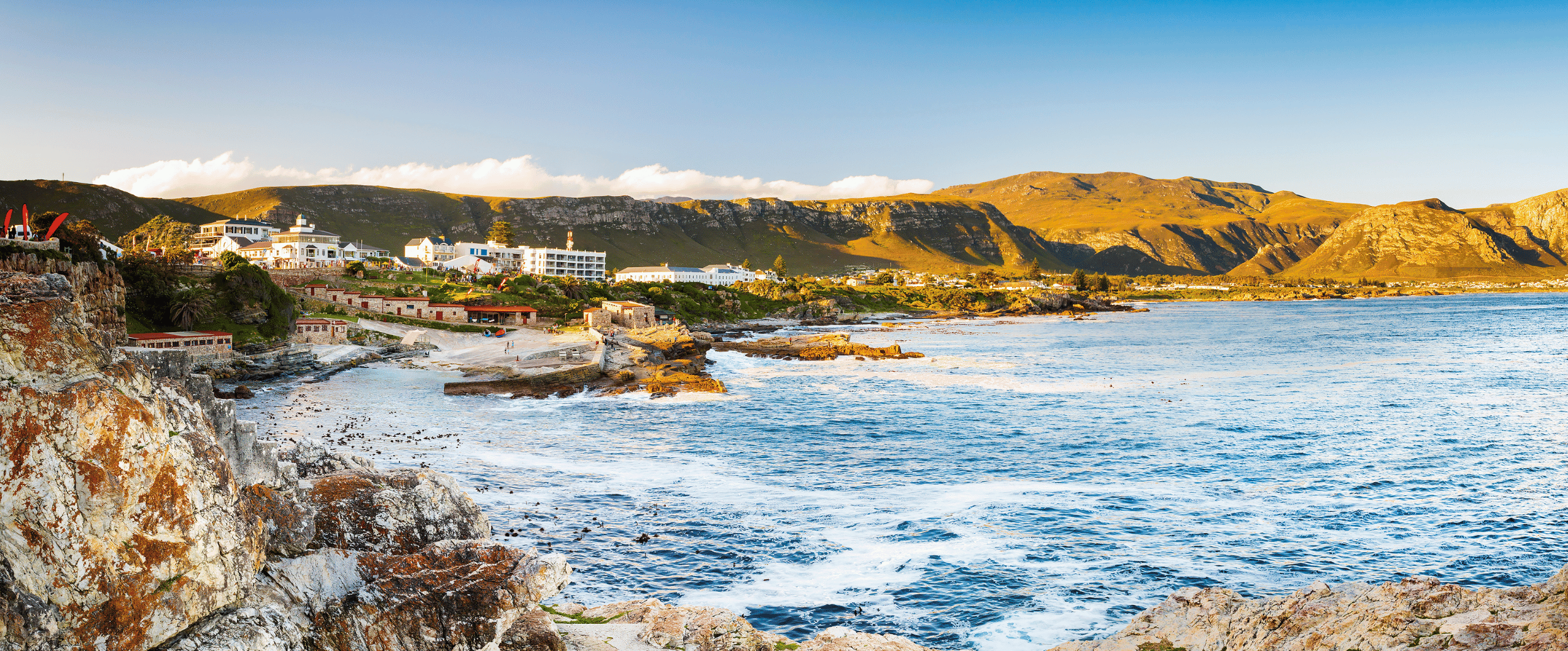
Southern right whales can be spotted along the coast, particularly around Hermanus, with the season usually peaking during the winter months.
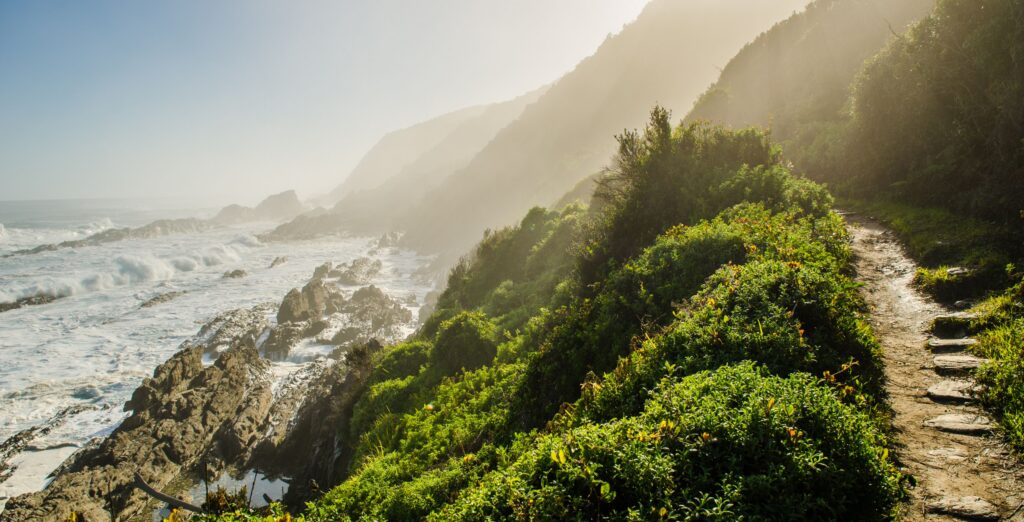
These are excellent all-round months for combining Cape Town, the Garden Route, and safari in one journey.
There is no bad time to visit South Africa. The right season simply depends on whether wildlife, warm coastal weather, or whale watching sits at the top of your wish list.
Packing for South Africa is all about versatile layers. The country’s changing landscapes mean you might experience a cool safari morning, a warm afternoon in the Winelands, and a breezy evening by the ocean during the same trip.
You do not need an entirely new safari wardrobe. Pack clothes you can easily combine, add or remove throughout the day, and leave a little room for a bottle of South African wine on the way home.
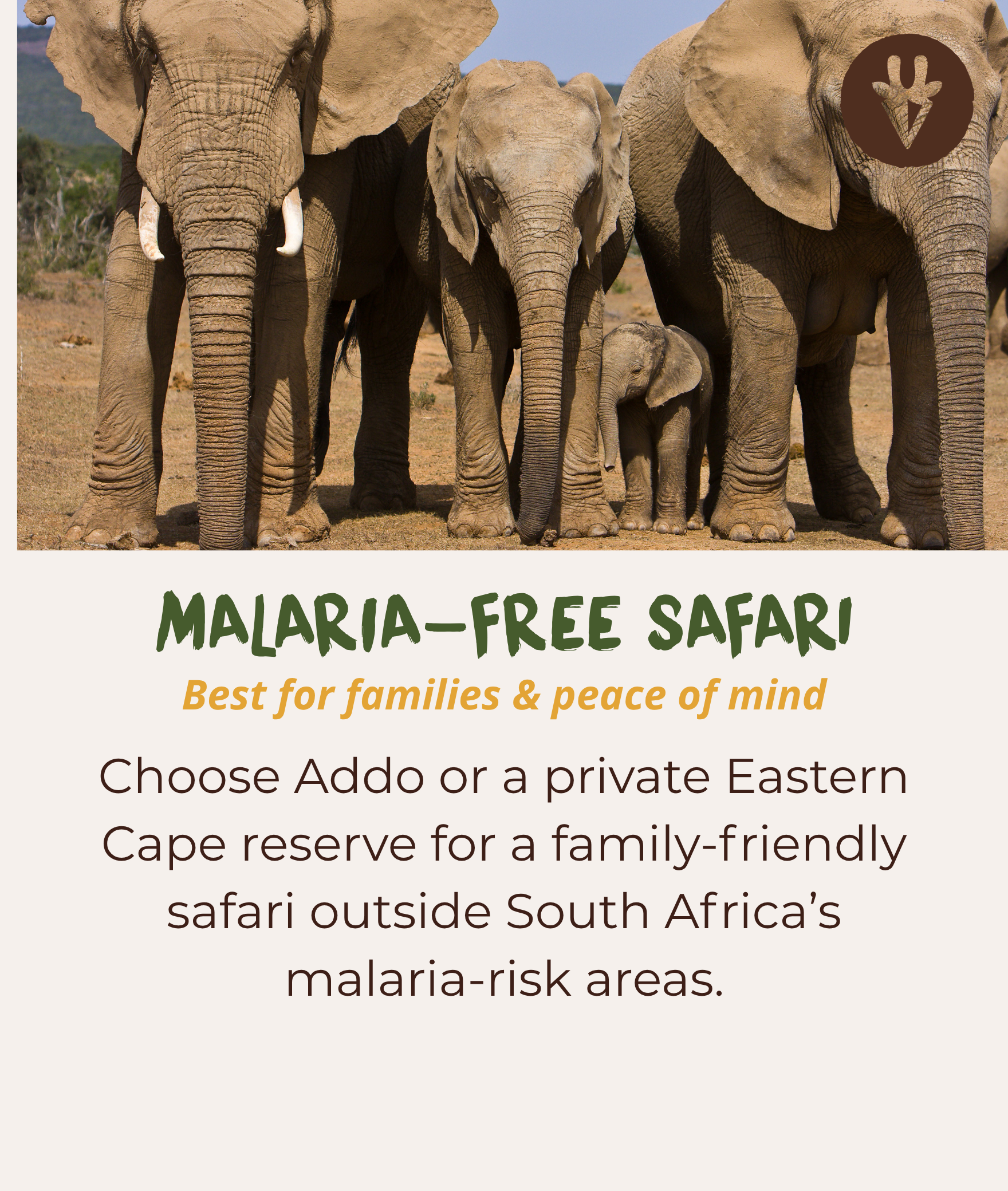
Most of South Africa, including Cape Town, the Winelands, the Garden Route, and Addo Elephant National Park, is malaria-free. Malaria precautions, including prescription medication, may be recommended for Kruger National Park and certain parts of northeastern South Africa, so consult a travel clinic before departure.
Major cities have high-quality private hospitals and emergency services. Comprehensive travel insurance with emergency evacuation cover is essential, especially when visiting remote safari areas.
Hotels and lodges generally offer Wi-Fi, while mobile coverage is reliable around cities and towns. Signal can be limited in remote reserves, making safari the perfect time for a small digital detox.
A well-planned trip to South Africa can be enjoyed safely, but the country has a high crime rate and sensible precautions are important. Stay in recommended areas, avoid walking alone or visiting isolated places after dark, and use reliable transfers when going out in the evening. When driving, keep the doors locked, windows closed, and valuables completely out of sight. Follow the routes provided by our local team rather than taking unfamiliar shortcuts suggested by your GPS.
Our itineraries use carefully selected accommodations and established travel routes. With 24/7 support available throughout your journey, local advice is always only a message or phone call away.
South Africa offers everything from independent self-drive safaris to luxurious stays in private game reserves. The right choice depends on how much freedom, guidance, and comfort you want.


First safari?
We recommend staying for at least three nights. This gives you several game drives and a much better chance of experiencing the bush at different times of day.
South Africa offers everything from affordable self-drive journeys to fully guided private tours. Your final budget depends on the season, accommodation level, group size, and number of safari days.
Prices are indicative and usually exclude international flights, fuel, travel insurance, visas, and meals or activities not listed in the itinerary.
Since every trip is tailor-made, our team adjusts the route, accommodation, and travel style to match your priorities and budget.
Every journey is built around your available time, interests, budget, and preferred travel style. Choose self-drive freedom, a private guide, or a combination of both.
We arrange your rental car, domestic flights, transfers, accommodations, and safari experiences in one seamless itinerary.
Our local experts select trusted accommodations and realistic driving routes, so you avoid rushed days and unnecessary detours.
Enjoy the independence of exploring South Africa with a support team ready to help whenever you need us.
From Cape Town and the Garden Route to Kruger and the Eastern Cape, every part of your journey fits naturally together.
Always wondered why Pumbaa from The Lion King was so happy? Because he embraced Hakuna Matata, a worry-free way of life. That is exactly how we want you to experience South Africa.
Delayed flight? Trouble with your rental car? An unexpected change along the way? With our Hakuna Matata Package, our team supports you when travel plans do not go quite as expected. We help coordinate practical solutions and adjust your itinerary, so you can focus on the journey instead of the logistics.
Core support is included free of charge, while selected optional services are available at an additional cost. Available services may vary depending on your destination and itinerary.

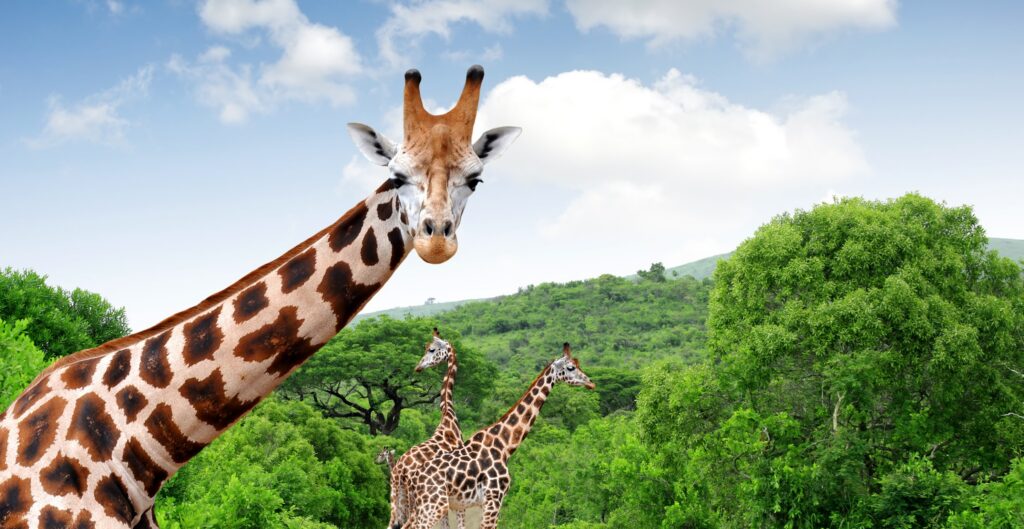
South Africa does not ask you to choose between city life, wild coastlines, excellent food, and unforgettable safaris. You simply need to combine them in the right order.
Tell our travel experts what you would love to experience, and we will create a tailor-made journey that fits your time, travel style, and budget. Your first South African adventure starts here.
Receive a free, no obligation quote
Start planning your dream trip