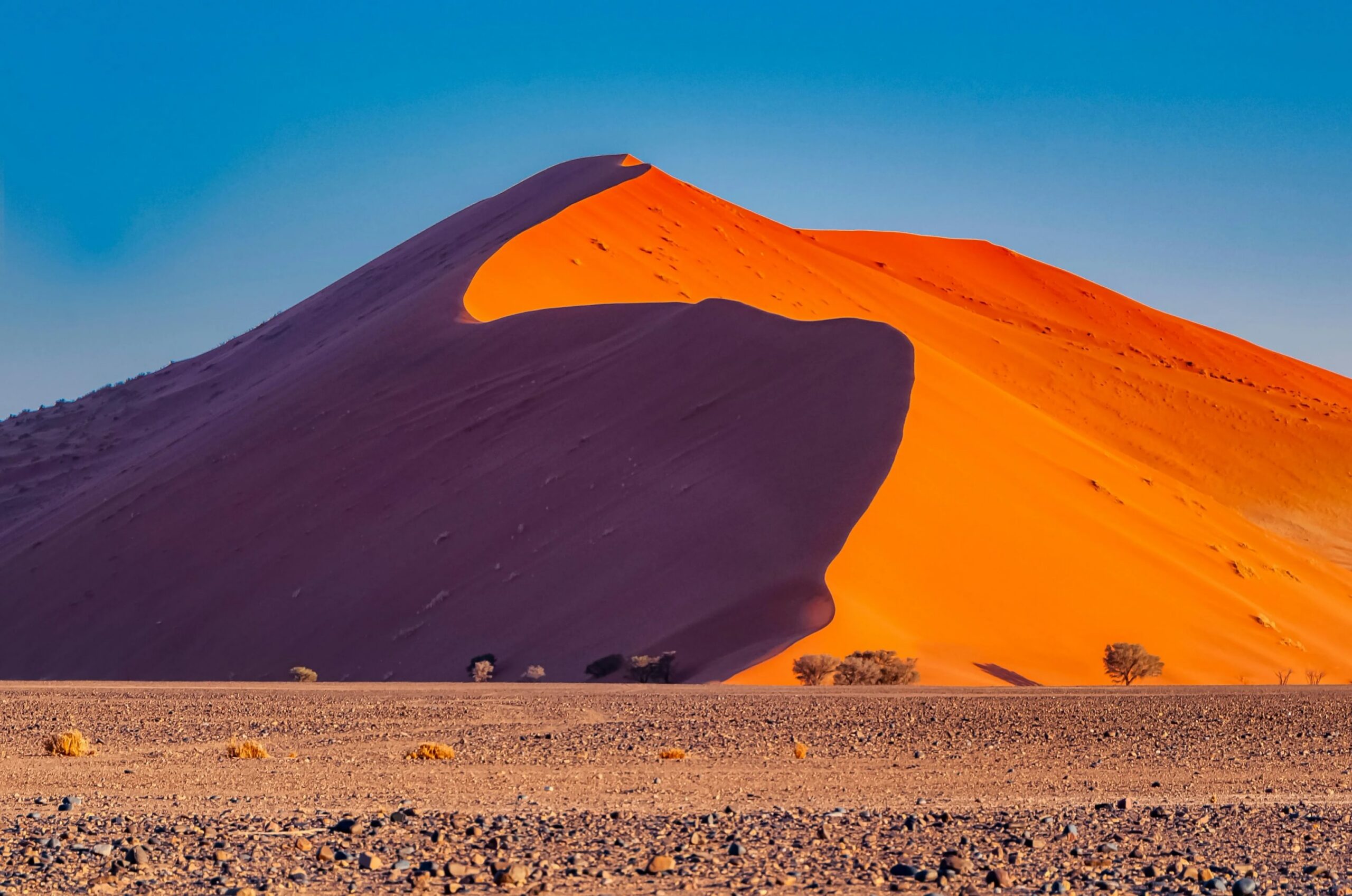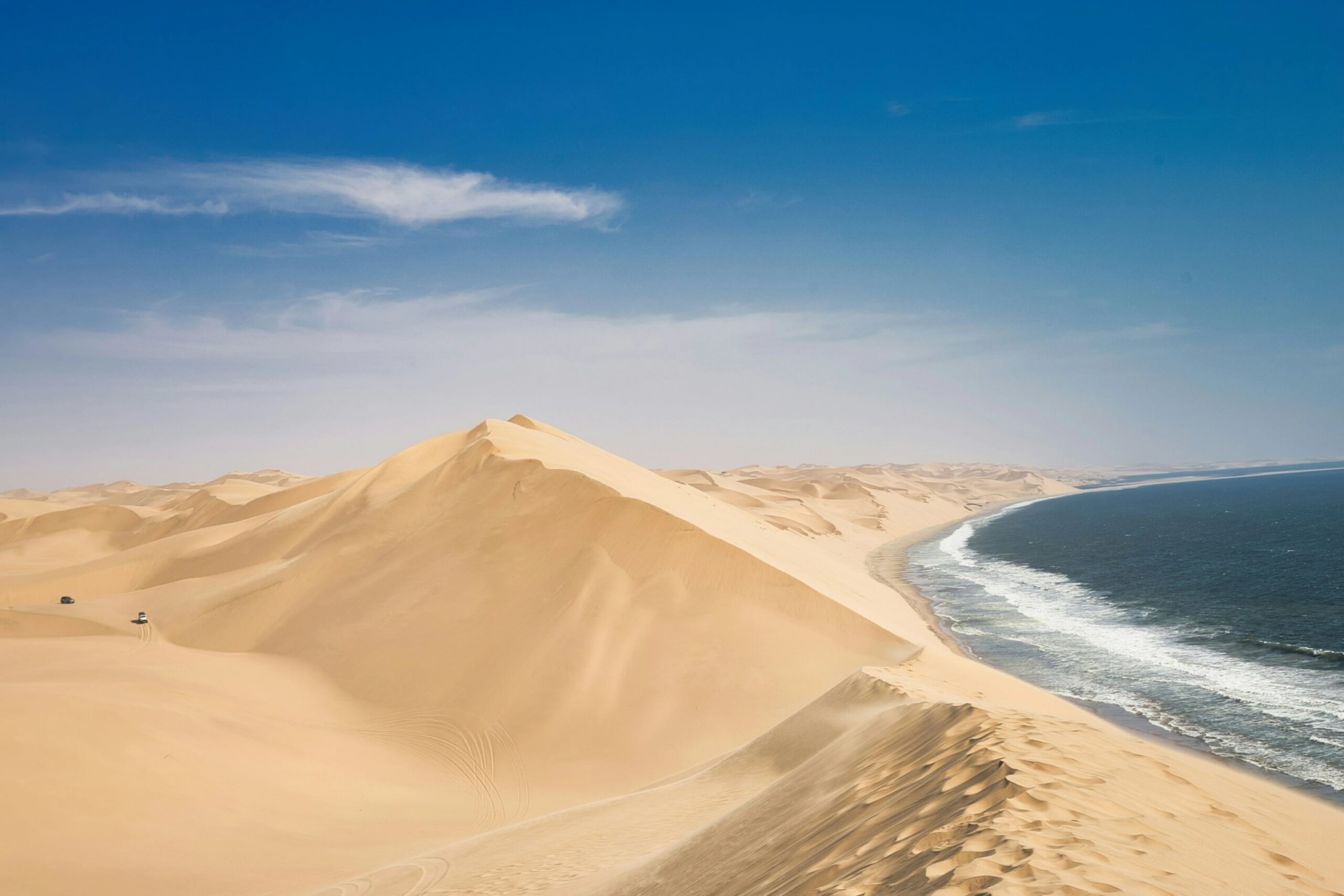


Huge, wavy sand dune from the front during sunset in Sossusvlei
Adventure
Beach and coast
Self-drive safari

16-day self-drive safari in Namibia: The Greatest Hits – Gold

From $5,379 USD* / Nature, history, wildlife & more / 16 days

*price p.p. incl. rental car and hotels, excl. international flight (based on six persons)

Itinerary

Exploring all that Africa has to offer is a dream for many. From epic Kenya safari adventures spotting Africa’s Big Five, going on a Gorilla trekking in Uganda or relaxing at Diani Beach: Africa has it all. Good news: Africa Safari Trips can build a custom-made itinerary that suits all your wishes.

Our most popular itineraries can help you find some inspiration. A lot of our clients love to end their exciting safari with a few days of relaxation on Africa’s most stunning beaches. Would you like that as well?

Whether you choose one of our popular itineraries or prefer to customize your journey, we are here to assist you. Come aboard and get ready to explore Africa at your own pace, exactly the way you like it!
Day 1

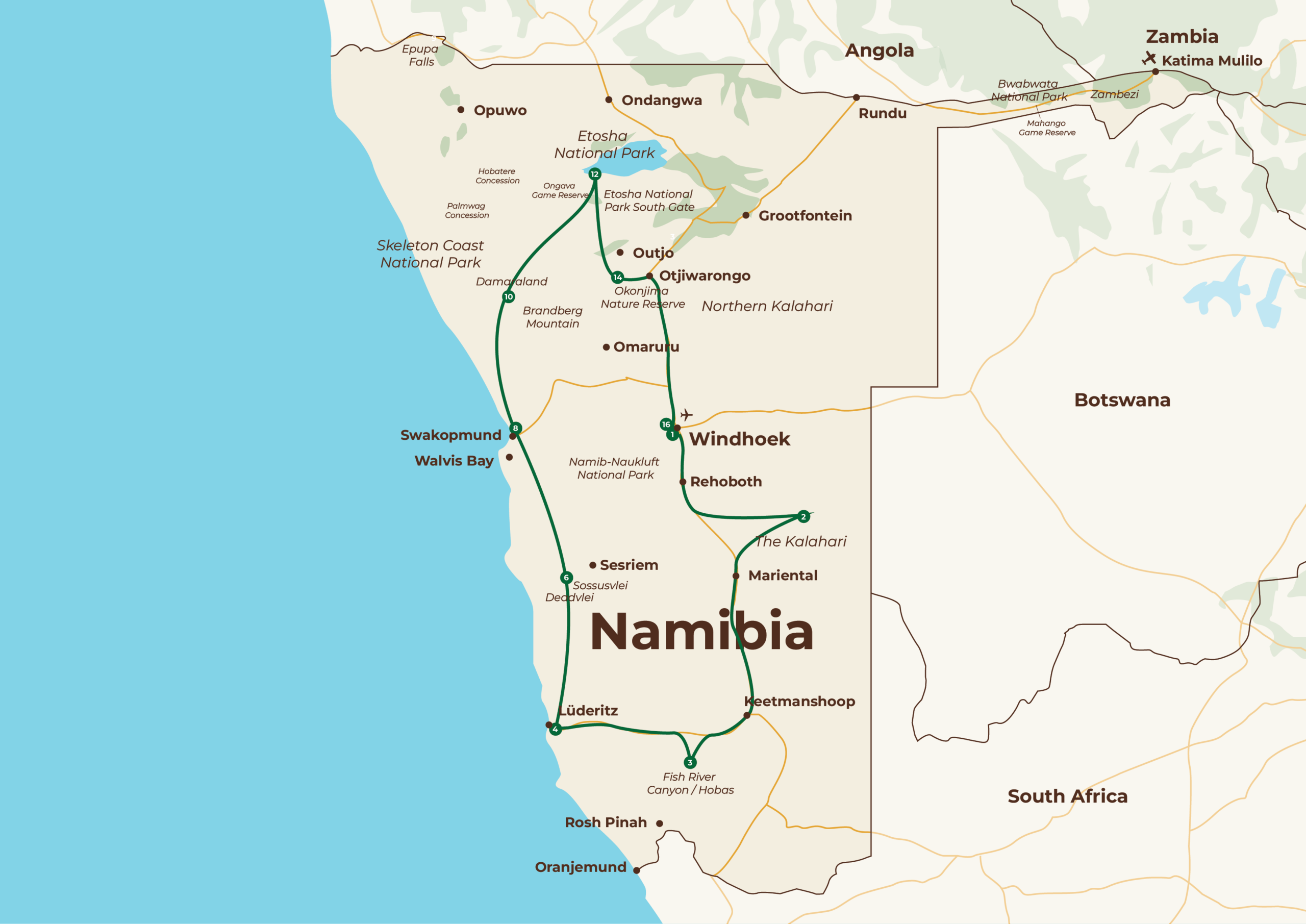
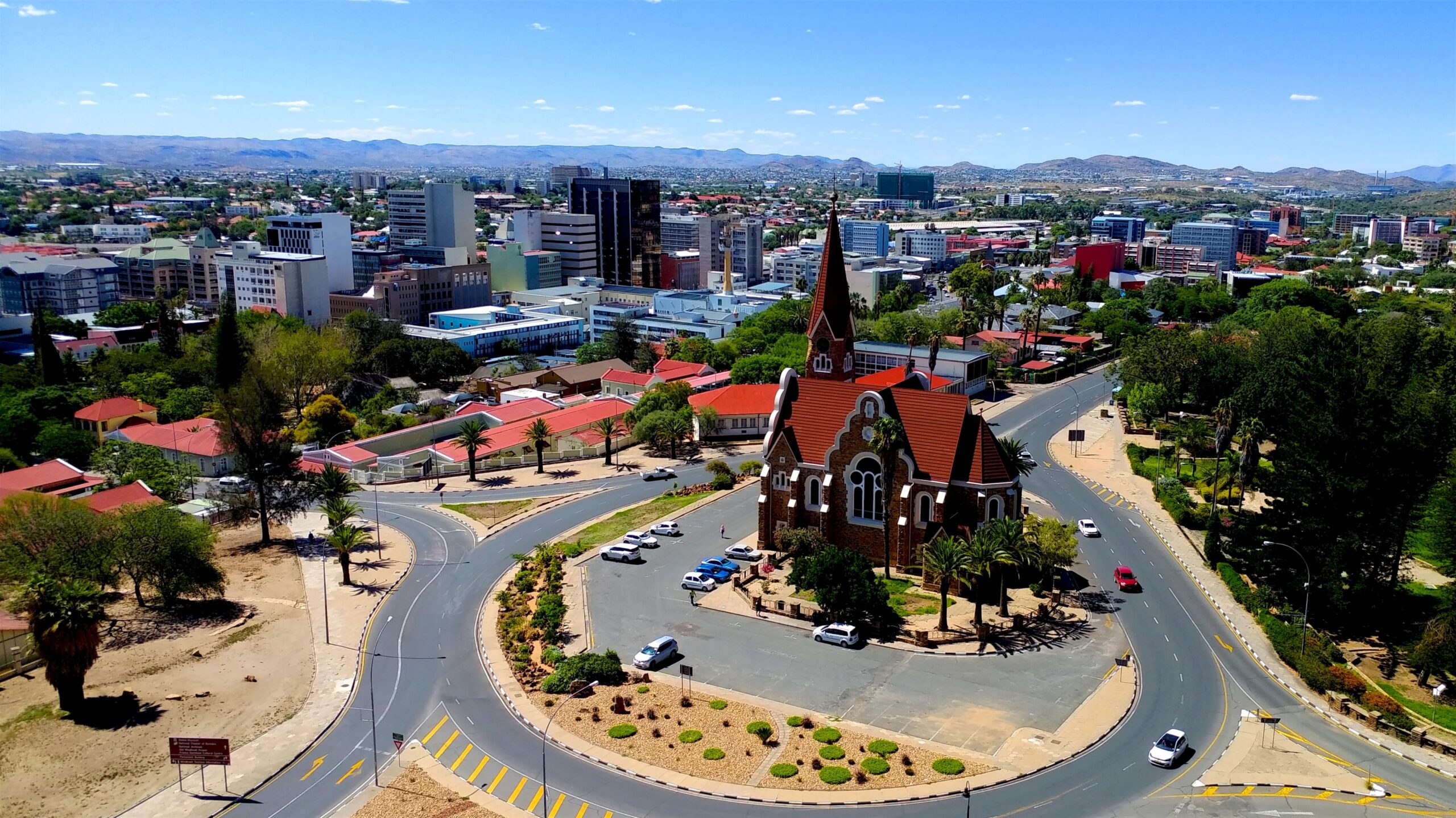
Arrival at Hosea Kutako International Airport in Windhoek

As you step off the plane at Hosea Kutako International Airport, the dry desert air hits you right away - a quick taste of the landscapes that await. After clearing immigration and collecting your luggage, you'll be met by a representative of our office. Whether you're spending your first night in Windhoek or heading straight to your next destination, today is all about settling into the country's rhythm. Namibia is made for self-drive travel: open roads, vast horizons and plenty of space to explore at your own pace. Over the coming days, you'll journey through some of Africa's most spectacular scenery, from towering dunes and rugged mountains to wildlife-rich national parks and dramatic coastlines.

Activities:

Accommodations:

Day 2

The Kalahari

Dating back 40 to 60 million years, Namibia’s Kalahari is a world of rust-red dunes, grassy plains and surprisingly abundant life. Unlike the towering dunes of the Namib, its lower, sweeping dunes are dotted with hardy vegetation and turn green after the rain. Oryx, giraffe, meerkats and even the black-maned Kalahari lion roam the region, while the San have called this ancient landscape their home for around 20,000 years. Add in spectacular sunsets, star-filled skies and an almost endless sense of space, and this quieter corner of Namibia makes a compelling detour from the desert classics.

Activities:

Accommodations:

Day 3

Fish River Canyon

Ancient and seriously impressive, the Fish River Canyon is one of Namibia’s great natural wonders. Stretching 160 kilometres through the arid south, it's the second-largest canyon in the world after the Grand Canyon, with sheer rock walls dropping up to 549 metres into the valley below. The canyon forms part of the Ais-Ais/Richtersveld Transfrontier Park, and the main viewpoint is at Hobas. The Fish River Canyon certainly didn't appear overnight. Its story began more than a billion years ago... add tectonic forces, glaciers and millions of years of erosion by the Fish River, and you get the spectacular canyon we see today. Enjoy its spectacular viewpoints rather than walking down (which will take you 5 days) - after all, there’s plenty to admire from the top!

Activities:

Accommodations:

Day 4 - 5

Lüderitz

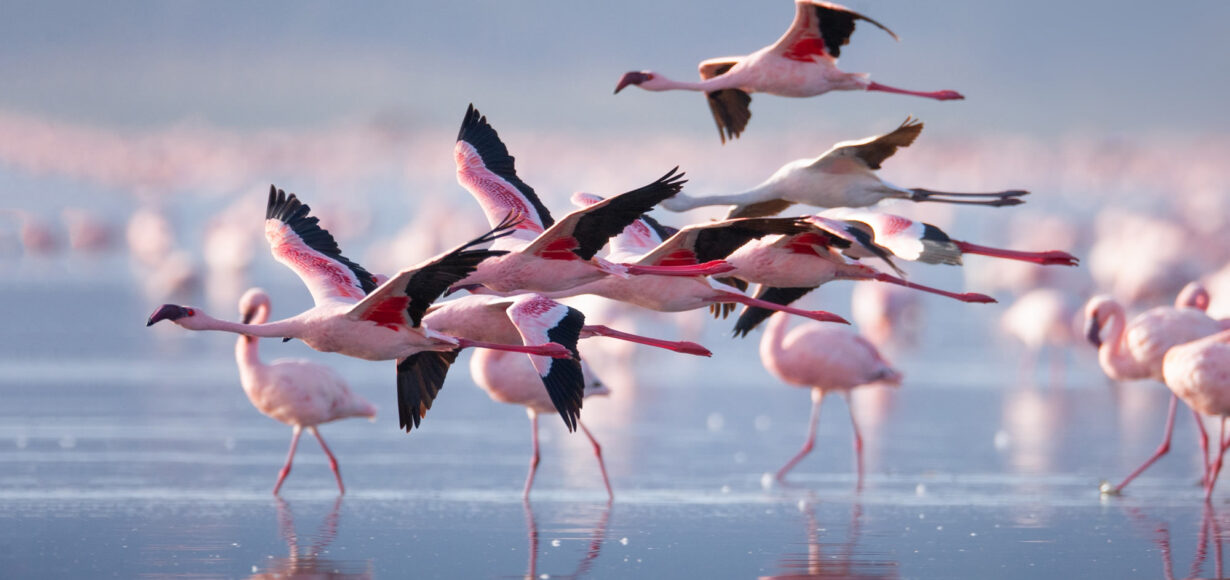
At the end of the B4, where the Namib Desert meets the Atlantic, Lüderitz feels like Namibia’s wonderfully quaint little outpost. This harbour town is known for its German colonial architecture, the iconic Felsenkirche and its connection to nearby Kolmanskop, the diamond-rush ghost town. Founded in 1883 as a trading post, Lüderitz enjoyed a spectacular boom after diamonds were discovered - followed by the inevitable bust. Beyond its historic streets, the rugged coastline is well worth exploring. Head towards Diaz Point, passing bays, lagoons and islands along the way, and discover the stone cross erected here by Portuguese explorer Bartolomeu Dias in the late 15th century. Sit down on the rocks, take in the wild scenery and keep an eye out for flamingos and seals.

Activities:

Accommodations:

Day 6 - 7

Sossusvlei

A line of towering, rust-red dunes rising sharply from luminous white salt pans - this is Sossusvlei. It’s the most iconic and visited part of the 55 million-year-old Namib Desert, with Dune 45 and Big Daddy being the most photographed dunes in the world. Deadvlei adds a surreal twist, with 900-year-old tree skeletons frozen in time on a stark white pan. And yet, Sossusvlei is teeming with life, thanks to Atlantic mists and ingenious plants. This is desert theatre at its finest!

Activities:

Accommodations:

Day 8 - 9

Swakopmund

Swakopmund is the most touristic coastal town of Namibia, which sits perfectly between the Namib Desert and the Skeleton Coast. Here, palm trees and colourful German-inspired houses border the coast while massive dunes dominate the other side of town. Museums, libraries and the Mondesa township retrace the history of the town, while the dunes and the ocean guarantee adventure, with possibilities to go sandboarding, quadbiking, fishing, or hiking.

Activities:

Accommodations:

Day 10 - 11

Damaraland

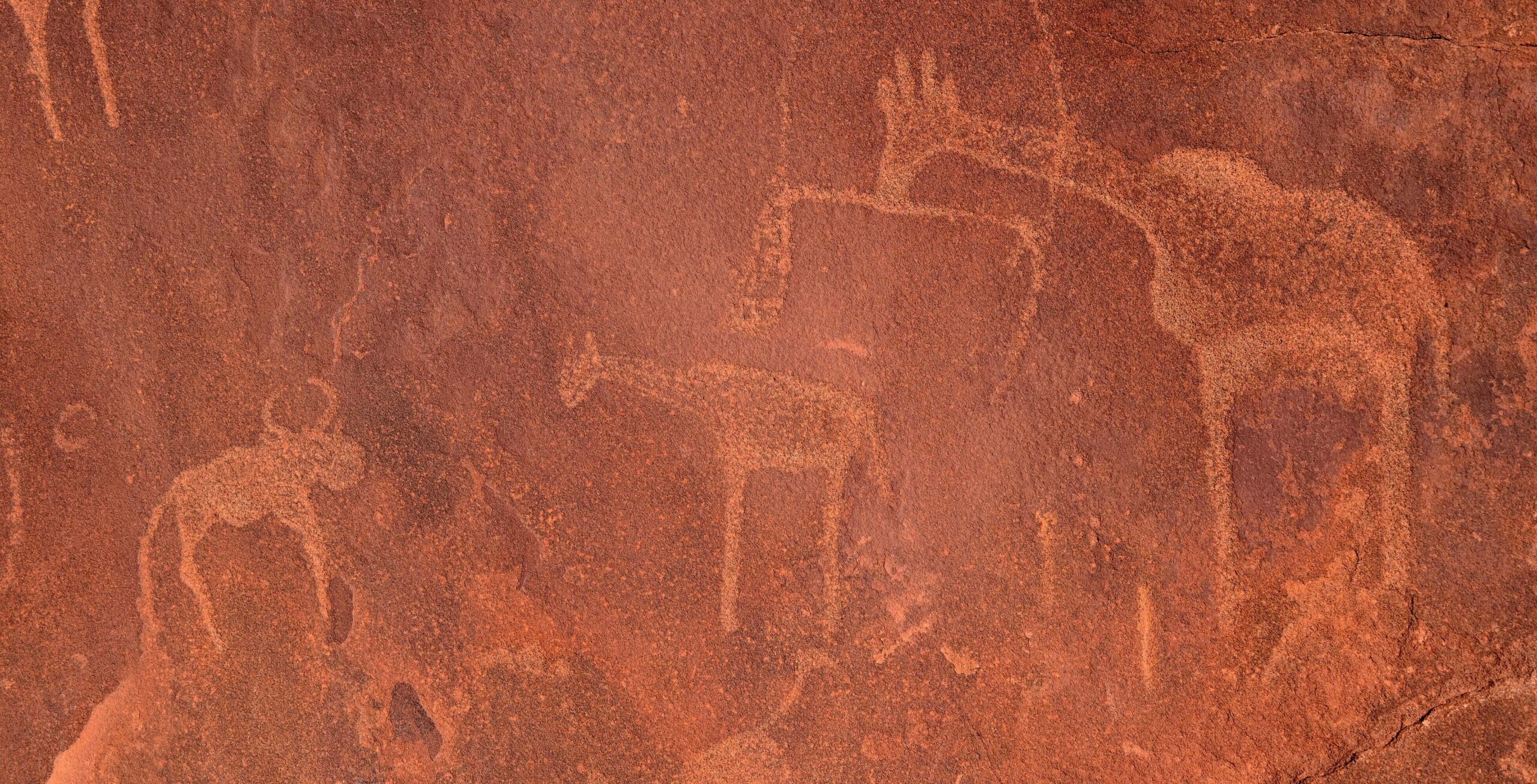
Damaraland is one of Namibia’s most distinctive regions, stretching across a remote landscape of rocky desert shaped by ancient volcanic activity. Known for its desert-adapted wildlife, it offers sightings of elephants, rare black rhinos, giraffes, leopards, and even desert lions, all moving freely across open terrain. Places like Twyfelfontein reveal thousands of ancient rock engravings, while landmarks like Brandberg Mountain rise dramatically above the plains.

Activities:

Accommodations:

Day 12 - 13

Etosha National Park

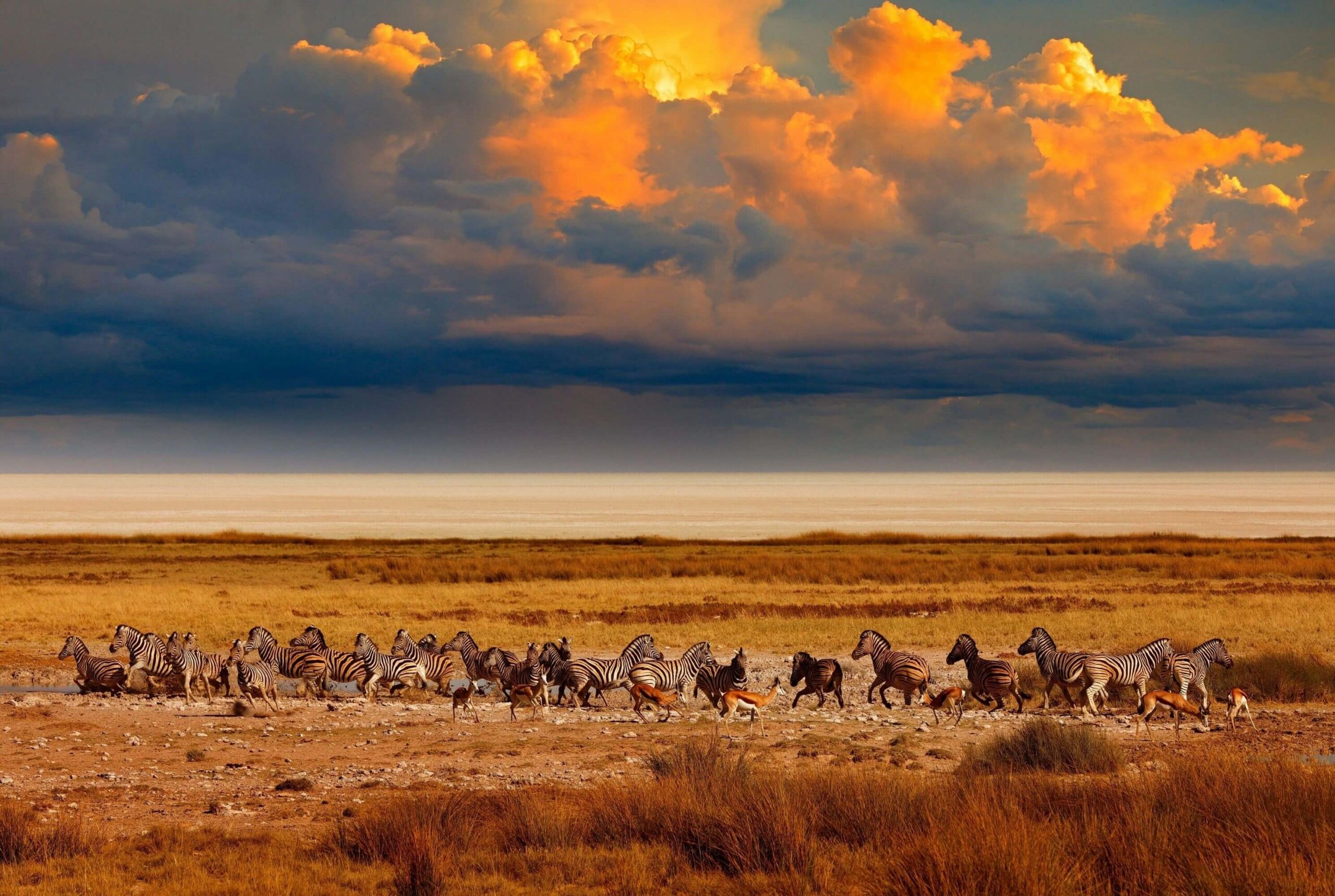
Etosha National Park is Namibia's premier wildlife destination, built around a vast salt pan in the country's north. Four of the Big Five roam its 22,270 square kilometres, including one of Africa's largest black rhino populations, and the park's iconic floodlit waterholes deliver some of Africa's most reliable game viewing. The park divides into four distinct sectors, and no two visits are quite the same. Whether you visit in the dry season for intense waterhole action or the wet season for a flamingo-filled pan, Etosha rewards year-round.

Activities:

Accommodations:

Day 14 - 15

Okonjima Nature Reserve

Okonjima Nature Reserve covers 22,000 hectares in central Namibia between Windhoek and Etosha National Park, making it a popular stop for travellers. Once cattle farmland, it was fully fenced in 2010 and restored as a wildlife sanctuary featuring savannah, woodland, acacia thickets and rocky hills. Closely tied to the AfriCat Foundation, the reserve focuses on carnivore conservation (especially leopards and brown hyenas) while also offering rare chances to see pangolins. It supports giraffe, zebra, wildebeest, kudu and other antelope, along with more than 250 bird species.

Activities:

Accommodations:

Day 16

Flight back home from Hosea Kutako International Airport

As you board your flight home from Hosea Kutako International Airport, take a moment to look back on your time in one of Africa’s most striking countries. From endless dunes and dramatic desert landscapes to unforgettable wildlife encounters, Namibia leaves plenty of memories to take home. We hope you’ve enjoyed every kilometre of the journey. Safe travels!