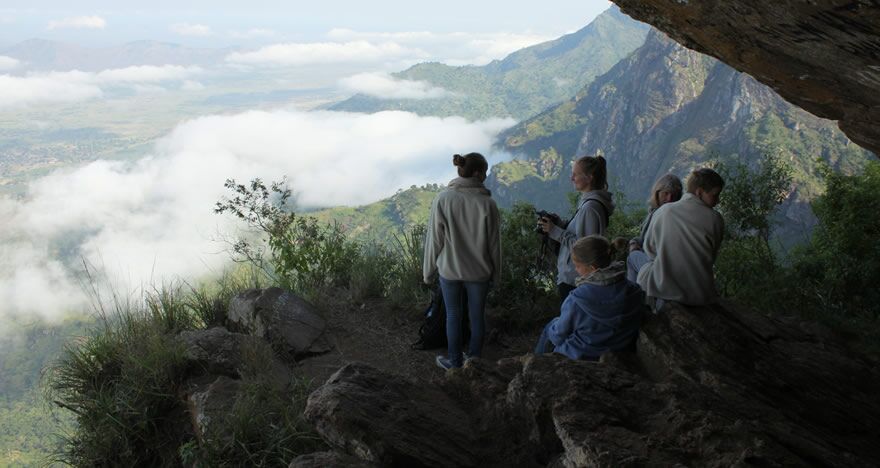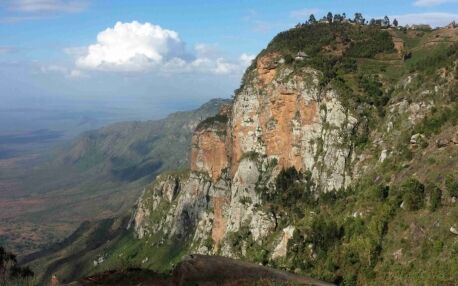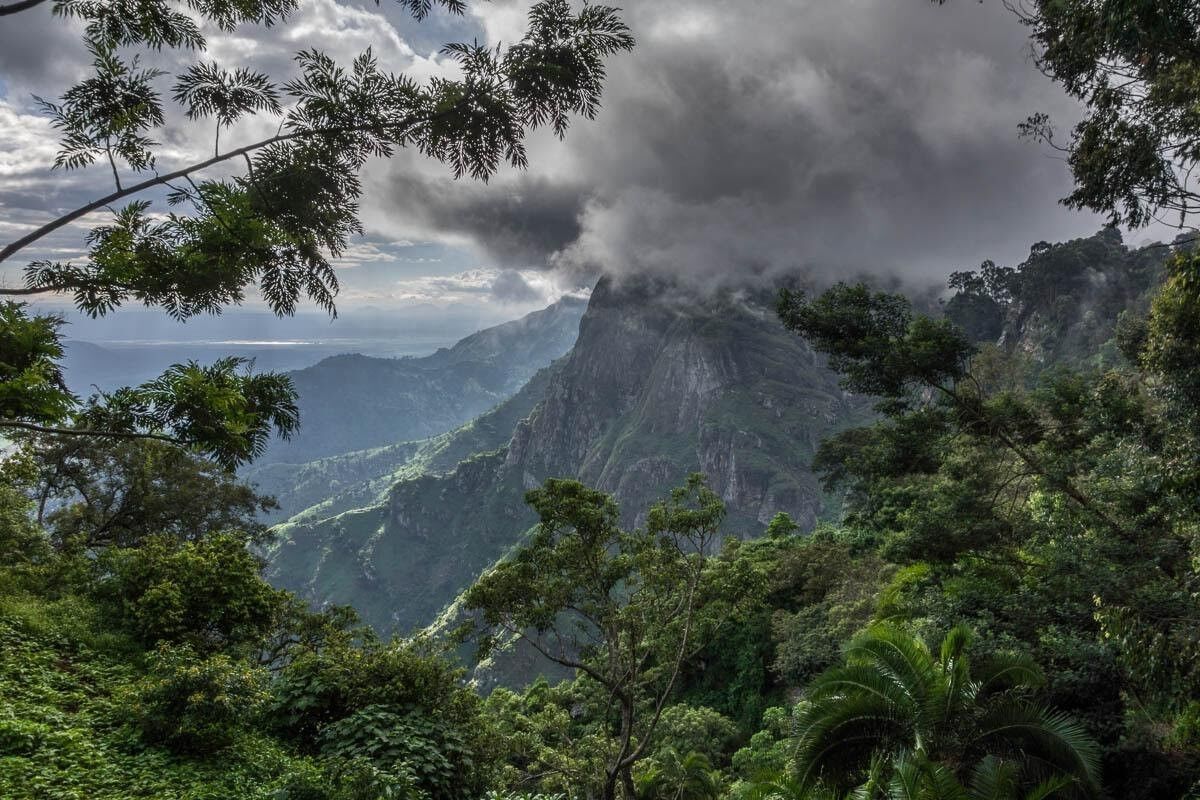
Dramatic mountain peaks surrounded by mist and lush green forests in the Usambara Mountains, Tanzania.

Usambara Mountains

TripAdvisor Travellers' Choice

Misty mountain peaks. Lush green forests filled with birdsong. Winding trails leading past colourful villages and breathtaking viewpoints. Let us take you to the Usambara Mountains, one of Tanzania’s lesser-known natural treasures! Located in northeastern Tanzania, this beautiful mountain range offers a completely different experience from the country’s famous safari parks. Whether you’re looking for scenic hikes, encounters with local communities or simply a peaceful escape into nature, the Usambara Mountains have plenty to offer.

Wildlife in the Usambara Mountains

The Usambara Mountains may not be a traditional Big Five safari destination, but they’re home to an incredible variety of plants and animals. Their ancient tropical forests are considered a biodiversity hotspot, with several species found nowhere else in the world.

Keep your eyes open for colourful chameleons, monkeys, butterflies and rare birds. Birdwatchers have the chance to spot species such as the Usambara eagle-owl, Usambara akalat and Hartlaub’s turaco. The forests are also home to an impressive variety of trees, ferns and flowering plants, including the African violet.

Here, it’s often the little things that make the biggest impression. A chameleon hiding among the leaves, the call of an unfamiliar bird or a beautiful butterfly fluttering past: every walk brings something new to discover.

Information and facts

Part of the ancient Eastern Arc Mountains, the Usambara Mountains are known for their exceptional biodiversity, pleasantly cool climate and unique plant and animal species, some of which are found nowhere else in the world.

Most common animals

  • Chameleons
  • Monkeys
  • Butterflies
  • Birds

Facts about the Usambara Mountains

  • Location: Tanga Region, northeastern Tanzania
  • Mountain range: Part of the Eastern Arc Mountains
  • Best known for: Hiking, tropical forests and breathtaking viewpoints
  • Highlights: Irente Viewpoint, Magamba Nature Forest Reserve and Amani Nature Reserve
  • Best time to visit: June to October
  • Recommended stay: 2–3 days

Tripadvisor experiences

Hiking in the Usambara Mountains

If you love exploring on foot, the Usambara Mountains are a true hiking paradise. Trails wind through lush forests, fertile farmland and picturesque villages, with spectacular views waiting around almost every corner. From relaxed day hikes to multi-day treks, there’s something for different fitness levels and interests.

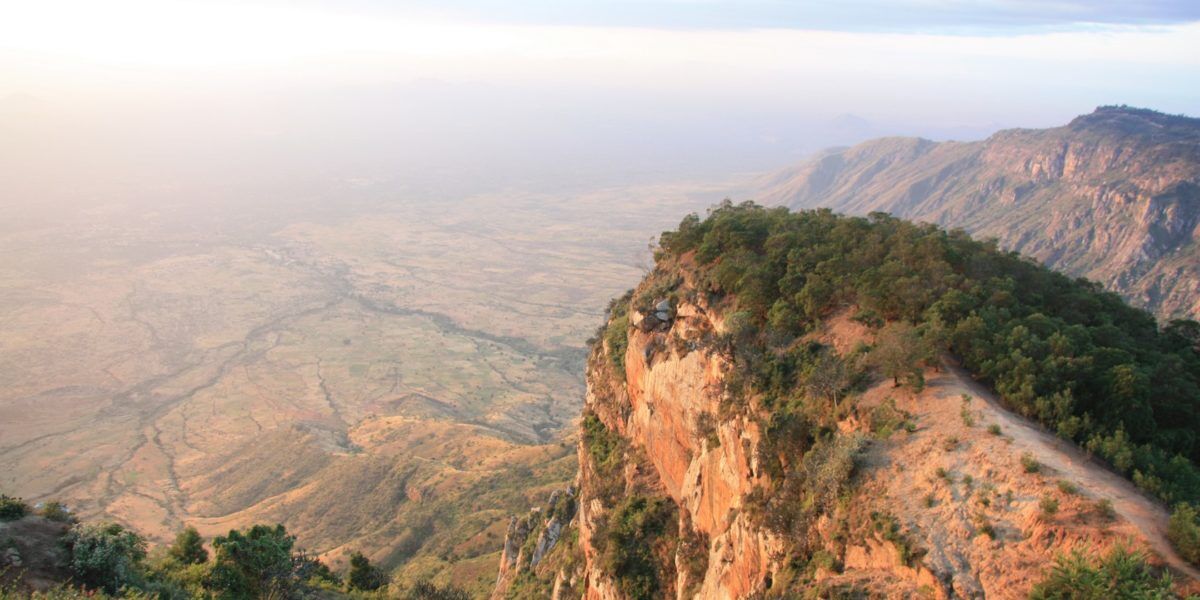
One of the most popular hikes leads to Irente Viewpoint, near the town of Lushoto. From here, you can admire sweeping views of the Maasai plains almost 1,000 metres below. Another highlight is Magamba Nature Forest Reserve, where you can walk beneath towering trees, listen to tropical birds and keep an eye out for playful colobus monkeys.

Looking for a longer adventure? The trails towards Mtae take you through peaceful mountain villages and beautiful countryside. Along the way, a local guide can introduce you to the traditions and everyday life of the people who call these mountains home.

East and West Usambara Mountains

The Usambara Mountains are divided into two distinct areas, each with its own landscapes and attractions.

West Usambara Mountains

The western mountains are the most popular area for hiking, with Lushoto serving as the main starting point. Expect rolling green hills, traditional villages, scenic farmland and breathtaking viewpoints. Highlights include Irente Viewpoint, Magamba Forest and the walking trails towards Mtae.

East Usambara Mountains

The eastern mountains are generally wetter and more densely forested, making them particularly interesting for nature lovers. Here, you’ll find Amani Nature Reserve, an area known for its exceptional biodiversity, tropical vegetation and birdlife. It’s a wonderful place to explore the rainforest and discover some of Tanzania’s lesser-known wildlife.

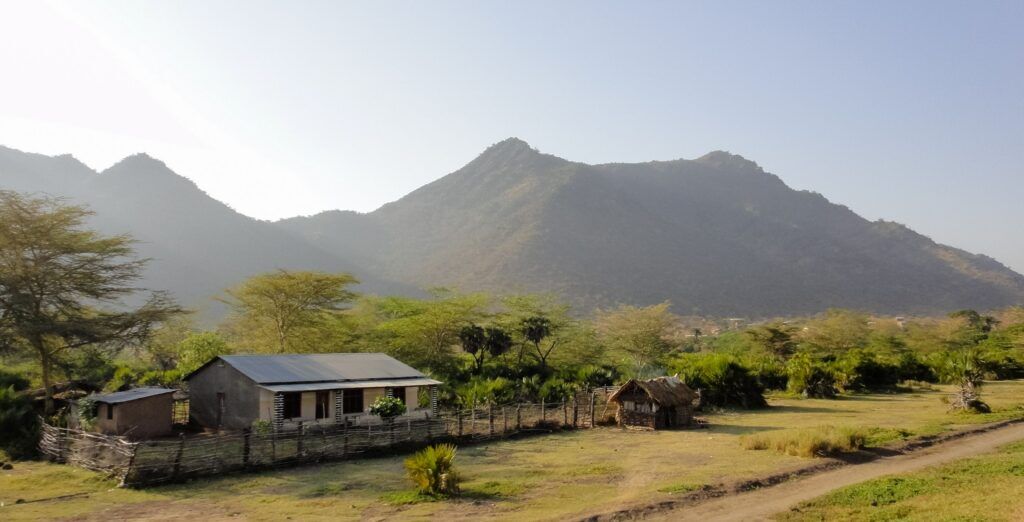
Rural Village in the Usambara Mountains
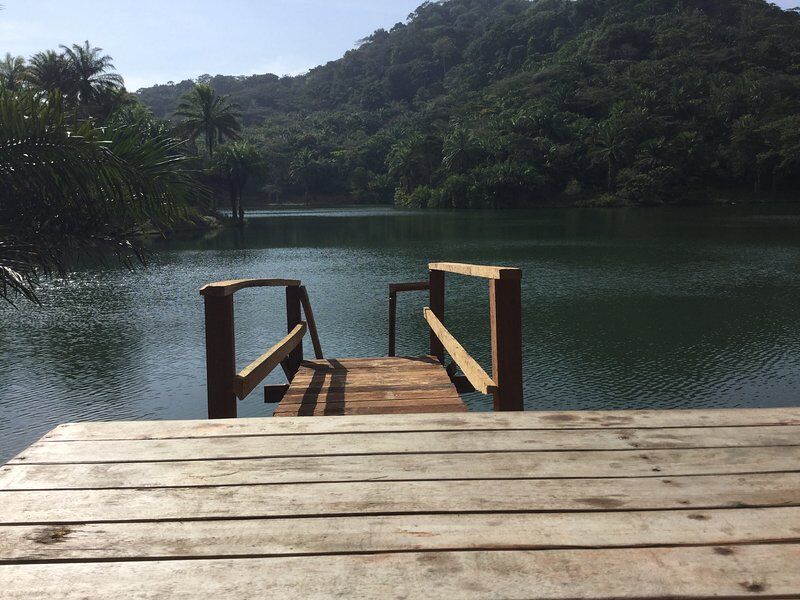
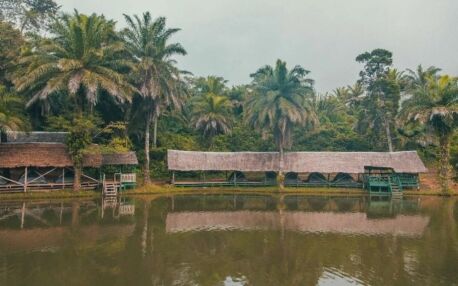
Peaceful Lake in the Usambara Mountains

How to get to the Usambara Mountains

The Usambara Mountains are located in northeastern Tanzania and are best reached by road. Most travellers visiting the western mountains head to Lushoto, the main starting point for hikes and excursions in the area.

The journey takes approximately three hours from Tanga, six hours from Moshi or eight hours from Arusha, depending on road conditions and your exact destination.

If you’re visiting the eastern Usambara Mountains, you’ll usually travel via Muheza towards Amani Nature Reserve.

Although the Usambara Mountains aren’t part of the classic northern safari circuit, they can make a wonderful addition to a longer Tanzania holiday. We’ll happily help you find the best route to include them in your itinerary!

Best time to visit the Usambara Mountains

Good news: the Usambara Mountains are beautiful throughout the year! Thanks to their higher elevation, temperatures are generally milder than in Tanzania’s lowland safari parks. However, if hiking is your main priority, the drier months are usually the best choice.

June–October

The dry season offers some of the best conditions for hiking, with generally clearer skies, less muddy trails and spectacular mountain views.

November–February

The landscapes remain beautifully green, although occasional rain showers can occur, particularly in November and December. It’s still a lovely time to explore the area.

March–May

The main rainy season brings lush vegetation and flowing waterfalls, but hiking trails can become slippery and muddy. Some longer walks may be more challenging during this period.

Mountain weather can be unpredictable, so it’s always a good idea to come prepared for changing conditions, even during the drier months.

Climate in the Usambara Mountains

The Usambara Mountains have a pleasant mountain climate, with generally mild daytime temperatures and cooler mornings and evenings. Their elevation and forest cover make them noticeably cooler than many other parts of Tanzania.

Rainfall varies between seasons and locations. The East Usambara Mountains are typically wetter, while the western mountains experience somewhat drier conditions.

Whatever time of year you visit, packing layers is a good idea. Comfortable hiking shoes, a light jacket and rain protection will come in handy, especially when exploring the forests or hiking at higher elevations.

Where to stay in the Usambara Mountains

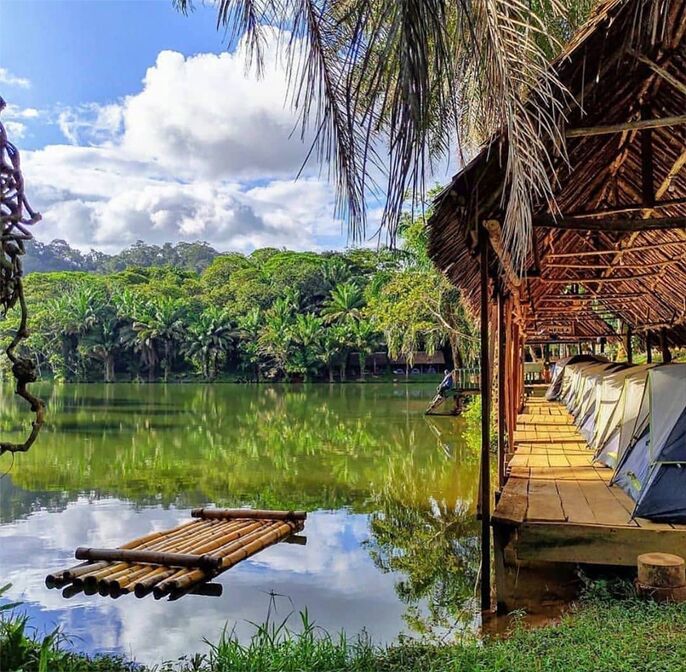
Enjoy a peaceful stay surrounded by the natural beauty of the Usambara Mountains. These accommodations offer the perfect place to relax after a day of exploring.

Frequently asked questions about the Usambara Mountains

Planning a visit to the Usambara Mountains? You probably have a few questions! From the best time to go and the most beautiful hiking routes to how many days you should spend there, we’ve got you covered. Here are the answers to some of the most frequently asked questions.