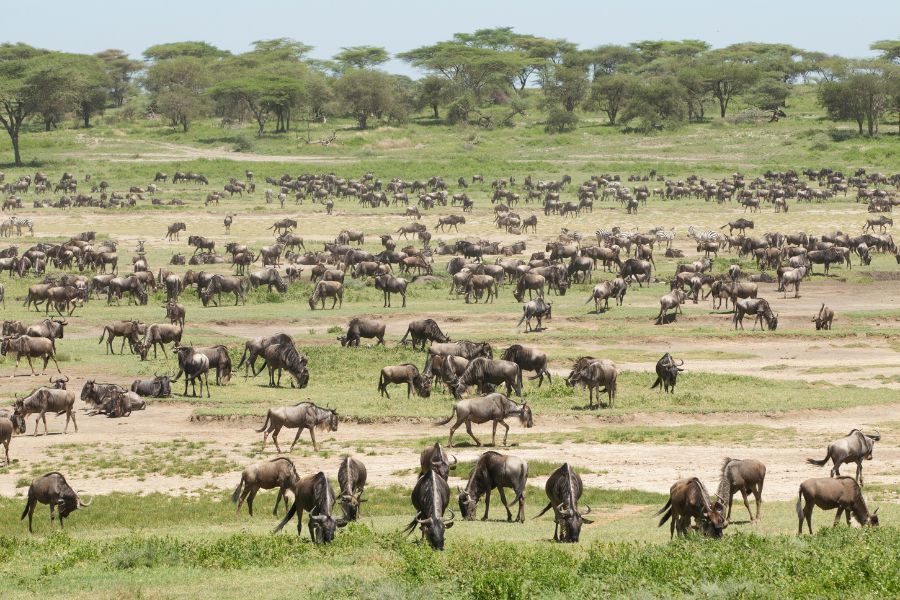
Massive herd of wildebeests grazing across the open grassy plains of Ndutu during the Great Migration season

Ndutu Region

TripAdvisor Travellers' Choice

Ndutu sits where the plains of the Ngorongoro Conservation Area meet the southern section of Serengeti National Park, with acacia woodlands, open grasslands and shallow alkaline lakes.

Visitors come for the Great Migration calving season as well as resident wildlife such as big cats, elephants and giraffes.
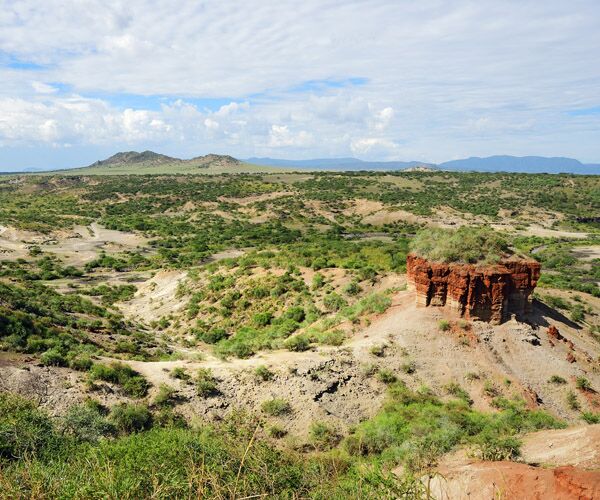
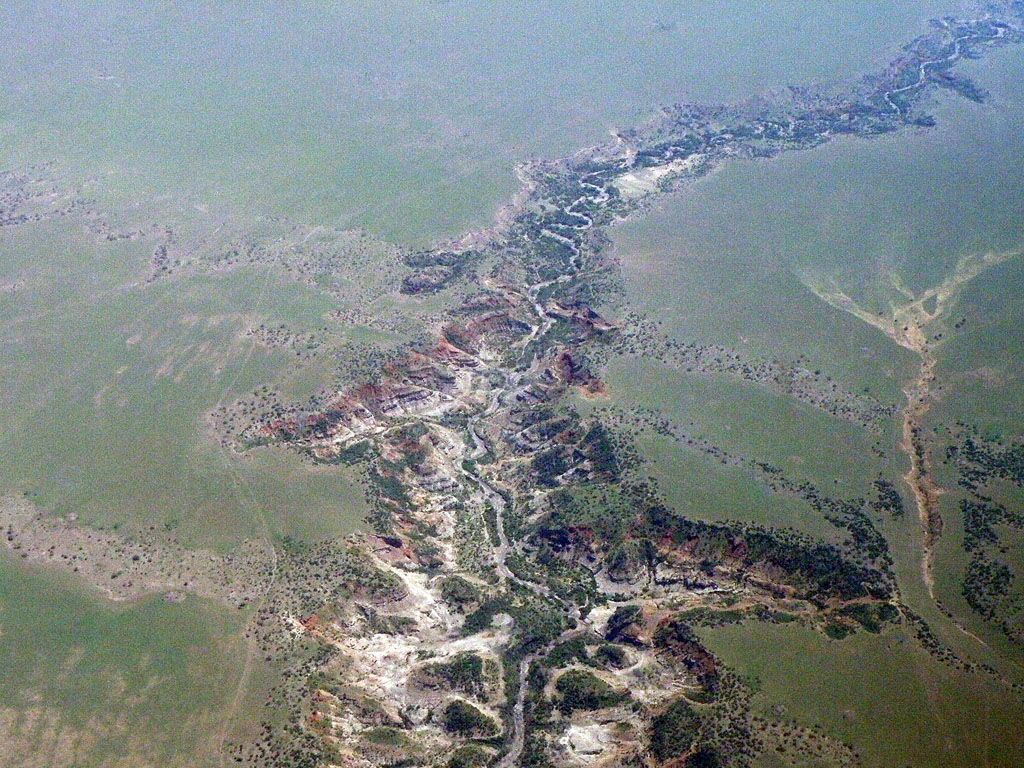
Panoramic view of the steep Olduvai Gorge ravine and surrounding landscape in Tanzania

Discover the Wild Plains & Calving Grounds of Ndutu

Ndutu is known for its resident wildlife and its role in the Great Migration. Wide grasslands give animals space across the year, with elephants, giraffes and hyenas moving through in every season. Out on the open plains, thousands of calves arrive during the calving season.

Around the shallow waters of Lake Ndutu, large herds gather to drink and graze. To the east, towards the Ngorongoro Crater, the landscape of Olduvai Gorge cuts through the Rift Valley with a history tied to early human evolution.

Ndutu also fits easily into a wider northern safari circuit alongside the Ngorongoro Crater and central Serengeti. With wildlife and historical sites in the same area, an afternoon game drive can offer plenty to see.

Information and facts

The Ndutu Region forms part of the Ngorongoro Conservation Area and borders the unfenced southern section of Serengeti National Park. Set across plains, acacia woodlands and alkaline lakes, it offers focused wildlife viewing across the seasons.

Must-visit landmarks & spots

  • Lake Ndutu: A shallow alkaline lake serving as a vital water source and a prime game-viewing hotspot.
  • Olduvai Gorge: A 48 km-long ravine in the Great Rift Valley with major paleoanthropological discoveries.
  • Lake Masek: Sharing the same scenic basin just east of Lake Ndutu inside the Ngorongoro Conservation Area.
  • The Granite Kopjes: Dramatic rock outcrops scattered across the plains, favourite resting spots for lions and leopards.
  • Olduvai Gorge Museum: A fascinating site to explore fossils and artefacts dating back millions of years.

Highlights of Ndutu

  • Part of the Ngorongoro Conservation Area, covering over 8,000 km².
  • Calving area for the Great Migration from late December to March, peaking in February.
  • One of the few areas in the Ngorongoro Conservation Area where off-road driving is permitted.
  • Steady resident wildlife, including elephants, giraffes and big cats.
  • Good spots for cheetahs, servals and occasionally wild dogs.
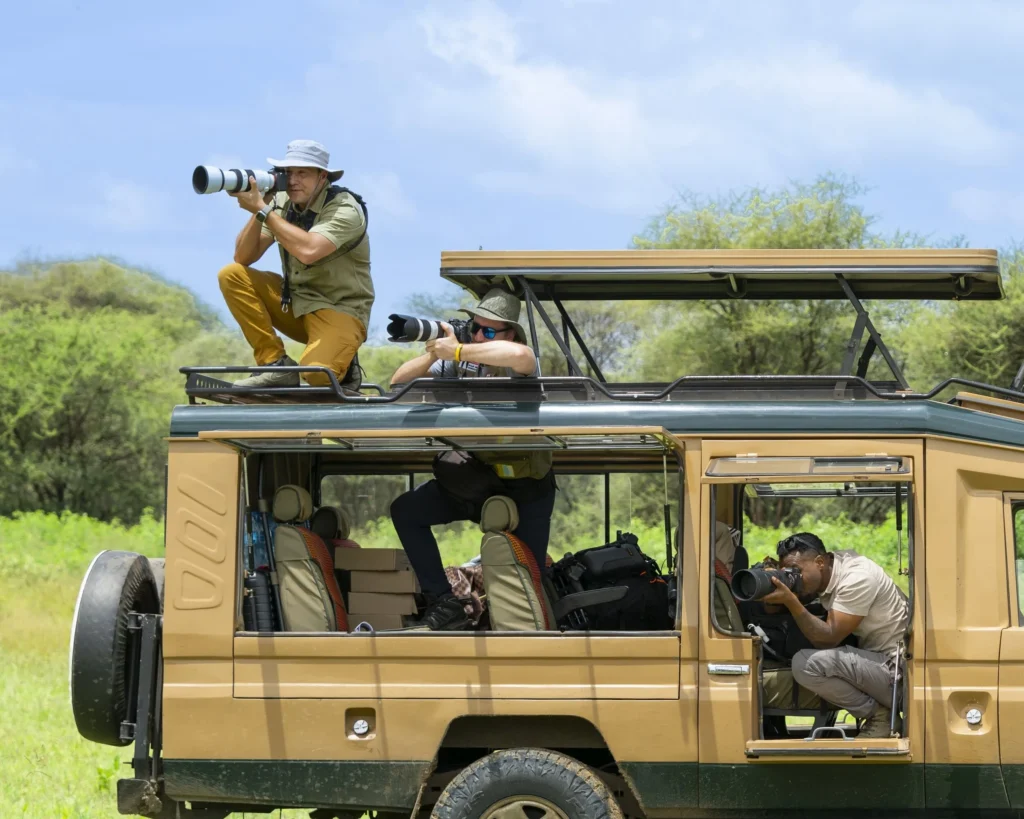
  • Open plains and acacia woodlands suited to wildlife photography.

Most Common Animals

  • Wildebeest
  • Zebra
  • Antelope
  • Giraffe
  • Elephant
  • Hyena
  • Lion
  • Cheetah
  • Leopard
  • Serval
  • African wildcat
  • Caracal

Lake Adventures & Prehistoric Echoes

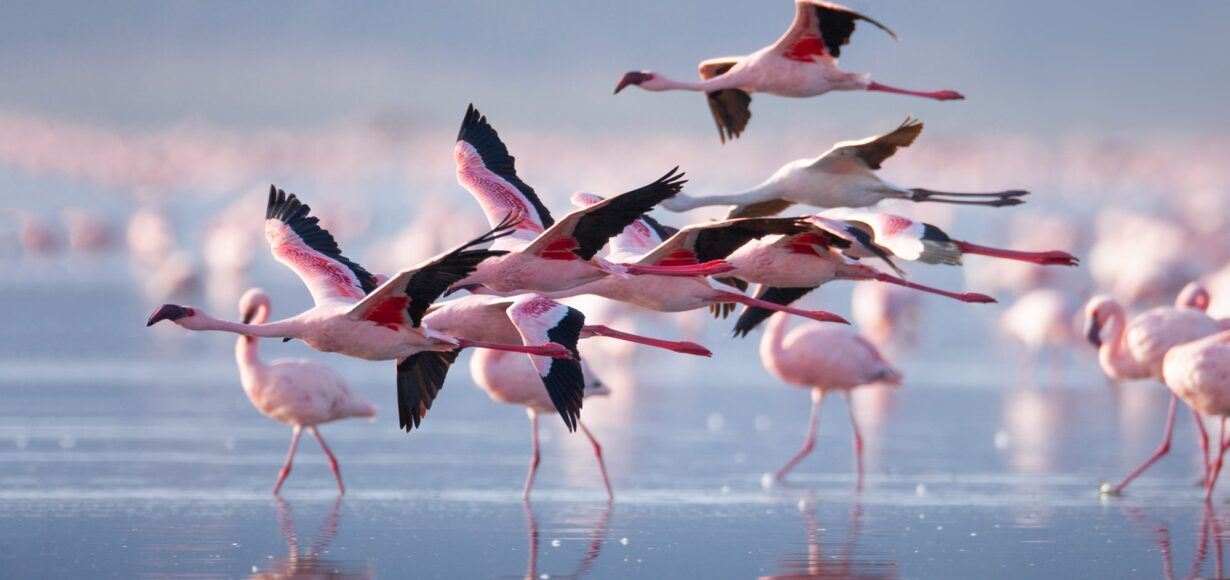
Around Lake Ndutu, large herds gather along the shoreline and shallow alkaline waters as dust rises from drier ground nearby. Mineral-rich soils and open savannah meet across the basin.

A short drive away, you can spend a morning at the Olduvai Gorge museum, have a picnic lunch in the shade of acacia trees or look for leopards resting on the granite kopjes.

Light and animal movements shift through the year, so each visit feels slightly different. If you want help choosing the best timing, we are happy to advise.

How to get to Ndutu

Most travellers reach Ndutu by road from the Ngorongoro Crater, central Serengeti or Lake Manyara as part of a northern safari circuit.

From Arusha, a short domestic flight brings you to a nearby airstrip. Travelling by vehicle lets you see the scenery change across the conservation area, and both a bush flight and a road transfer work well depending on your route and schedule.

Best time to visit Ndutu

Ndutu can be visited year-round, with each part of the year offering different conditions for wildlife and weather.

If you want to focus on the calving season, plan for late December to March, with peak activity in February. Drier months bring clearer visibility and steady sightings around water sources.

Late December–March (Calving Season & Migration Arrival)

Herds move onto the southern short-grass plains from late December through March, with calving peaking in February and attracting predators.

April–June (Transition & Lush Plains)

The long rains ease off, leaving lush green landscapes and quieter tracks behind while resident wildlife remains active.

July–October (Dry Season & Resident Wildlife)

Dry, sunny conditions with sparse vegetation make it easier to spot big cats, elephants, and giraffes around Lake Ndutu.

November (Short Rains)

Warm weather with brief afternoon showers refreshes the earth and signals the approaching migration herds.

*Wildlife movements and weather vary naturally from year to year. For a first visit, timing your trip around the calving season is a good option.

Climate in Ndutu

Ndutu has a high-altitude tropical savanna climate with warm days and cooler mornings and evenings, especially during drier months. The main rainy season runs from March to May with heavier showers, while the calving season from late December to March (peaking in February) brings warm days with occasional rain.

Pack light, neutral clothing for daytime game drives along with a warm fleece or windproof jacket for cool early mornings in open vehicles. Dressing in layers makes it easier to adapt through the day.

Where to stay in Ndutu

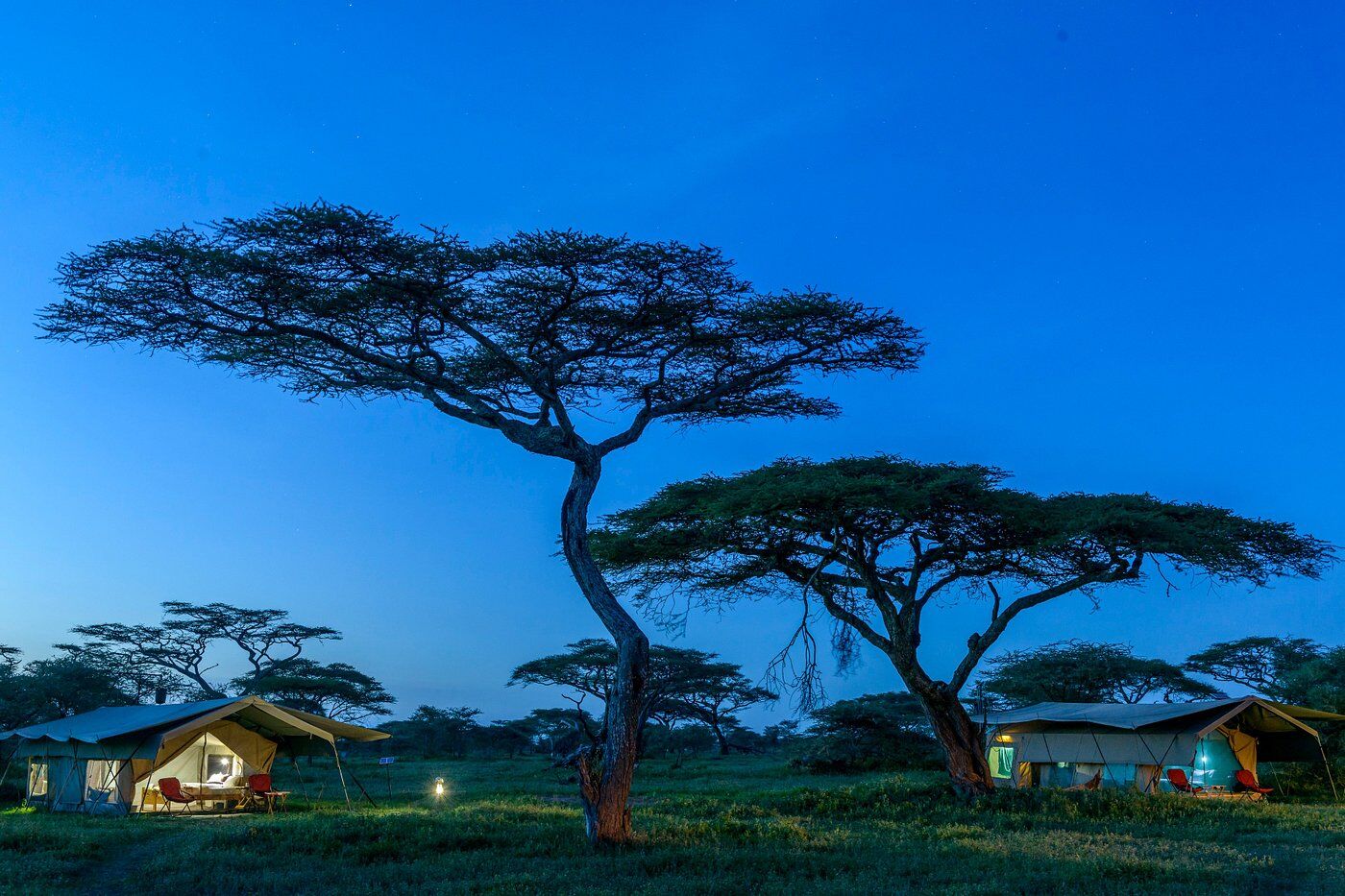
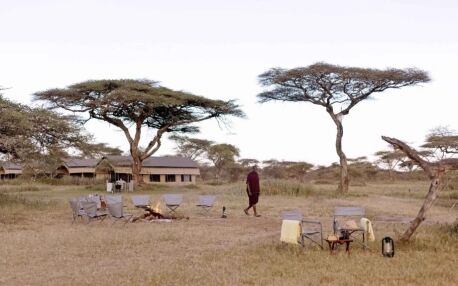
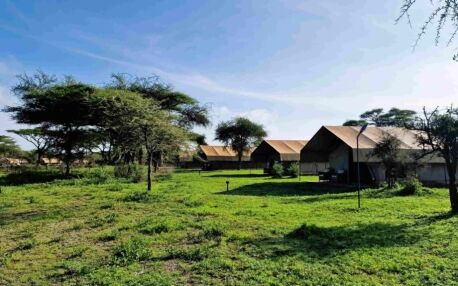
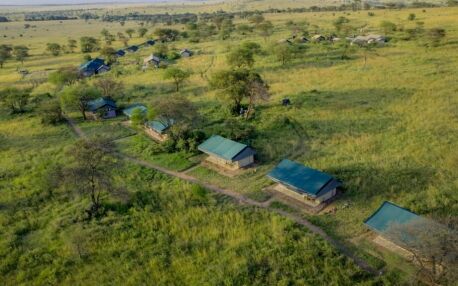
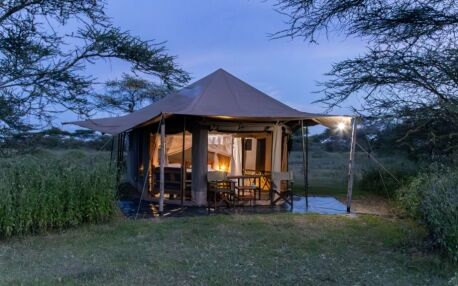
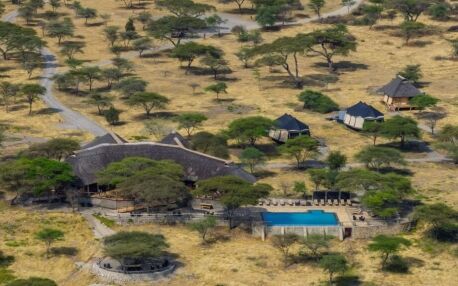
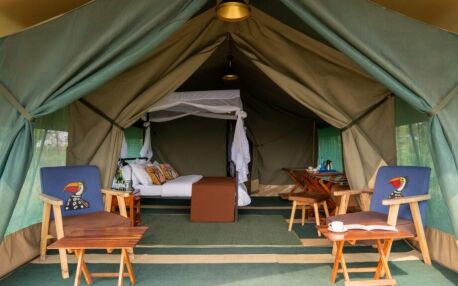
Ndutu offers tented camps in acacia areas as well as permanent lodges nearby. Depending on your itinerary, you can stay in a seasonal camp positioned for the migration or a lodge with more permanent facilities.

Frequently asked questions about Ndutu

From calving season timing and accommodation to wildlife areas and length of stay, here are answers to common questions about Ndutu to help you plan your trip.