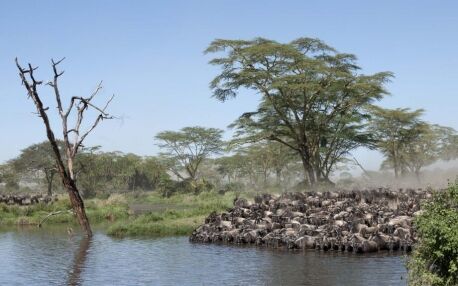


Giraffes and zebras among acacia trees and green grassland in Arusha National Park

Arusha National Park

TripAdvisor Travellers' Choice

Watch black-and-white colobus monkeys moving through the forest, spot giraffes on the grasslands and explore the Momella Lakes by canoe. Arusha National Park gives you several ways to experience a safari, all within easy reach of Arusha city.

Mount Meru rises above the park, with forested slopes, waterfalls and walking trails to explore with a ranger. Whether you visit for a day or stay longer to climb the mountain, there’s plenty to get you out of the safari vehicle and into the landscape.

Wildlife in Arusha National Park

Look up as you drive through the forest: black-and-white colobus monkeys are among the park’s best-known residents, often spotted in the branches overhead. You may also see blue monkeys and baboons, while giraffes, zebras, buffaloes, and warthogs roam the grasslands.

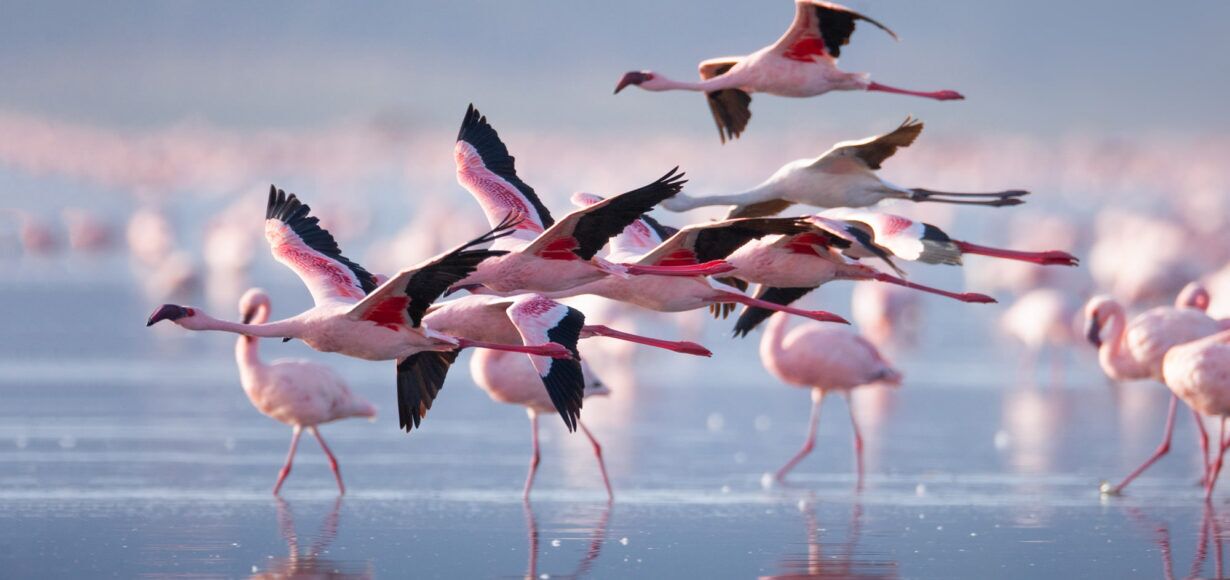
Around the Momella Lakes, look out for waterbucks along the shores and flamingos feeding in the shallows. Birdwatchers have plenty to keep them busy too, with more than 400 species recorded in the park.

Curious? Take a look around Arusha National Park

Information and facts

Forest, grassland and alkaline lakes surround Mount Meru in Arusha National Park. Look out for black-and-white colobus monkeys in the treetops and giraffes and buffaloes in the clearings below.

Wildlife highlights

  • Buffaloes
  • Giraffes
  • Zebras
  • Black-and-white colobus monkeys
  • Blue monkeys
  • Vervet monkeys
  • Baboons
  • Waterbucks
  • Bushbucks
  • Warthogs
  • More than 400 bird species, including flamingos

Arusha National Park facts

  • Mount Meru is Tanzania’s second-highest mountain.
  • The seven Momella Lakes are shallow alkaline lakes.
  • Ngurdoto Crater has forested walls and a marshy floor.
  • Stunning views of Mount Kilimanjaro on clear days.
  • Activities include walking safaris, canoeing and mountain treks.

Tripadvisor experiences

From forest trails to crater views

Arusha National Park packs several different landscapes into a small area, from Mount Meru’s forested slopes to the Ngurdoto Crater and Momella Lakes.

Mount Meru

Mount Meru shapes much of Arusha National Park’s landscape. Its forested slopes give way to grassland and, higher up, more exposed terrain. Between the trees, clearings offer views towards the mountain.

Ngurdoto Crater

Ngurdoto Crater is another reminder of the park’s volcanic origins. Forest covers its steep sides, enclosing a marshy floor below. Stop at viewpoints along the rim to look down into the crater.

Momella Lakes

In the north-east, the forest opens out around the seven Momella Lakes. These shallow alkaline lakes sit beneath Mount Meru, bringing a change of scenery from the wooded trails. On a clear day, you may also spot Kilimanjaro in the distance.

Explore Arusha your way

Discover activities in and around Arusha National Park, from walking safaris and canoe trips to waterfall hikes and coffee plantation visits.

How to get to Arusha National Park

Arusha National Park is around a 45-minute drive from Arusha city, depending on where you’re staying and traffic along the way. Its location makes it an easy day trip or a first stop before continuing to Tanzania’s other northern safari parks.

Safari itineraries featuring Arusha National Park

Start with a day in Arusha National Park before heading further into northern Tanzania. These sample itineraries show how it can fit into your trip, with each route tailored to your plans.

Climate in Arusha National Park

Arusha National Park has a mild climate, with cool mornings and evenings. Temperatures drop as you climb Mount Meru, while its slopes often attract cloud and rain, even when the surrounding areas are dry.

The main dry season runs from June to October. The long rains usually fall from March to May, followed by the short rains in November and December. January and February often bring a drier spell between the two. Pack layers and a waterproof jacket, especially if you’re exploring on foot.

IM_TZ_ANP_Giraffe with baby
IM_TZ_ANP_Waterbuck

Best time to visit Arusha National Park

You can visit Arusha National Park throughout the year, but June to October usually offers drier conditions for walking safaris and hiking on Mount Meru. January and February are also worth considering, as rainfall often eases between the two rainy seasons.

If you don’t mind some rain, the wetter months bring greener scenery. Allow a little flexibility for outdoor activities, especially from March to May, when rainfall is usually heaviest.

Where to stay near Arusha National Park

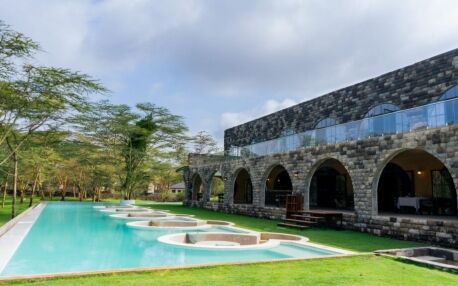
Most visitors explore the park on a day trip from their accommodation in or around Arusha. Stay in the city or choose a lodge towards Usa River for a quieter setting. Here are some places to consider for this part of your safari.

Frequently Asked Questions About Arusha National Park