Cheetahs of Namibia
Namibia is home to almost half of the world’s cheetah population, making the country the “Cheetah Capital of the World”. Despite them looking like big cats, they don't fall into that category. Find out why that is the case, what makes them special, and where you can get close to them in an ethical way.



- Tailor-made safaris by true Africa specialists
- 5-star customer reviews
- Fair prices. Exceptional quality.

A cheetah stronghold
There are around 7,000 cheetahs left in the wild, and approximately 3,000 can be found in Namibia. Most of them live outside protected areas and roam nature just as nature intended them to, which can also lead to problems. More on that later. First, let’s answer the most pressing question.
Why don’t they count as big cats?
Despite them looking similar to lions, tigers, jaguars, and most of all leopards, cheetahs have not made the cut of the big cat family, mainly because of these reasons:
- While other cats have fully retractable claws, cheetahs have semi-retractable ones for more traction and speed.
- Cheetahs have a leaner body, also designed for speed, whereas lions and leopards have more muscles – a leopard can weigh up to 90 kg, a cheetah 60 kg tops.
- Cheetahs cannot roar, but they can purr, chirp, and hiss like smaller cats.
Unique characteristics
Cheetahs may not be big cats, but that makes them no less fascinating.
The look
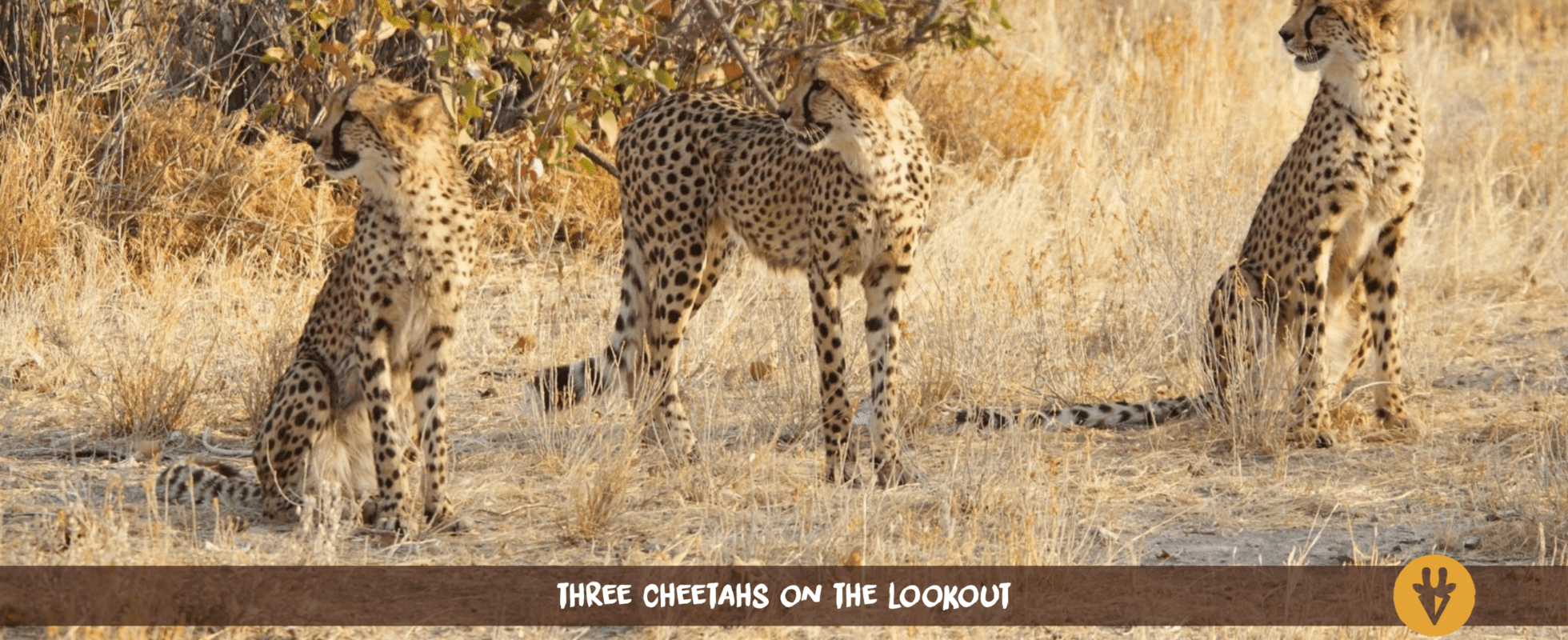
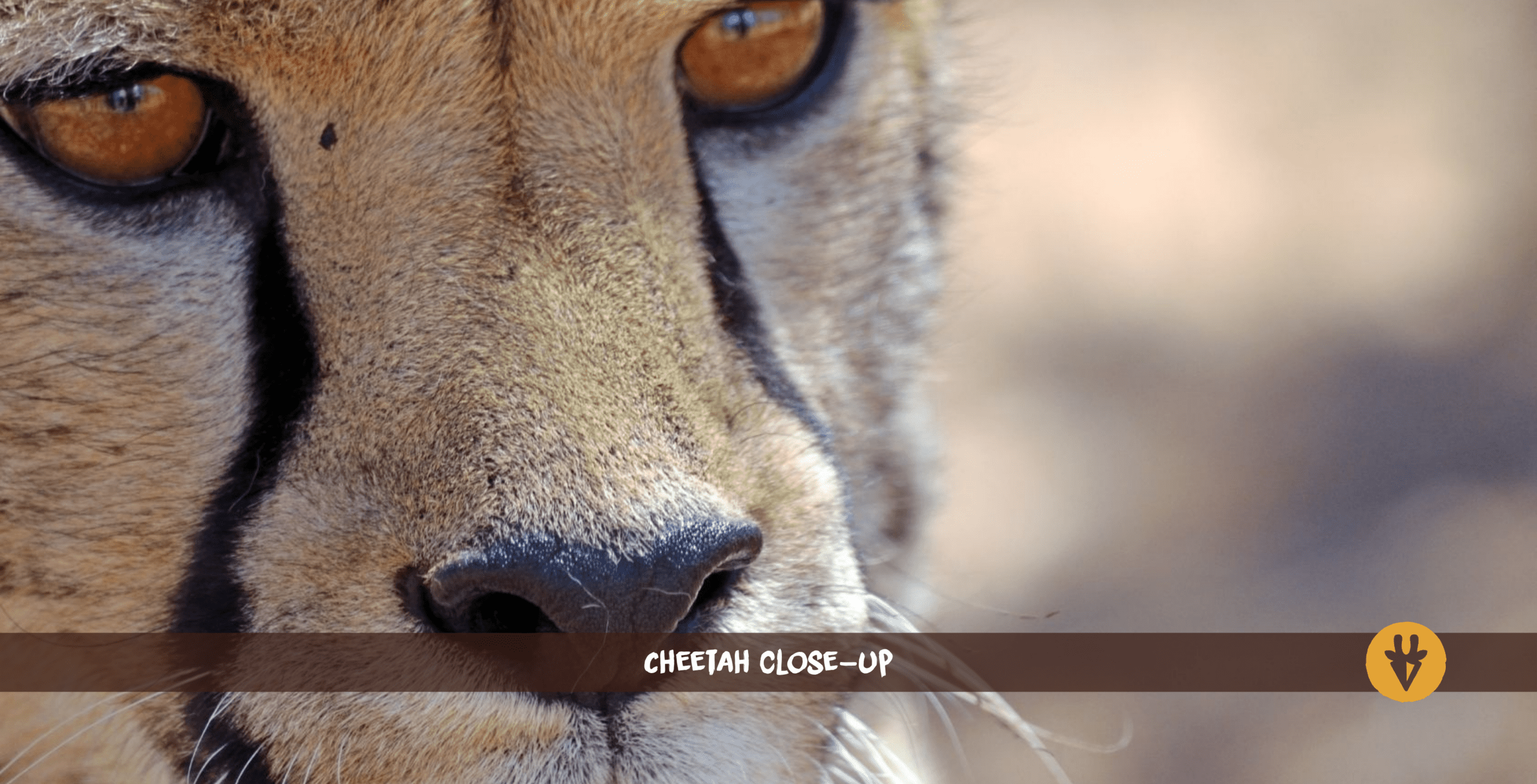
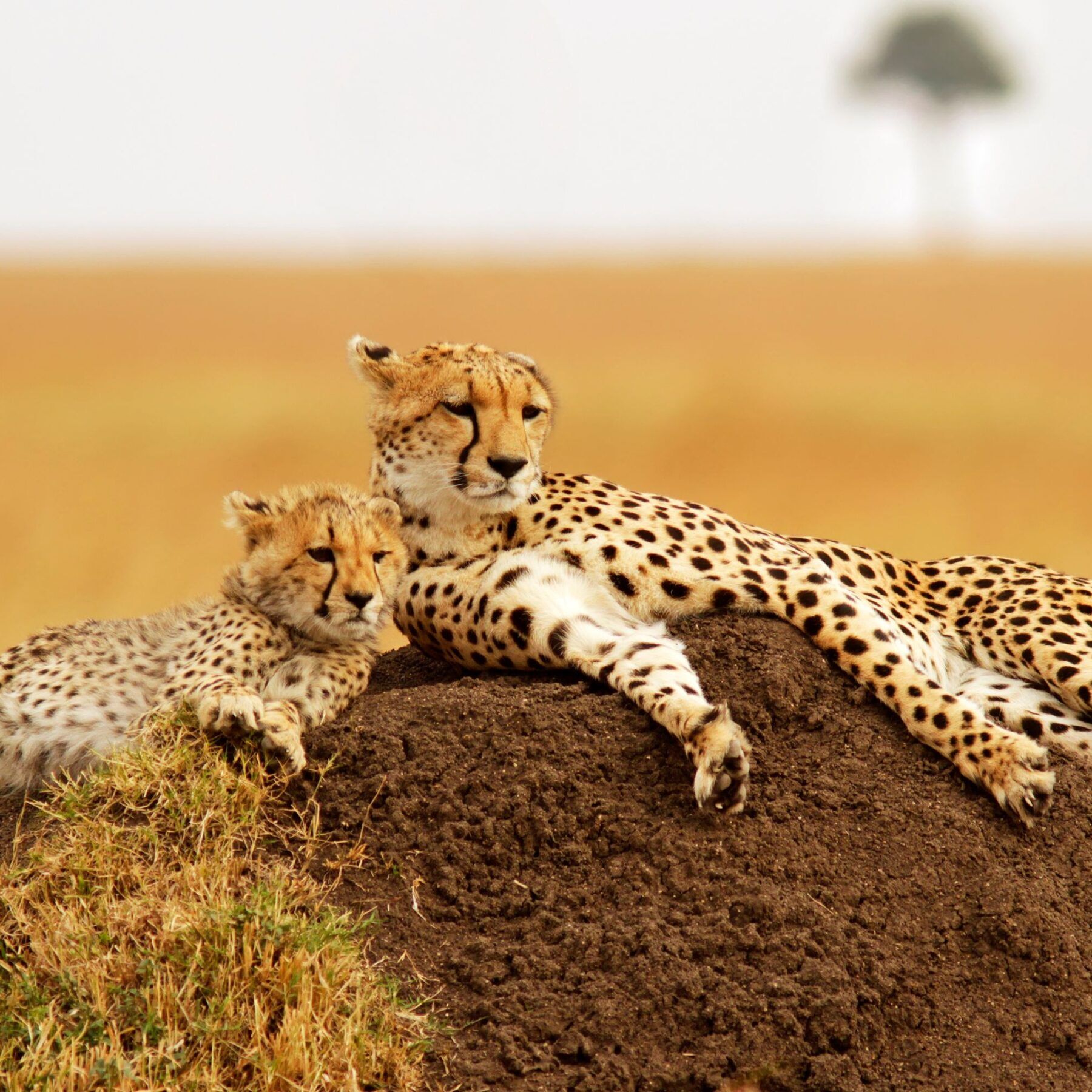
If you have trouble distinguishing a leopard and a cheetah, look at their coat: leopards have little rosettes, and cheetahs have black spots. At their tail, you can also see some dark rings underneath the bushy tuft. And their black tear strips running from the eyes to the mouth not only look cool but also help reduce glare from the sun as cheetahs hunt during the day.
The vocals
Instead of roaring like their big cat cousins, cheetahs make use of various vocal sounds. They growl when threatened, communicate by chirping or making birdlike calls, and bark in social interactions. And they purr, similar to your kitty at home. In fact, cheetahs are one of the few cats that can purr continuously while both inhaling and exhaling.
The speed
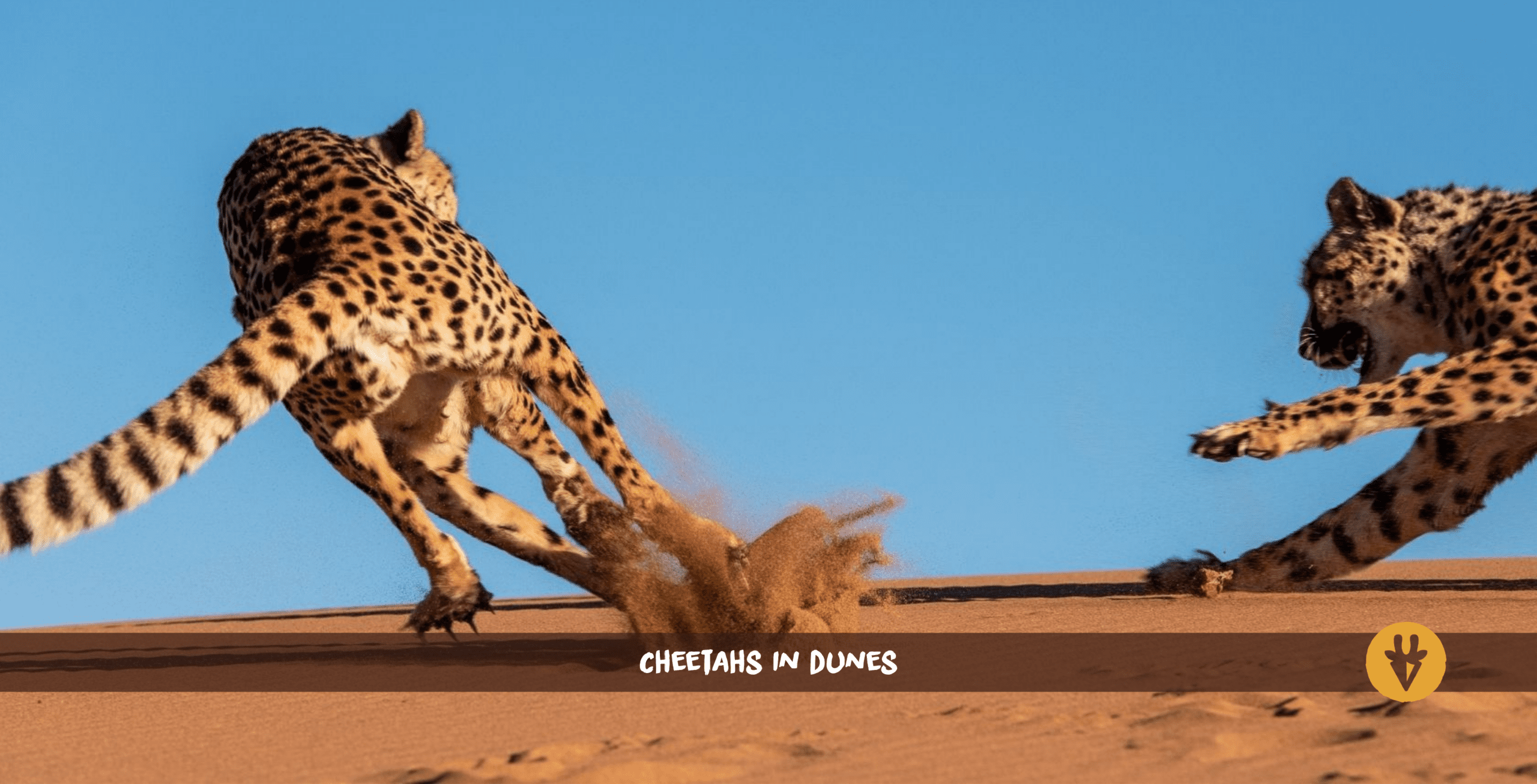
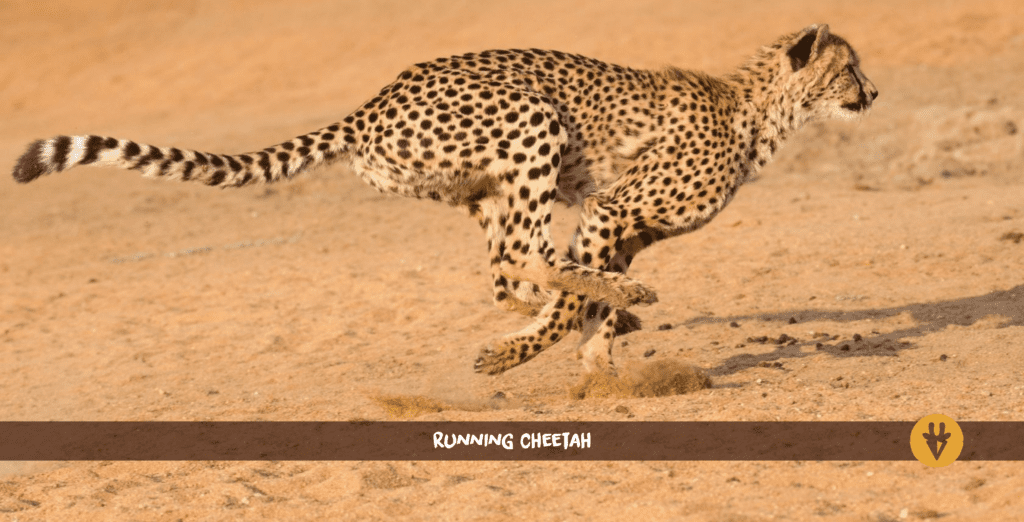
That’s what the cheetah is famous for: speed. Their semi-retractable claws act like spikes, helping them reach 110 km/h in just over three seconds. With their slim build, narrow waist, deep chest, and long legs, their strides are up to seven meters long. And thanks to large nostrils, lungs, and a great circulatory system, they don’t lose their breath.
Hunting
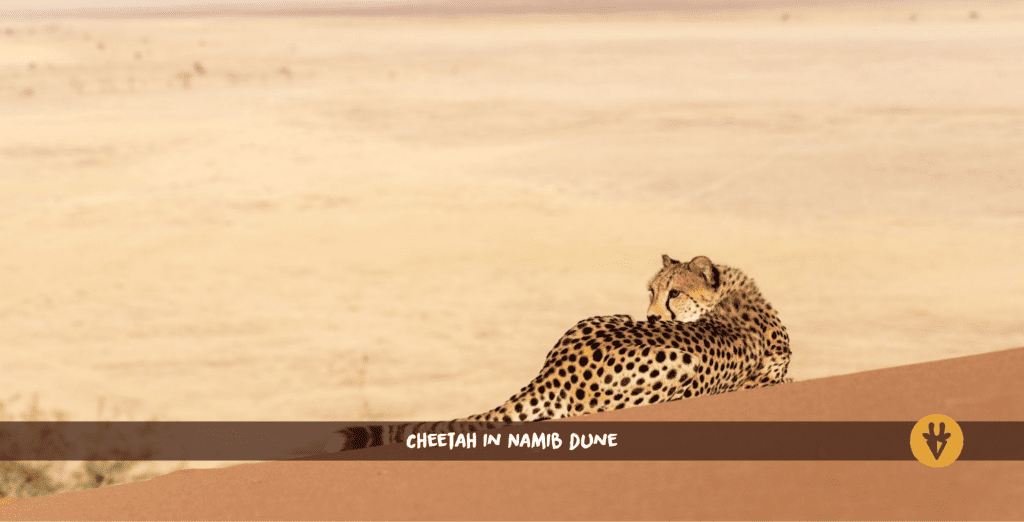
Unlike most big cats, cheetahs are mainly active in the early morning or late afternoon. Perfect for spotting them during a safari. When they get hungry, they often stand on top of termite mounds to get a better sight of their prey.
Bonding
While female cheetahs tend to roam the plains on their own, males like to form bonds. Typically, it’s male siblings that stay together for life in groups known as coalitions.
Working
The cheetah plays a vital role in the ecosystem. Like all predators, cheetahs regulate populations by hunting weak and older individuals. This keeps herds healthy and balanced and limits overgrazing.
Spot the Cheetah
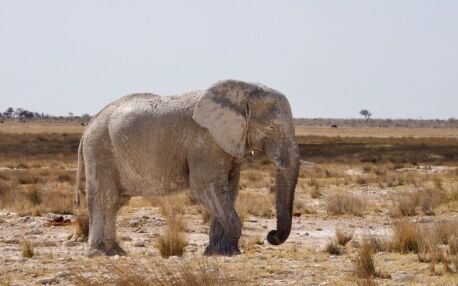
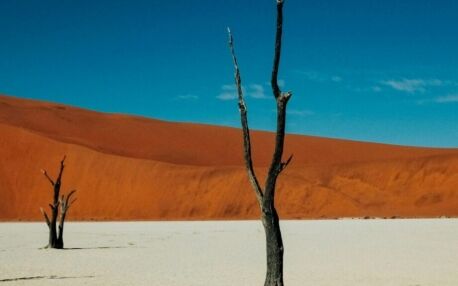
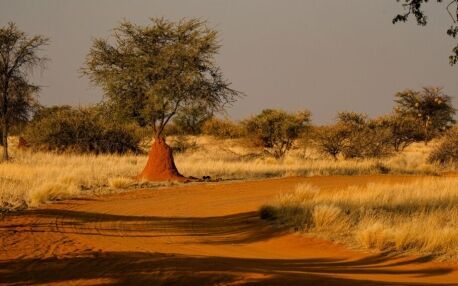
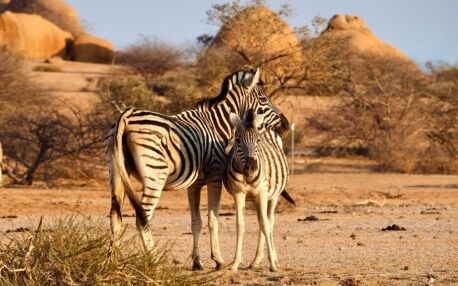
Although Namibian cheetahs mostly roam farmland outside of protected areas, they also pop into these parks.
Meet and Greet
Not only can you watch cheetahs in Namibia’s vast landscapes, you can also get close to them… really close. N/a’an ku sê is a wildlife sanctuary in the heart of the country, taking care of injured or orphaned animals with one goal: releasing them back into the wild. Sometimes, however, that is not possible despite their best efforts.
Cheetah Experience
Some animals need to remain in captivity for their protection. Nevertheless, the sanctuary wants to encourage their natural behaviour. Therefore, habituated cheetahs are taken for a stroll with you on their side – and an experienced guide, of course. Watch them prowling through the grass, taking a nap under a tree, purring, or speeding up to hunt.
If they decide to try their luck, they can later be found again thanks to a GPS collar. You won’t be able to pet the animals or take pictures with them. It’s mainly about the experience and learning more about the animal Namibia is so proud of.
Threats
As with many African animals, the cheetah faces threats. According to the IUCN they’re categorized as vulnerable, with numbers declining. In the past 100 years around 90% of the world’s cheetah population has been lost.
Habitat Loss
Cheetahs need a lot of land with plenty of prey and water to survive. Human expansion destroys land and the cheetah loses its habitat. Where a landscape was once able to support thousands of cheetahs, they now struggle to support just a handful.
Wildlife Trade
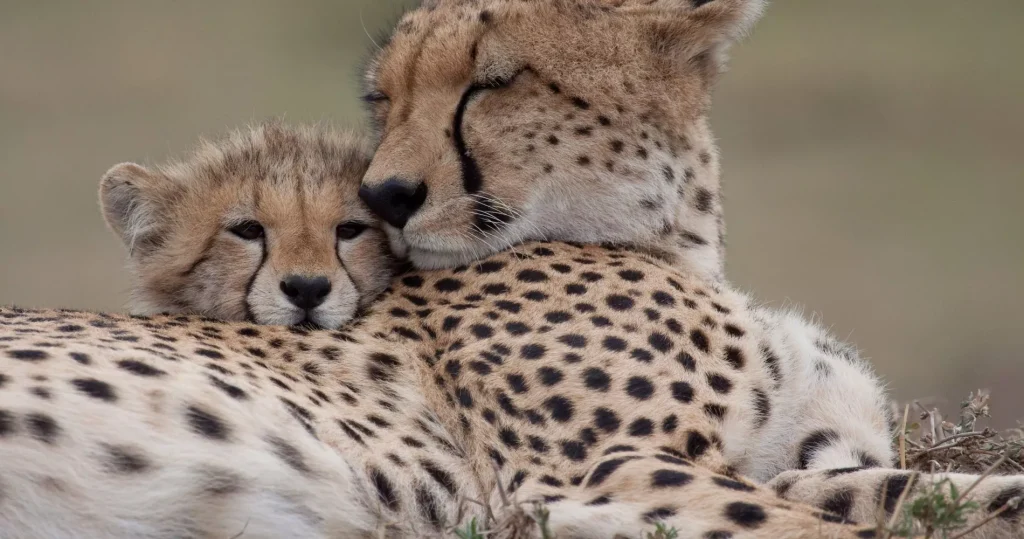
For some, cheetahs are status symbols. Even though it’s illegal to own a cheetah in many countries, or any exotic pet, the demand for cubs is high. They are captured from the wild and sold to a buyer, oftentimes in the Gulf states.
Human-Wildlife Conflict
Cheetahs are usually found outside protected areas on farmland. Since they mainly hunt during the day, they’re easier to persecute when they get too close to a farm. To protect their livestock and livelihood, farmers either shoot or trap the animal.
Conservation efforts
Namibia is one of the few countries which has included the protection of animals and plants in its constitution. Still, it needs the efforts of organizations to keep the cheetah population stable and thriving.
Farmers’ education
Farmers are trained in predator-friendly practices by nonprofit organizations. If farmers catch a cheetah, they can contact rapid response units who will pick the animal up and relocate them.
Livestock guardian dogs
The Cheetah Conservation Fund breeds guardian dogs and places them with farmers, where they bond with the herd and scare predators away. Some farmers use donkeys: placed within a herd, they feel part of the gang and put cheetahs off with a kick.
Ecotourism
Thanks to ecotourism, communities regard cheetahs as a valuable resource instead of a threat. Organizations like N/a’an ku sê or the Cheetah Conservation Fund offer unique experiences, with the funds raised flowing back into their conservation efforts.
Thanks to programs and incentives like these, the cheetah numbers have stabilized in Namibia. This gives hope for the species’ long-term survival and this article a wonderful ending.
Marvel at African Wildlife
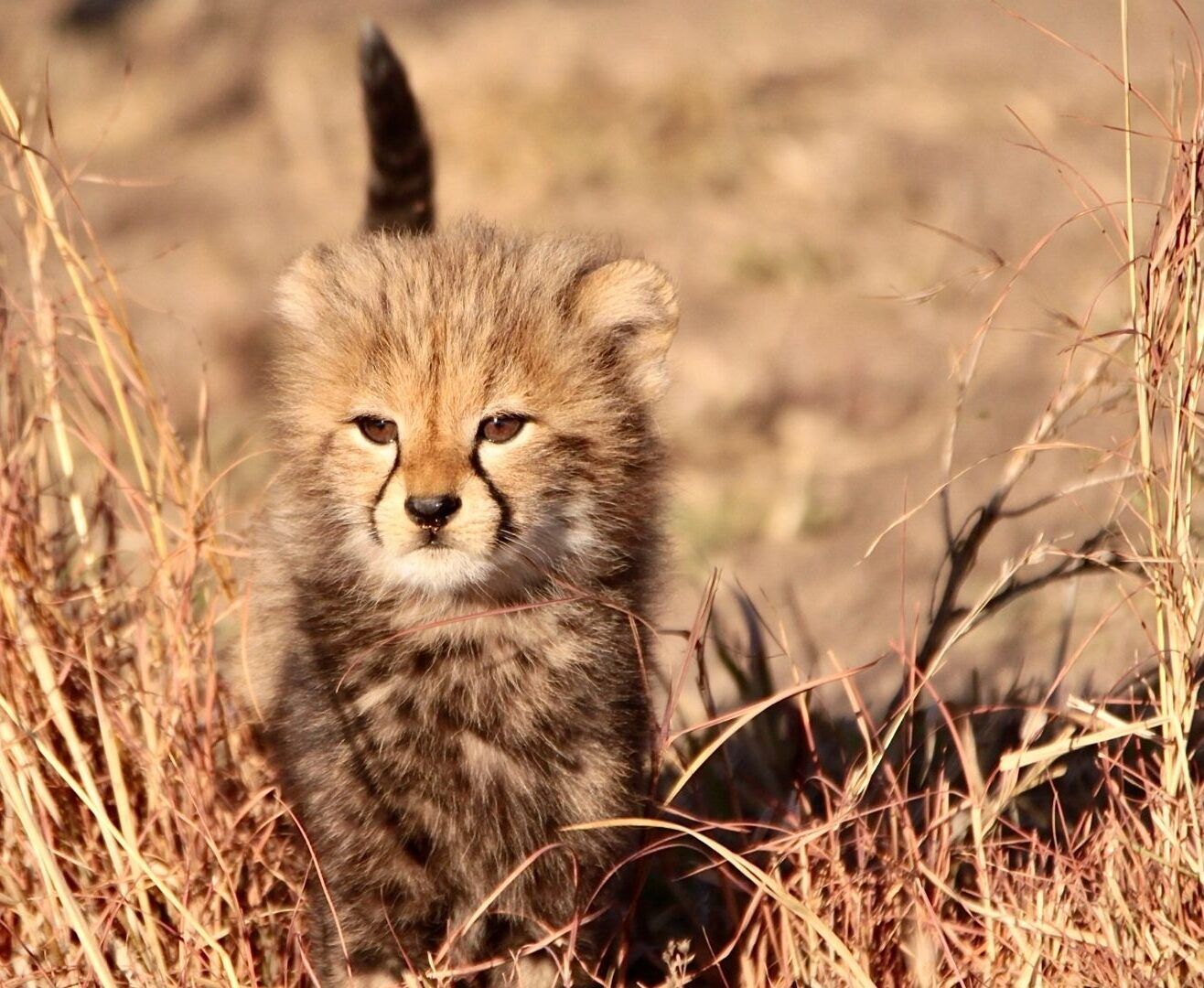
Watch cheetahs hunt, sleep and purr, and many other iconic Namibian animals – during these unforgettable journeys.
- Namibia From $3,828 USD*
10 days Namibia: Nature and Wildlife Galore
Greenery, salt pans & wildlife
- Namibia From $3,018 USD*
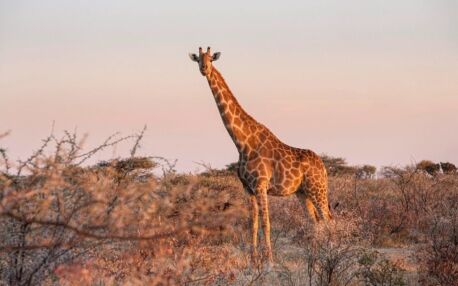
8 days Namibia: uniquely diverse
Sand, salt, history & wildlife
- Namibia From $5,383 USD*
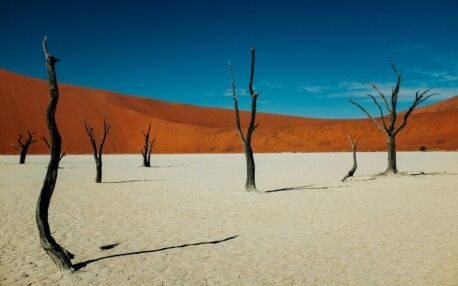
16 days Namibia: all highlights
Nature, history, wildlife & more
- Namibia From $3,343 USD*
15 days Namibia: extroardinary variety
Captivating northern highlights
Let us create your tailor-made trip
Receive a free, no obligation quote
Start planning your dream trip