

Elephant herd walking through sunlit grassland in Tarangire National Park.

Tarangire National Park

TripAdvisor Travellers' Choice

Tarangire National Park is a land of towering baobab trees, open grasslands and seasonal swamps, where wildlife gives you plenty of reasons to pause along the way. Giraffes browse among the trees, zebras graze on the plains and elephant herds wander through a landscape that feels made for safari.

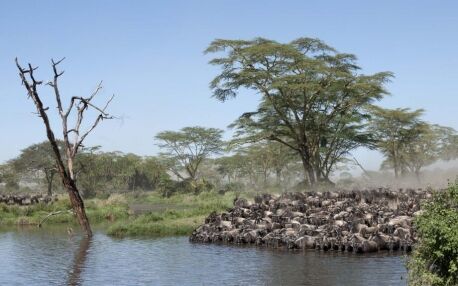
At the heart of it all is the Tarangire River, which draws thirsty animals to its banks during the dry season. Whether you watch wildlife gather by the water or admire the unmistakable outline of a baobab, Tarangire invites you to slow down and take it all in.

Wildlife in Tarangire National Park

From giraffes browsing in the treetops to warthogs trotting through the grass, there’s plenty to keep you looking in every direction in Tarangire. Alongside its famous elephants, the park is home to zebras, wildebeest, buffaloes, and various antelope species. Look a little closer, and you might spot vervet monkeys moving through the branches or baboons making their way along the tracks.

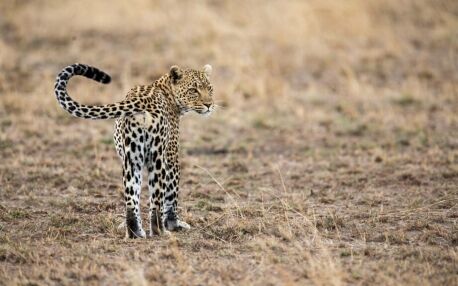
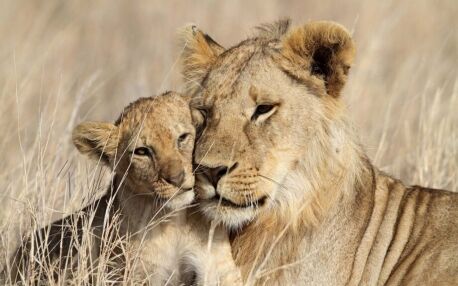
Lions also roam these landscapes, while leopards are harder to spot, often resting among the branches of a tree. For bird lovers, colourful yellow-collared lovebirds and lilac-breasted rollers share the spotlight with hornbills, ostriches, and the striking kori bustard. With so much happening on the ground and overhead, a pair of binoculars will come in handy.

A little glimpse of Tarangire, a big dose of safari inspiration 🐘

Information and facts

Large elephant herds and varied landscapes make Tarangire National Park a memorable safari stop. Look out for giraffes, zebras, buffaloes, and lions, while colourful birdlife gives you plenty of reasons to keep your binoculars close.

Wildlife highlights

  • Elephants
  • Giraffes
  • Zebras
  • Wildebeest
  • Ostriches
  • Leopards
  • Lions
  • Cheetahs
  • Birds
  • Pythons
  • Monkeys
  • Buffaloes

Facts about Tarangire National Park

  • Named after the Tarangire River, an important dry-season water source.
  • Particularly well known for its large elephant herds.
  • Giant baobab trees are a defining feature of the landscape.
  • Habitats include grasslands, woodland and seasonal swamps.
  • Wildlife gathers around the river as seasonal water sources dry up.
  • Large termite mounds dot the park’s landscapes.

Tripadvisor reviews

Elephant paradise

If elephants are high on your safari wish list, Tarangire deserves a place on it too. Watching a herd move through the bush is a reason to put your camera down for a moment: youngsters stay close to their mothers, their trunks reach for leafy branches and the smallest calves do their best to keep up.

During the dry season, the Tarangire River becomes an important gathering place for these gentle giants. Here, you might see elephants drinking, splashing in the water or coating themselves in mud to cool down. When surface water becomes scarce, they use their trunks and feet to dig into the sandy riverbed, reaching water hidden below.

Give yourself time to watch, and you’ll notice more than their impressive size. From a reassuring touch to a playful exchange between youngsters, the little moments can make an elephant encounter one of your favourite safari memories.

IM_TZ_TAR_Landscape with wildlife
IM_TZ_TAR_Danny Achterberg_Elephants walking (1)

How to get to Tarangire National Park

Tarangire is around 2.5 hours’ drive from Arusha, making it an easy first stop on a northern Tanzania safari. From here, you can continue to Lake Manyara and the Ngorongoro Conservation Area before heading further towards the Serengeti.

Approximate driving times:

  • Arusha to Tarangire: 2.5 hours
  • Tarangire to Lake Manyara National Park: 1 to 1.5 hours
  • Tarangire to the Ngorongoro Conservation Area entrance: 2 hours

Travel times vary depending on your lodge, route and road conditions. If you continue to the Serengeti, allow extra time, as reaching your camp involves more driving than simply reaching the park entrance.

Include Tarangire in your Tanzania safari

Combine Tarangire with Lake Manyara, the Ngorongoro Crater and the Serengeti, or add a beach stay on Zanzibar. Explore our itineraries below and let us tailor your safari to you.

Climate in Tarangire National Park

Tarangire has a warm climate, with cooler mornings and evenings that make an extra layer handy on early game drives. During the day, sunshine and rising temperatures soon make a hat and sunscreen your best friends.

The dry season usually runs from June to October, bringing little rain and increasingly dry landscapes. The rains generally return in November and December, followed by a longer rainy period from March to May. These showers transform the park, turning the grasslands green and filling seasonal water sources.

Best time to visit Tarangire National Park

Dry season: wildlife around the river

The dry season, from June to October, is the best time for wildlife viewing in Tarangire. As seasonal water sources dry up, animals gather around the Tarangire River, making it easier to spot herds along its banks. Thinner vegetation also helps you see more of the action.

Green season: lush landscapes and birdlife

During the wetter months, the park turns green and wildlife spreads out as water and fresh grazing become available elsewhere. Although some animals move beyond the park’s boundaries, there’s still plenty to enjoy, especially if you love lush scenery and birdwatching.

Take your time to explore

Allow two days if your itinerary permits, giving you time to explore beyond the northern section and discover the quieter south. Wherever you go, leave time to pause: an elephant herd rarely rewards a rushed visit!

Where to stay in Tarangire National Park

From cosy tented camps to comfortable lodges, find your favourite place to unwind after a day among Tarangire’s elephants and baobabs. Explore our accommodation options in and around the park below.

Frequently asked questions about Tarangire National Park