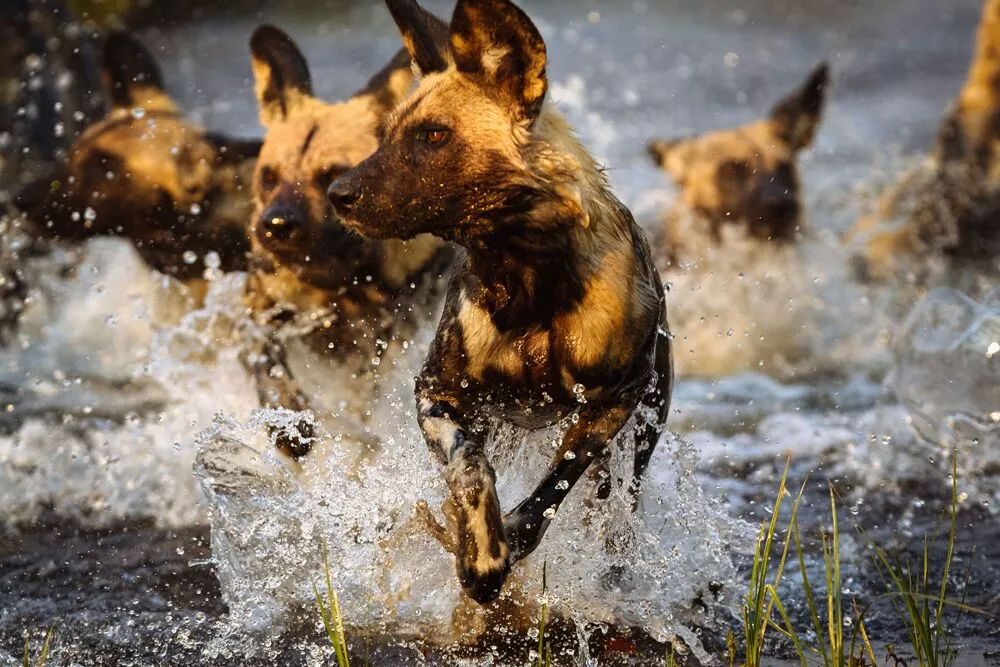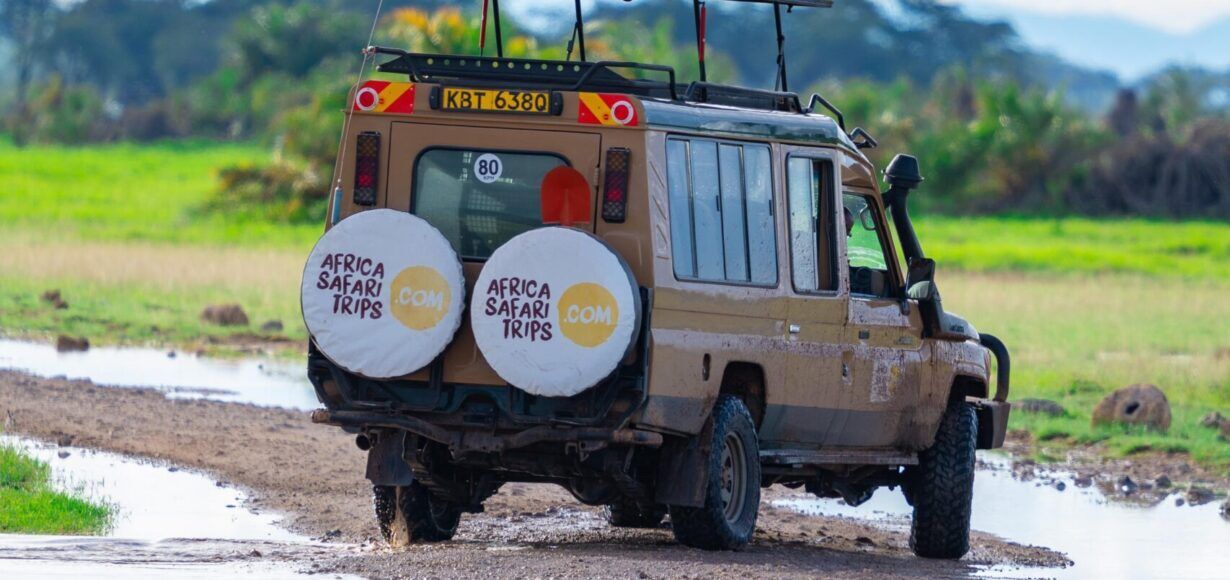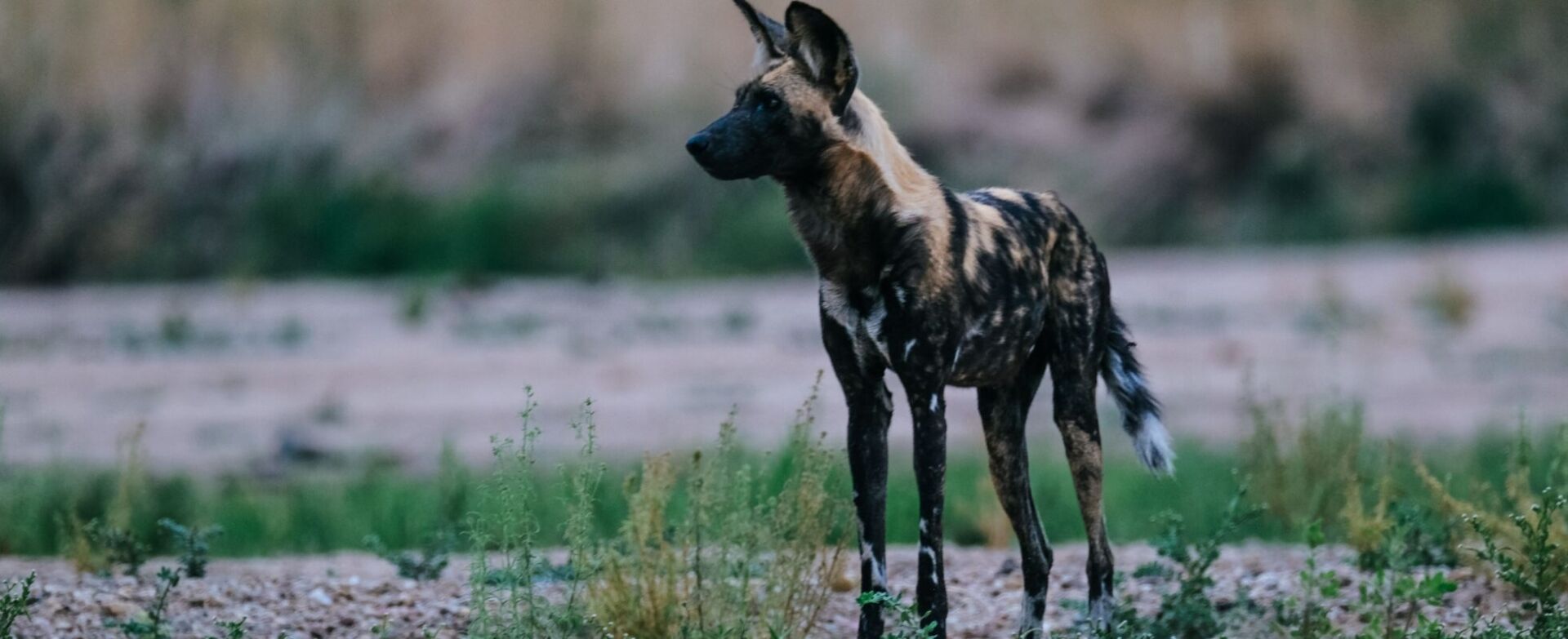
African wild dog standing alert in the natural bush of Ruaha National Park

Ruaha National Park

TripAdvisor Travellers' Choice

Discover Tanzania’s second-largest park and one of East Africa’s best-kept secrets: Ruaha National Park, defined by ancient baobabs, dramatic riverbanks, and untamed wilderness. Spanning over 20,000 square kilometres in southern Tanzania, Ruaha wows you with a raw, intimate safari far from the crowds. Here, the Great Ruaha River brings life to a semi-arid landscape, much to the delight of the local flora and fauna. From giant elephant herds to legendary lion prides and the endangered African wild dog, every game drive reveals the pure, pulse-quickening essence of wild Africa.
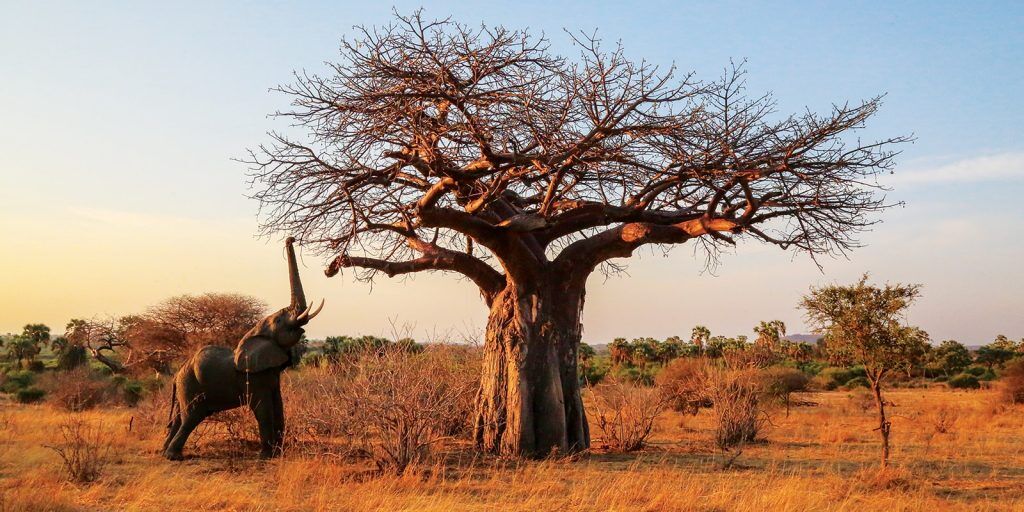
Elephant reaching up to a large baobab tree in the dry savannah of Tanzania

Wildlife in Ruaha National Park

Ruaha is famous for its incredible density of wildlife and rare species. It protects East Africa’s largest elephant population, with massive, gentle giants roaming freely among ancient baobabs. It’s not just them thriving here, though, but also fearless predators. Ruaha is home to nearly 10% of Africa’s wild lions, often seen gathering in big prides. And while leopards silently patrol the riverbanks, cheetahs scan the open plains for prey. The big stars, however, are the endangered African wild dogs, to whom Ruaha is an important stronghold.

The park also holds a unique secret: it’s one of the few places where East and Southern African wildlife meet. Here, rare Greater and Lesser Kudus, Sable, and Roan antelopes share the bush with giraffes, zebras, buffaloes, and the rare bat-eared foxes – what an ensemble!

In the rivers, hippos and crocodiles bask beneath the sun, and above them, over 570 bird species paint the sky in vivid colours. In Ruaha, you never know what surprise awaits you behind the next turn.

Information and facts

The name Ruaha comes from the local Hehe word Ruvaha, simply meaning “river”. As you stand along its banks watching life flow through the park, the connection is instantly clear.

Most common animals

  • Elephants
  • Lions
  • African wild dogs
  • Greater & Lesser Kudus
  • Leopards
  • Cheetahs
  • Buffaloes
  • Giraffes
  • Zebras
  • Sable & Roan Antelopes
  • Hippos & Crocodiles

Facts about Ruaha National Park

  • Spans an immense area of over 20,000 square kilometres
  • Tanzania’s second-largest national park
  • An important stronghold for the endangered African wild dog
  • Home to East Africa’s largest concentration of elephants
  • Protects nearly 10% of Africa’s wild lion population
  • Features more than 1,650 identified plant species
  • A serene, off-the-beaten-track wilderness with few tourists
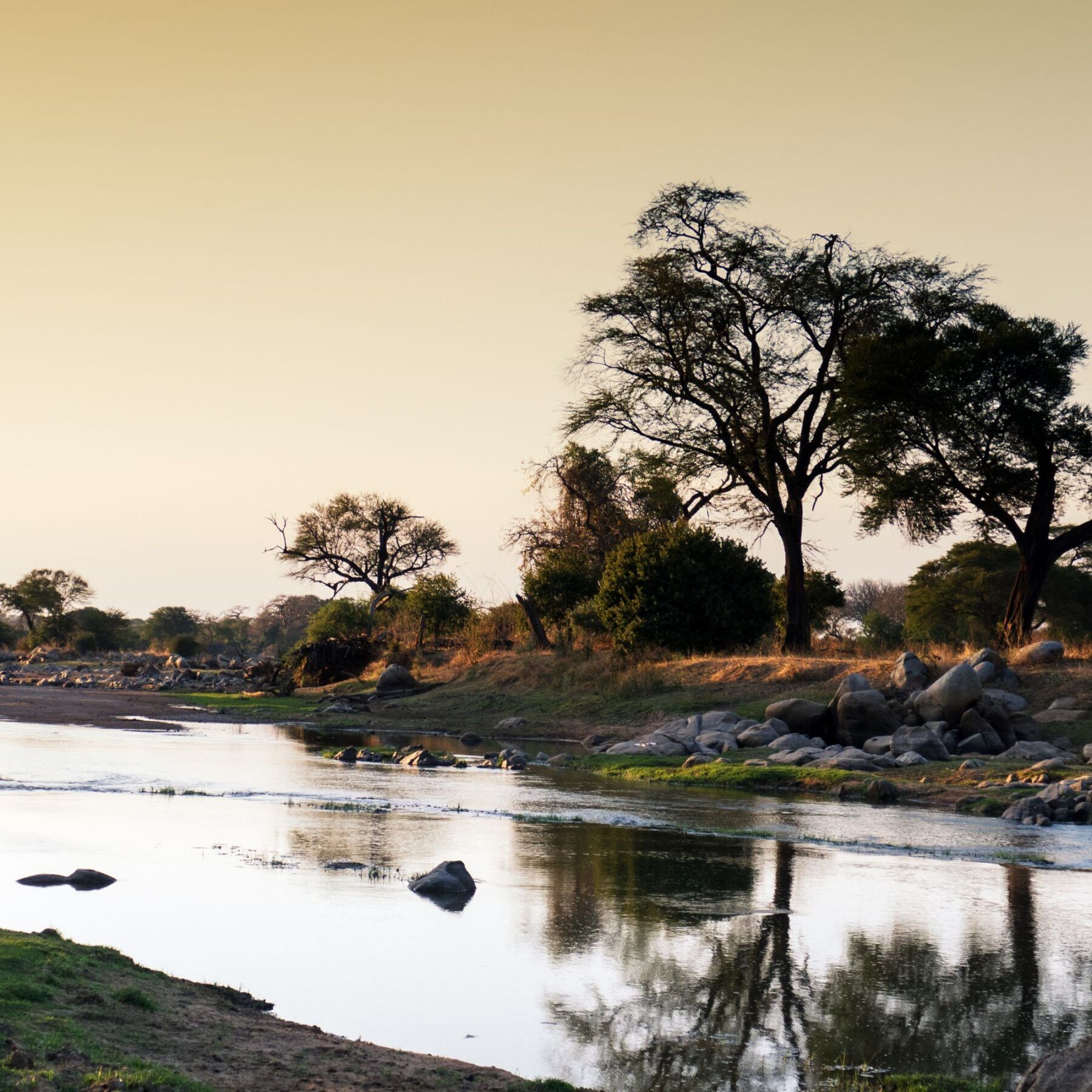
The Great Ruaha River: Lifeblood of the Park

Ruaha may not have the Great Wildebeest Migration, we give you that. But it holds its own enchanting spectacle along the Great Ruaha River. As the park’s main source of life, this winding waterway creates a natural stage for wildlife drama, especially during the dry months.

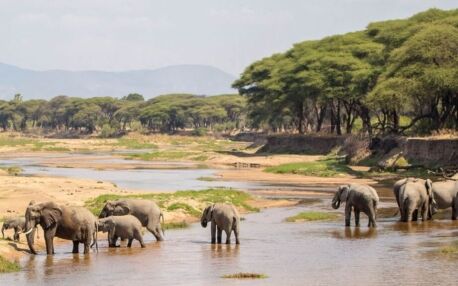
When the surrounding bush dries up, thousands of animals gather at the riverbanks. Giant elephant herds meet for a drink, antelopes tread cautiously along the water’s edge, and lions wait patiently in the shadows.

The river is the beating heart of Ruaha. Watching life along its banks offers an intimate, ever-changing safari experience. Finding the right spot at the right time makes every moment unforgettable, and we are here to guide you.

Activities in Ruaha National Park

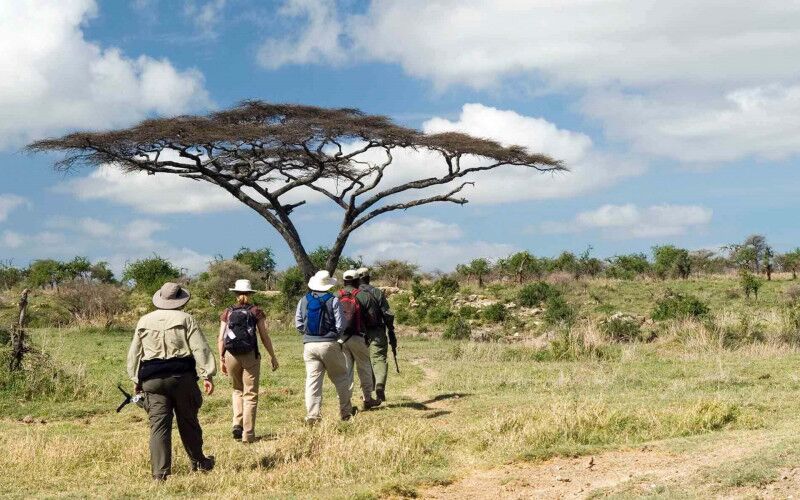
A classic game drive is an incredible way to explore Ruaha, but the park offers even more to discover. Explore our activities to make your visit truly unforgettable.

How to get to Ruaha National Park

Most reach Ruaha by air, as it sits tucked away in southern Tanzania. Quick domestic flights connect the park’s airstrips directly with Dar es Salaam, Zanzibar, or Arusha, making it effortless to reach.

If you prefer to travel by car, you can reach Ruaha via Iringa from other southern destinations like Mikumi National Park. Travelling overland you get to peek into rural landscapes and the authentic heart of Tanzania. However, given the vast distances, flying remains the most comfortable option. Your ideal route simply depends on your pace and travel plans.

Best time to visit Ruaha National Park

The good news is that Ruaha offers stunning safari experiences all year round. With its abundant wildlife and dramatic scenery, every season reveals a different side of the park. The dry season brings exceptional animal sightings along the Great Ruaha River, while the green season transforms the landscape into a flourishing paradise.

June–October

Dry season, superb game viewing along the riverbanks, and cooler mornings.

November–February

Lush landscapes, vibrant birdwatching, and baby animals taking their first steps.

March–May

Main rainy season, emerald scenery, and a serene, quiet wilderness.

*Wildlife movements and weather patterns follow nature rather than a fixed calendar. For first-time visitors, the dry season offers the most reliable big-game sightings.

Discover Ruaha Safari Itineraries

Discover safari itineraries that combine Ruaha's untamed wilderness with other highlights of southern Tanzania, or extend your adventure with a relaxing beach escape on Zanzibar.

Climate in Ruaha National Park

Ruaha enjoys a warm, semi-arid climate, with temperatures and landscapes changing with the seasons. The main dry season runs from June to October, bringing clear skies, warm days, and cool mornings. As water becomes scarce, wildlife gathers more and more around the Great Ruaha River. The rainy periods transform the dusty savannah into an emerald paradise. The short rains fall around November and December, while the main rainy season takes place between March and May.

Whichever month you visit, packing layers is essential. Early morning game drives can be surprisingly chilly in an open safari vehicle before the African sun unlocks its full power.

Where to stay in Ruaha National Park

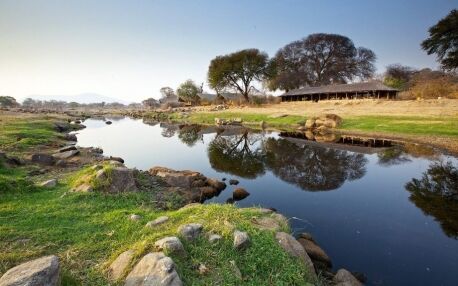
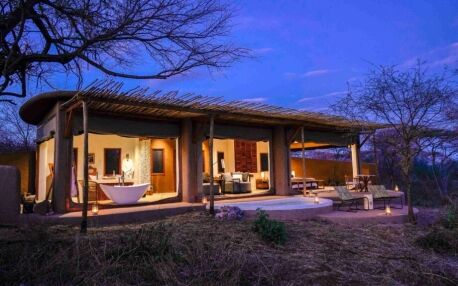
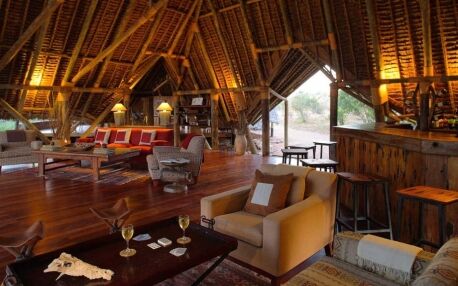
From tented camps at the riverbanks to luxury lodges: Ruaha has the right accommodation for every style. Staying at the river keeps you close to the wildlife action, while lodges tucked into the bush provide a peaceful sanctuary after a day of exploration.

Frequently asked questions about Ruaha National Park

How does Ruaha compare to the Serengeti? Can you see the Big Five? Can you add a Zanzibar holiday to your safari itinerary? We’ve answered some of the most frequently asked questions so that you can start planning your safari!