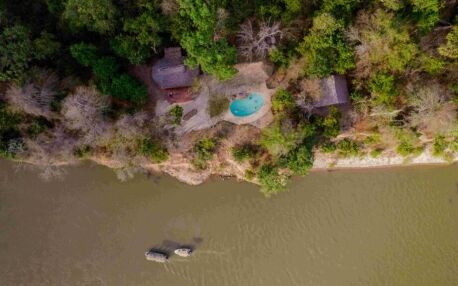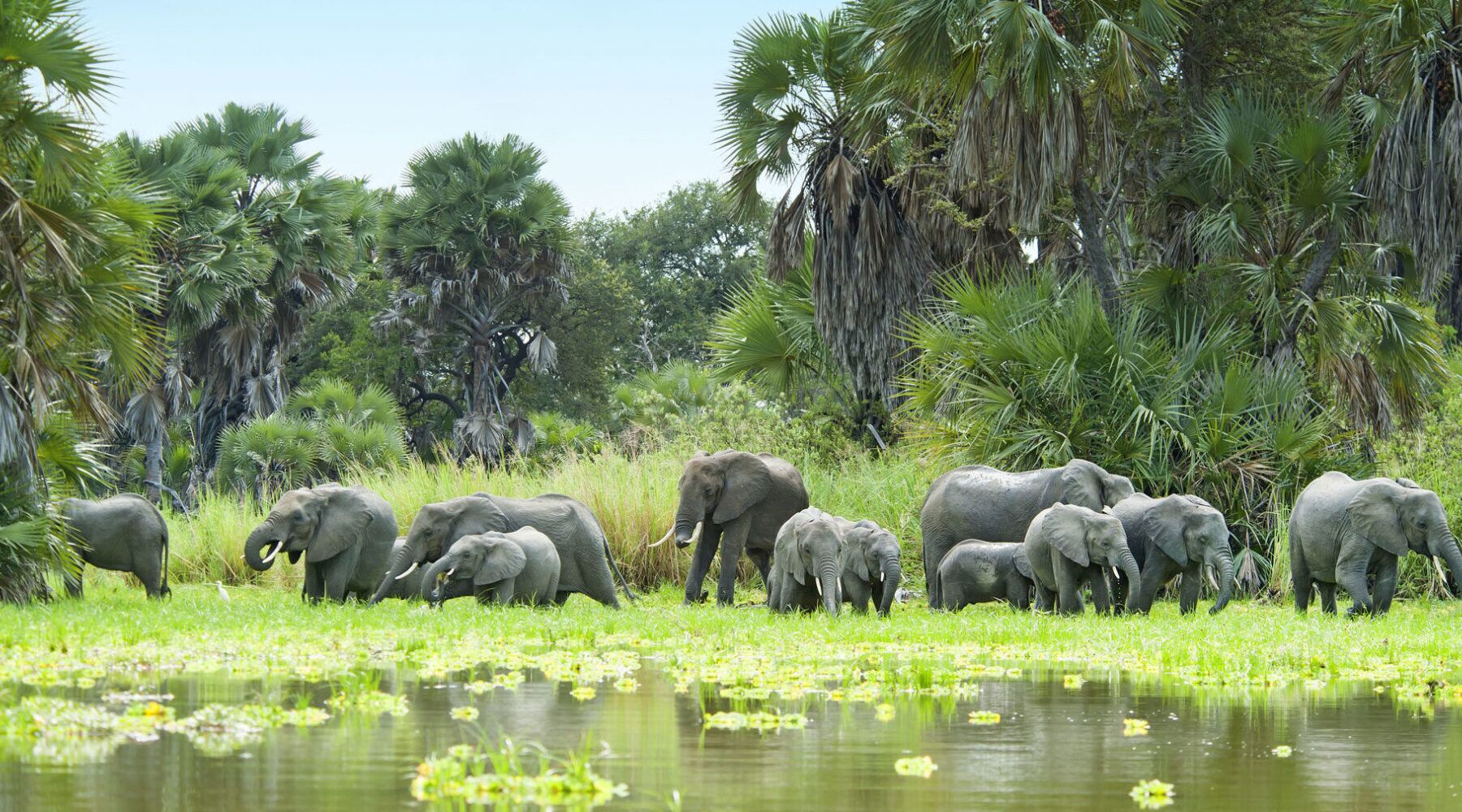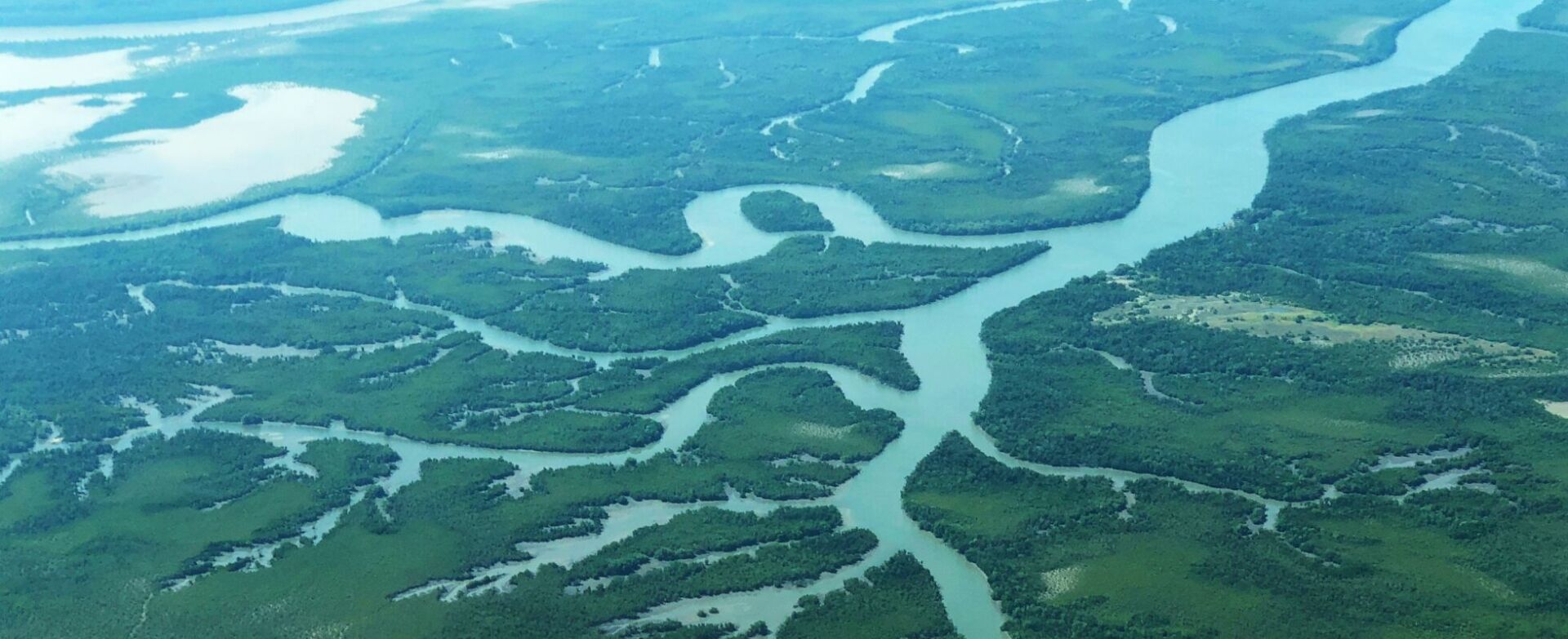

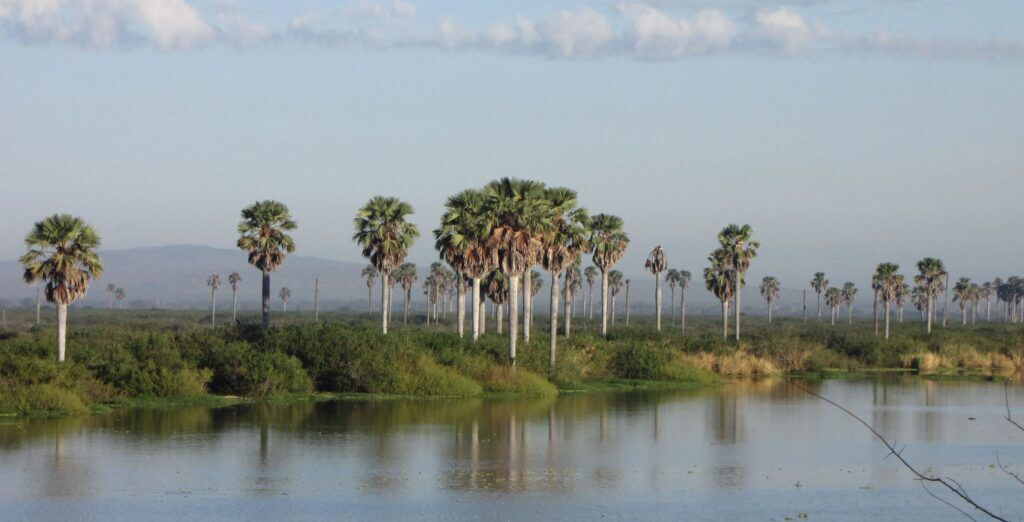
With an incredible 30,000 square kilometres, Nyerere National Park is Tanzania’s largest national park and a place where nature still rules. In 2019, it was carved out from the legendary Selous Game Reserve, a UNESCO World Heritage Site. Nyerere is defined by the Rufiji River, where palms line the banks and hippos relax in quiet oxbow lakes.
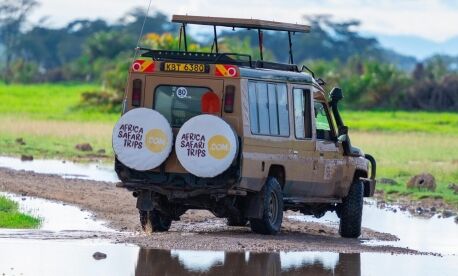
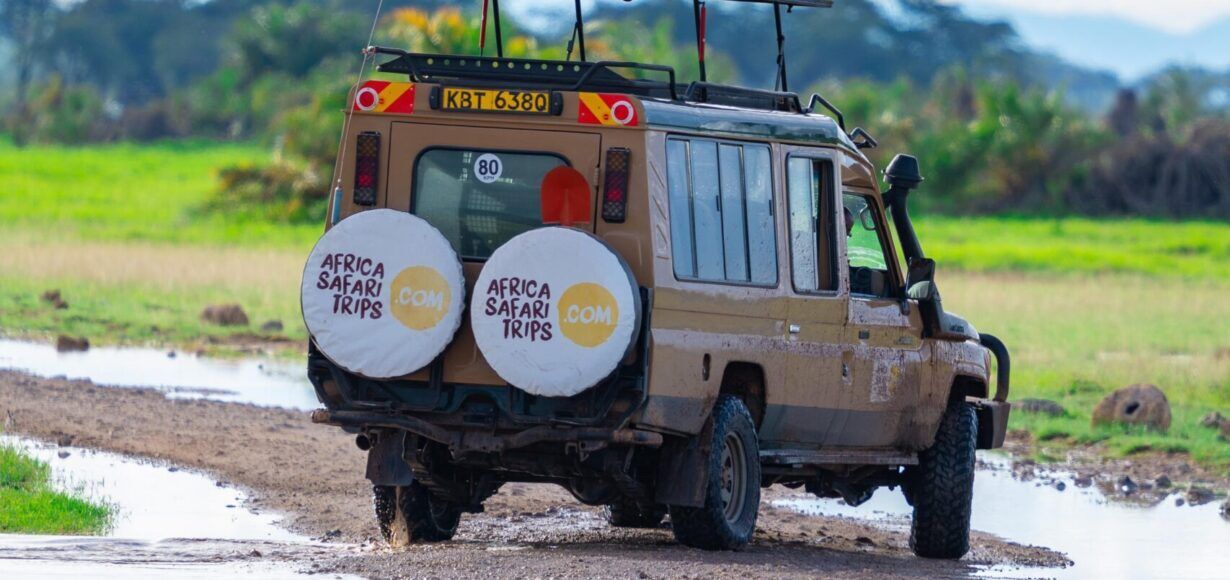
Far from the well-trodden northern safari routes, Nyerere offers a rare luxury: the space to explore at your own pace. Here, you can alternate between game drives, tranquil boat safaris at golden hour and guided walking safaris through the bush – a wilderness experience for all senses.
Discover the Untamed Wilderness & Waterways of Nyerere
Nyerere National Park is renowned for its vast, untouched landscapes, winding waterways, and pure safaris. While large borassus palms line the banks of the Rufiji River, wide savannahs, woodland, and dramatic sites like Stiegler’s Gorge create a speck of land where nature remains largely unspoilt.
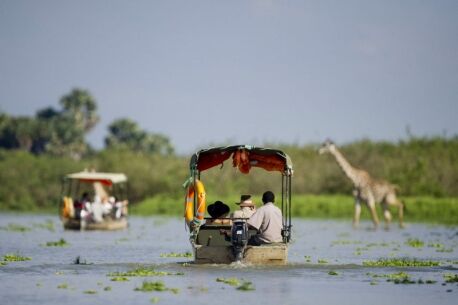
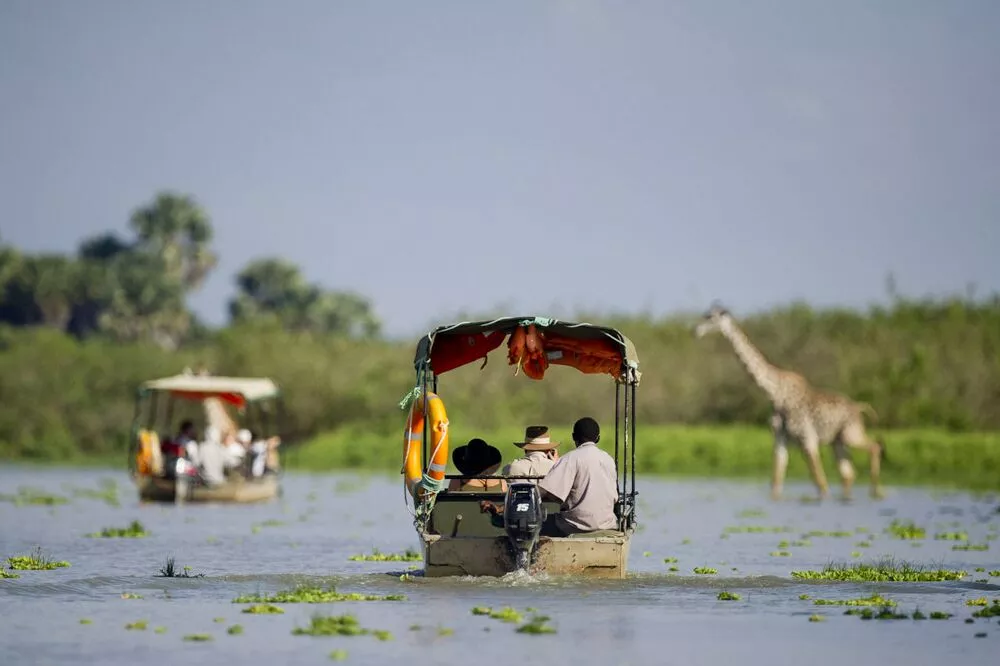
Beyond classic game drives, Nyerere’s life-giving waters present to you a different side of the wild. Quiet oxbow lakes are a haven for large populations of hippos and crocodiles, and the rivers are almost made for sunset boat safaris with fish eagles soaring above. And last but not least: guided walking safaris bring you close to the African wilderness.
Nyerere is also the wild heart of Tanzania’s southern circuit. Whether paired with the rugged landscapes of Ruaha or used as a stop on your way to the turquoise waters of Zanzibar, it offers a deeper safari experience away from the crowds.


River Safaris & Waterway Adventures
Few safari experiences compare to gliding along the Rufiji River as the afternoon sun makes the water shimmer, creating a tranquil contrast to classic game drives.
You might spend a peaceful morning drifting past bathing hippos and basking crocodiles, watching colourful carmine bee-eaters swoop along the sandbanks. Or you simply kick back and sip a cool drink as the sun sets at the horizon.
The water levels and riverbanks shift significantly throughout the seasons, making every boat safari feel new and magical. Choosing the right river activities and camp locations during your stay can make all the difference, and of course, we are happy to help.
Information and facts
Nyerere National Park in southern Tanzania is one of Africa’s largest protected wilderness areas and part of the Selous UNESCO World Heritage Site. Created in 2019 from the northern part of the Selous Game Reserve, it covers over 30,000 km² of river gorges, lakes and wildlife-rich plains, far from the crowded northern safari routes.
Wildlife of Nyerere
- Predators & Big Cats: Lions, leopards, hyenas, and one of Africa’s largest remaining populations of endangered African wild dogs.
- Aquatic Wildlife: Dense concentrations of hippos and giant Nile crocodiles thriving along the Rufiji River and oxbow lakes.
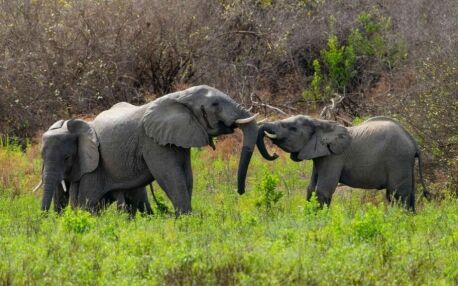
- Large Mammals: African bush elephants, Cape buffaloes, Masai giraffes, zebras, wildebeests, and rare black rhinos.
- Antelope Species: Sable antelopes, Lichtenstein’s hartebeests, elands, impalas, waterbucks, and bushbucks.
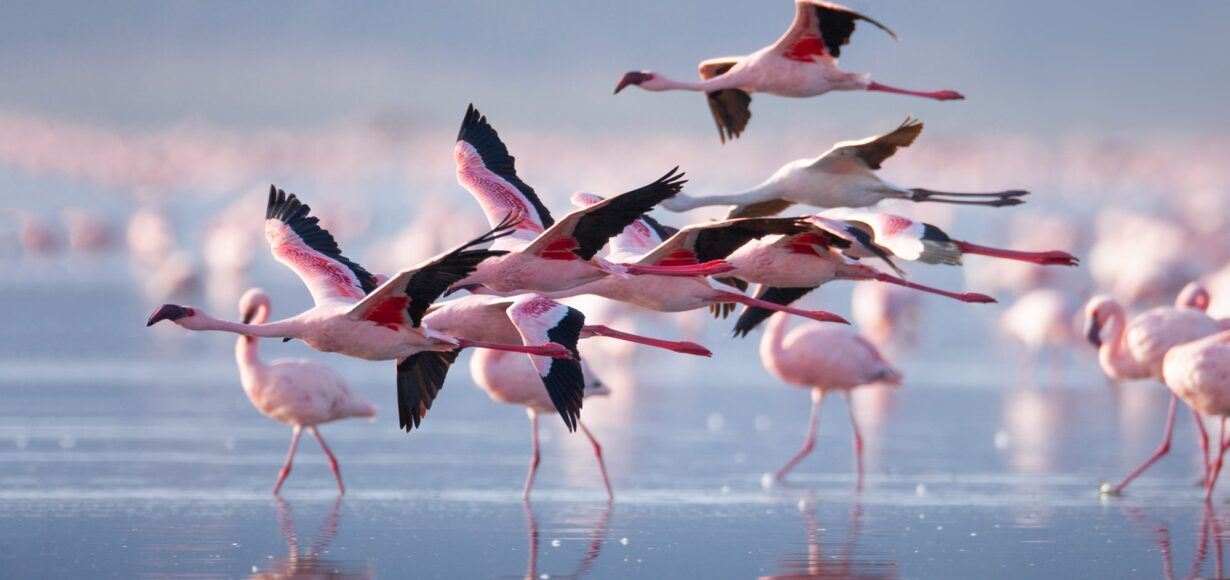
- Birdlife: Over 440 recorded species, including giant kingfishers, African skimmers, carmine bee-eaters, and palmnut vultures.
Key Highlights & Landscapes
- The Rufiji River: The lifeblood of the park, carving through it before flowing toward the Indian Ocean.
- Stiegler’s Gorge: A breathtaking and narrow canyon about 100 metres deep, offering dramatic views.
- Diverse Ecosystems: A rich mosaic of riverine forests, palm-fringed oxbow lakes, miombo woodlands, and open savannahs.
- UNESCO World Heritage Site: As a part of Selous, which has been recognized since 1982 for its undisturbed natural processes and extraordinary biodiversity.
- Exclusive Safari Experience: Renowned for tranquil boat safaris, guided bush walks, and wild, uncrowded game drives.