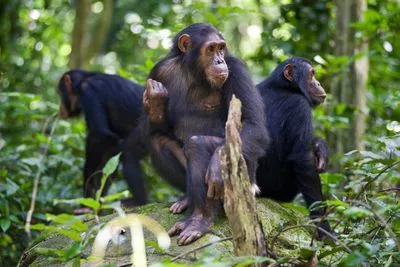

Tucked along the steep slopes of Lake Tanganyika, Gombe National Park, (formerly Gombe Stream National Park), is a place of quiet wonder. Spanning just 35 square kilometres, it’s one of Tanzania‘s smallest national park, but famous across the globe.
This is the legendary sanctuary where Dr. Jane Goodall began her studies on wild chimpanzees in 1960. Her work changed how we understand our closest relatives forever. Far from the traditional savannah, Gombe offers a truly intimate experience. Here, you walk beneath a lush jungle canopy and step directly into conservation history.
Wildlife in Gombe National Park
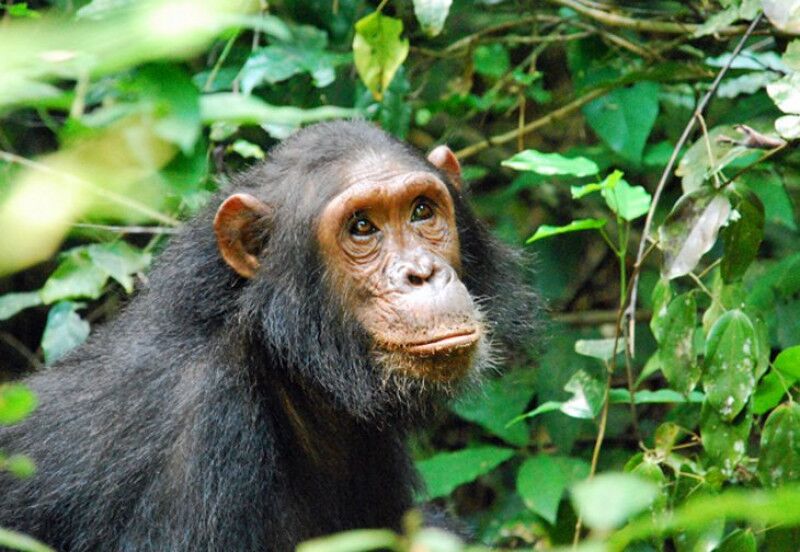
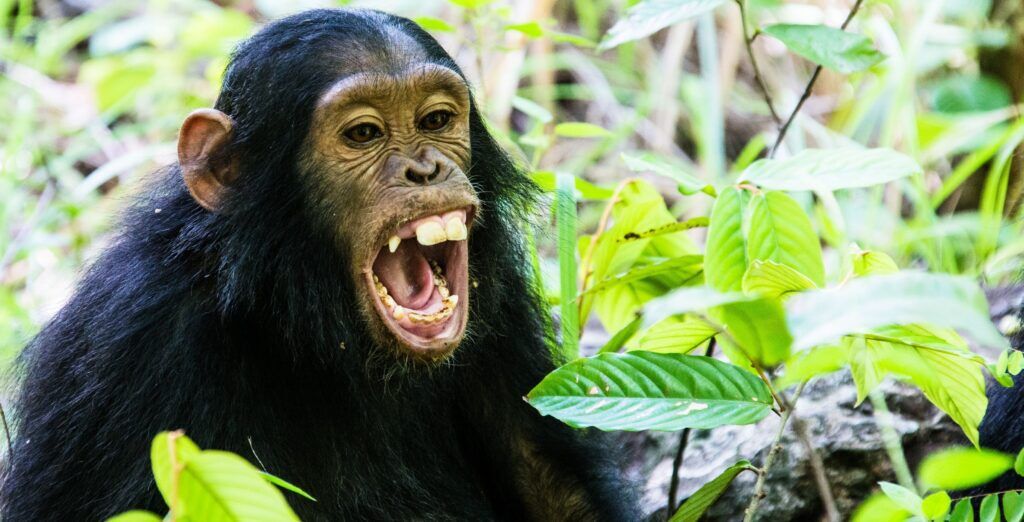
Gombe’s dense tropical rainforest is home to various primates, with the undisputed heart of the park being its wild chimpanzee community. Join a guided trek to sit quietly in their presence and feel your heart go wow!
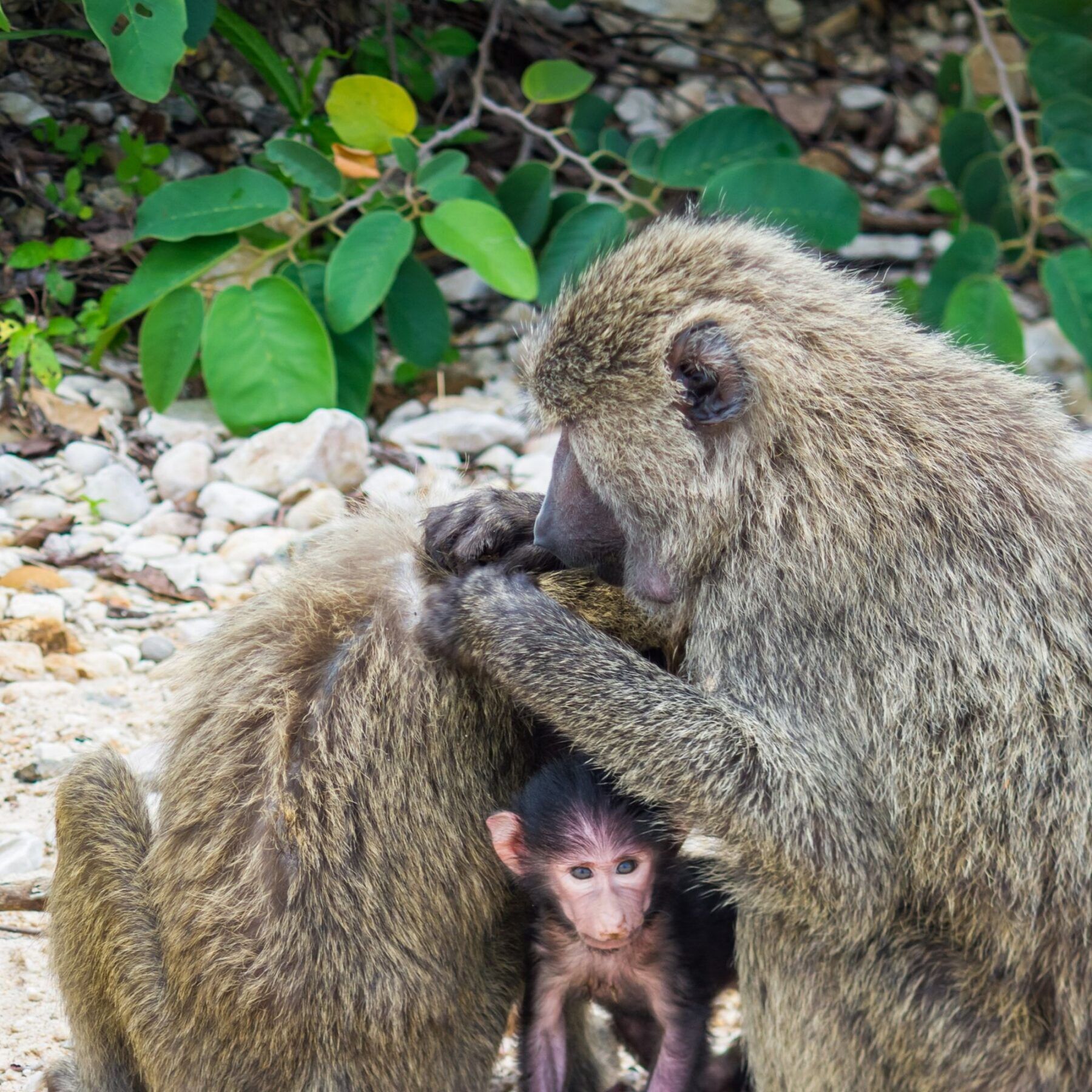
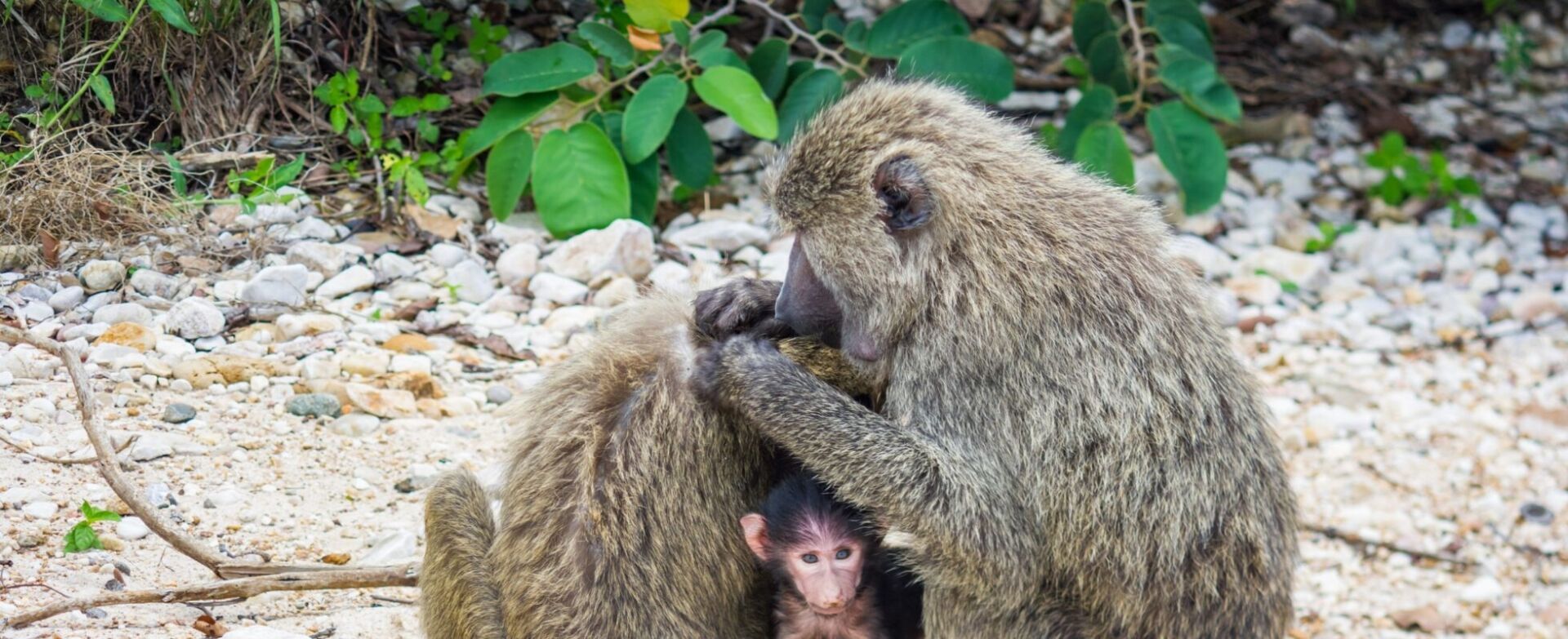
The forest doesn’t belong to chimps alone, though. Playful olive baboons, red colobus, and vervet monkeys dart through the branches, and with a bit of luck you may even spot rare hybrids of red-tailed and blue monkeys.


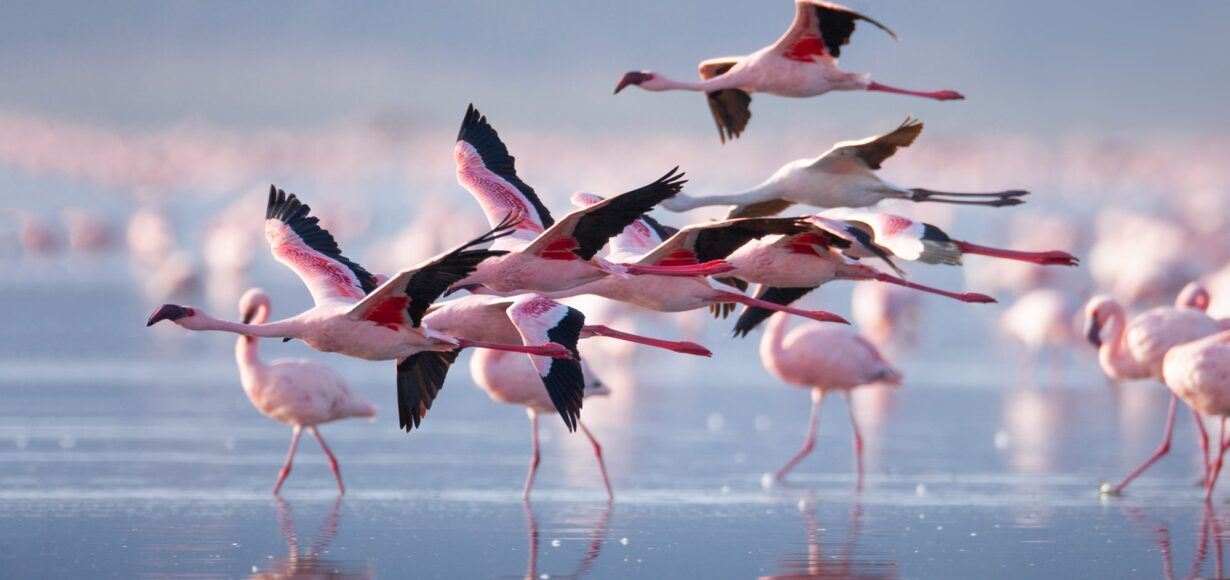
On the forest floor, shy bushpigs and elusive leopards move discreetly, while hippos occasionally surface in and along Lake Tanganyika. Don’t forget to look up to the sky, where more than 200 bird species fill the tropical air with song.
Information and facts
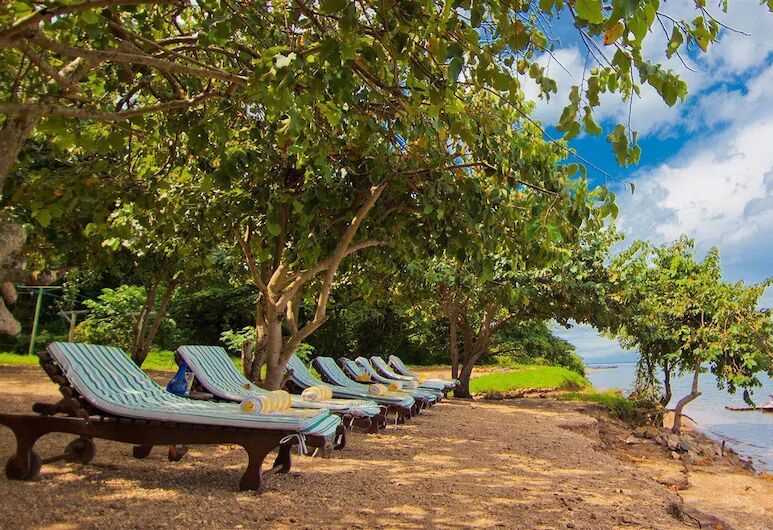
The former name “Gombe Stream” comes from its unique geography of steep river valleys tumbling down into the crystal-clear waters of Lake Tanganyika. As you stand along its shores watching the tropical forest meet the lake, you will understand.
Most common animals
- Chimpanzees
- Beachcomber olive baboons
- Red colobus monkeys
- Red-tailed monkeys
- Blue monkeys
- Vervet monkeys
- Bushpigs
- Leopards
- Hippos
- Over 200 bird species
Facts about Gombe National Park
- Spans a compact area of just 35 square kilometres, making it one of Tanzania’s smallest national park
- Established in 1968 to protect its unique primate populations
- World-famous as the historic site where Dr. Jane Goodall began her pioneering chimpanzee research in 1960
- Home to the Gombe Stream Research Center, the longest-running field study of an animal species in its natural surroundings
- Located around 20 kilometres north of Kigoma and accessible exclusively by boat
- A serene, off-the-beaten-track wilderness where you can step directly into conservation history