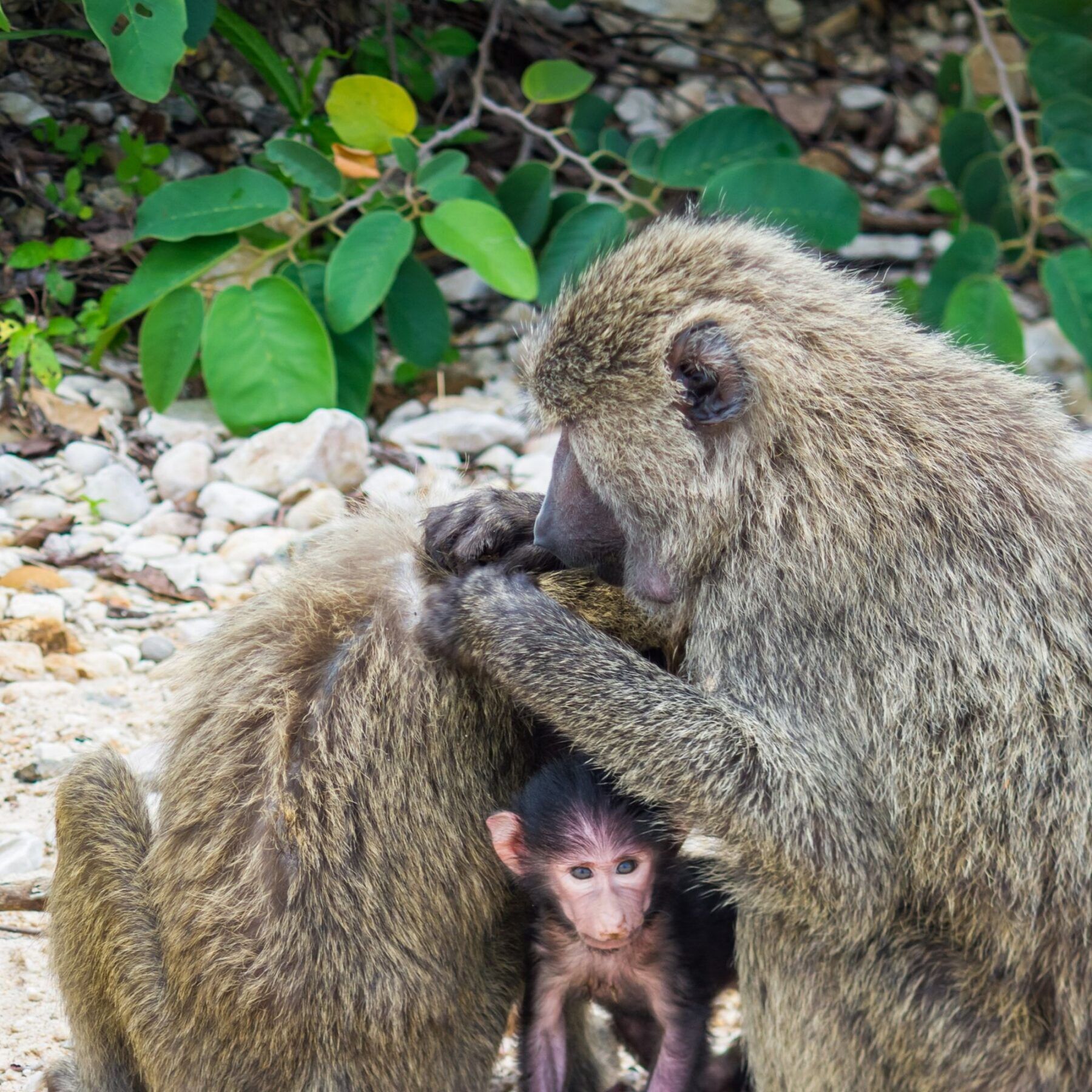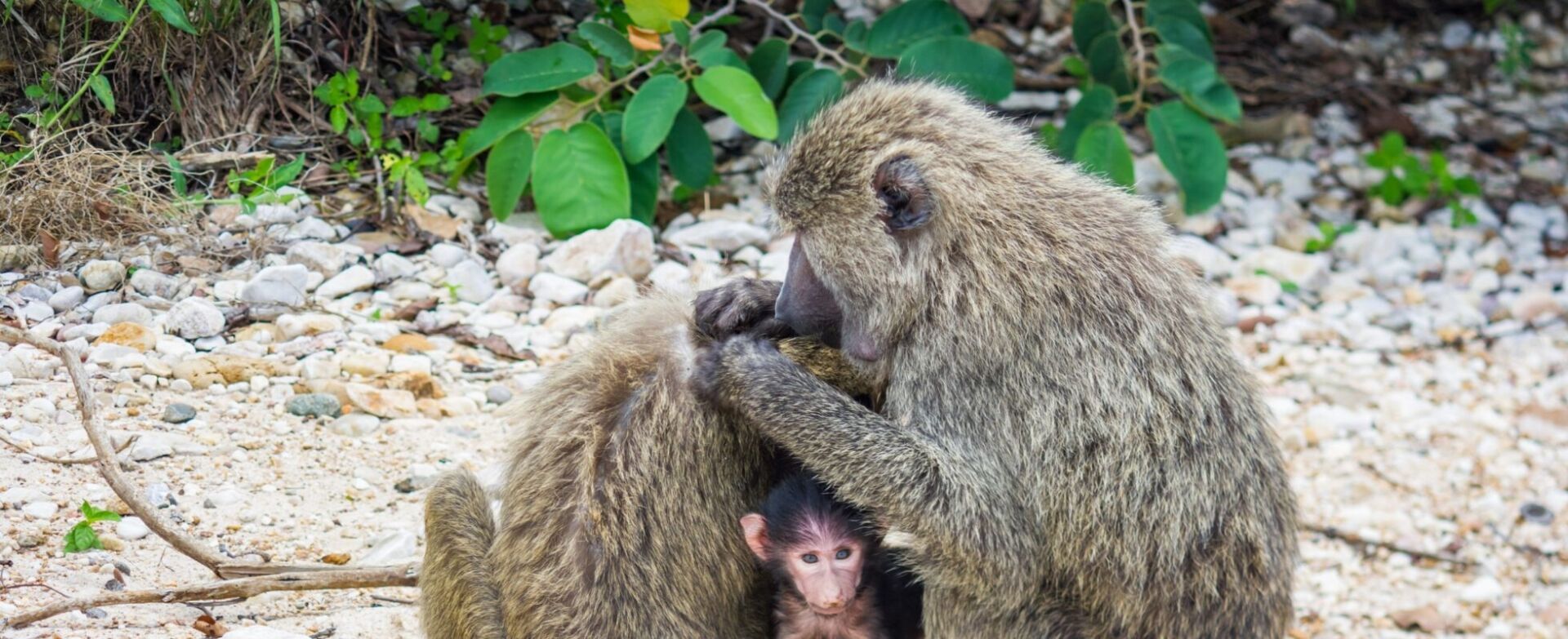
Olive baboon grooming another adult with a small baby sitting between them in Gombe Stream National Park, Tanzania

Gombe National Park

TripAdvisor Travellers' Choice

Tucked along the steep slopes of Lake Tanganyika, Gombe National Park, (formerly Gombe Stream National Park), is a place of quiet wonder. Spanning just 35 square kilometres, it’s one of Tanzania‘s smallest national park, but famous across the globe.

This is the legendary sanctuary where Dr. Jane Goodall began her studies on wild chimpanzees in 1960. Her work changed how we understand our closest relatives forever. Far from the traditional savannah, Gombe offers a truly intimate experience. Here, you walk beneath a lush jungle canopy and step directly into conservation history.
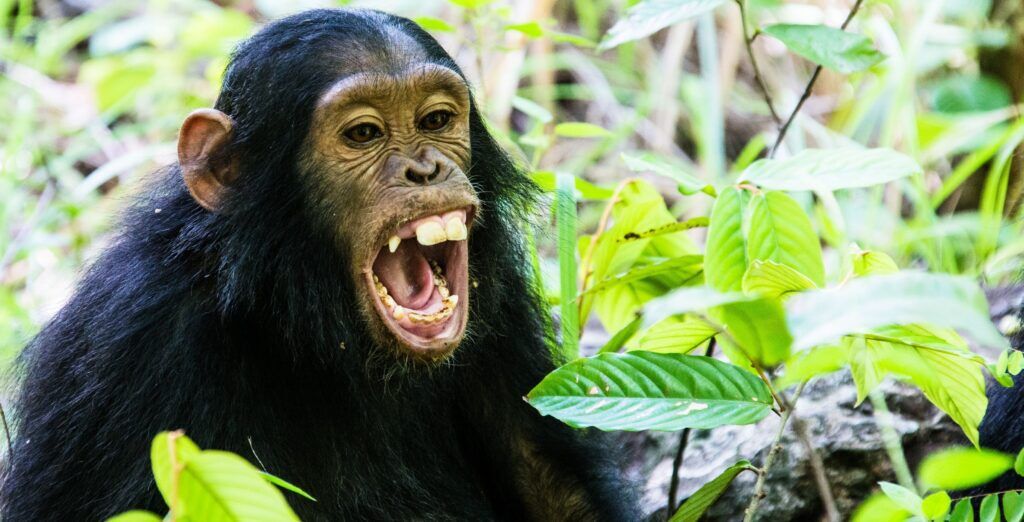
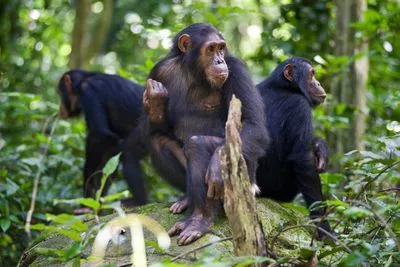
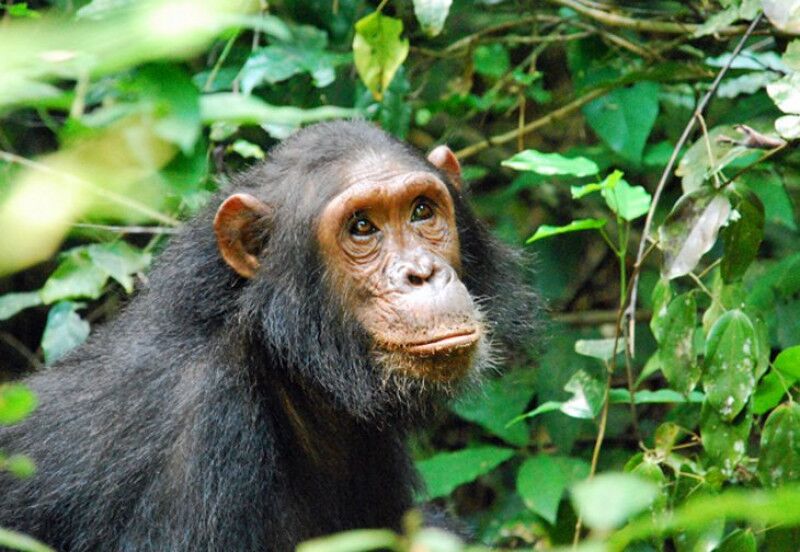
Close-up of a wild chimpanzee vocalizing in the lush rainforest of Gombe Stream National Park, Tanzania

Wildlife in Gombe National Park

Gombe’s dense tropical rainforest is home to various primates, with the undisputed heart of the park being its wild chimpanzee community. Join a guided trek to sit quietly in their presence and feel your heart go wow!

The forest doesn’t belong to chimps alone, though. Playful olive baboons, red colobus, and vervet monkeys dart through the branches, and with a bit of luck you may even spot rare hybrids of red-tailed and blue monkeys.

On the forest floor, shy bushpigs and elusive leopards move discreetly, while hippos occasionally surface in and along Lake Tanganyika. Don’t forget to look up to the sky, where more than 200 bird species fill the tropical air with song.

Information and facts

The former name “Gombe Stream” comes from its unique geography of steep river valleys tumbling down into the crystal-clear waters of Lake Tanganyika. As you stand along its shores watching the tropical forest meet the lake, you will understand.

Most common animals

  • Chimpanzees
  • Beachcomber olive baboons
  • Red colobus monkeys
  • Red-tailed monkeys
  • Blue monkeys
  • Vervet monkeys
  • Bushpigs
  • Leopards
  • Hippos
  • Over 200 bird species

Facts about Gombe National Park

  • Spans a compact area of just 35 square kilometres, making it one of Tanzania’s smallest national park
  • Established in 1968 to protect its unique primate populations
  • World-famous as the historic site where Dr. Jane Goodall began her pioneering chimpanzee research in 1960
  • Home to the Gombe Stream Research Center, the longest-running field study of an animal species in its natural surroundings
  • Located around 20 kilometres north of Kigoma and accessible exclusively by boat
  • A serene, off-the-beaten-track wilderness where you can step directly into conservation history
Lake Tanganyika: The Lifeline of Gombe

Lake Tanganyika is a whopping 670 kilometres long and roughly 1,470 metres deep. In other words: it’s home to plenty of fish species and vital for the animals around.

Chimpanzees, baboons, red colobus, bushbucks, and many birds depend on the water, and the shoreline stays wet even when the forested hills dry out. The lake also feeds a web of life: cichlids and other fish sustain fish eagles, kingfishers, otters, and monitor lizards.

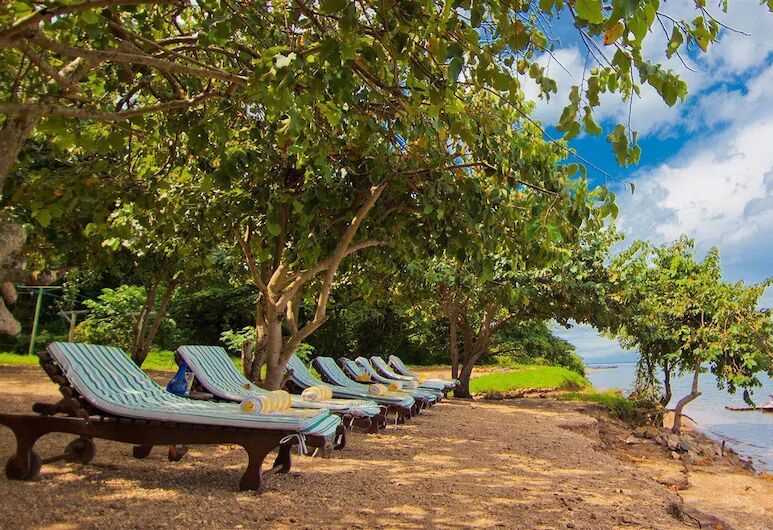
After an unforgettable trekking trip to see chimpanzees and other forest wildlife, you can relax at the lake as the sun sets and fishing boats drift out on the water. This beautiful combination of forest adventures and lake relaxation make a trip to Gombe National Park and its Lake Tanganyika so memorable.

Dive into Gombe National Park

Discover a safari itinerary that combines Gombe’s chimpanzee action with the unspoilt nature surrounding Mbali Mbali Gombe Forest Lodge, the perfect base for your trekking adventure. Of course, you can tweak this route to suit your wishes and add more highlights of Tanzania. Simply get in touch and we’ll turn your ideas into reality.

How to get to Gombe National Park

You can reach Gombe by water, as it’s tucked away along the remote western shores of Lake Tanganyika. A scenic boat ride from the nearby town of Kigoma brings you directly to the park, making the journey part of the adventure. Travelling by boat you get to peek into the crystal-clear waters and the authentic heart of western Tanzania.

If you prefer to travel from farther places, you can fly to Kigoma from Dar es Salaam on a domestic flight.  However, given its secluded location, combining a flight to Kigoma with a short boat transfer remains the most practical route. Your ideal journey simply depends on your pace and travel plans.

Best time to visit Gombe National Park

Gombe welcomes travellers throughout the entire year, each season creating a unique forest atmosphere. Whether you prefer crisp, dry trails or a lush, mist-covered jungle, the timing of your trip simply changes how you experience the wilderness.

June–October

The dry season makes forest paths easier to navigate. Chimpanzees often gather on the lower slopes, making them easier to find during your treks.

November–December

The short rains arrive, bringing the rainforest to life. The canopy turns vivid green and migratory birds make their appearance.

January–February

A drier, warmer spell usually occurs between the rains. It is a wonderful, lush time to explore the park with generally calmer weather.

March–May

The heavy rains transform the park into a calm, emerald sanctuary. It is the quietest season, ideal for travellers seeking solitude.

*Chimpanzee movements follow the ripening of forest fruit rather than a strict calendar. For easier walking conditions, the dry months remain the preferred choice.

Climate in Gombe National Park

Gombe enjoys a tropical, humid climate shaped by the waters of Lake Tanganyika. Temperatures stay warm year-round, while humidity levels change with the seasons.

The dry season runs from June to October, bringing sunny skies and clear views across the lake, and firmer paths for hiking. The rainy periods transform the park into a lush, emerald sanctuary: short rains fall in November and December, followed by a warmer, drier spell in January and February, before the heaviest rains arrive between March and May.

Whichever season you visit, packing lightweight, breathable layers is essential. Humidity can rise quickly during forest treks, while early mornings on the lake can feel refreshingly cool.

Frequently asked questions about Gombe National Park

Is chimpanzee trekking difficult? How do you reach the park? Can you swim in Lake Tanganyika? We have answered some of the most frequently asked questions so that you can start planning your safari!