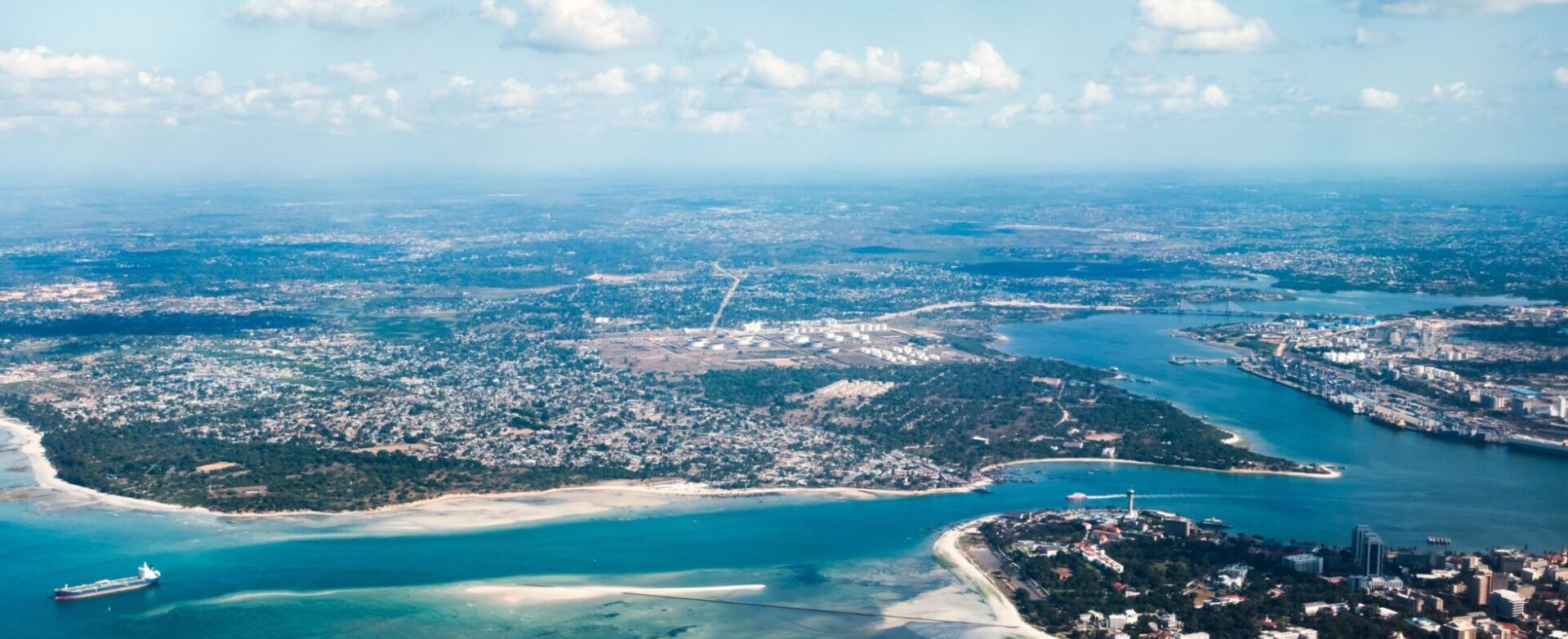
High-altitude aerial view of Dar es Salaam coastline, harbour entrance, and turquoise Indian Ocean waters, Tanzania

Dar es Salaam

TripAdvisor Travellers' Choice

Welcome to Dar es Salaam, Tanzania‘s vibrant coastal heart, with colonial architecture right next to the azure Indian Ocean. From the bustling avenues lined with palms, turquoise islands are just a hop, skip and a boat ride away.

The historic port, whose name means “Haven of Peace”, wows with a captivating mix of Swahili culture, rich heritage, and modern oceanfront energy. Whether you catch a ferry to Zanzibar to explore quiet marine reserves, or set off on a southern safari adventure, every day in this diverse city holds a new surprise.
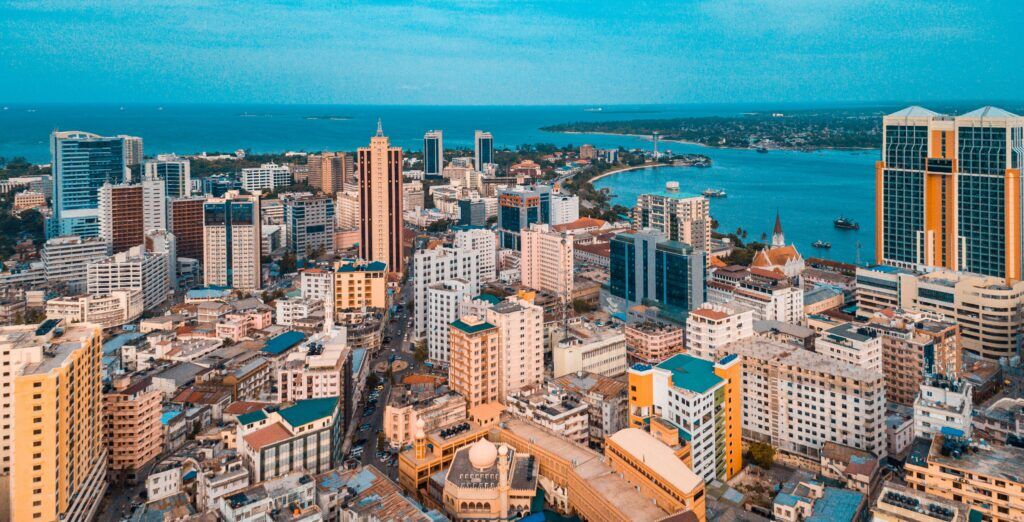
Aerial view of Dar es Salaam skyline and Indian Ocean coastline, Tanzania

Discover the Coastal Vibe & Cultural Heritage of Dar es Salaam

Dar es Salaam is renowned for its rich blend of Swahili culture, oceanfront charm, and vibrant history. Broad, palm-fringed avenues lead you to historic landmarks like the red-roofed Azania Front Lutheran Church and St. Joseph’s Cathedral. If you want to get a glimpse of local life, dive into the lively and colourful Kariakoo market.

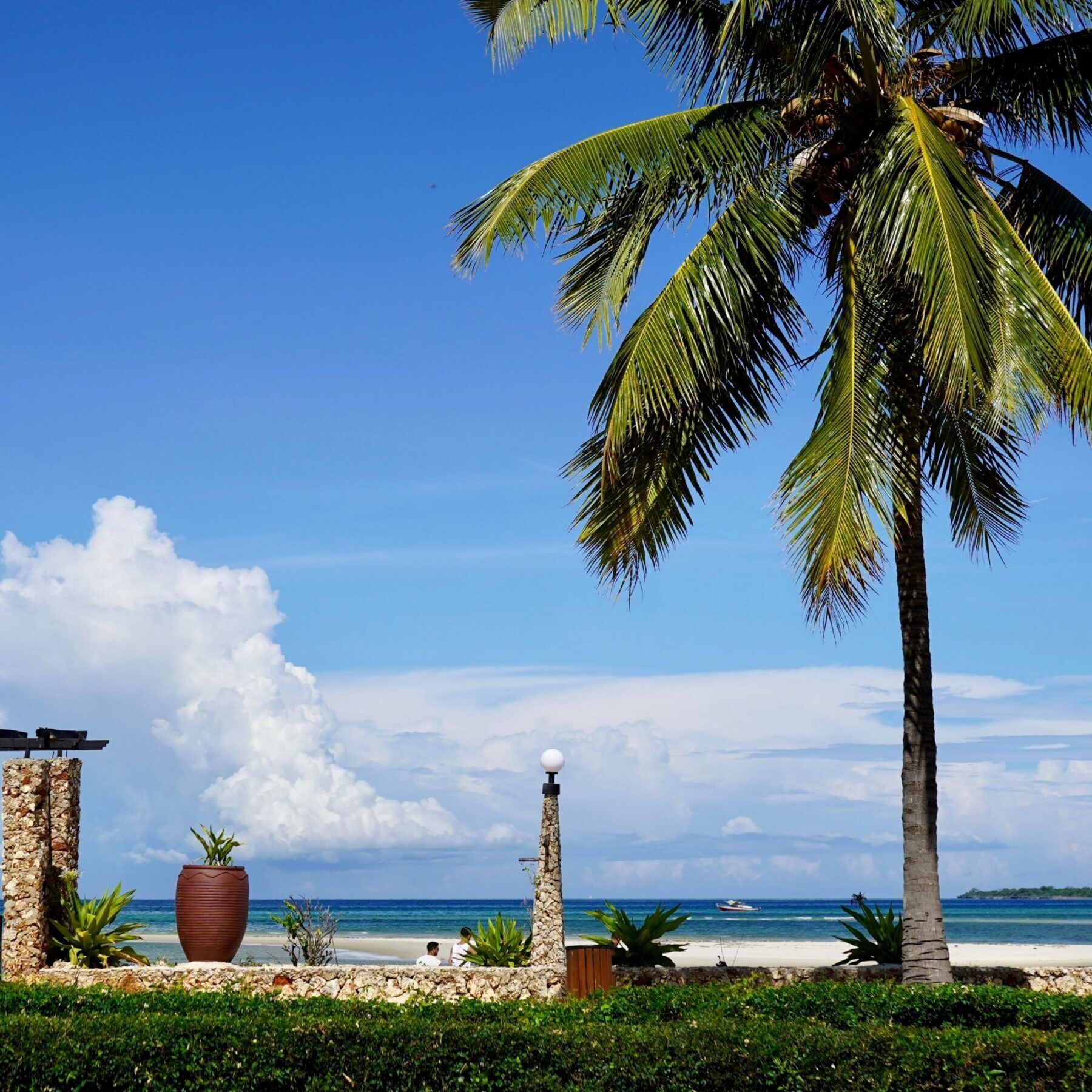
But that’s far from it: just off the coast, pristine paradises like Bongoyo and Mbudya Islands are surrounded by turquoise waves gently lapping against white sandy beaches. To the north, the ancient Swahili town of Bagamoyo carries stories of trade and exploration through its colonial ruins.

Dar es Salaam is also the primary coastal hub for even more journeys, serving as a great entry point to Zanzibar and the wild, untamed savannahs of southern parks like Mikumi and Nyerere.

With so much history, ocean life, and culture sharing the same coastline, even a simple stroll along the harbour can suddenly turn into an unforgettable discovery.

Island Escapes & Ocean Adventures

Few coastal experiences compare to stepping onto the quiet, white sands of Bongoyo or Mbudya Islands. Surrounded by crystal-clear waters and marine reserves, they create the perfect contrast to the vibrant energy of the mainland.

A quick boat ride across the bay, relaxation awaits in many forms. Depending on what you feel like doing, you might spend a quiet morning snorkelling among colourful coral reefs, enjoy fresh grilled seafood in the shade of the palm trees, or simply walk along secluded ocean beaches.

The tides and sea breezes change slightly throughout the year, making every island trip feel fresh and peaceful. Choosing the right island escape during your stay can make all the difference, and of course, we are happy to help.

Information and facts

The name Dar es Salaam comes from Arabic, meaning “Haven of Peace”. Founded in 1862 by the Sultan of Zanzibar, this historic coastal port has transformed into Tanzania’s most vibrant economic and cultural heart.

Must-visit landmarks

  • National Museum of Tanzania: Discover fascinating exhibits on Tanzanian heritage, culture, and human origin.
  • Azania Front Lutheran Church: Iconic 1898 seafront church built by German missionaries.
  • Saint Joseph’s Cathedral: A magnificent Gothic Roman Catholic cathedral overlooking the harbour.
  • The Old Boma: Built in 1866, one of the city’s oldest standing buildings near the sultan’s palace.
  • Askari Monument: Historic bronze statue honouring soldiers who fought in World War I.
  • Kariakoo Market: East Africa’s largest open-air market, brimming with local energy, colours, and spices.
  • Kunduchi Ruins: Remnants of a 15th-century mosque and historic Arabic pillar tombs.

Highlights of Dar es Salaam

  • Tanzania’s main coastal and economic hub
  • Beautiful mix of Swahili, Arab, German, and Asian architectural styles
  • Gateway to quiet island escapes (Bongoyo & Mbudya)
  • Prime starting point for southern safaris and Zanzibar ferry crossings
  • Vibrant culinary scene, local art, and beach atmosphere
How to get to Dar es Salaam

Most travellers reach Dar es Salaam through  Julius Nyerere International Airport (DAR), Tanzania’s primary international gateway. Located on the central coast, the city is seamlessly connected to both domestic safari hubs and tropical islands.

If you come from Arusha or a northern safari, a short domestic flight brings you straight to the coast in just over an hour. For those travelling by car from southern parks like Mikumi, the route gives you a fascinating glimpse into everyday Tanzanian life and changing landscapes… a drive-on cinema.

Whether you prefer a quick hop by air or a scenic drive along the coast, Dar es Salaam bridges the wild savannahs with pristine ocean beaches. Your ideal route simply depends on your itinerary and how much time you have.

Best time to visit Dar es Salaam

Let’s start with the good news! There’s no single best month to visit Dar es Salaam. With its warm tropical climate, coastal sea breezes, and year-round sunshine, the city always has rewarding experiences in store for you.

If you want to focus on island hopping, snorkelling, and walking tours, dry and sunny months are ideal, while the warm coastal waters invite you to a swim almost any time of the year.

June–October (Dry Season)

Clear blue skies, lower humidity, and pleasant ocean breezes – perfect for city exploring, beach days, and island boat trips.

November–December (Short Rains)

Warm tropical weather with short afternoon showers that refresh the air, turning the coastal vegetation green.

January–February (Warm & Dry)

Hot and sunny conditions with clear, calm ocean waters – ideal for snorkelling around Bongoyo and Mbudya islands.

March–May (Long Rains)

Warmer tropical temperatures with more rainfall, resulting in quieter streets, lush landscapes, and fewer crowds.

*Coastal weather is naturally tropical and can vary slightly, making these periods approximate. For a first visit, combining your stay with a quick island escape or a ferry trip to Zanzibar is always a rewarding choice.

Discover Coastal & Safari Itineraries

Discover curated itineraries that combine the city's rich Swahili culture with Tanzania’s legendary wildlife safaris. Or extend your adventure with a tropical beach stay in Zanzibar.

Climate in Dar es Salaam

Dar es Salaam experiences a tropical coastal climate, with warm weather and ocean breezes throughout the year. The primary dry season runs from approximately June to October, bringing bright sunny days, pleasant sea air, and slightly cooler, comfortable evenings. The rain refreshes the lush coastal palms and tropical flora. Short rains occur around November and December, while the main rainy season typically falls between March and May. As with most coastal weather, tropical showers are often brief and clear up quickly to reveal sunshine.

Whichever month you visit, it’s worth packing lightweight, breathable clothing, along with sun protection and a light layer or scarf for air-conditioned spaces or cool evening walks along the oceanfront.

Where to stay in Dar es Salaam

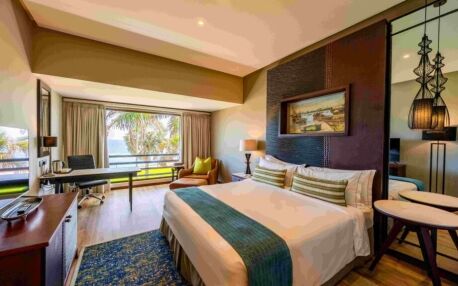
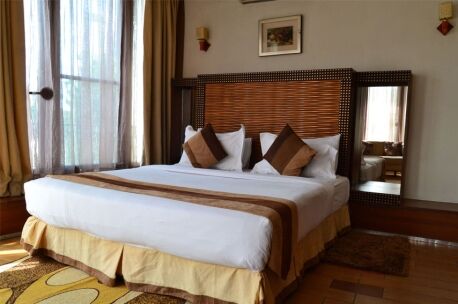
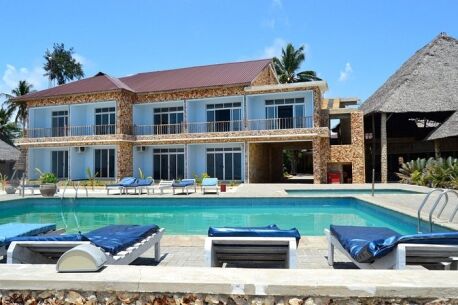
From charming boutique hotels to luxurious oceanfront resorts, Dar es Salaam offers the perfect accommodation for every travel style. While staying in the city centre is ideal for historic sightseeing and quick ferry access to Zanzibar, oceanfront hotels along the northern peninsula offer a tranquil coastal retreat surrounded by sea breezes.

Frequently asked questions about Dar es Salaam

From how to get to Zanzibar and safety tips to the best island escapes and how many days you should stay, we’ve got you covered. Here are the answers to some of the most frequently asked questions about Dar es Salaam to help you prepare for an unforgettable coastal stay.