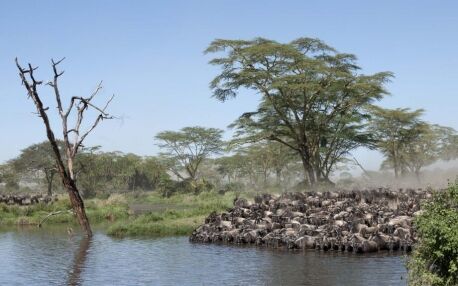

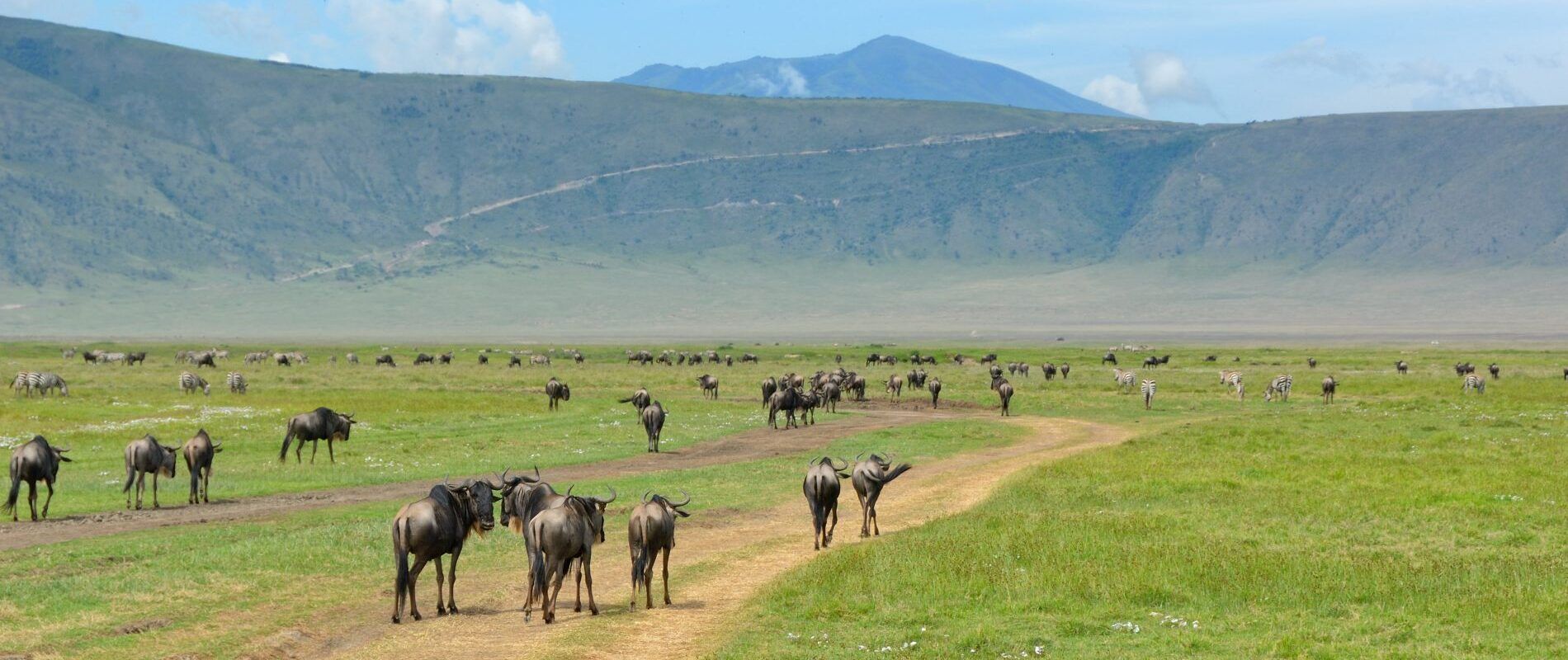

Herds of wildebeest roaming the green plains of Ngorongoro Crater in Tanzania

Ngorongoro Conservation Area

TripAdvisor Travellers' Choice

Ngorongoro Conservation Area is one of Africa’s most extraordinary safari destinations and a UNESCO World Heritage Site. Close to Karatu, just after you enter the area, lies the famous Ngorongoro Crater, where you can marvel at an incredible variety of wildlife against a breathtaking backdrop. But there’s much more to discover, like ancient archaeological sites and the fascinating Maasai culture. Ready to explore one of Tanzania’s greatest natural wonders?

Wildlife in Ngorongoro Conservation Area

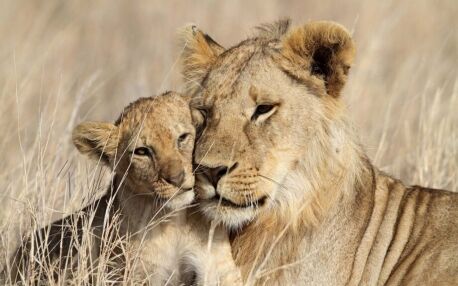
While lions rest underneath a tree, elephants cross the plains and zebras and wildebeest meet to enjoy a delicious grassy lunch. The Ngorongoro Conservation Area is a paradise for wildlife lovers.

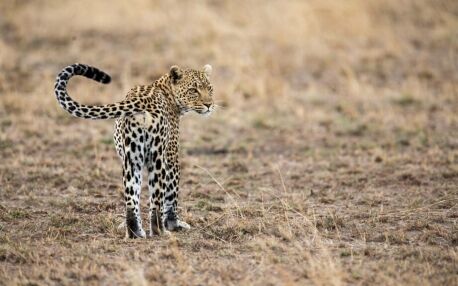
Its varied landscapes, from open grasslands and forests to wetlands and volcanic highlands, provide habitats for an unbelievable diversity of animals. The Ngorongoro Crater is especially famous for its high concentration of wildlife – the perfect prerequisite for your game drive.

Keep your eyes open for buffaloes, hippos, hyenas and large herds of antelopes. And if you’re lucky, you might even spot one of the area’s most extraordinary residents: the endangered black rhino.

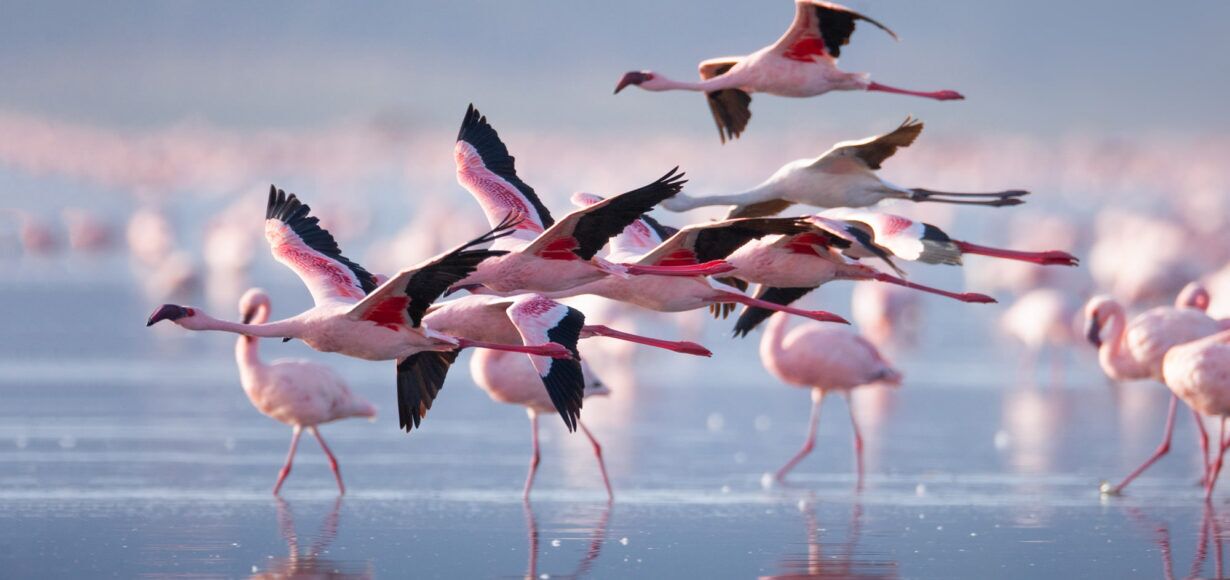
The wider conservation area is also home to an impressive variety of birdlife, including flamingos, birds of prey and many other species. Whether you’re a first-time safari traveller or an experienced wildlife enthusiast, Ngorongoro will make your heart jump of joy.

Information and facts

The Ngorongoro Conservation Area is one of Tanzania’s most remarkable protected landscapes. Famous for its enormous volcanic crater and extraordinary wildlife, the area combines spectacular nature, fascinating history and rich cultural heritage.

Most common animals

  • Lions
  • Buffaloes
  • Zebras
  • Wildebeest
  • Hippos
  • Elephants
  • Hyenas
  • Warthogs
  • Gazelles
  • Flamingos

Facts about Ngorongoro Conservation Area

  • Located in northern Tanzania
  • Covers approximately 8,300 km²
  • UNESCO World Heritage Site
  • Home to the famous Ngorongoro Crater
  • Crater floor covers approximately 260 km²
  • Crater walls rise up to around 600 metres
  • One of Tanzania’s best-known destinations for spotting black rhinos

Discover the Ngorongoro Crater

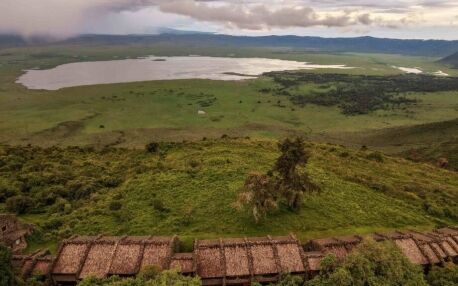
Imagine standing on the edge of a giant volcanic crater, looking over a breathtaking landscape of rolling grasslands, forests and a shimmering lake. This is not AI, it’s the Ngorongoro Crater. Formed by the collapse of a massive volcano millions of years ago, this natural wonder is one of the world’s largest intact, unfilled volcanic calderas – and an iconic destination in Tanzania.

A safari inside a natural wonder

The adventure begins before you even reach the crater floor. From the rim, you enjoy panoramic views and then follow a steep road approximately 600 metres down into the caldera, passing through lush highland forest along the way. On the crater floor you find open plains, freshwater pools, and the soda waters of Lake Magadi. These contrasting landscapes make you feel as if you’re inside a nature documentary.

More than just the crater

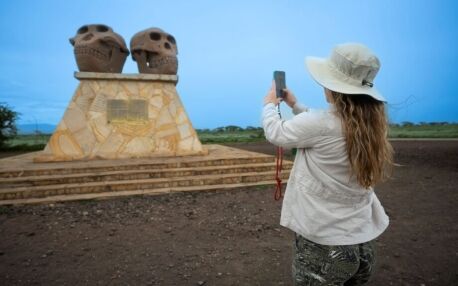
The Ngorongoro Conservation Area stretches far beyond its famous crater. On your way to the Serengeti, you drive through this larger area and can visit Olduvai Gorge, one of the world’s most important archaeological sites for understanding early human history. Game drives are rarely done along this stretch, as there is less wildlife than in the crater.

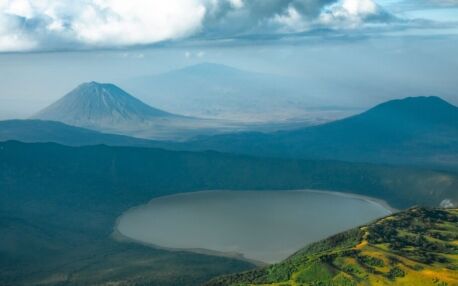
If you want to explore further, the volcanic landscapes of Empakaai and Olmoti lie to the north of the crater. In the west, the vast Ndutu plains border the Serengeti and are a popular game-viewing area, especially during calving season. The area also has a rich Maasai heritage, making this extraordinary destination even more fascinating.

Activities in Ngorongoro Conservation Area

There's more to Ngorongoro than spectacular wildlife. From exhilarating crater hikes to cultural encounters and adventures in the surrounding highlands, there are plenty of ways to put the cherry on your Tanzania safari.

How to Get to Ngorongoro Conservation Area

The Ngorongoro Conservation Area is located in northern Tanzania, making it a popular stop on the famous Northern Safari Circuit. Most travellers visit Ngorongoro as part of a safari that also includes Serengeti, Tarangire or Lake Manyara National Park.

From Arusha, it takes approximately three to four hours by car, depending on your route and stops along the way. If you travel from Lake Manyara, the journey is considerably shorter.

Once you arrive at the Ngorongoro Crater rim, you’ll be rewarded with breathtaking views before diving into the crater for your game drive.

Thanks to its location between several of Tanzania’s most famous safari destinations, Ngorongoro fits perfectly into a longer wildlife adventure.

Discover Ngorongoro Safari Itineraries

Combine the Ngorongoro Crater with the endless plains of the Serengeti, the elephants of Tarangire or the beautiful landscapes of Lake Manyara. Discover our safari itineraries and start planning your very own Tanzania adventure.

Climate in Ngorongoro Conservation Area

Thanks to its high altitude, the Ngorongoro Conservation Area has a cooler climate than many other safari tours in Tanzania. Mornings and evenings on the crater rim can be surprisingly chilly, while the crater floor usually warms up during the day.

The region experiences two main rainy periods: the short rains, typically around November and December, and the long rains, generally from March to May. The drier months from June to October often bring clear skies and cooler mornings.

The changing seasons paint Ngorongoro’s landscape differently throughout the year – think misty crater views, lush green hillsides and golden grasslands. Whatever time you visit, it’s best to bring a warm layer for those early morning game drives.

Best Time to Visit Ngorongoro Conservation Area

The great thing about Ngorongoro? You can enjoy incredible wildlife viewing throughout the year! Many animals remain in the crater year-round, so every season has something special to offer.

June–October

Dry season and excellent wildlife viewing

Generally dry weather and good wildlife viewing make this a popular time for a Ngorongoro safari. Expect cooler mornings, especially around the crater rim, and more visitors during peak travel periods.

November–December

Green landscapes and beautiful scenery

The short rains turn the highlands and crater floor green. Wildlife viewing remains stunning as ever, and the changing landscapes make for beautiful photography.

January–February

Calving season in the wider region

These months offer pleasant safari conditions and beautiful green landscapes. In the nearby Ndutu area, which is part of the wider Ngorongoro ecosystem, the Great Wildebeest Migration wows with a special highlight: the calving season.

March–May

Lush scenery and fewer visitors

The long rains transform Ngorongoro into a green paradise. Although showers and muddy roads can affect travel, wildlife viewing is still possible, and the scenery can be spectacular.

Where to stay in Ngorongoro Conservation Area

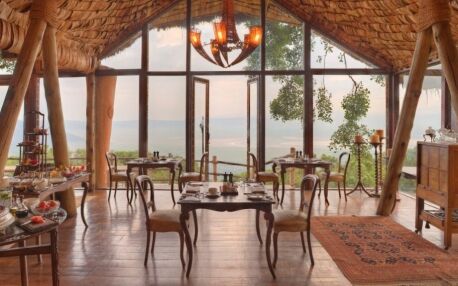
Imagine waking up to misty highland views or enjoying breakfast overlooking the spectacular Ngorongoro Crater. From luxurious lodges to charming camps and retreats in the surrounding highlands, the area offers some truly special places to stay. Discover them all and find the perfect base for your Tanzania safari!

Frequently Asked Questions About Ngorongoro Conservation Area

Planning a safari to Ngorongoro Conservation Area? Here are the answers to some frequently asked questions to help you prepare for your adventure.