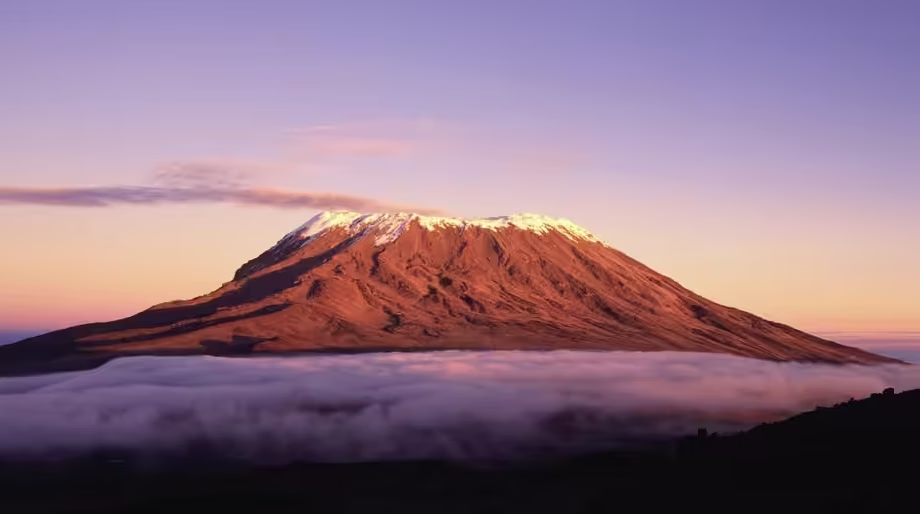




Kilimanjaro National Park in Tanzania wows its visitors with its biggest highlight (literally): Mount Kilimanjaro, reaching a staggering 5,895 metres. Rising above the surrounding plains, this volcanic mountain is the perfect place for nature lovers and thrilling adventures – no matter if you are keen to explore its lower forest trails or plan to stand on the Roof of Africa.
The park has been a UNESCO World Heritage Site since 1987 and boats a remarkably varied landscape, from rainforest at the base to glaciers near the summit. Hence, climbing Kilimanjaro is so much more than just a summit challenge.

Landscapes of Kilimanjaro National Park
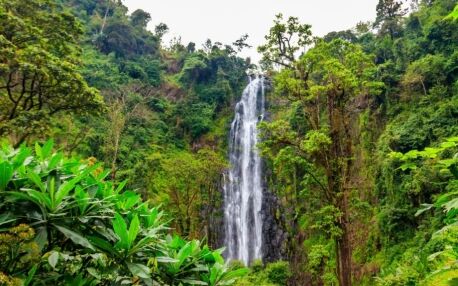
Kilimanjaro’s rainforest is defined by moss-covered trees, picturesque trails and dense greenery. After leaving this special spot of land, you hike through heath and moorland, from where you get a perfect view of the mountain’s immense scale. Further up, volcanic rocks and loose scree replace the vegetation, creating an almost lunar landscape in an alpine desert. The mountain’s three volcanic cones, Kibo, Mawenzi and Shira, make for a stunning backdrop, just as the remaining glaciers near the highest summit, Uhuru Peak.


Wildlife in Kilimanjaro National Park
Kilimanjaro’s forest trails spoil you with more than just a beautiful scenery. Keep your eyes open for forest duikers and look up to the sky to spot black-and-white colobus monkeys or blue monkeys jumping through the canopy. Birdlife adds another layer to the experience, with sunbirds and other mountain species inhabiting the park. Of course, wildlife sightings cannot be guaranteed, but the forest rewards those who stay alert.
Dreaming of climbing Kilimanjaro?
Climbing Africa’s highest mountain might feel like a never-to-come-true-dream, but it doesn’t have to, since you don’t need to be an experienced mountaineer to take on the challenge. With good preparation, a suitable route and support from our experienced mountain team, that dream can become a reality.
In fact, 95% of our guests reach the summit. How? With regular practice hikes to help you prepare, suitable gear and allowing you enough time to acclimatise as you climb higher.
Ready to take the next step? Explore our guide to climbing Kilimanjaro for more info on routes, preparation and what to expect along the way.
Kilimanjaro facts
Kilimanjaro National Park is home to Africa’s highest mountain and boasts remarkable landscapes, from mountain forests to glaciers near the summit.
Key facts
- Highest point: Uhuru Peak, 5,895 metres (19,341 feet)
- Location: north-eastern Tanzania, near Moshi
- National park established: 1973
- UNESCO World Heritage Site since: 1987
- Volcanic peaks: Kibo, Mawenzi and Shira
Landscapes and vegetation zones
- Lower slopes
- Mountain rainforest
- Heath and moorland
- Alpine desert
- Summit zone with snow and ice
Tripadvisor reviews