Makgadikgadi & Nxai Pans
The Makgadikgadi and Nxai Pans are vast remnants of an ancient super-lake where salt flats, grasslands, and endless horizons shift from an otherworldly quiet emptiness to vibrant, wildlife-filled plains. Part of this area is protected within the parks (around 5,000 km²), but the pans are bigger than the parks, and some of the most iconic sections lie outside their boundaries.



- Tailor-made safaris by true Africa specialists
- 5-star customer reviews
- Fair prices. Exceptional quality.

The Prehistoric Super-Lake
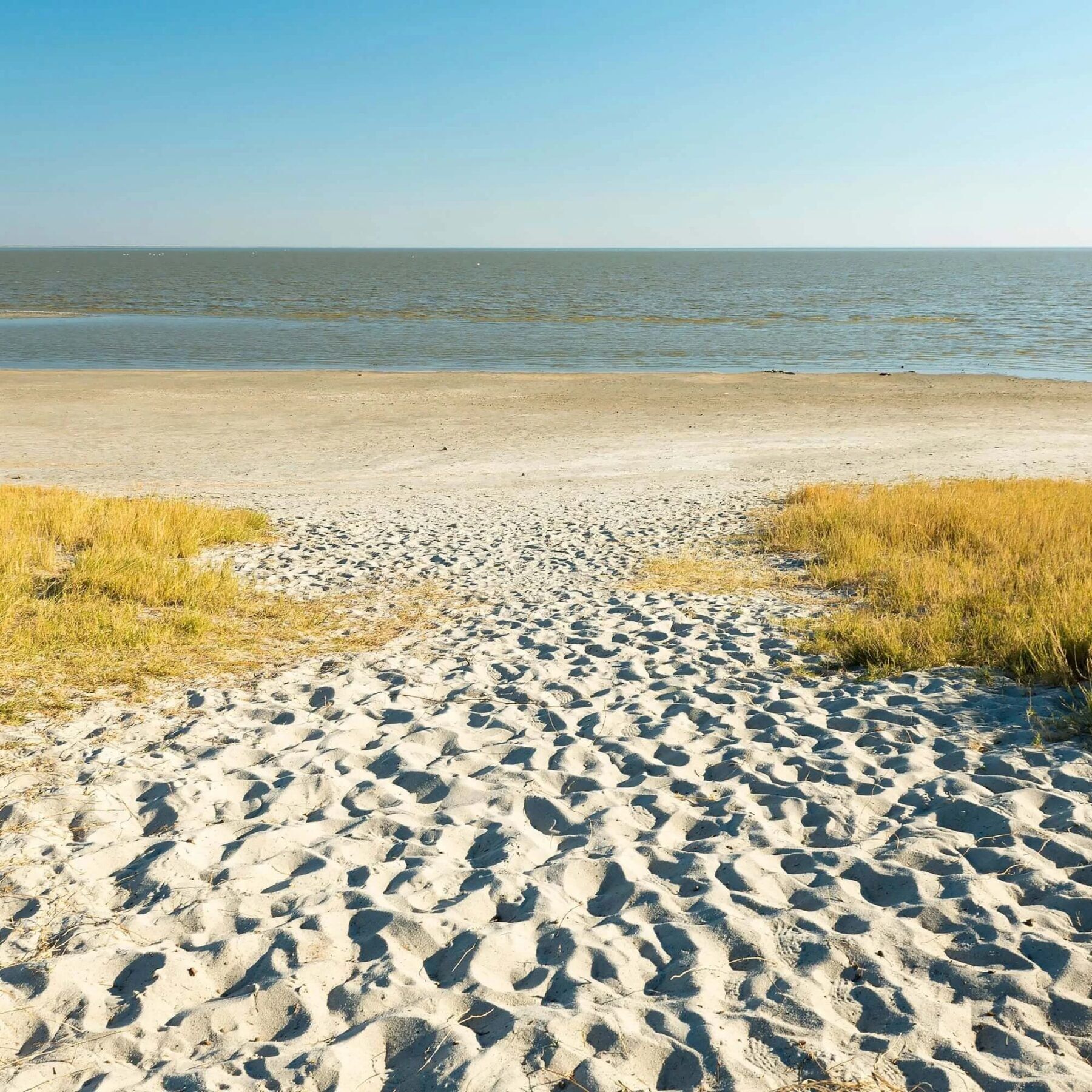
The Makgadikgadi and Nxai Pans in northeastern Botswana are two of the largest neighboring remnants of an ancient super-lake the size of Switzerland. Over thousands of years, shifting tectonic plates rerouted the water (once fed by the Okavango Delta and surrounding river systems), leaving behind an immense salt crust that stretches as far as the eye can see. What remains is not one single pan, but a network of salt flats and grasslands spread across roughly 12,000 square kilometers.
Two Names, Two Personalities
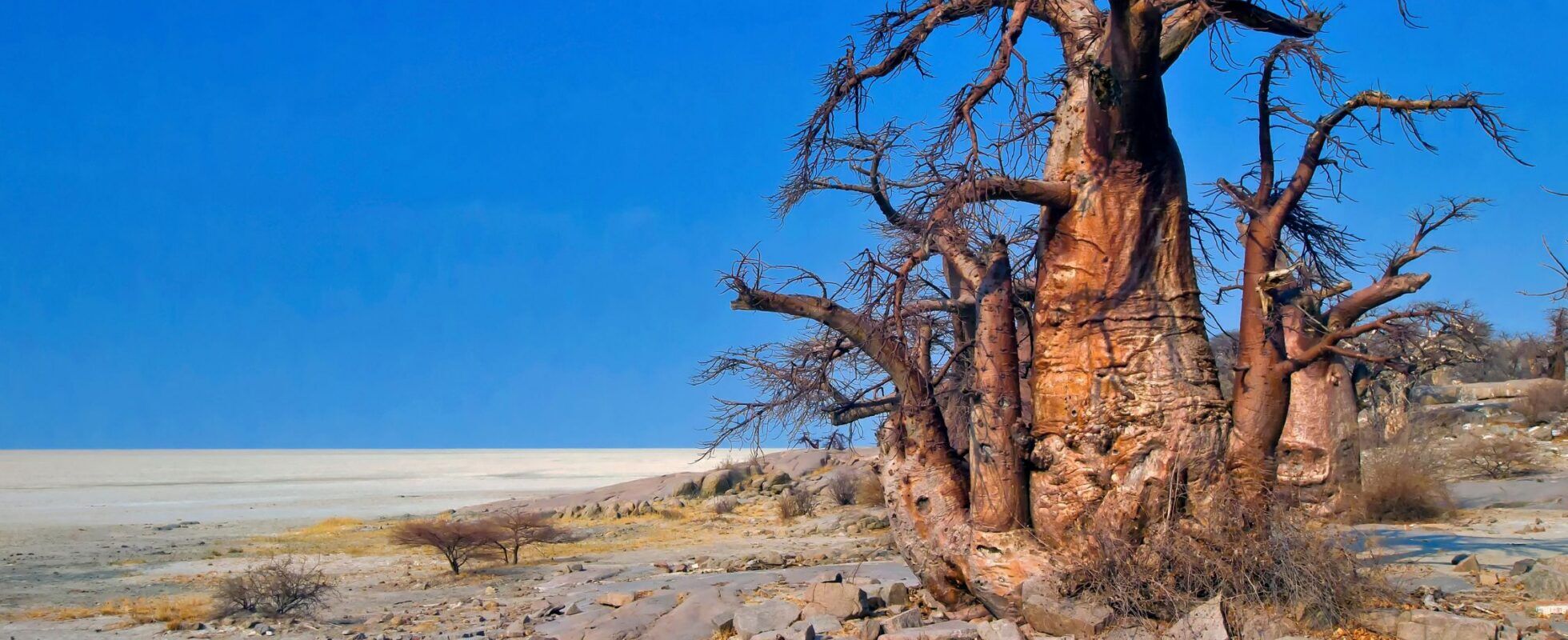
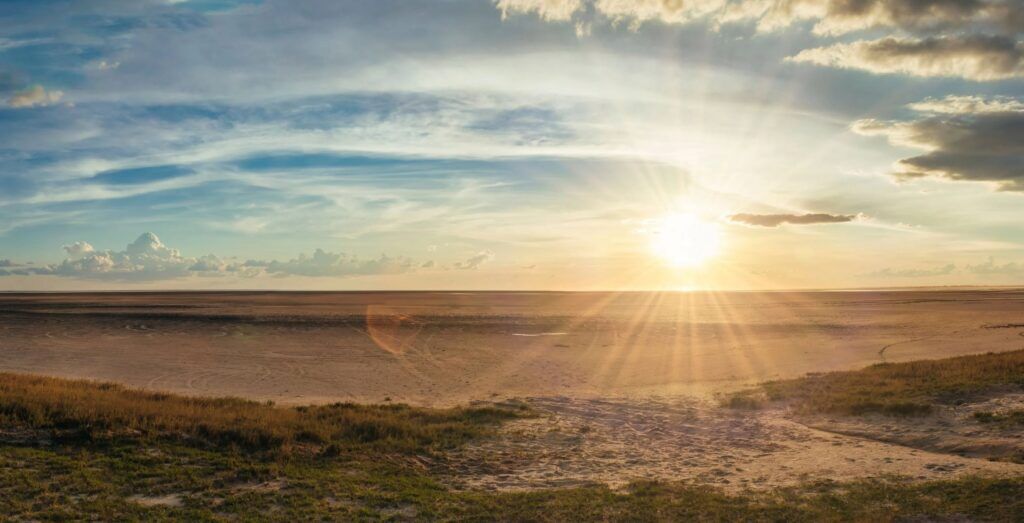
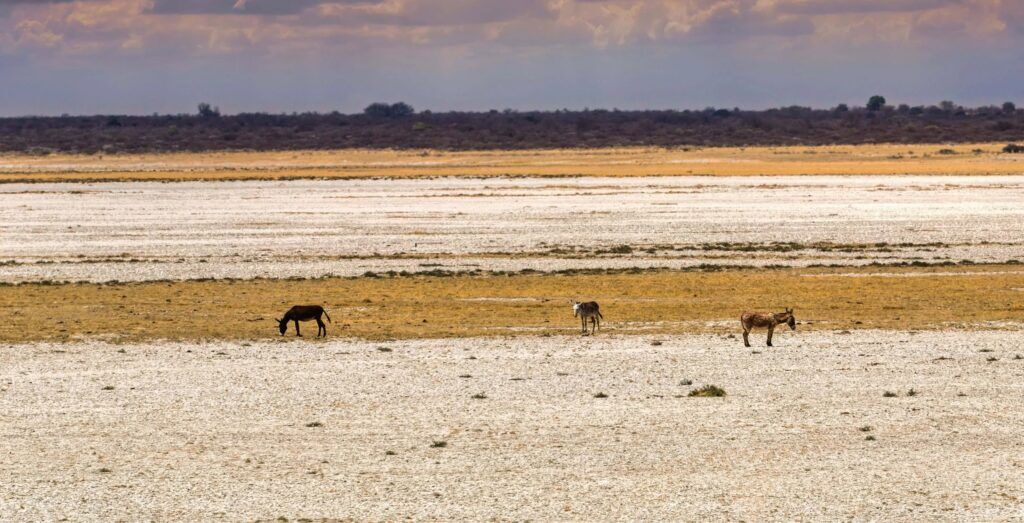
You’ll often hear Makgadikgadi Pans mentioned in tandem with Nxai Pan, but although they are next-door neighbors, their moods are not the same. Makgadikgadi is the dramatic one: vast, blinding white salt flats that stretch into infinity. It houses places like Sowa Pan and Ntwetwe Pan, where the horizon dissolves, and you can’t tell north from south. Nxai, on the other hand, feels softer and almost poetic. Here, the pans are interspersed with golden grasslands and iconic baobab trees, creating the most photogenic landscape.
The Luxury of Emptiness
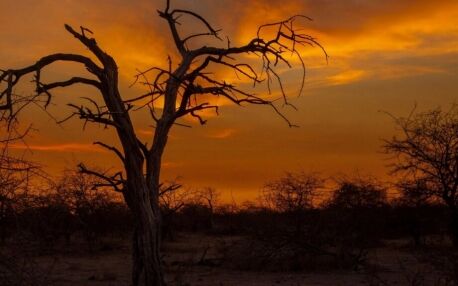
What truly sets this region apart is not just its scale but its silence. The pans are so flat and expansive that they play tricks on your perception; distances blur, horizons bend, and on certain days, you almost believe you’re seeing the curvature of the Earth. It’s a place where emptiness becomes the main attraction and quite possibly the most memorable part of your journey.
Iconic Landscapes & Landmarks
Scattered across the vastness of the Makgadikgadi and Nxai Pans are a handful of landmarks that feel almost mythical, each one a destination in its own right.
-
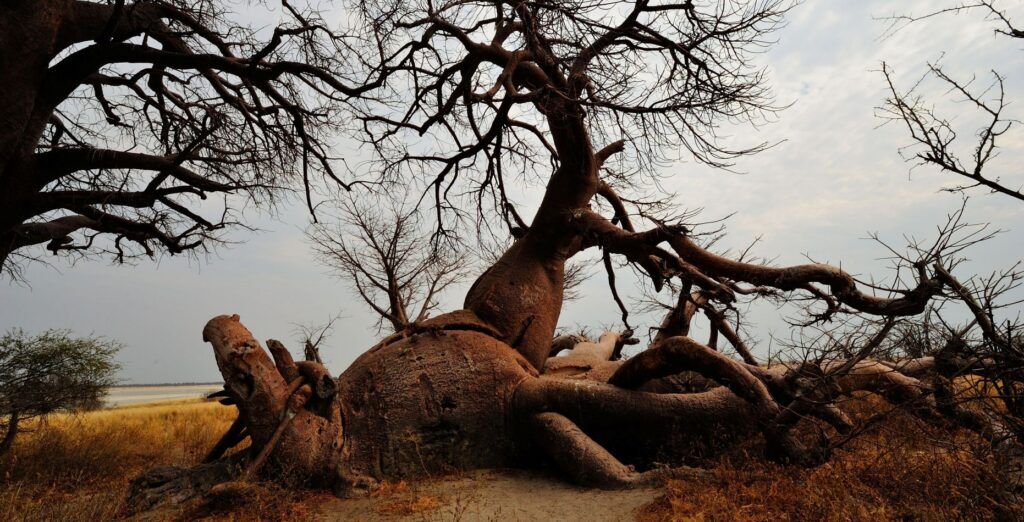
Baines’ Baobabs
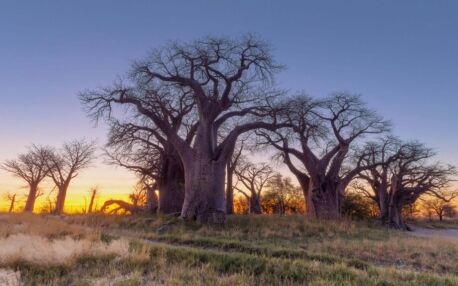
In Nxai Pan National Park, a small cluster of seven ancient baobabs rises from the open plains. Just seven monumental trees, standing exactly where they’ve always been, as if time decided to take a pause.
-
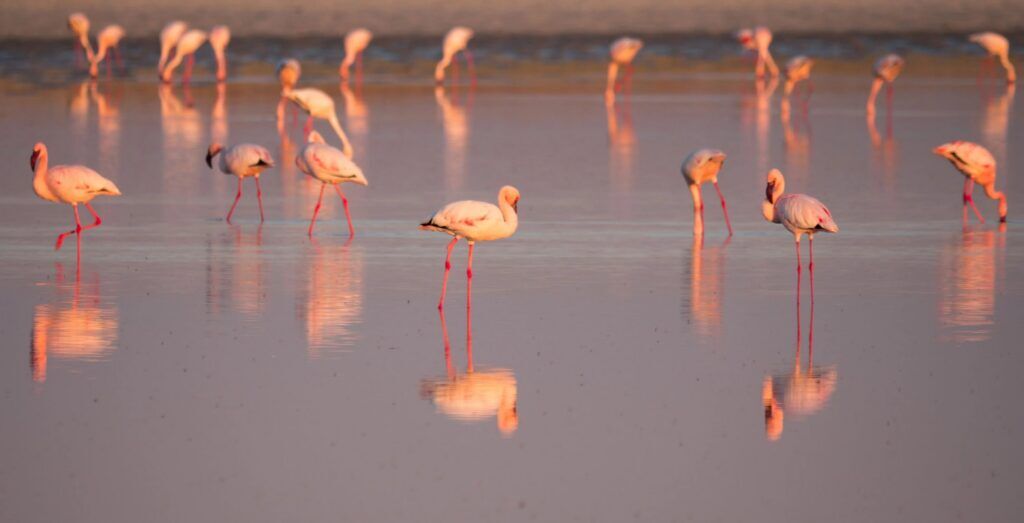
Ntwetwe and Sowa Pans
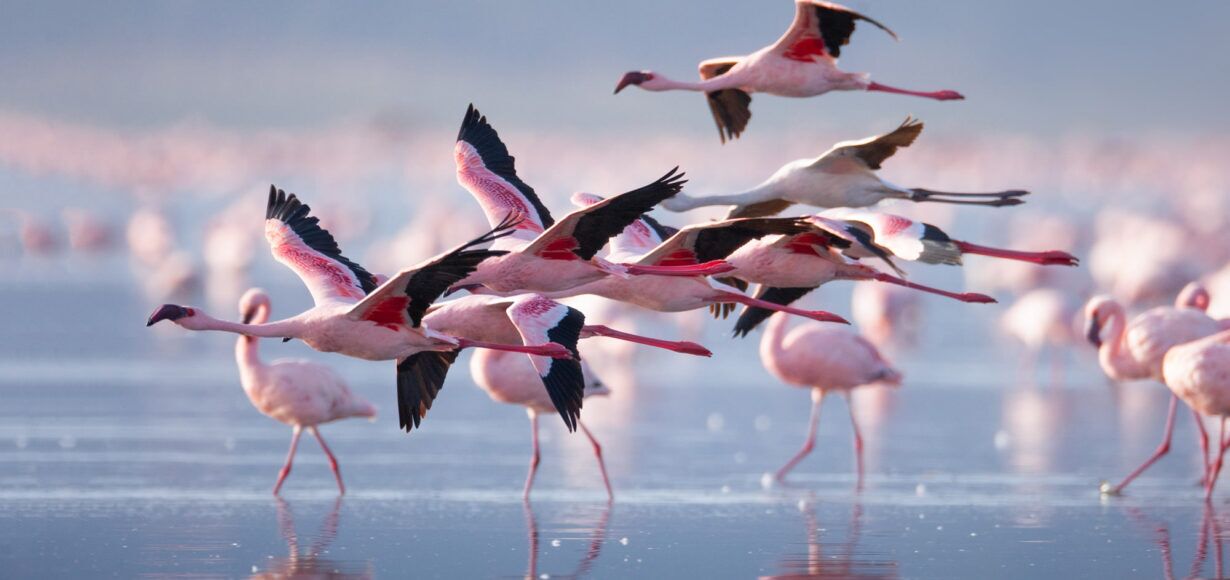
The two giants of Makgadikgadi Pans: Ntwetwe Pan and Sowa Pan, both immense, flat and hypnotically empty. After the rains, they transform into shallow, reflective lakes, drawing countless flamingos and other birdlife.
-
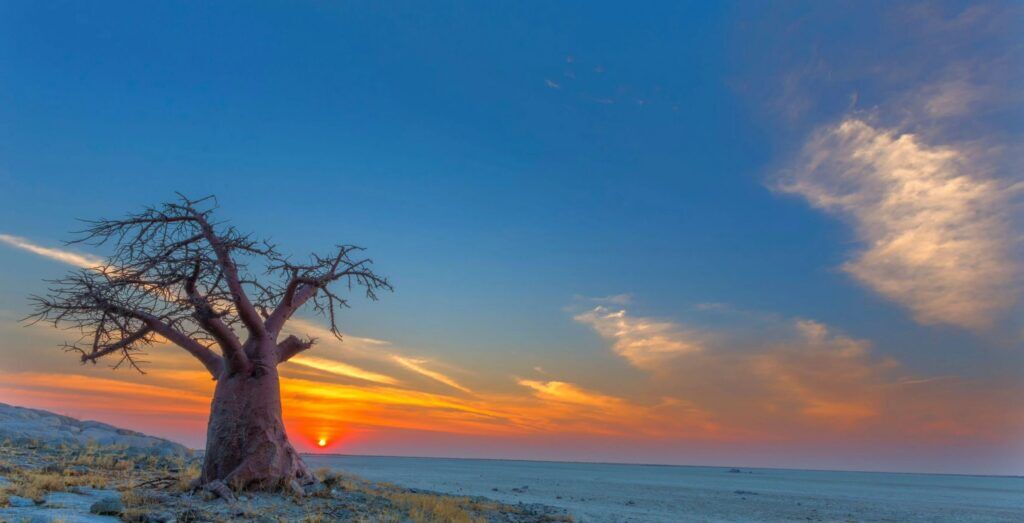
Kubu Island
Rising from the Makgadikgadi Pans lies Kubu Island, estimated to be over two billion years old. Considered sacred by local communities, Kubu has an almost spiritual atmosphere and wows with a night sky filled with stars.
The Desert-Adapted Wildlife
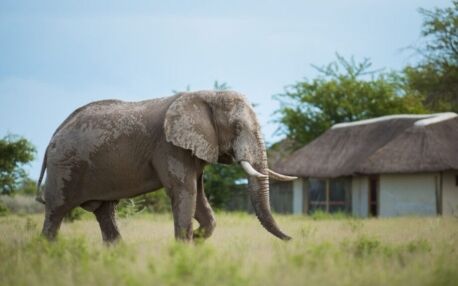
Animals in the Makgadikgadi and Nxai Pans don’t come in overwhelming numbers, and that’s precisely the point. Wildlife here is about specialized survival, and every species you encounter is perfectly adapted to its surroundings.
The habituated meerkats: curious and cute
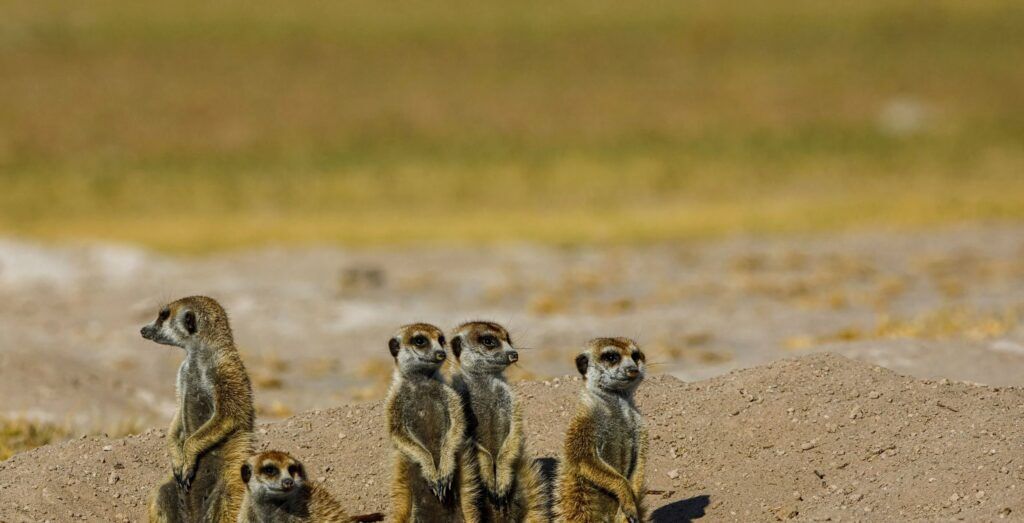
One of the region’s most delightful encounters is with its meerkat colonies. Unlike elsewhere, these wild meerkats have grown accustomed to human presence, allowing for remarkably close and entirely natural interactions. Join a guided walk at sunrise, and you may find them popping up all around you, using your shoulder (or head 🙂) as a convenient lookout post.
The brown hyena: the elusive desert dweller
The brown hyena is one of Africa’s rarest large carnivores. With its shaggy coat and solitary habits, it thrives in these arid open landscapes where others struggle. Often misunderstood, brown hyenas are primarily scavengers, covering vast distances each night searching for food. Spotting one is never guaranteed, but that’s part of the thrill.
Kalahari specialists: built for extremes
The herbivores here are masters of efficiency. The oryx (gemsbok) can survive for very long periods without drinking water, extracting moisture from the desert plants they eat. Similarly, springboks can regulate their body temperature to cope with the heat. Predators follow suit. The lions (often referred to as Kalahari lions) tend to roam over larger territories, with darker manes and a resilience shaped by the demands of this harsh environment.
The zebra migration: Botswana’s best-kept secret
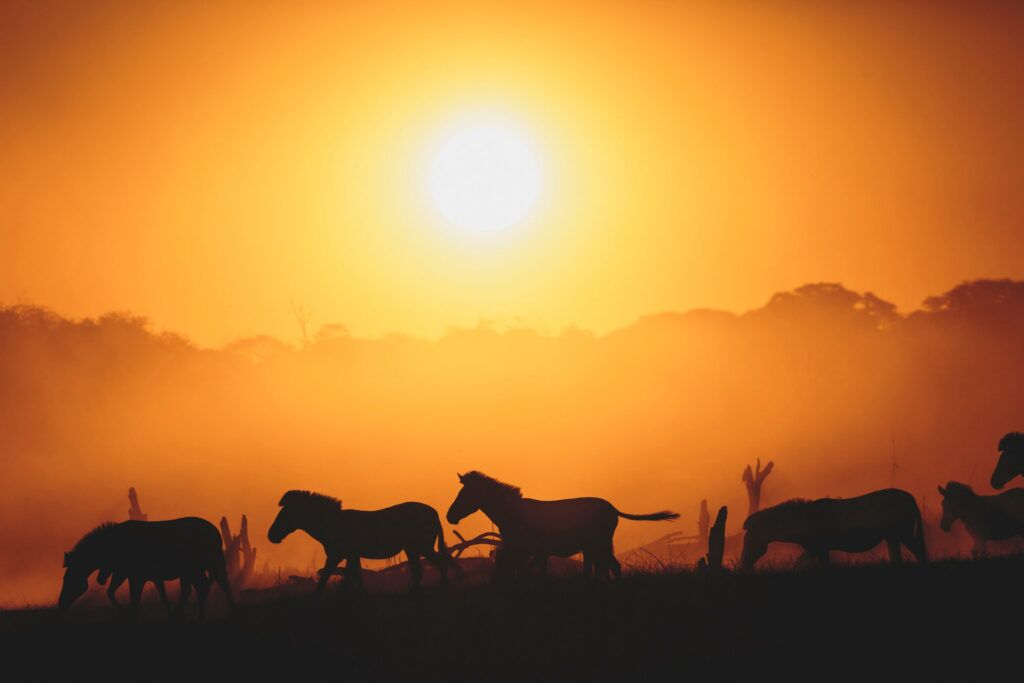
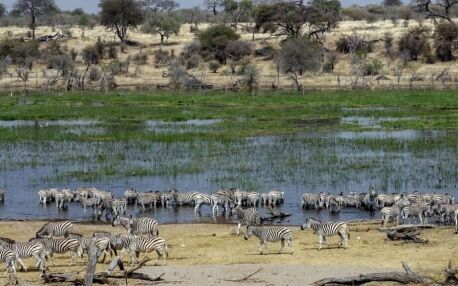
Each year, thousands of zebras undertake one of Africa’s lesser-known migrations, or actually two. One stream travels from Chobe to the Nxai Pan, and the second between the Okavango Delta and Makgadikgadi. Following the rains, they arrive in impressive numbers, transforming the landscape from near-empty to refreshingly alive.
Activities & Culture
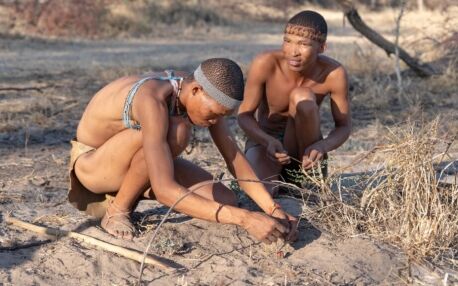
The Makgadikgadi Pans and Nxai Pan offer some extraordinary activities. Less about adrenaline, more about perspective.
Stargazing
Few experiences capture the essence of the Makgadikgadi Pans quite like a sleep-out under its vast, open skies.
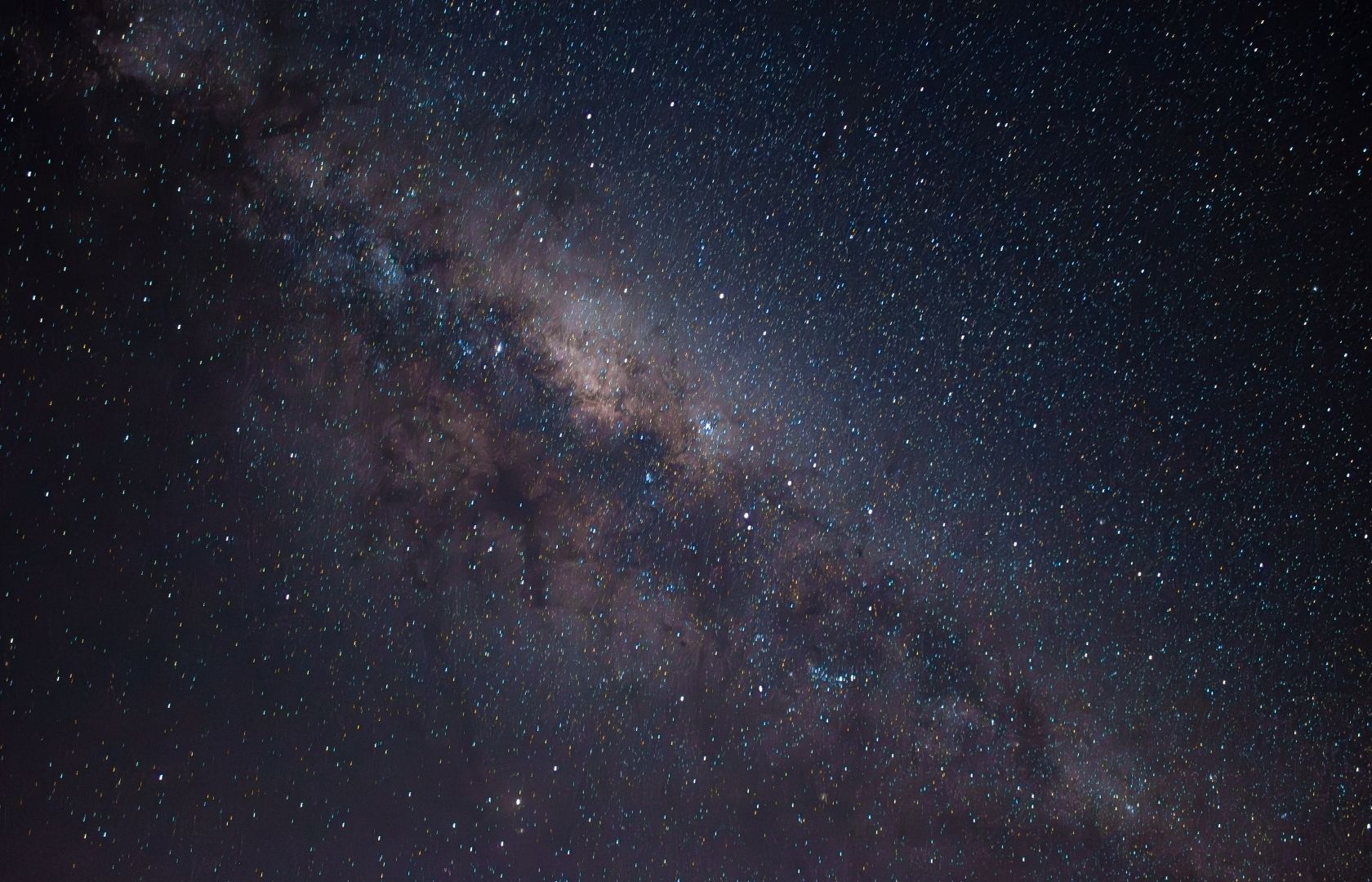
You’ll find your ‘star bed’ out in nature – nothing between you and the universe, except a mosquito net. As night falls, the silence becomes almost tangible, broken only by the occasional whisper of wind across the salt crust.
Above you: a sky so dense with stars it feels almost unreal, unspoiled by light pollution and stretching endlessly in every direction. And then, just as you begin to grasp the vastness of it all, morning arrives. The first light spills across the pale expanse, setting the pans softly alight.
Seasonal Transformation
The Makgadikgadi and Nxai Pans don’t just change with the seasons; they reinvent themselves. Timing your visit isn’t about better or worse, but about choosing which version you like more.
The dry season (May to October)
Meet the Pans at their most iconic. The water has long evaporated, leaving behind vast salt crusts that stretch towards the horizon. The light is sharp, the air is dry, and the landscape feels almost abstract: just lines, textures, and endless space.
Highlights:
- Quad biking across the emptiness
- Sleeping out under a sky thick with stars
The green season (November to April)
With the first rains, the transformation begins. What was dry and cracked becomes reflective and alive: parts of the pans fill with shallow water, while others turn into lush grasslands.
Highlights:
- Flamingos arrive in remarkable numbers, especially on Sua Pan
- Herds of zebra move into the area, drawn by fresh grazing
- The atmosphere shifts completely, as skies grow dramatic
- Wildlife becomes more active
Unique Accommodations
Nestled in this immense vastness, you can find beautiful as special as the pans themselves.


Let us create your tailor-made trip
Receive a free, no obligation quote
Start planning your dream trip