Elephants of Botswana
From Chobe in the north to Okavango in the northwest to the Kalahari further south: the elephants of Botswana are found throughout the country, with each region creating a unique home for the mostly gentle giants. Find out more about these fascinating animals, their unique characteristics, and how and where you can meet them.



- Tailor-made safaris by true Africa specialists
- 5-star customer reviews
- Fair prices. Exceptional quality.

The Land of Giants
Botswana is not only famous for the Okavango Delta but also for its largest inhabitants: the elephants. The country is home to around 130,000 individuals who mainly roam the north of the country, but not exclusively. We’d like to give you an overview of where you can see them from up close, what makes them special, and also tell you some fun facts you can share when on safari.
Why are there so many elephants in Botswana?
As you might have guessed, Botswana’s elephant population decreased significantly during the 19th century due to ivory hunting. While national protections helped the numbers to increase throughout the 20th century, the hunting ban in 2014 marked a turning point. With a vast wilderness and low population density, the elephants could recover remarkably well. In fact, the high numbers are even considered too much for the ecosystem, with woodland getting destroyed faster than it can regenerate. This overpopulation has also led to human-wildlife conflict (especially with farmers) and a controversial lift of the hunting ban in 2019 is an attempt to solve these problems.
While it’s important to know these facts, it doesn’t diminish the fascination we have for the elephants of Botswana. So let’s dive into the land of giants and learn more about Dumbo & Co.
Three Elephant Hotspots
Elephants can be found in the whole of Botswana. They swim in the Boteti River of the Makgadikgadi Pans National Park and roam the community-run Khwai Community Concession. Now we would like to focus on three hotspots where elephant sightings are almost guaranteed.
Chobe National Park
Chobe is home to the largest elephant concentration on the planet. With 11,700 square kilometers, the park is enormous, which is why you can even distinguish two entirely different areas within a single park.
Chobe Riverfront
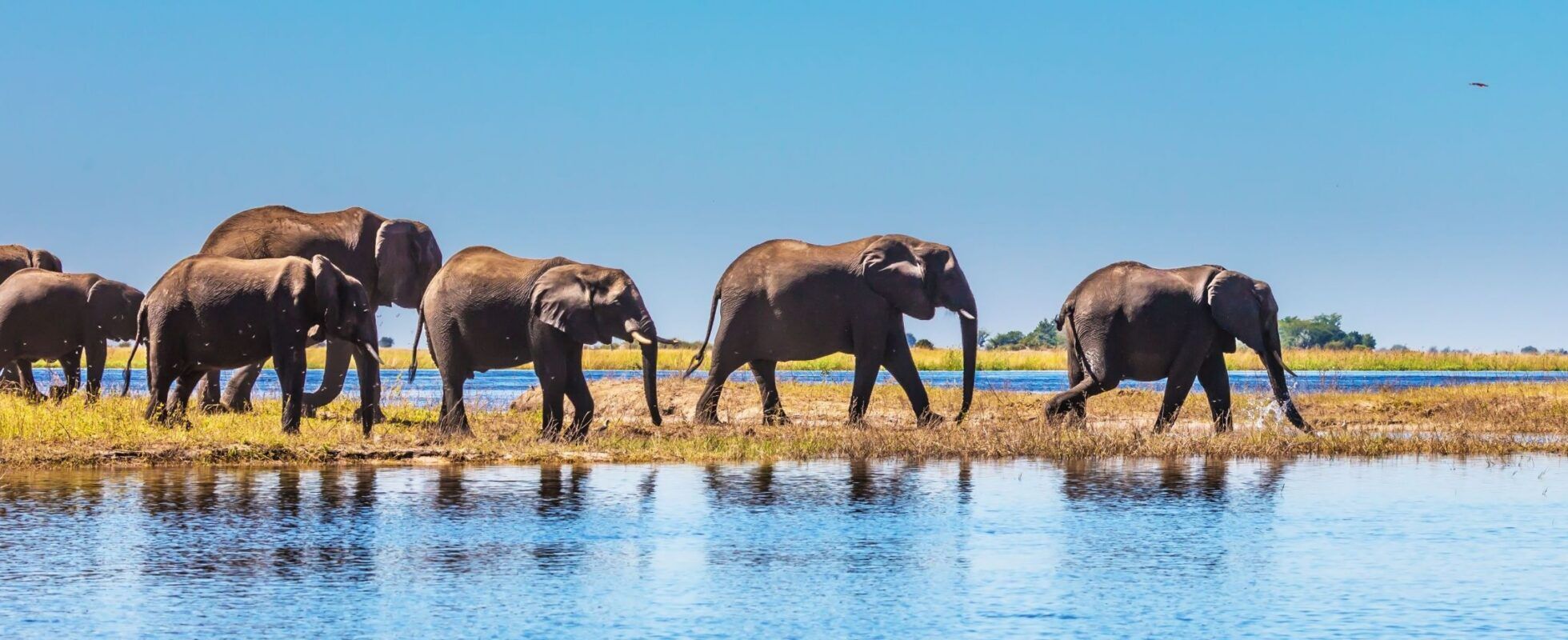
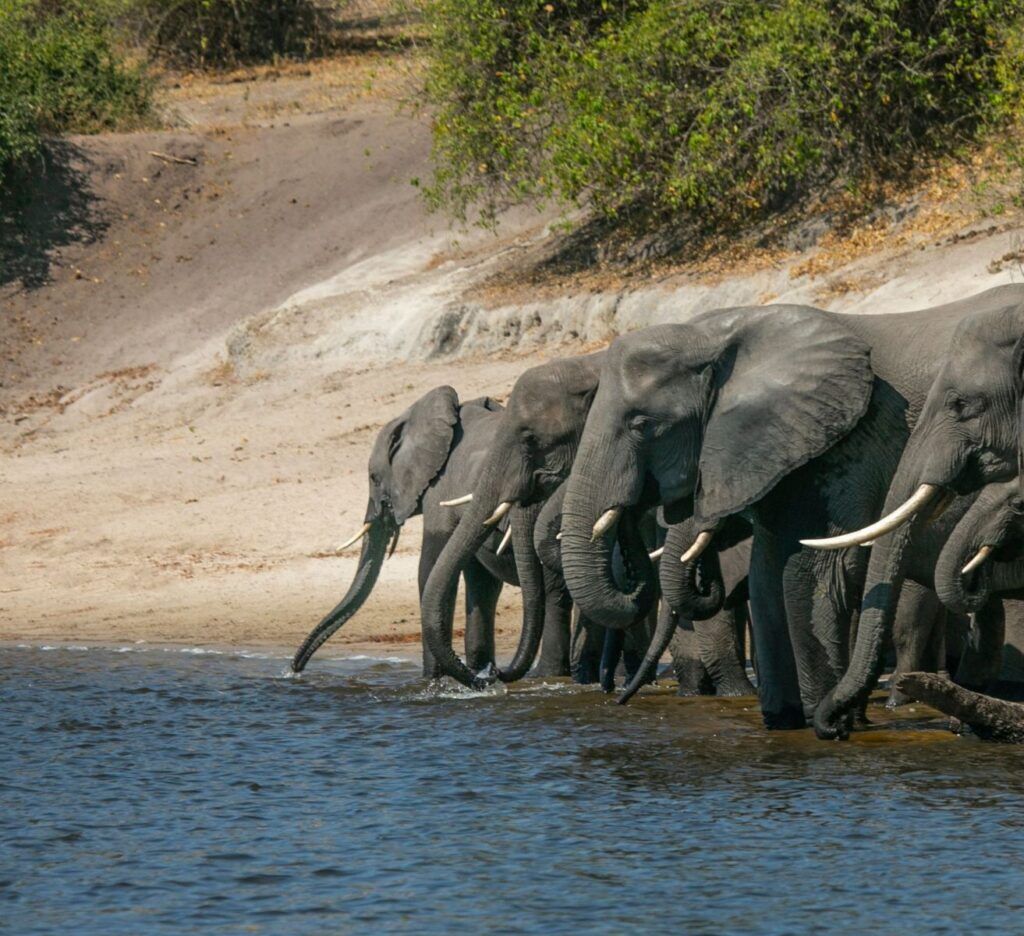
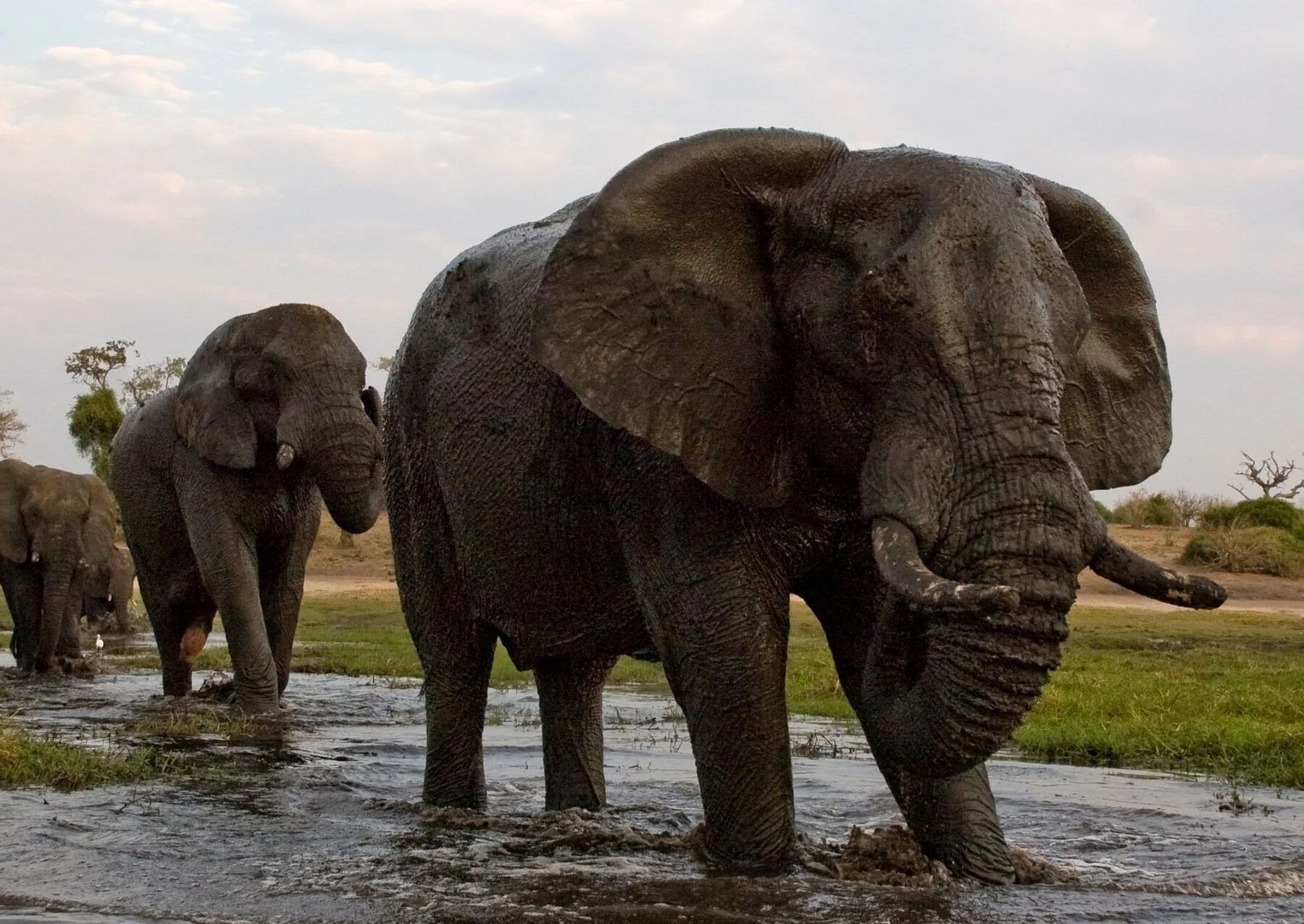
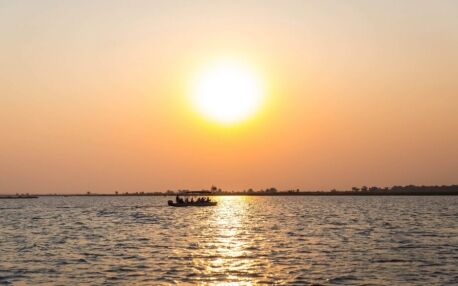
Especially during the dry season, thousands of elephants gather at the Chobe River to quench their thirst or to take a bath (not all at the same time). Since the herds are used to boats, you can get closer to the gray giants here than anywhere else in the world.
Savuti
In Savuti, elephants are harder to find since they’re more scattered, giving encounters a more wild and unpredictable touch. The bull elephants are not so gentle but more assertive, occasionally raiding campsites or confronting lions. On the other hand, Savuti lions have learned to hunt young elephants, which leads to an unparalleled power dynamic.
Okavango Delta
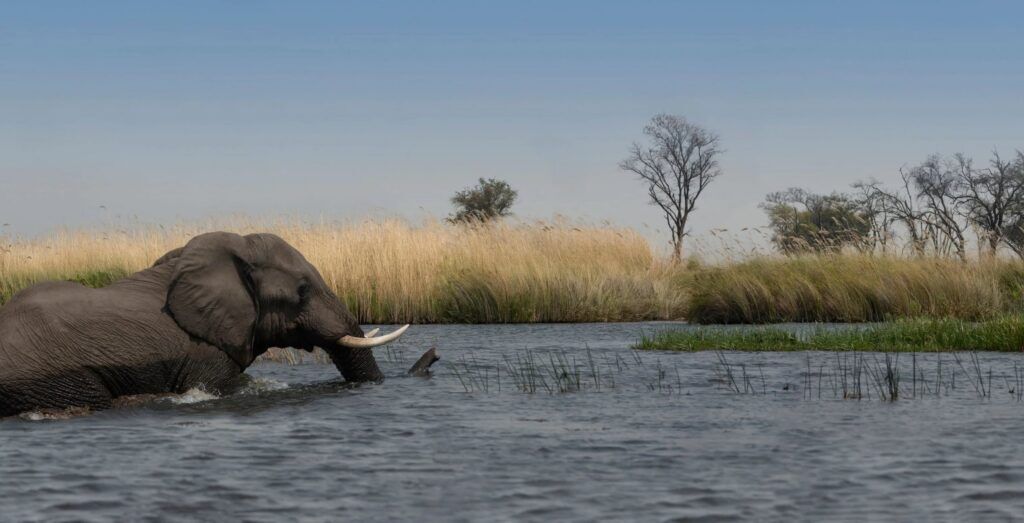
With the animals migrating between the parks, you can also see a staggeringly high elephant population in the famous Okavango Delta. They can navigate the floodplains perfectly, swimming between islands, sometimes fully submerged with just the trunk sticking out like a snorkel. Since the Delta is fragmented into many islands, elephant families are more isolated from each other than in Chobe.
Kalahari
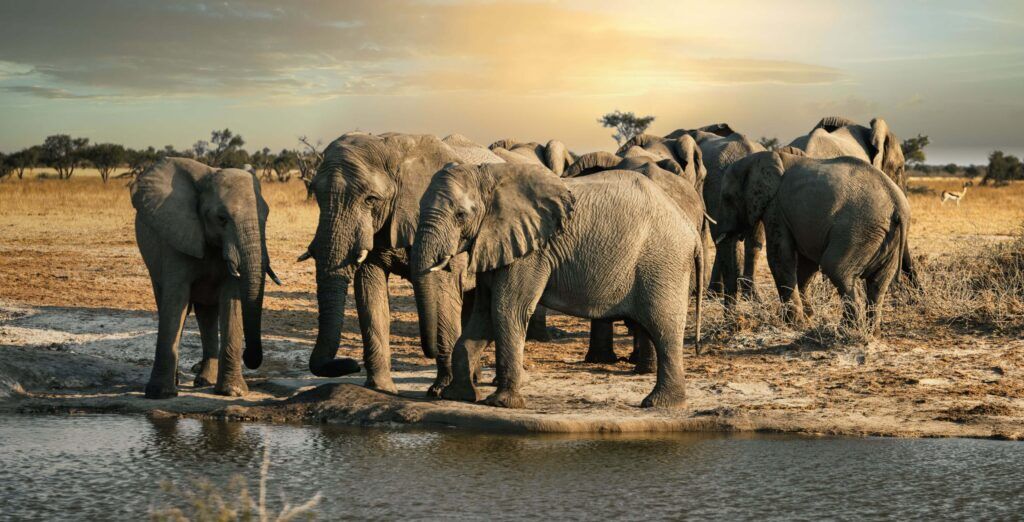
Even more isolated are the elephants in the Kalahari. When visiting the Central Kalahari Game Reserve, you can come across the most impressive elephants in terms of toughness. Due to the drier land, they travel up to 200 kilometers between water sources. They know exactly where to find hidden water, like underground seeps and waterholes, passing down this survival skill through their matriarchs. Kalahari elephants are also leaner and more wary than their cousins in the north, as well as less habituated and more alert. Since they are always stressed to locate the next water source, their social bonds are much tighter – losing an experienced matriarch would be devastating.
Where the magic happens
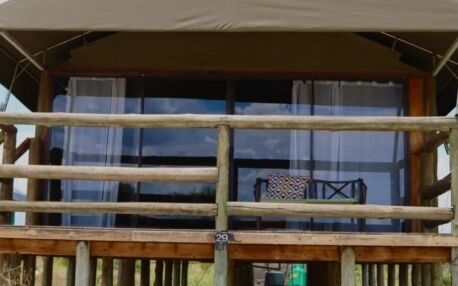
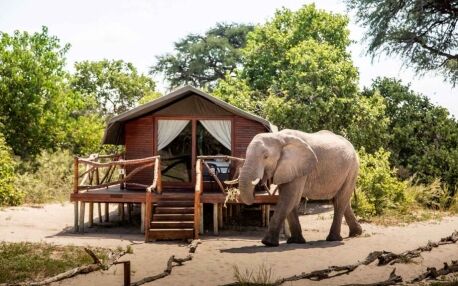
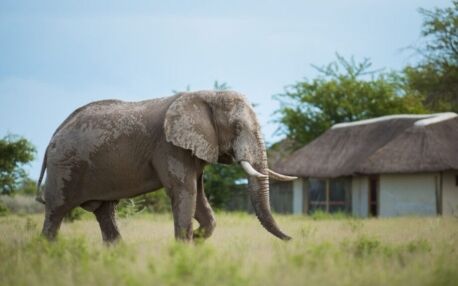
Relax in comfortable lodges while watching elephants gathering right in front of you. This is what heaven must look like.

Essential Elephant Facts
Now that we know where to find the elephants of Botswana, let’s have a look at some interesting facts.
-
Social Structure
Herds are matriarchal, led by the oldest female who knows the landscape in terms of water, food and safety. In Botswana, herds can aggregate into mega-herds of hundreds or even thousands individuals.
-
Daily Diet
An adult elephant can consume up to 150 kg of vegetation and drink around 200 liters of water per day.
-
Pachyderm Communication
Elephants communicate via infrasound, low-frequency rumbles, which can travel up to 10 km through the air and thorugh the ground.
The More You Know…
Before showing you some once-in-a-lifetime activities that bring you close to the elephants of Botswana, we want to mention some facts that are too good, funny, and fascinating not to share.
Dentures Impossible
In a lifetime, an elephant goes through six sets of molars. Once the last set is gone, they can no longer eat.
Elephant’s Memory
Does an elephant truly never forget? In a way, yes: their hippocampus is highly developed so that they can find water sources over decades and even recognize other individuals.
No SPF 50 Needed
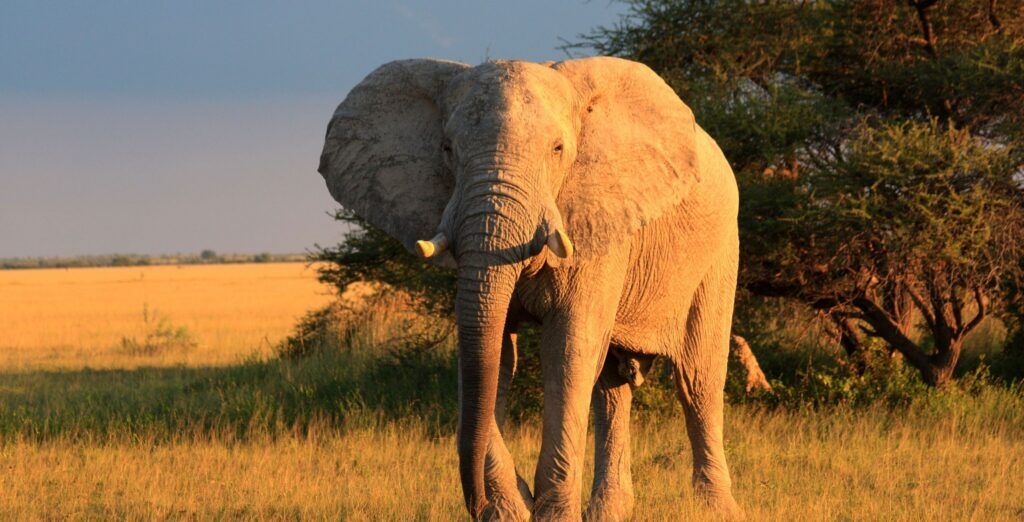
Throwing dust over their backs and rolling around in mud protects their sensitive skin from the scorching sun.
Emotional Intelligence
Elephants feel a great range of emotions, from joy to empathy and grief.
Mourning Rituals
When a family member dies, they return to the bones, touch them with their trunks, and sometimes stand vigil over a dying or dead individual.
Right of Way
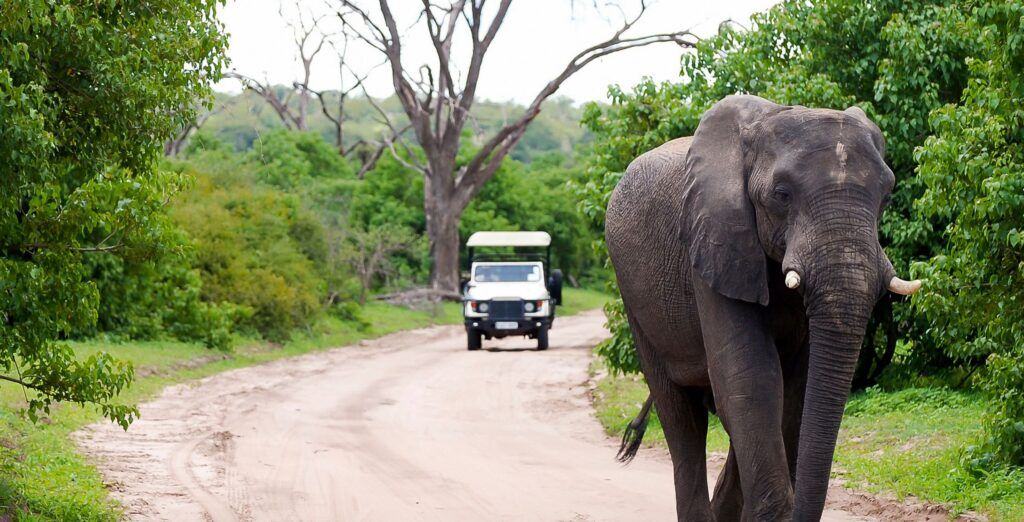
Elephants treat the roads along Chobe Riverfront as their own, so cars stop, wait, and switch their engines off to let them pass – partly not to corner the animals, partly out of courtesy.
Signature Elephant Experiences
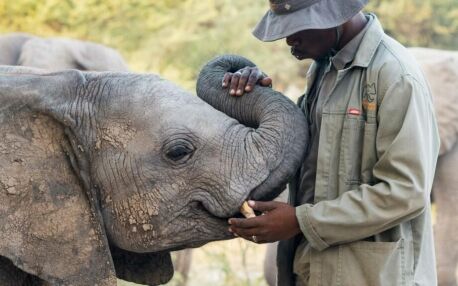
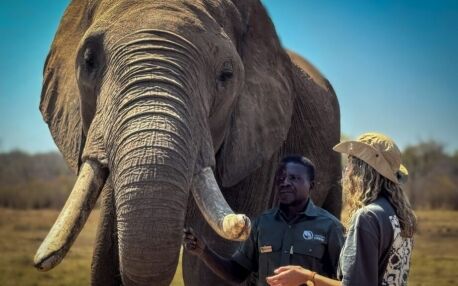
In Botswana you can get closer to the gray giants than anywhere else in the world. Marvel at them from up close without disturbing their peace.

Let us create your tailor-made trip
Receive a free, no obligation quote
Start planning your dream trip