

When is the best time to visit Botswana
Timing a trip to Botswana is less about when to go and more about what you want to see unfold. Because in this part of Africa, the seasons don’t simply change the scenery; they completely rewrite the safari script. Across Botswana’s iconic regions – the Okavango Delta, the Khwai Community Concession and Chobe National Park – the year naturally falls into two distinct seasons, each with its own personality.
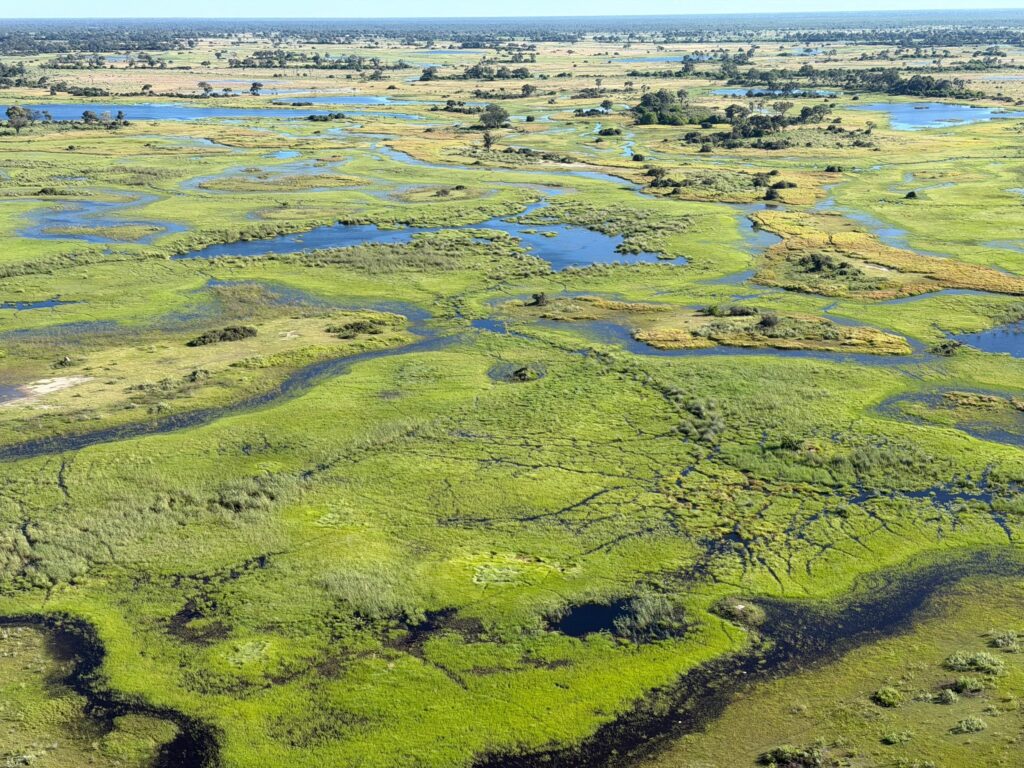
The dry season: easy to spot animals and a flourishing Okavango
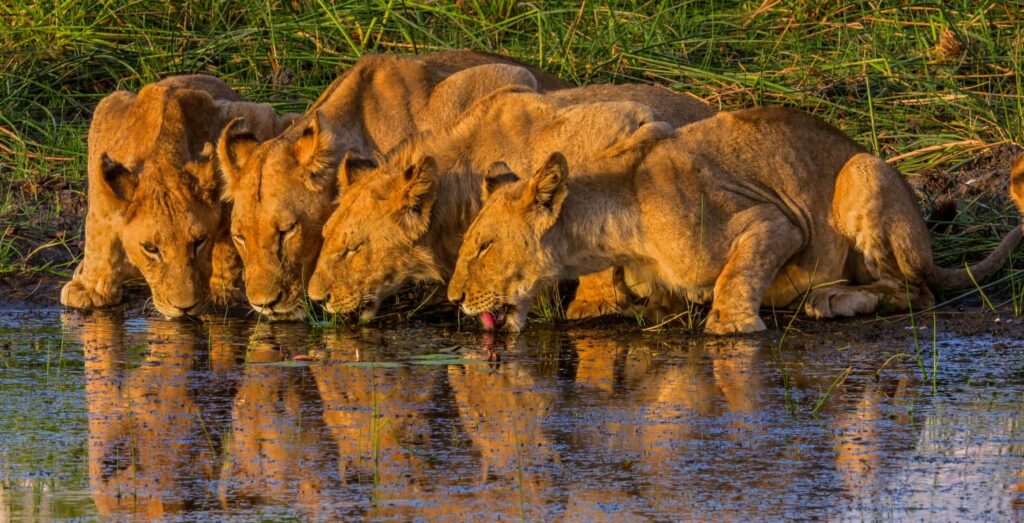
The dry season (May to October) is peak safari time, and for very good reasons. As water sources shrink, wildlife gathers where water remains: along the Chobe River, the Khwai River and deep within the delta. This is when game viewing is at its most rewarding. Vegetation thins out, making animals easier to spot, and predator action is never far away.
In the Okavango Delta, this period is somewhat counterintuitive: while the rest of the country dries out, the delta fills up, thanks to floodwaters arriving from Angola. It’s the perfect time for mokoro excursions and boat safaris, drifting quietly past elephants and various antelope species. Do note that October turns up the heat; it’s the hottest, driest month but also one of the most dramatic in terms of wildlife encounters.
The wet season: lush landscapes, babies, and birds
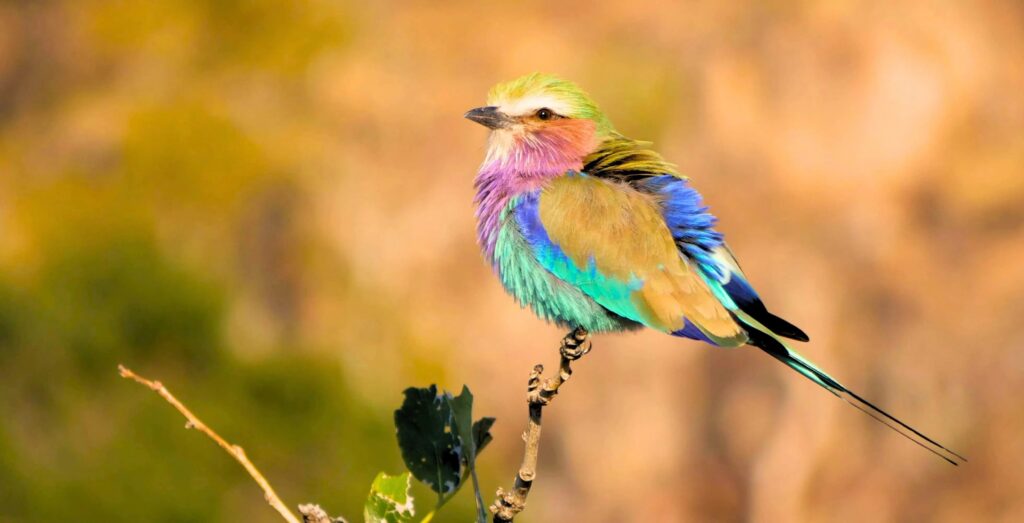
The wet season (November to April) tells a different story: softer, greener, and arguably more intimate. The rains transform the landscape into a lush paradise, bringing with them newborn animals, spectacular skies and exceptional birdlife. Migratory birds arrive in abundance, making this a dream for birders (and photographers chasing that perfect light).
In Chobe, this is also when the impressive zebra migration moves through the region, a lesser-known but remarkable spectacle. Wildlife is a little more dispersed, and the bush is somewhat thicker, but the trade-off is fewer visitors and a sense that you have the wilderness (almost) to yourself.
The shoulder months (April and November) vary slightly from this scenario, however. You’ll catch the tail end of the rains or the last of the dry spells, with usually fewer crowds, pleasant temperatures and wildlife frequently gathering around water sources (November). It’s a sweet spot that combines value, beauty and excellent sightings, often seen as the insider’s pick.
The best?
So, what is the best time to visit Botswana? If it’s classic safari drama you’re after, the dry season delivers in spades. Prefer your landscapes emerald green with a side of baby antelope and birdlife? Then by all means, book the green season. Either way, Botswana doesn’t do dull – only different kinds of spectacular!
Let us create your tailor-made trip
Receive a free, no obligation quote
Start planning your dream trip