Okavango’s Wildlife
The world-famous Okavango Delta is a labyrinth of lagoons, channels, and islands aka a heaven for almost all of Botswana’s animals. From the famous Big Five and enormous elephant herds to rare species like the sitatunga and countless birds, the UNESCO World Heritage Site and “Jewel of the Kalahari” wows you with wildlife encounters others only dream of.


- Tailor-made safaris by true Africa specialists
- 5-star customer reviews
- Fair prices. Exceptional quality.

What brings wildlife to Okavango?
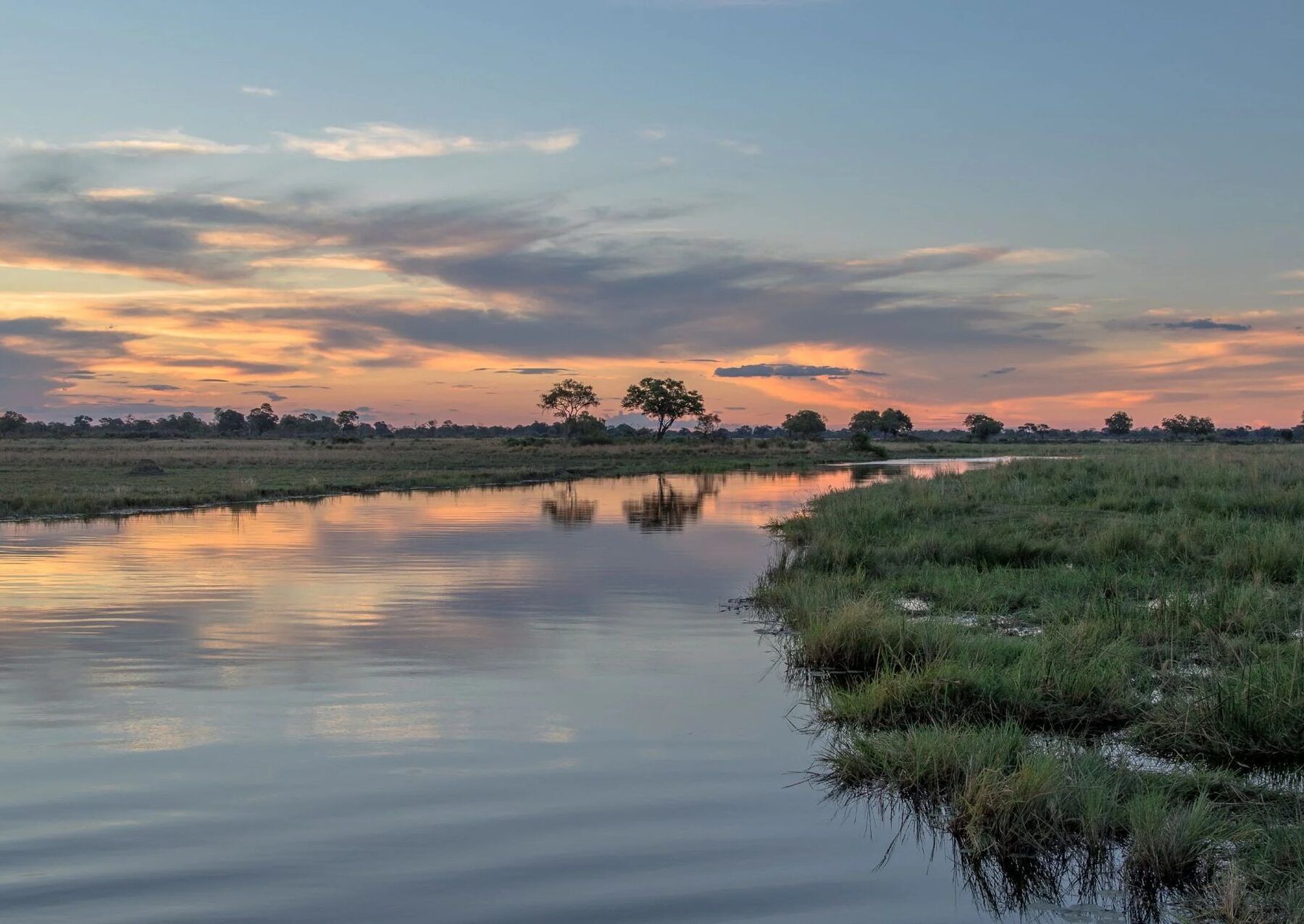
When the rest of Botswana dries out, the Okavango Delta turns into a green paradise. From the Angolan highlands, water travels through Namibia to die in the desert, forming a water-rich oasis in the middle of the Kalahari. With all this, it doesn’t come as a surprise that 130 mammal species, around 500 bird species, 64 reptile species, plus various fish and amphibians call this unspoiled wilderness their home.
Predator Capital of Africa
When talking about Okavango’s wildlife, fascinating predators take center stage. The Delta and its Moremi Game Reserve have one of the highest predator densities on earth, almost guaranteeing dramatic hunting scenes and definitely some goosebumps.
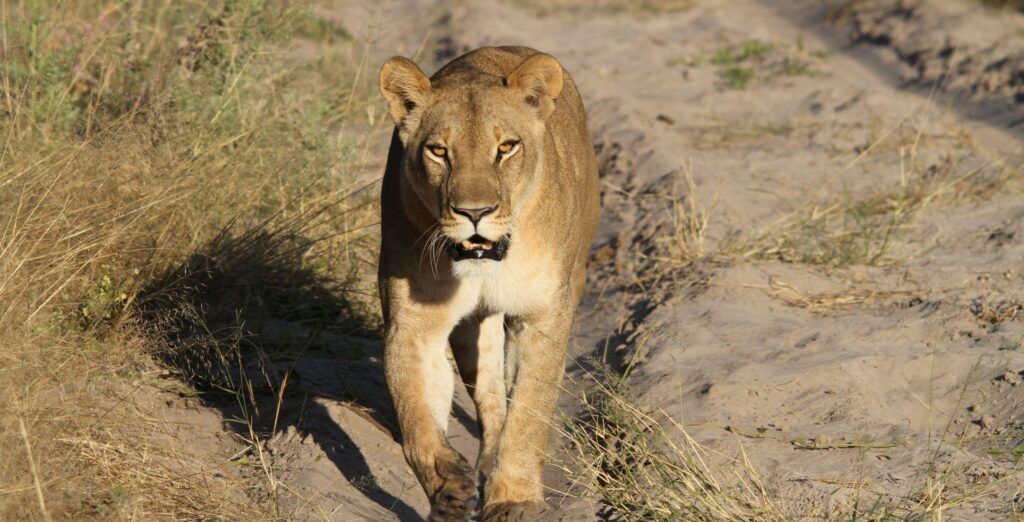
Super Lions
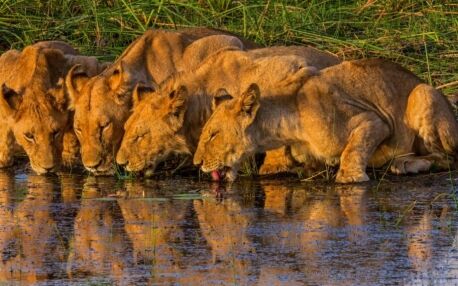
With an abundance of large prey like buffalos and regular swimming sessions, Okavango lions are more muscular than their cousins in the savanna. They also hunt during daytime, so keep your eyes peeled.
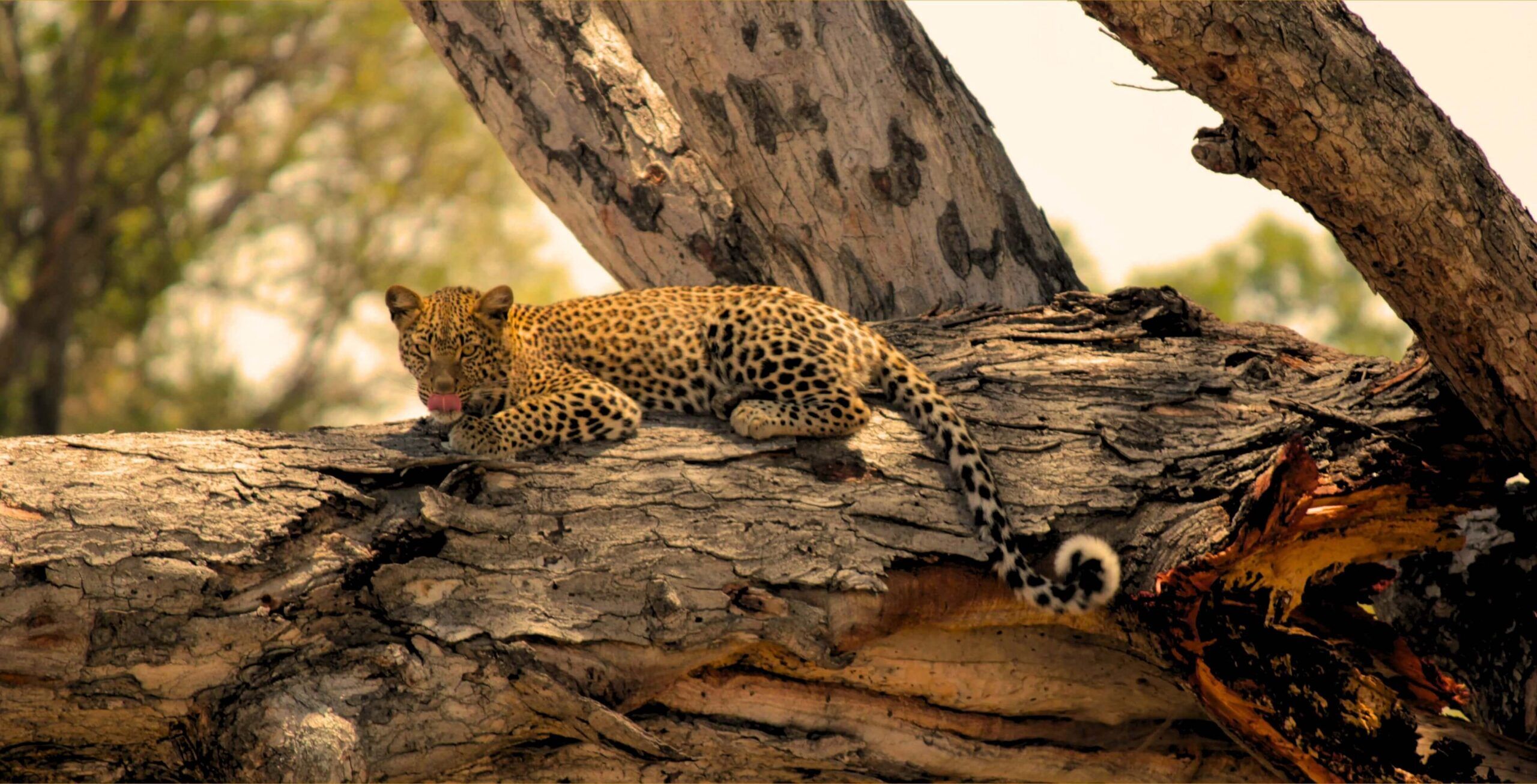
Scheming Leopards
The patient predators can focus on their prey for hours. Once caught, they drag it high up into trees to enjoy it by themselves. Dinner for one.
Clever Cheetahs
Cheetahs are not only incredibly fast, but also clever. With lions never far, their competition for food is high, and they’re in danger themselves, which is why a mother teaches her cubs to hide until she’s back with lunch.
Misunderstood Hyenas
Contrary to common belief, hyenas are outstanding hunters (okay, and very good scavengers). They live in an extremely intricate structure: a pack is led by a matriarch, followed by her daughters, her sisters, and all the other females, with males ranking last.
Besides these mesmerizing predators, Okavango’s wildlife comprises even more carnivores like the black-backed jackal, the serval, the caracal, and the most vicious and fearless of them all: the honey badger.
The Great Herbivores
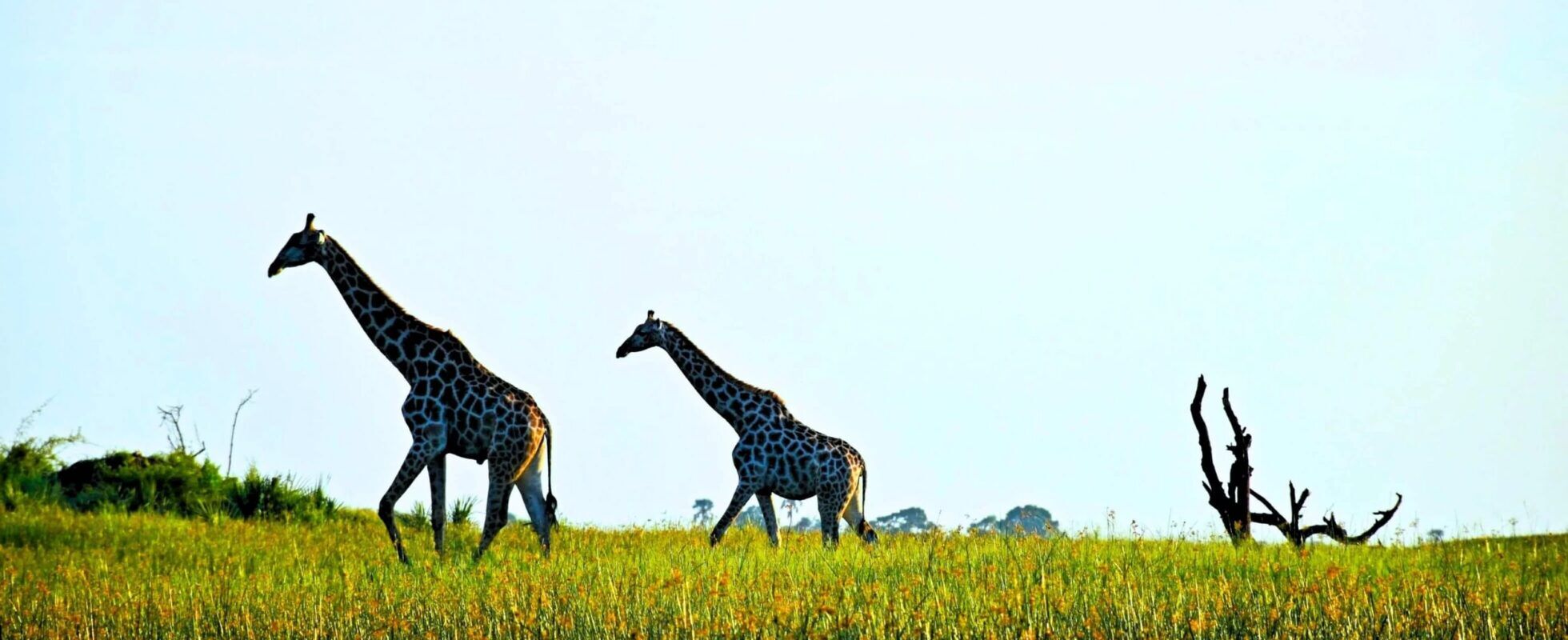
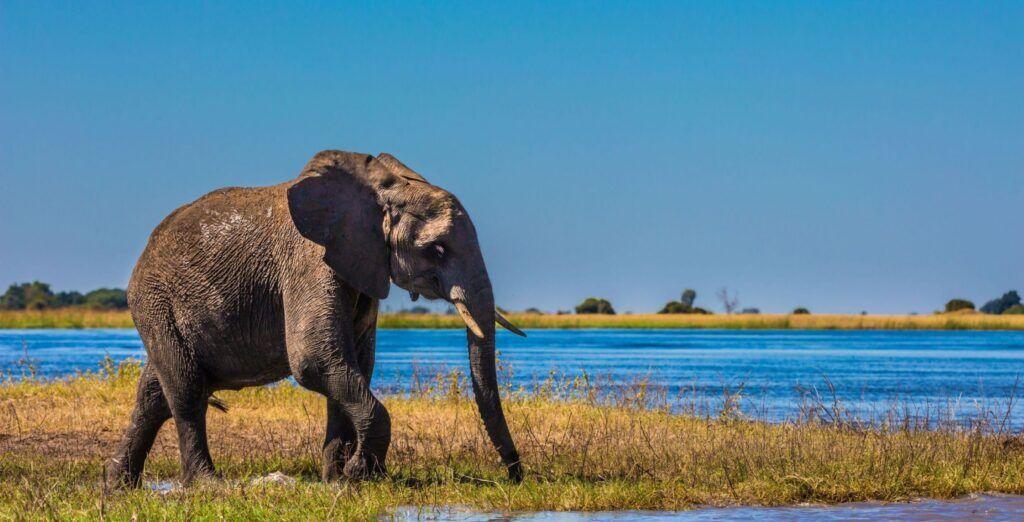
The next stars in the limelight are the herbivores. Giant herds of buffalos, elephants, and rhinos roam the lands, meaning you can see all the Big Five in the Okavango Delta. During a safari you’ll also encounter giraffes, hippos, wildebeests, and, of course, zebras, the country’s national animal.
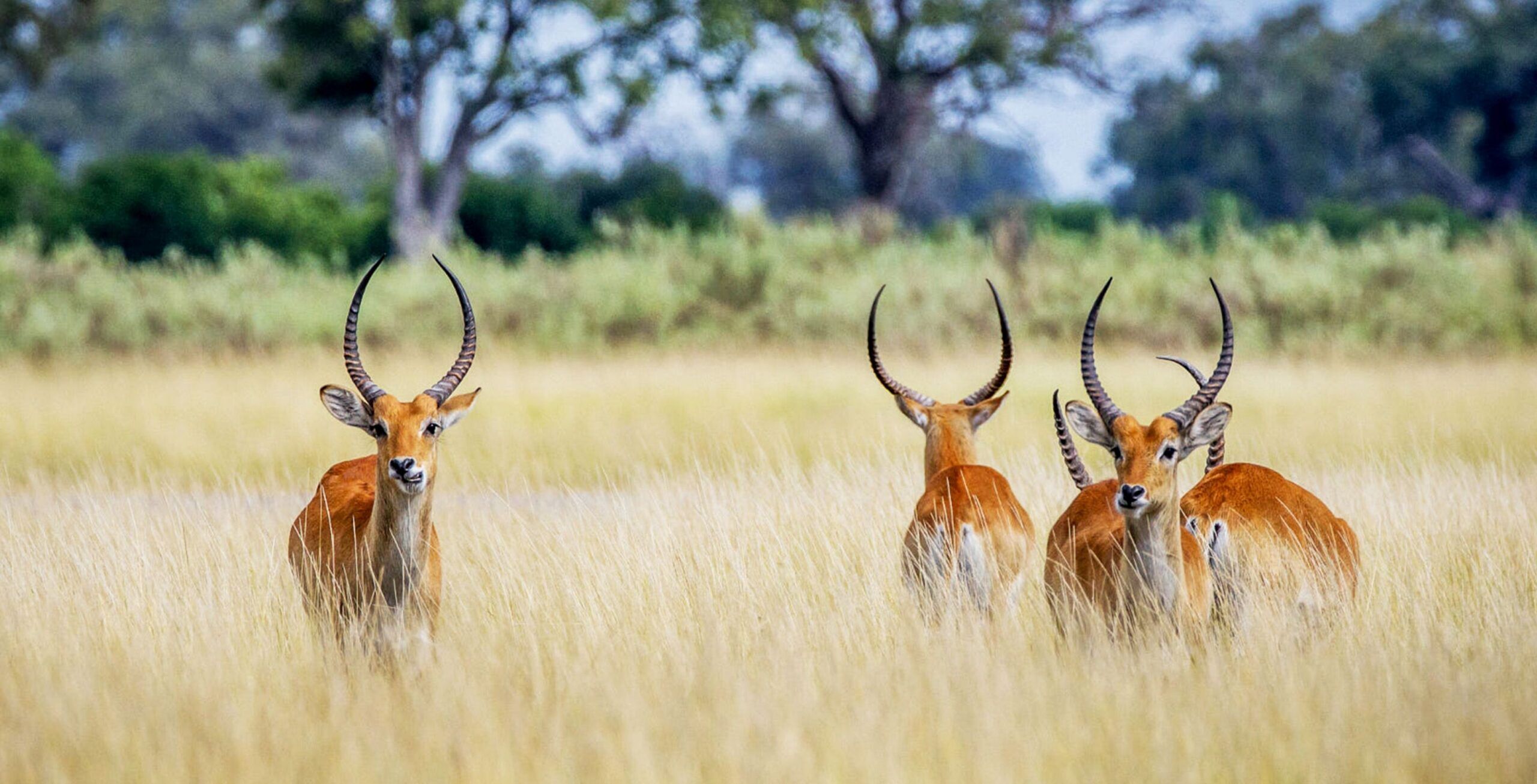
Two exceptional herbivores are the sitatunga and the red lechwe. The first has adapted to a life at and in the water, hiding in the reed beds and submerging almost completely when threatened. The only thing sticking out of the water is its nose, almost like a snorkel. The latter is an icon of Okavango’s wildlife scene: with its elongated hooves, it moves through shallow water and hops into flooded areas to escape predators.
And last but not least, the termites deserve a special mention: they build around 70% of the Delta’s islands, without which much of Okavango’s wildlife couldn’t exist.
Activitites in Okavango
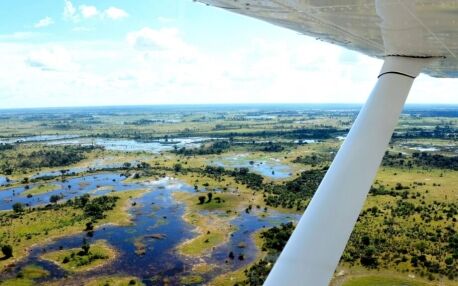
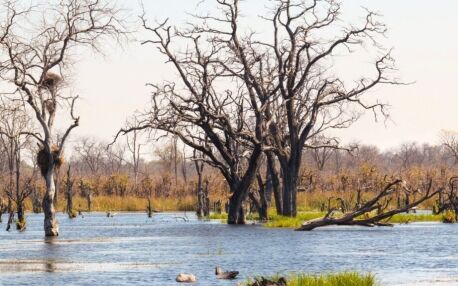
During unforgettable activities, you can marvel at Okavango’s wildlife from any angle.

Rare and Elusive Species
Due to poaching, habitat loss, and climate change, many animal species decrease in numbers, making them difficult to find in the wild. Others just don’t want to be seen and hide like Houdini. The Okavango Delta is a safe haven for some special kinds, and with a bit of luck, you might see one or even all the following with your own eyes.
-
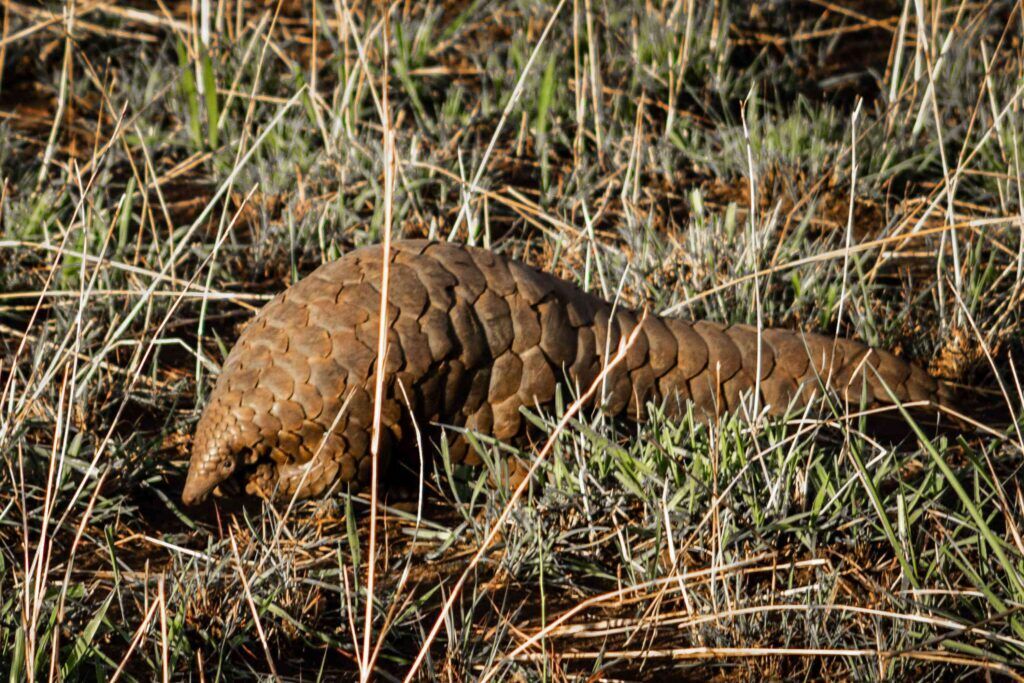
Pangolin
The pangolin is the world’s most trafficked wild mammal, poached for its scales which are believed to have healing qualities (they do not). In Botswana, it’s protected and many organizations are actively working on securing its future.
-
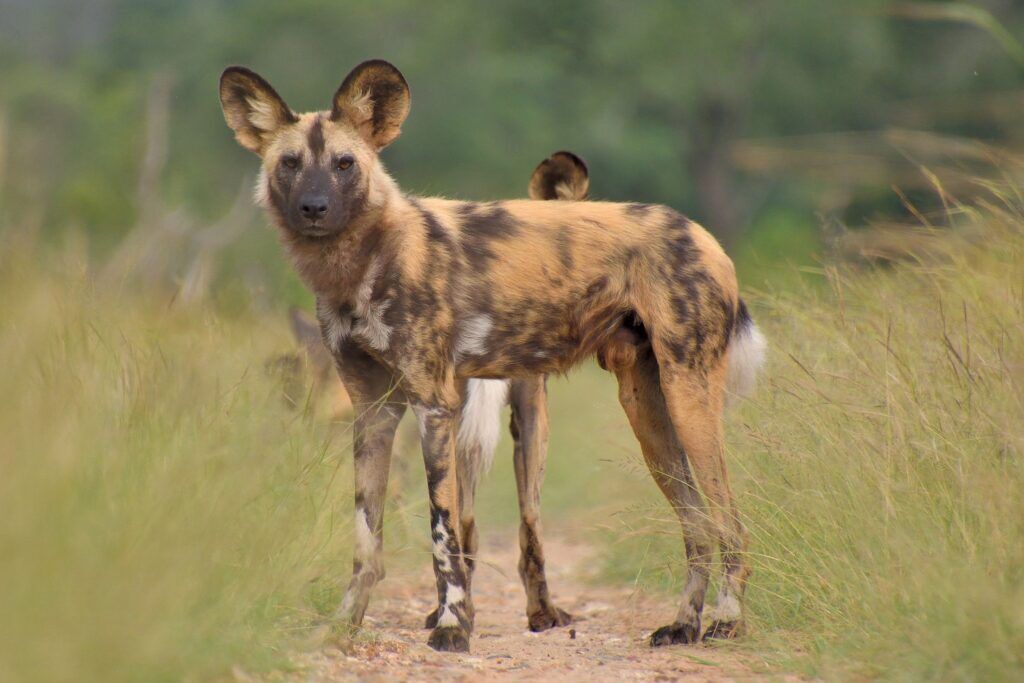
African wild dog
African wild dogs are an endangered species, but flourish in the Delta. What makes them even more special is their hunting technique: when thinking about speeding up, they take a vote by sneezing. If the leaders of the pack sneeze three times, it’s hunting time.
-
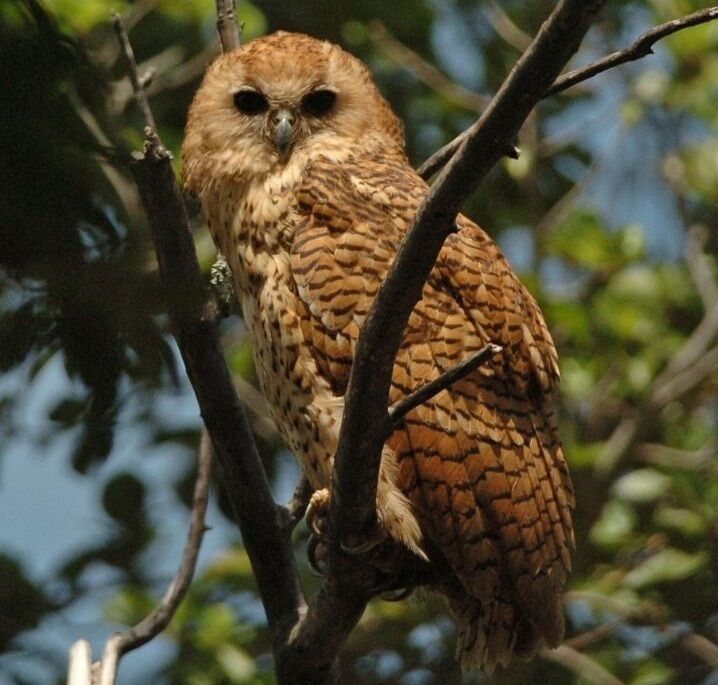
Pel’s fishing owl
With its striking orange-red plumage, the Pel’s fishing owl is a special sight for birders’ eyes. They are extremely elusive, hide in the canopies and are revered as the “holy grail” of birding.
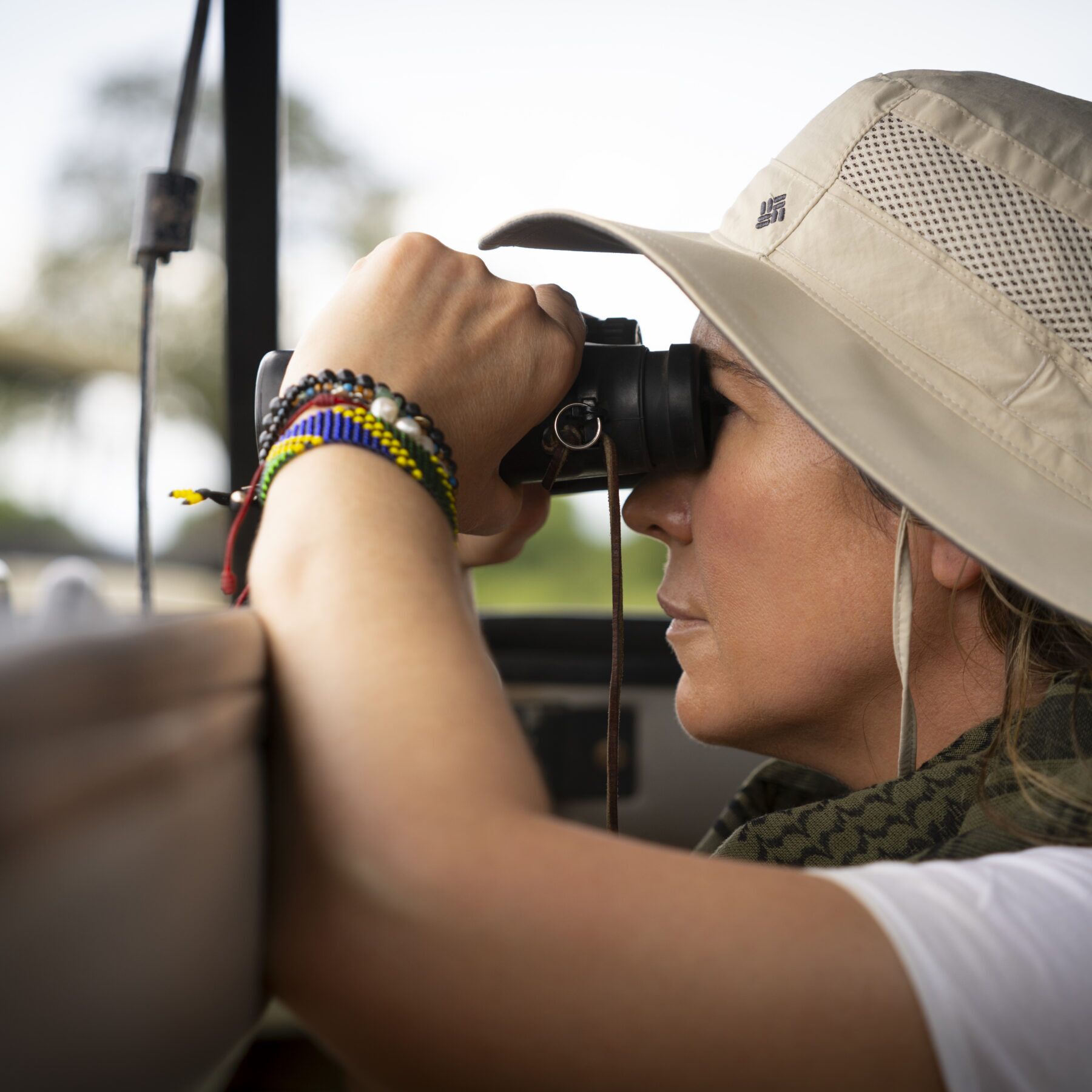
A Birding Mecca
It’s not just the Pel’s Fishing Owl making birdwatchers’ hearts beat faster. With around 500 bird species, the Okavango Delta is a mecca for everyone with even the slightest interest in our winged friends. It’s not uncommon to see around 140 species in a single day. So keep your binoculars (and your camera) close.
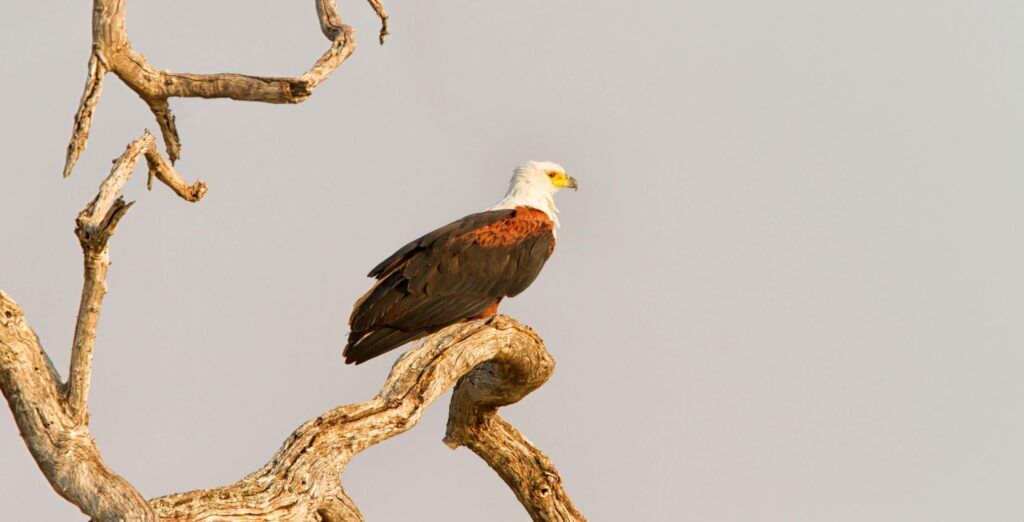
African Fish Eagle
The American Fish Eagle doesn’t care if it’s called the “Delta’s mascot” or “the voice of Africa” due to its iconic call… it only wants to snatch fish from the water and of course pose for your pictures.
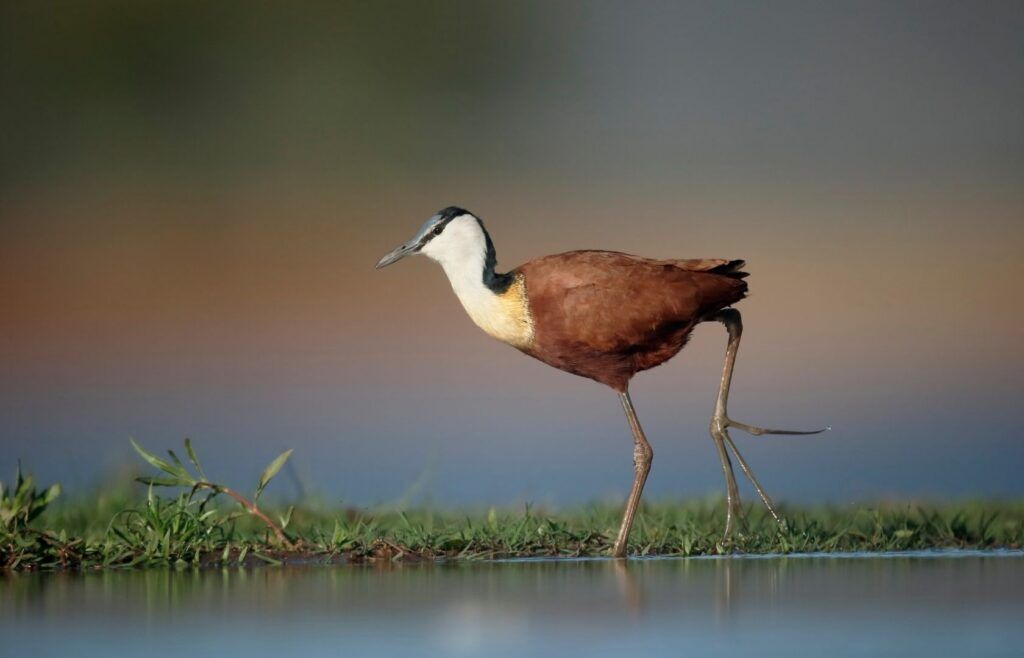
African Jacana
Often called the “Jesus bird”, it uses its extraordinarily long toes to walk across lily pads, making it seem as if it were walking on water.
Red-billed Hornbill
This stunning-looking bird has a remarkable friendship with the dwarf mongoose: when predators approach, the hornbill alerts the mongoose, while in return it feeds on the insects disturbed by the mongoose’s foraging.
Slaty Egret
With only 3,000 to 5,000 left, it’s one of the rarest birds in the world and home in the Okavango Delta. It uses a clever hunting trick, shuffling its feet in the shallows to startle frogs and small fish.
As much as we would love to list all the birds you can see here, space is running out. One thing is guaranteed, though, if you’re not a bird lover already, you’ll be one after a safari in Okavango.
Aquatic and Semi-Aquatic Life
We’ve already covered the fascinating sitatunga, and it’s unique diving techniques to escape hungry predators. But the waters of Okavango hold many more wildlife surprises, and they come in all shapes and sizes.
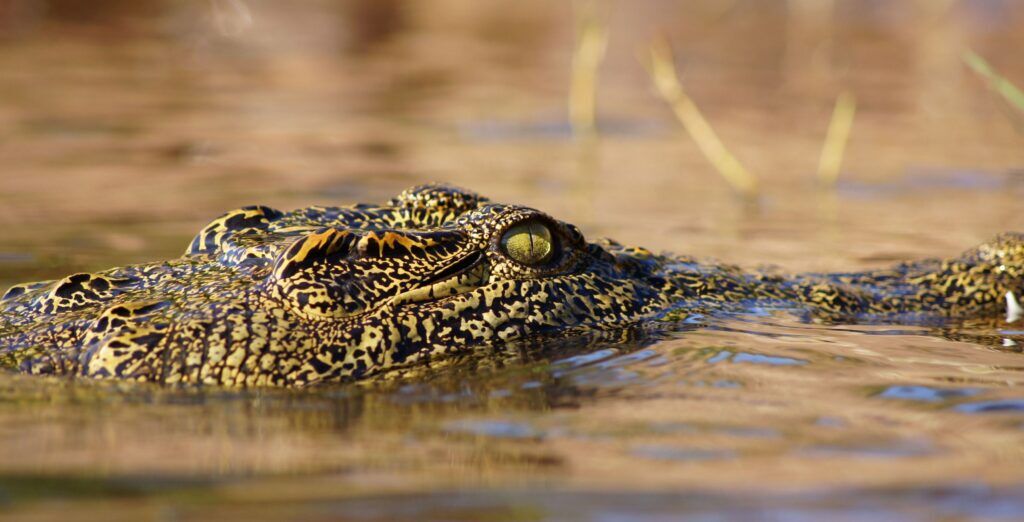
- The Nile crocodile is Africa’s largest reptile and hasn’t changed for millions of years. In Okavango, you can watch it sleep, bask in the sun, sleep, bask in the sun…
- Hippos are among the most dangerous animals in the world. In Okavango, they act as ecosystem engineers, pushing through reeds and keeping channels open.
- The African bullfrog is a chunky fella, spending most of the year underground. It only emerges to breed, with males aggressively guarding their tadpoles.
- The tigerfish is the Delta’s most famous fish targeted by sport fishermen. It can grow up to 1.5 meters in length and has razor-sharp teeth, making it a ferocious predator.
- What’s cuter than otters? Correct, nothing! The Cape clawless otters will put a smile on your face when you watch them play and float on the water holding hands.
But to be honest, all of these animals will make your eyes sparkle. The wildlife in Okavango is unlike anything else. No matter if safari lover, animal passionista or photographer – this untamed speck of land is a place to be explored.
Nocturnal Animals
During a night game drive, you might meet animals that avoid the sun and only wake up after it has long set. While you may encounter some animals you have already seen during the day, like the night-hunting leopard or the sometimes chill, sometimes aggressive hippo, you want to keep your eyes peeled for these.
-
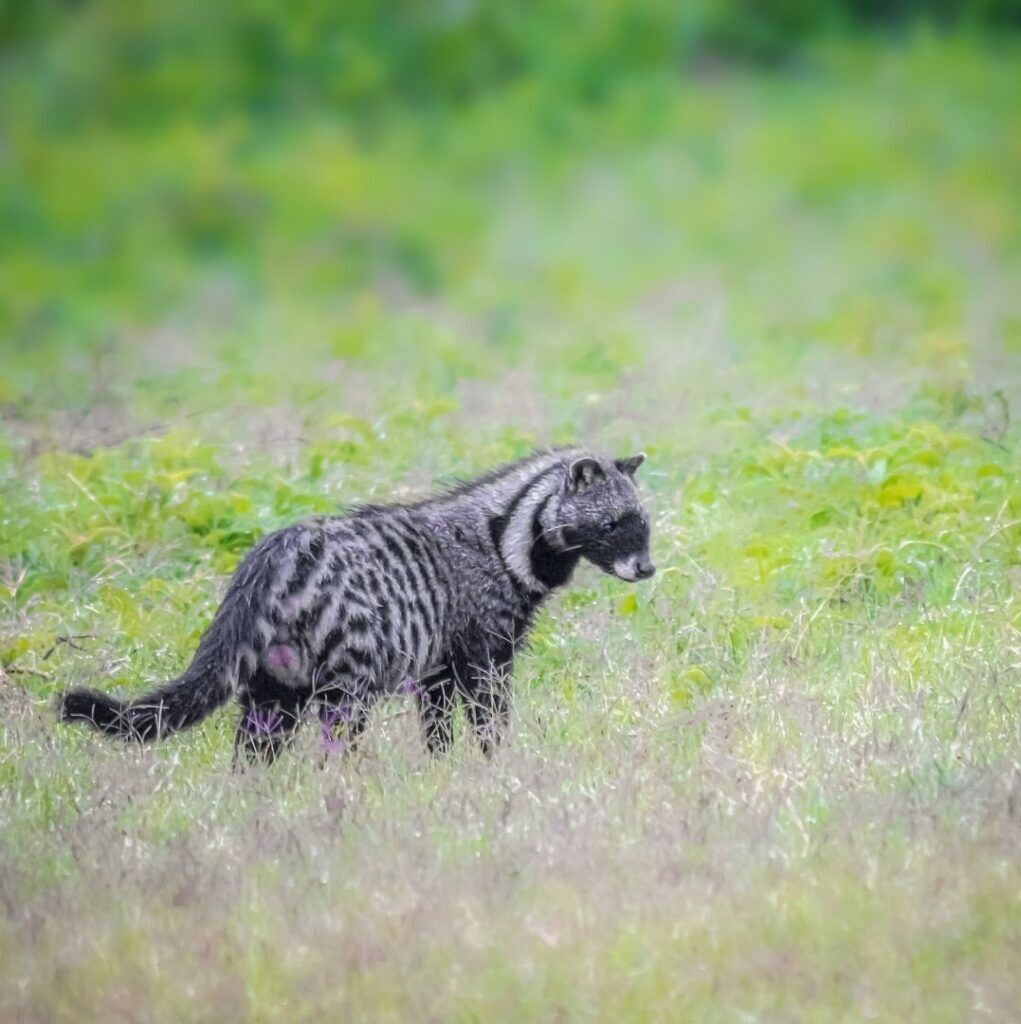
Civets & Genets
These cat-like carnivores are often spotted during the night. Even though they are not closely related, they do look similar, with a beautifully spotted coat.
-
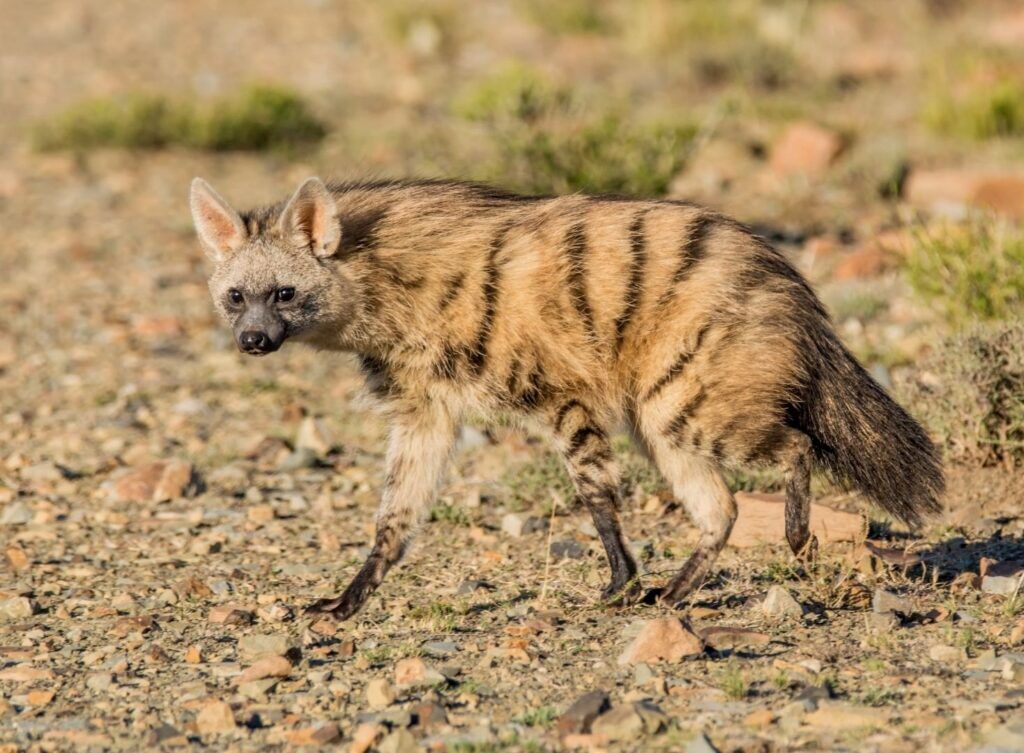
Aardwolf
It looks like small hyena, but instead of hunting and scavenging, it feasts on insects. With its broad, sticky tongue it can eat up to 300,000 termites per night.
-
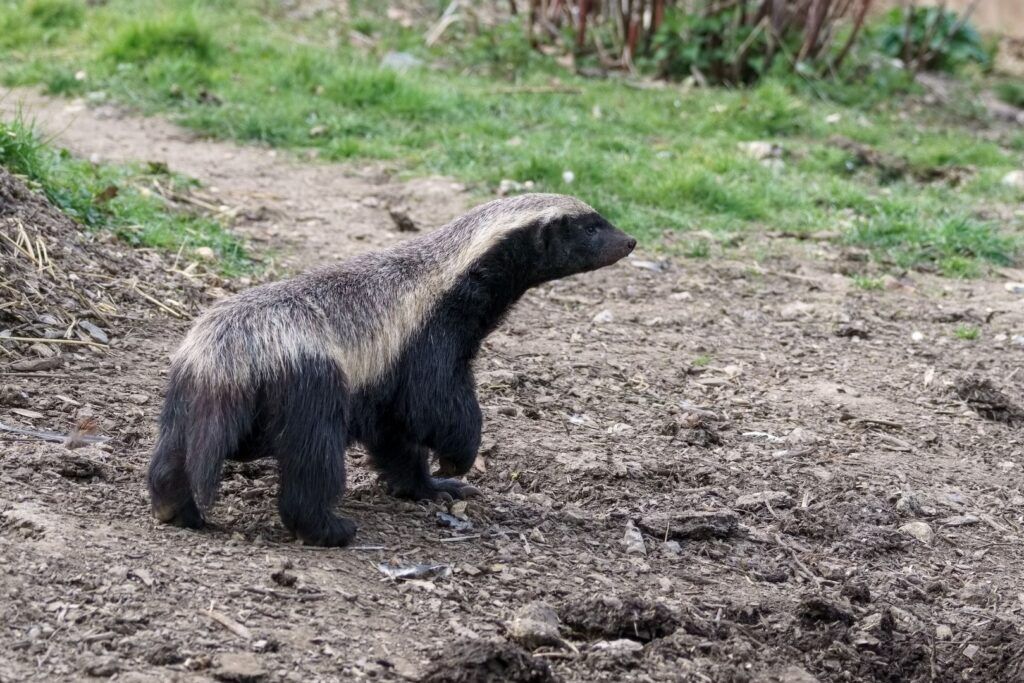
Honey Badger
With its monochrome look, it seems cute and harmless. It is, however, probably the most vicious and certainly the most fearless African animal, taking down animals many times its size, including young crocodiles.
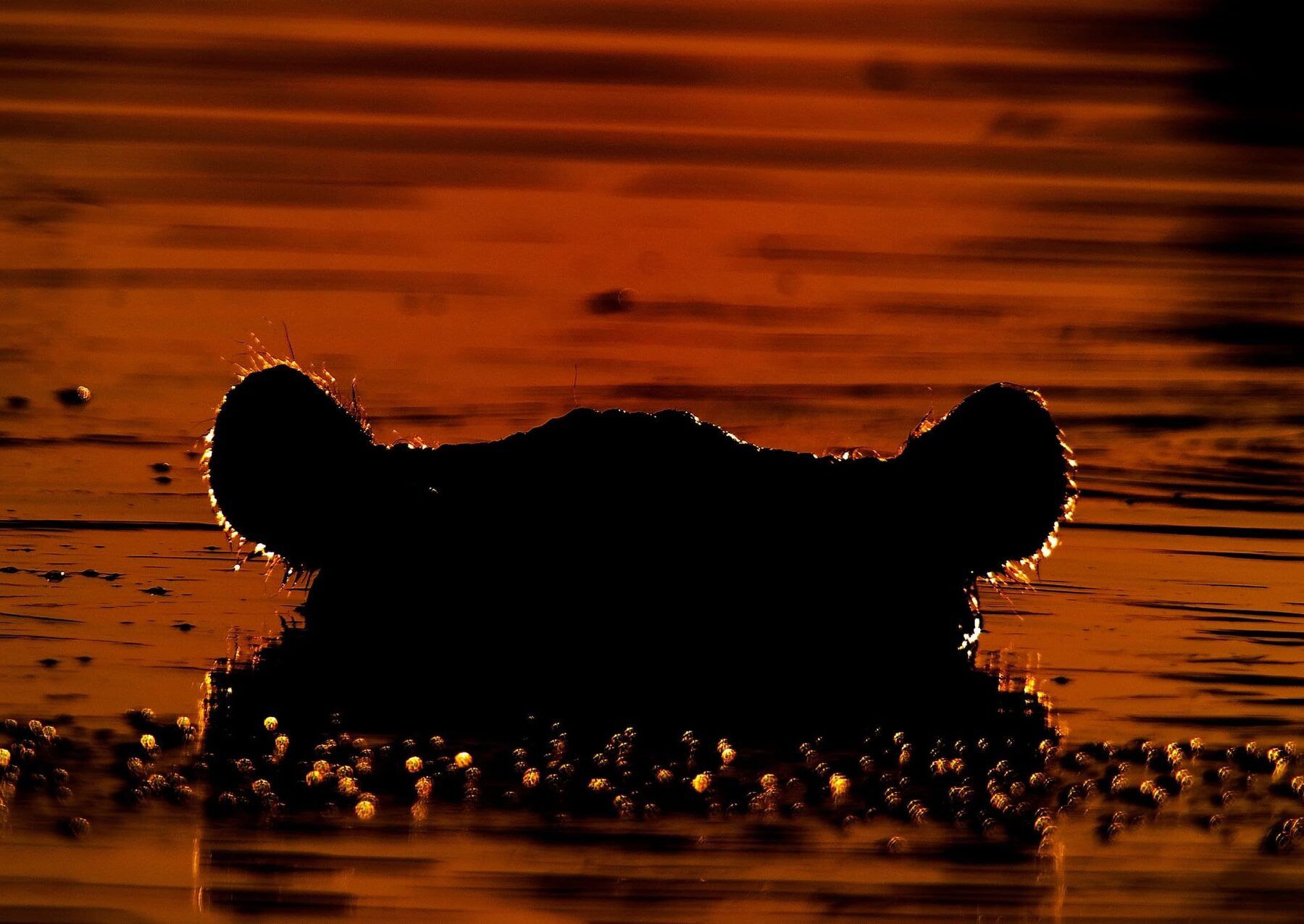
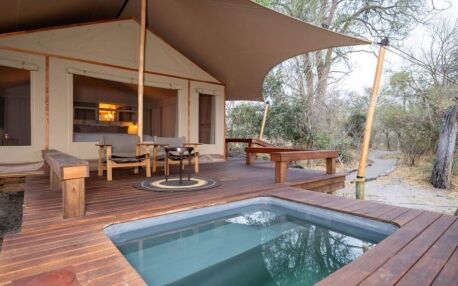
Accomodations
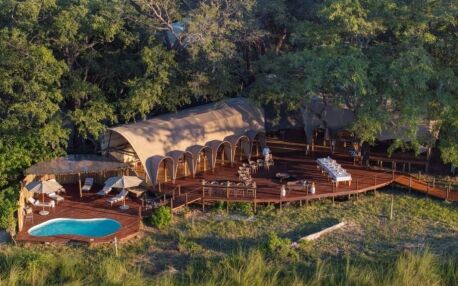
No matter if during the day or at night: Okavango wildlife sightings are spectacular, calling for cozy lodges to relax in.


Let us create your tailor-made trip
Receive a free, no obligation quote
Start planning your dream trip