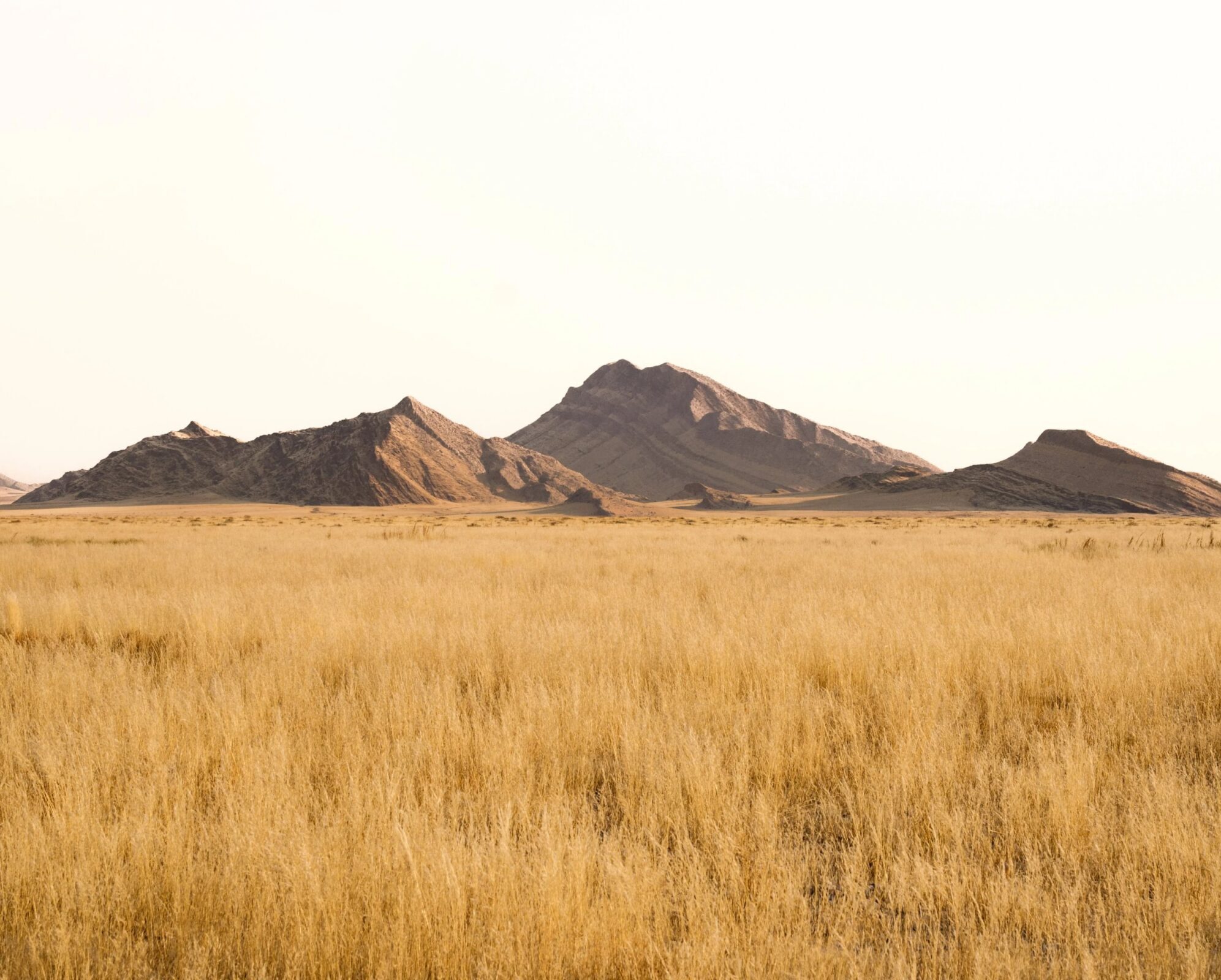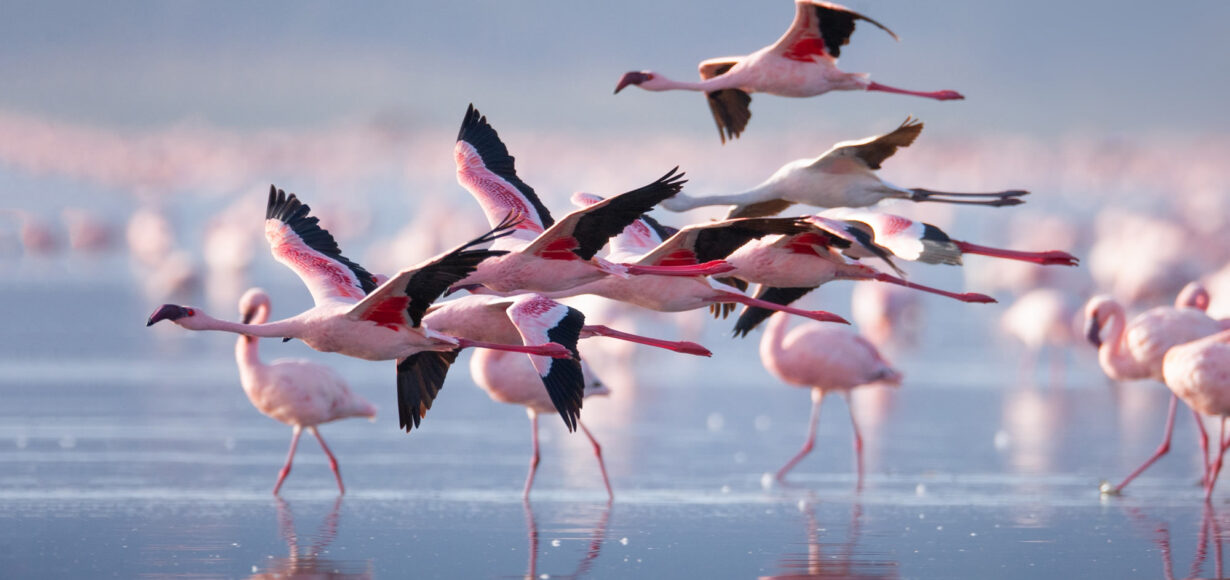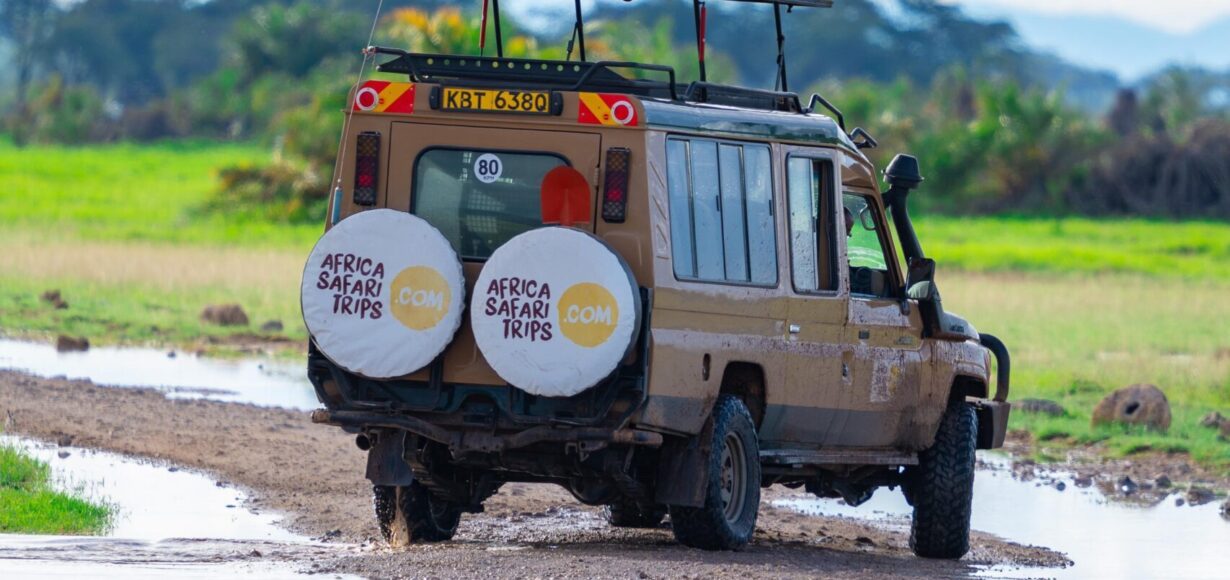

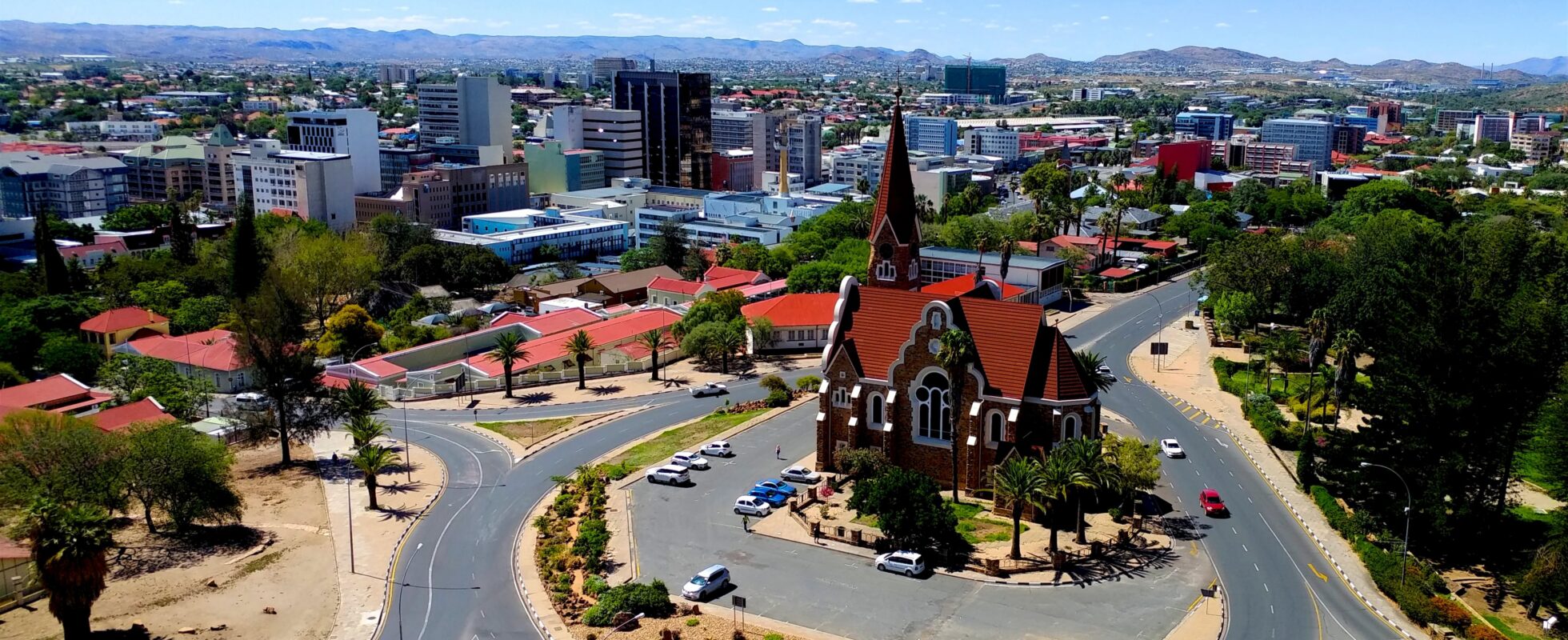

Windhoek, or the windy corner as it’s translated from Afrikaans, is the place where nearly every Namibian road trip begins. From this high-altitude corner in the middle of the country, travellers head south to the dunes of Sossusvlei, north to Etosha National Park for wildlife viewing, or west to the coastal town of Swakopmund. Of course, Windhoek is also the capital and largest city of the country with a fascinating history. And not to forget – a place that rewards longer stays with sumptuous sundowners (steaks included!).


The making of Windhoek
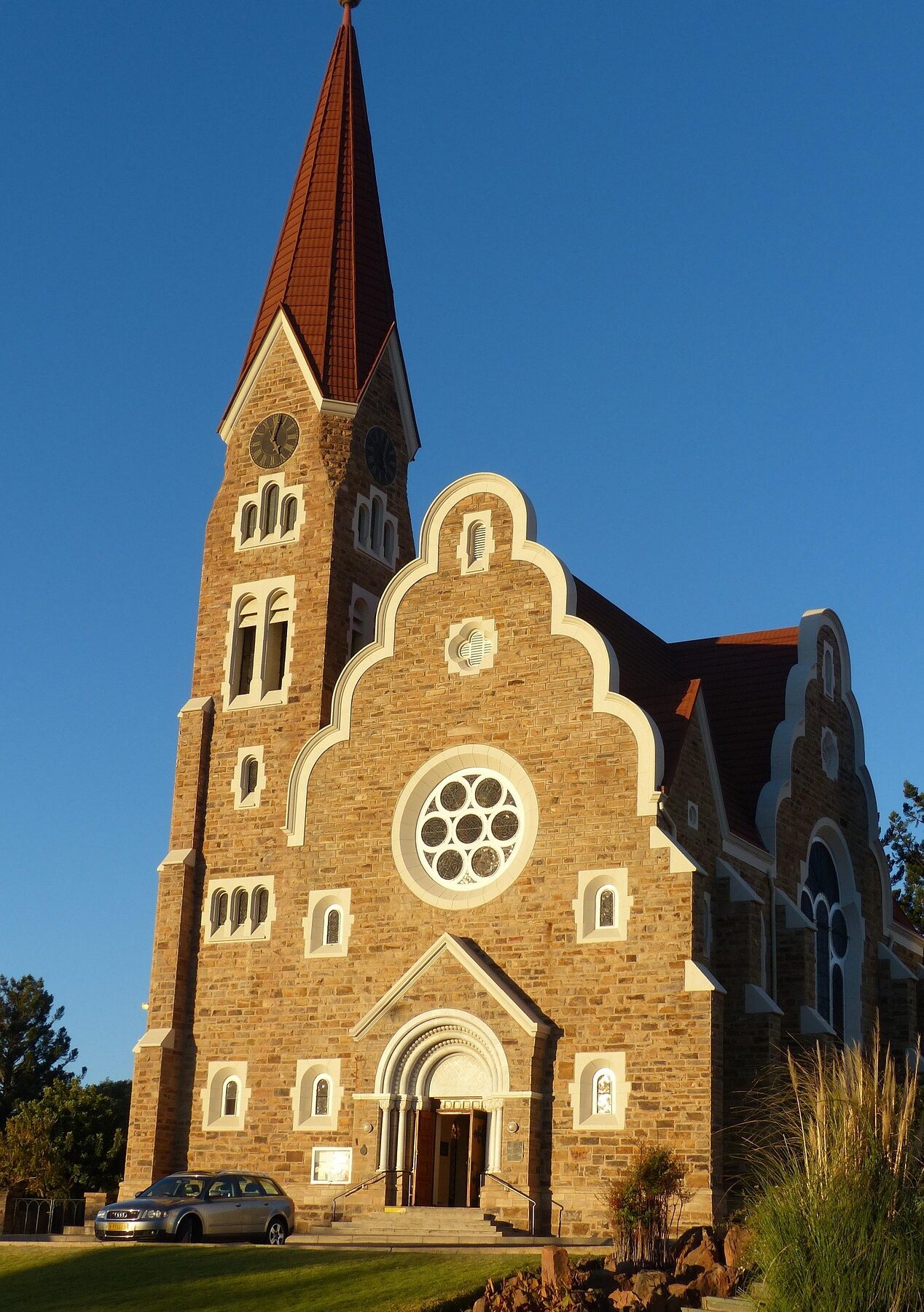
Modern Windhoek began with Jonker Afrikaner, an indigenous 19th-century Orlam-Nama leader. Coming from the Cape Colony (in what is now South Africa), Jonker arrived with horses and guns that helped protect the indigenous Nama people of Namibia against the other main group at the time: the Herero. Jonker drove the Herero away and settled the town of Windhoek in 1840 by building a church near the biggest hot spring (in today’s Klein Windhoek suburb).
By 1842, 2,000 people had started living here, but later wars between the Nama and the Herero emptied the settlement again. German troops arrived in 1890 and built the Alte Feste fort. From 1904 to 1908, German forces killed an estimated 70,000 Herero and Nama people in a genocide, after the two groups rose up against colonial land seizure and forced labour. Germany ruled until 1915, then South Africa administered the region until Namibian independence in 1990. Many colonists left, though a small German-speaking community remained.


The people of Windhoek
About 500,000 people live in Windhoek. Oshiwambo is the language most people speak at home (coming from the Ovambo, another one of Namibia’s indigenous tribes), followed by Khoekhoegowab of the Nama, Afrikaans and Otjiherero (linked to the Herero people). English is the official language, while Afrikaans is spoken across different communities and German still appears on some street signs. Most residents live in townships like Katutura, north of the city centre. Greetings come before business – a handshake and a “how are you” precede almost every transaction. Sunday belongs to church. Lutheran, Catholic, and charismatic congregations gather across the city.
More than a starting point
Beyond its role as a travel hub, Windhoek offers a few surprises for those who linger. Sundowners are an ingrained tradition here, kept by locals and visitors alike, and from 5 PM the rooftop bars and hillside viewpoints fill up as the Khomas Highlands turn gold. Then comes the steak. Beef and game meat feature heavily on Namibian menus, with something from the grill almost everywhere. Joe’s Beerhouse anchors the evening for most first-timers (tourists): loud, cluttered, heavy on game meat and German-Namibian fusion dishes like Eisbein, schnitzel, and bratwurst.
Post Street Mall displays around 30 authentic iron meteorites from the prehistoric Gibeon shower, which scattered some 26 tonnes of fragments across southern Namibia around 30,000 years ago. Long before any of it was catalogued, Nama communities forged pieces from the same fall into tools and weapons. Spend a day or two here, and Windhoek starts to feel like more than just a stop between the airport and Namibia’s national parks.
Information and facts
Windhoek is Namibia’s central travel hub, set in the highlands and surrounded by mountains and savannah. It combines a relaxed city atmosphere with strong logistics for self-drive travel. Visitors stay here to prepare for trips to the deserts, coasts, and national parks, while also enjoying craft markets, German colonial architecture, and Namibia’s free-range beef and game meat.
Facts about Windhoek
- Capital and largest city of Namibia, with about 500,000 people
- Settled by Jonker Afrikaner around 1840, refounded as a German garrison town in 1890
- Located in central Namibia in the Khomas Highland plateau at about 1,700 m above sea level
- Post Street Mall displays around 30 Gibeon meteorite fragments, from a prehistoric fall spread across one of Earth’s largest strewn fields.
- Primary starting point for self-drive routes to Etosha, Sossusvlei, and the Atlantic coast