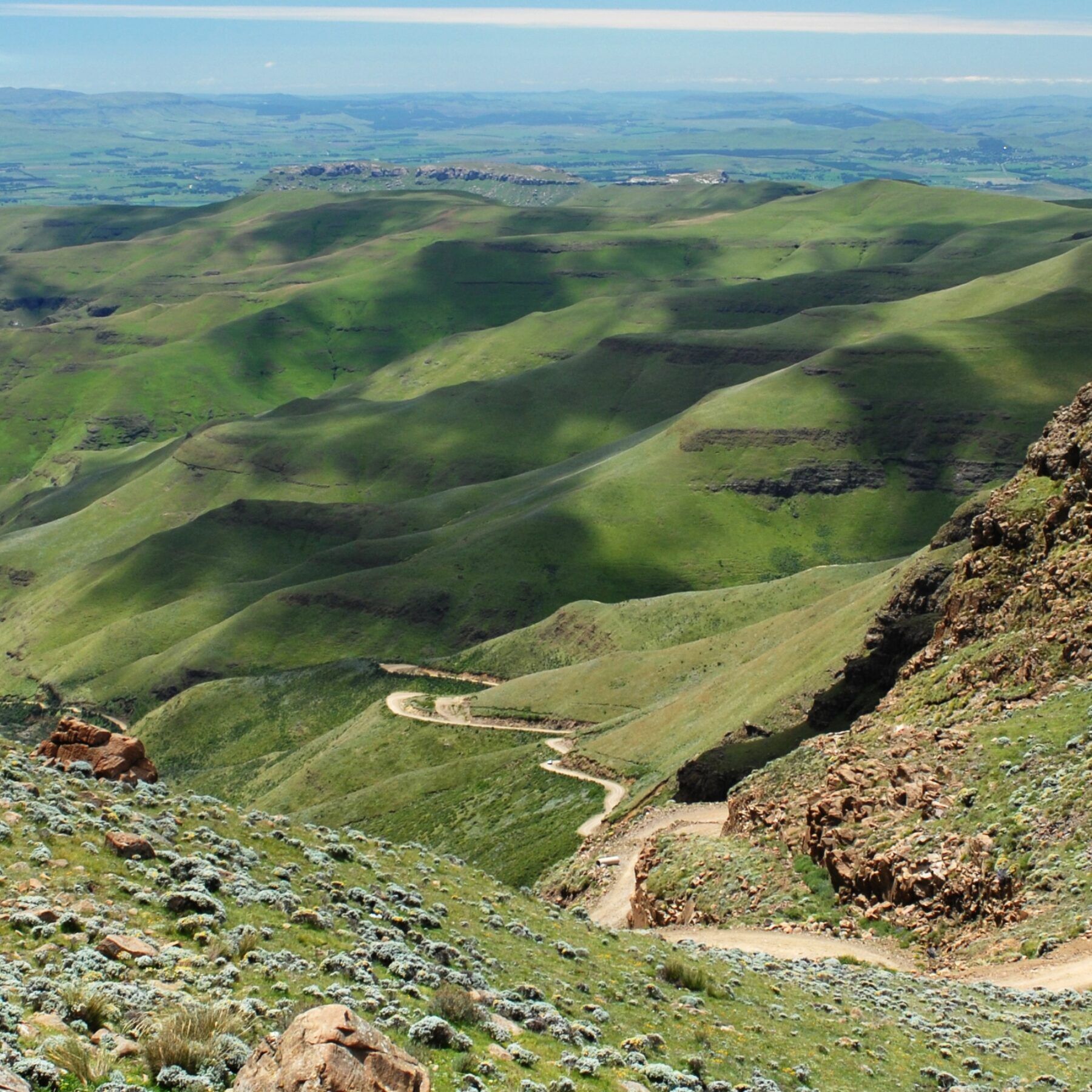


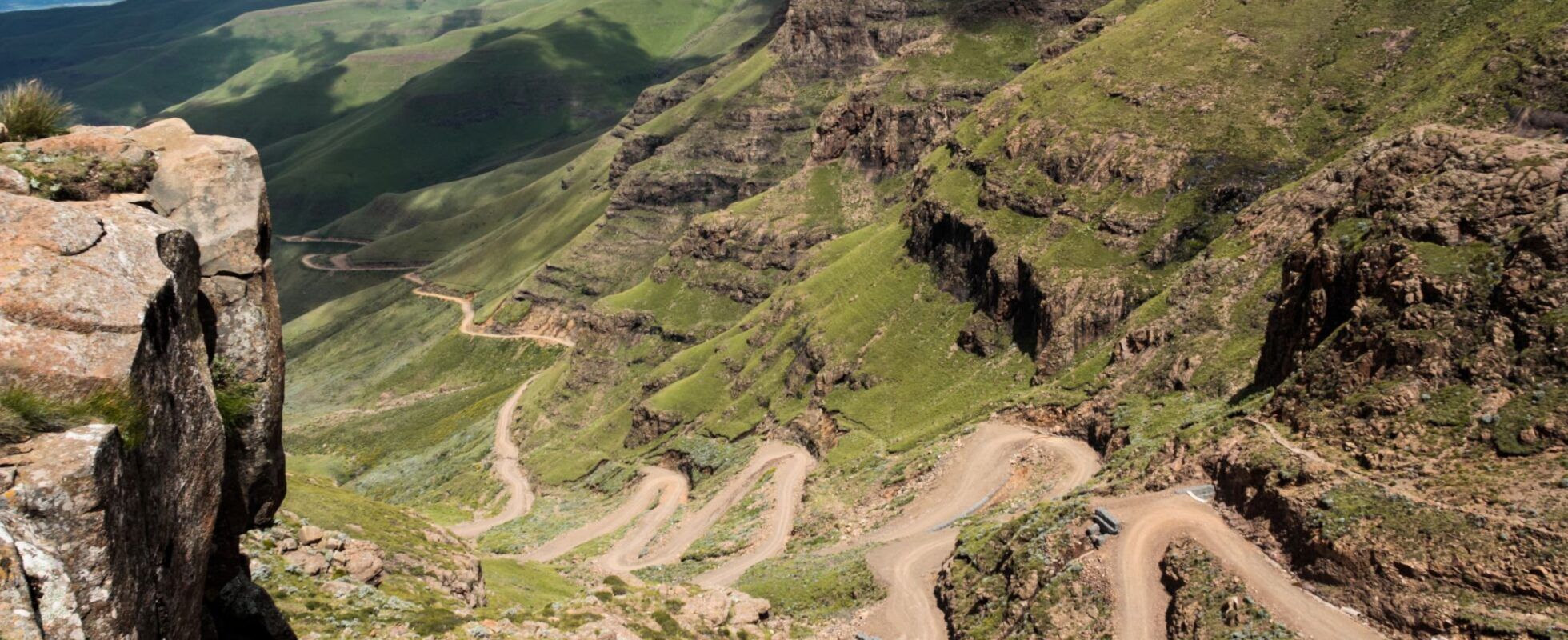

The Sani Pass is the undisputed heavyweight of all South Africa’s mountain passes. This steep, rugged gravel route climbs dramatically through the Drakensberg Mountains, linking KwaZulu-Natal with the Mountain Kingdom of Lesotho. Rising from 1,300 to 2,876 metres, it’s famous for its dizzying 180-degree hairpin bends and notoriously challenging driving conditions. But it’s the scenery that truly steals the show. As the gateway to Lesotho’s eastern highlands, the pass offers sweeping views that shift with the seasons: snow and frozen waterfalls in winter, wildflowers in summer, and the irresistible lure of the ‘highest pub in Africa’ at the top. Few 4×4 adventures in southern Africa come close.


Sani Pass… A Route Best Left to the Pros
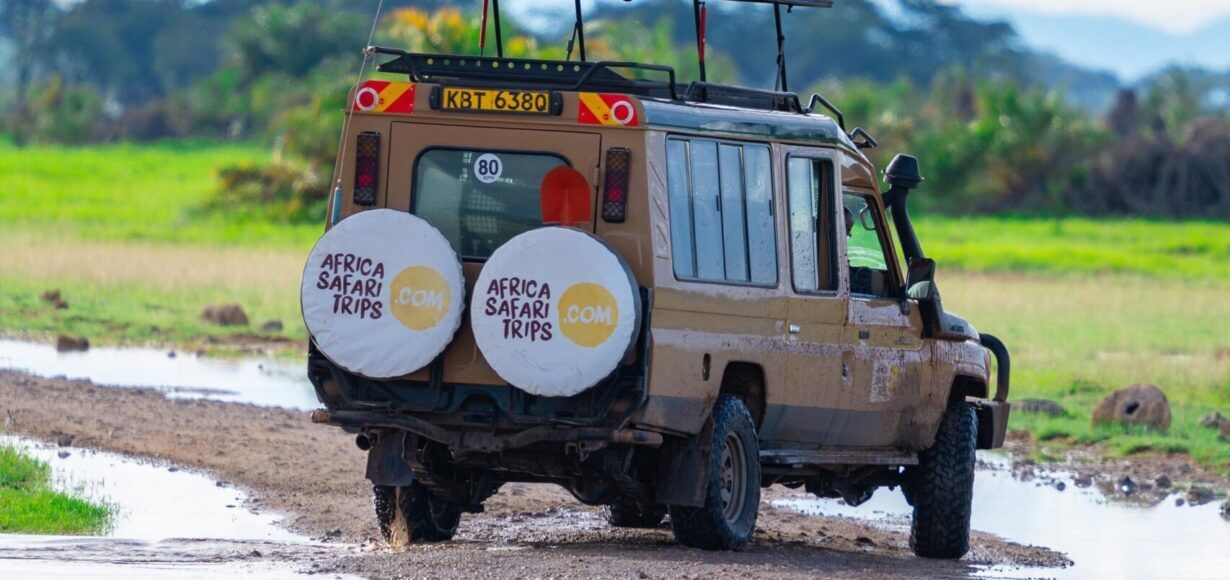
Crossing the Sani Pass comes with a few formalities. You’ll need a passport valid for at least another six months. And if you’re self-driving (which we wouldn’t recommend), you’ll also need a written cross-border permission from your rental company stating that you will definitely return in 1 piece. The Sani Pass is best tackled on a 4×4 tour with an experienced driver who navigates border controls and handles the gravel for you. Trust us, these drivers master the perfect tyre pressure (it matters!), understand the ascending right-of-way on the mountain, know every hairpin by heart, and share fascinating insights along the way. Your job is to enjoy the views and make Insta-perfect pictures.
Crossing the Sani Pass into the heart of Lesotho
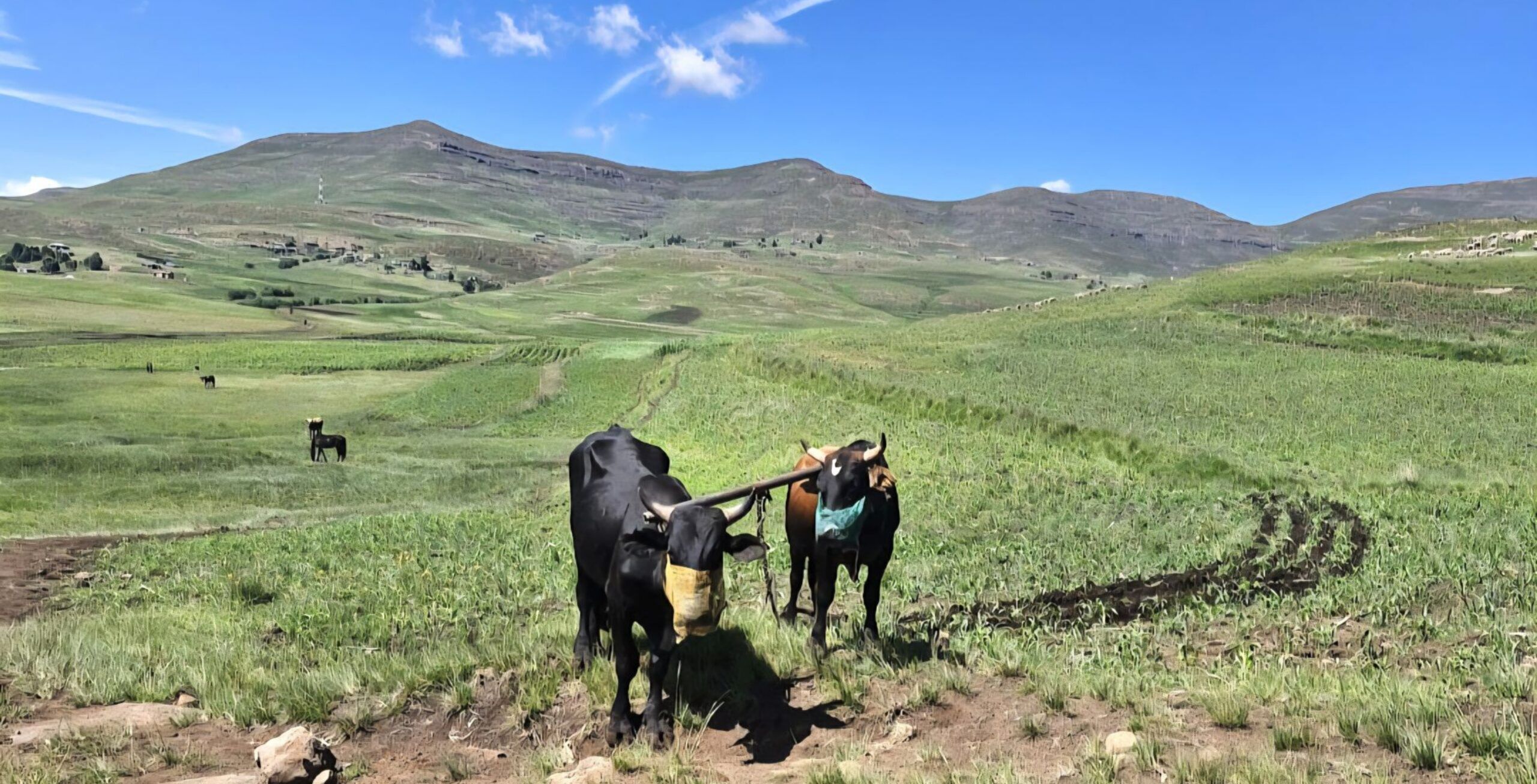
If you’re crossing into Lesotho, know this: it’s far more than just the highlands beyond the Sani Pass. This is a country in its own right – and the only one in the world entirely above 1,400 metres. It’s home to Southern Africa’s highest peak (3,482 metres), real winter snow, and remote Basotho villages, where horses are still the main means of transport. So don’t stop at the famous pub alone. Step inside a traditional Basotho hut built from mud and cow dung, witness ceremonial song and dance, meet a traditional healer, and see wheat ground and bread baked the Lesotho way. Here, centuries-old customs still rule everyday life.


Birders in the mix
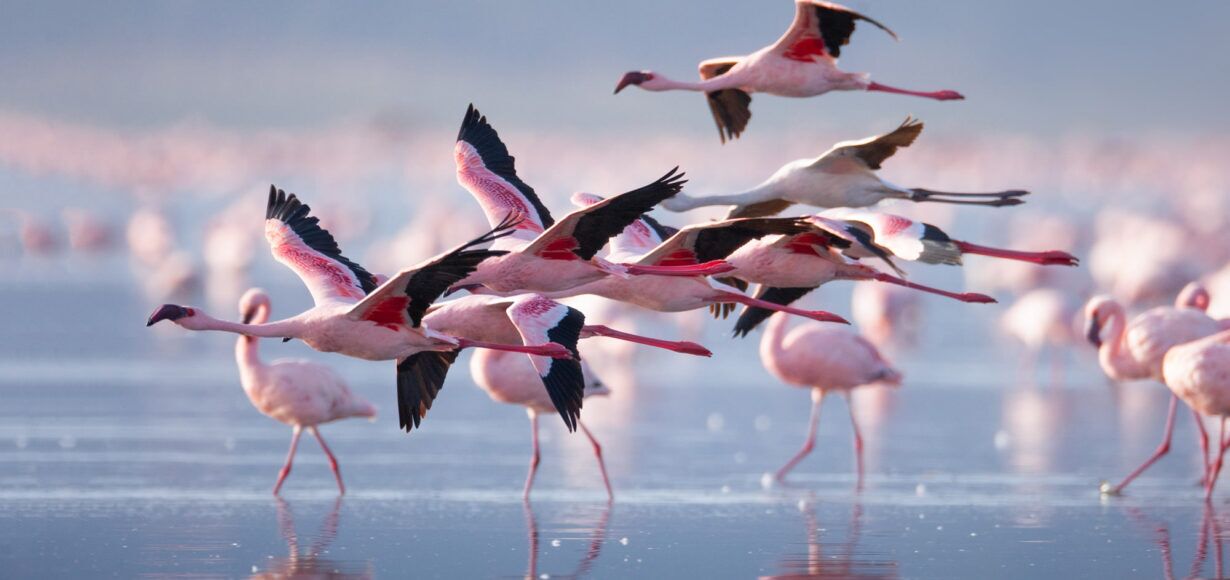
Birdwatchers come to the Sani Pass to see rare and uncommon birds, endemic to this area. You might find rare cranes here and catch endemic raptors like the mighty bearded vulture in the sky or on a mountain outcrop. Out in the mountain grasslands, species like the Drakensberg siskin and the orange-breasted rockjumper can be spotted. And if you decide to hike or ride a horse upon arrival, there will be so much more to see.
Information and facts
The Sani Pass is a steep gravel road through the Drakensberg Mountains, linking KwaZulu-Natal and the Kingdom of Lesotho. Famous for its hairpin bends, sweeping views and the ‘highest pub in Africa’, it’s a 4×4-only route best enjoyed with expert drivers. Beyond the pass, you’ll find the Lesotho highlands and the Basotho tribe leading a high-altitude traditional life.
Facts about the Sani Pass
- A 9-kilometre-long 4×4 gravel road connecting KwaZulu-Natal to Lesotho
- It takes 1,5 to 2 hours to drive the 9-kilometre pass (one-way)
- The pass rises from 1,332 metres to an altitude of 2,876 metres
- The first vehicle crossed the pass in 1948
- The route is notoriously treacherous and houses many vehicle wrecks
- Classified as a UNESCO World Heritage site