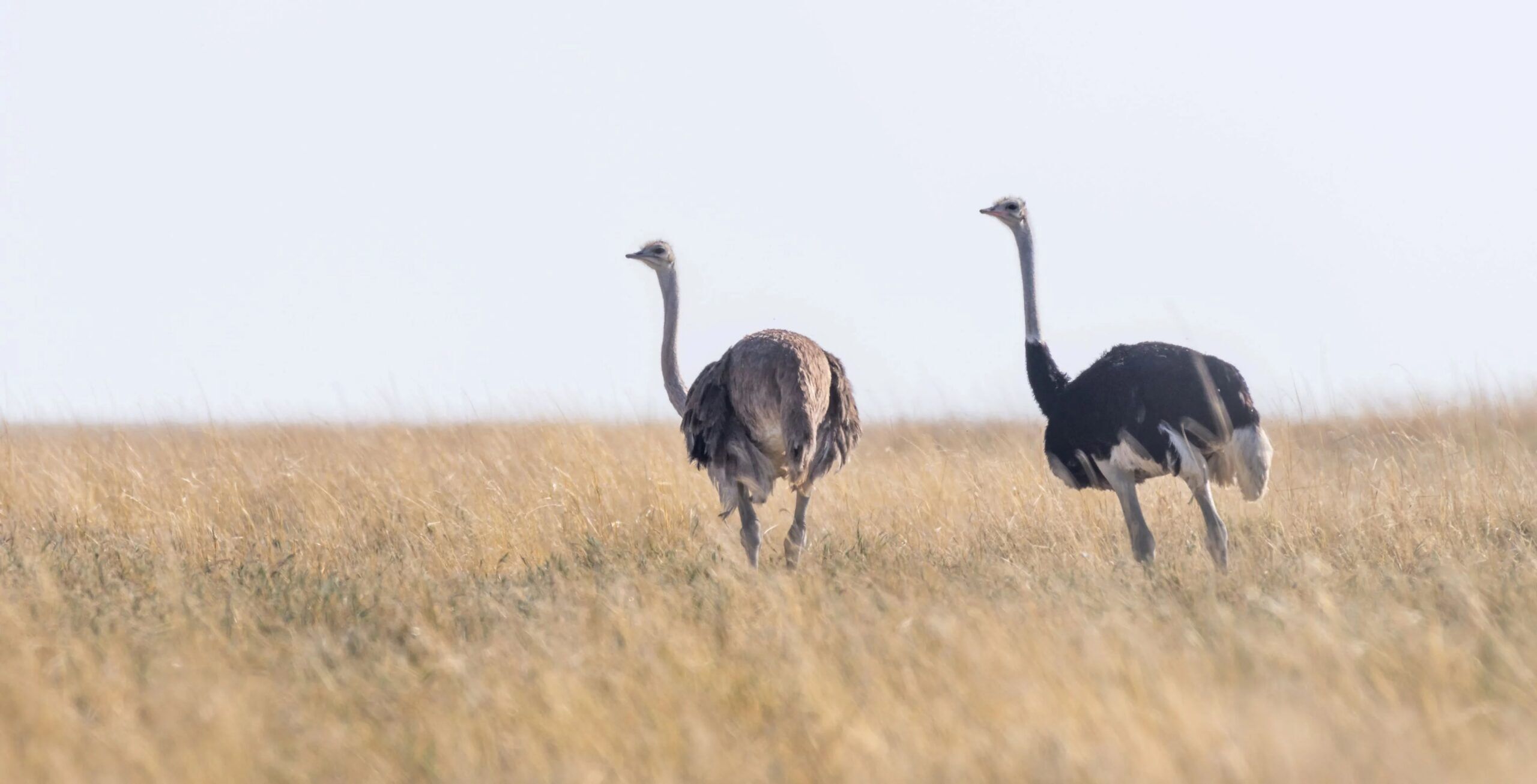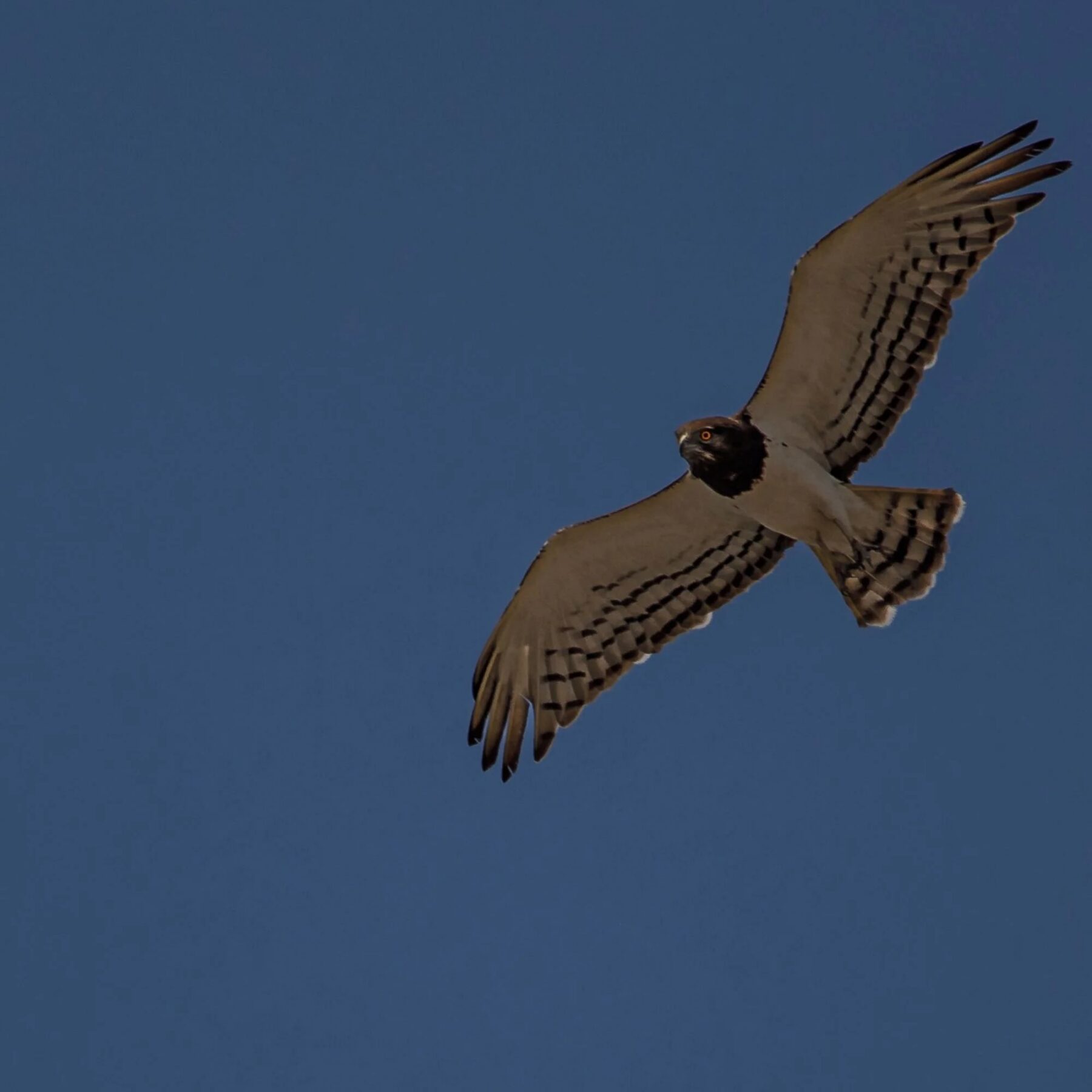


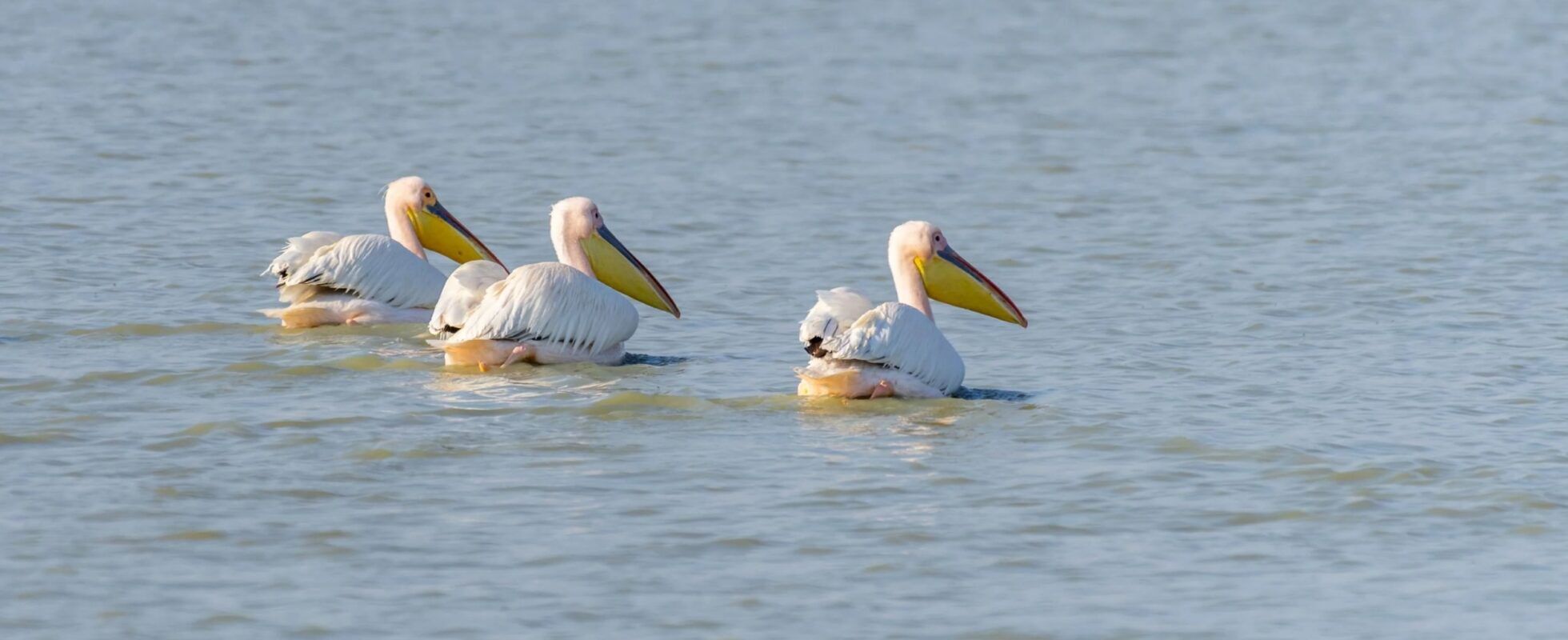

Flamingos, pelicans, house-building termites, and endless salt pans – the Nata Bird Sanctuary is not your ordinary nature reserve. Located near Nata, at a natural crossroads between Zimbabwe, Maun and Kasane, it is widely known for its proximity to the famous Makgadikgadi salt pans. The sanctuary itself is a 230-square-kilometre haven for birdlife set in the northeastern corner of the Sowa Pan, part of the bigger Makgadikgadi pans. Mind you, not all residents wear feathers here: antelope roam the open plains, joined by zebra, hyena, jackal and baboon – a surprisingly rich cast of wildlife on sun-crusted grasslands.


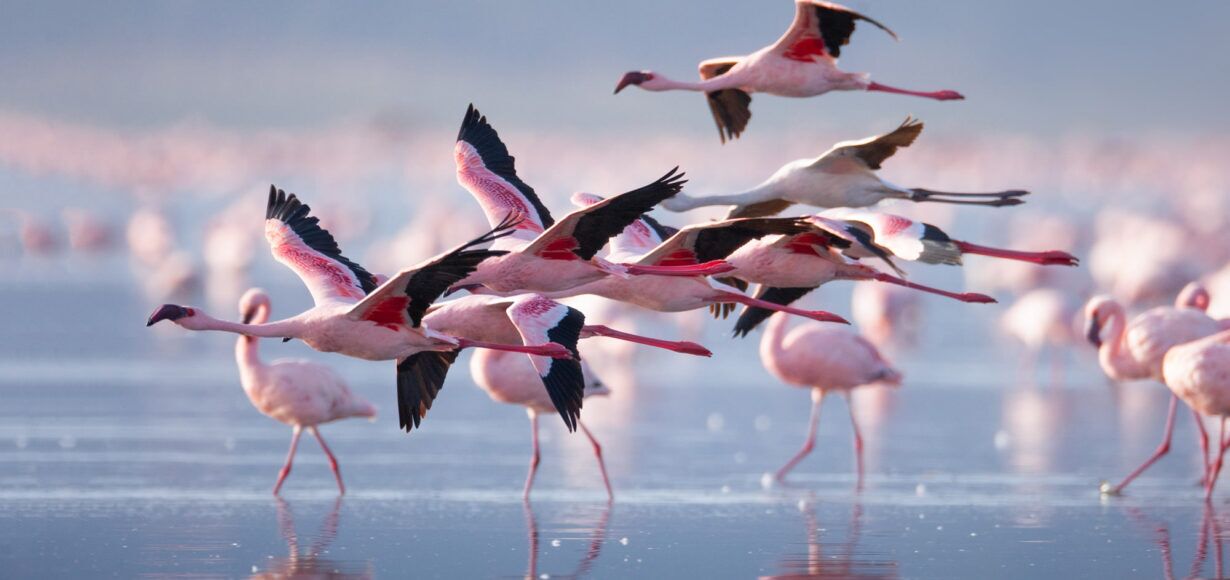
Flocks of pink
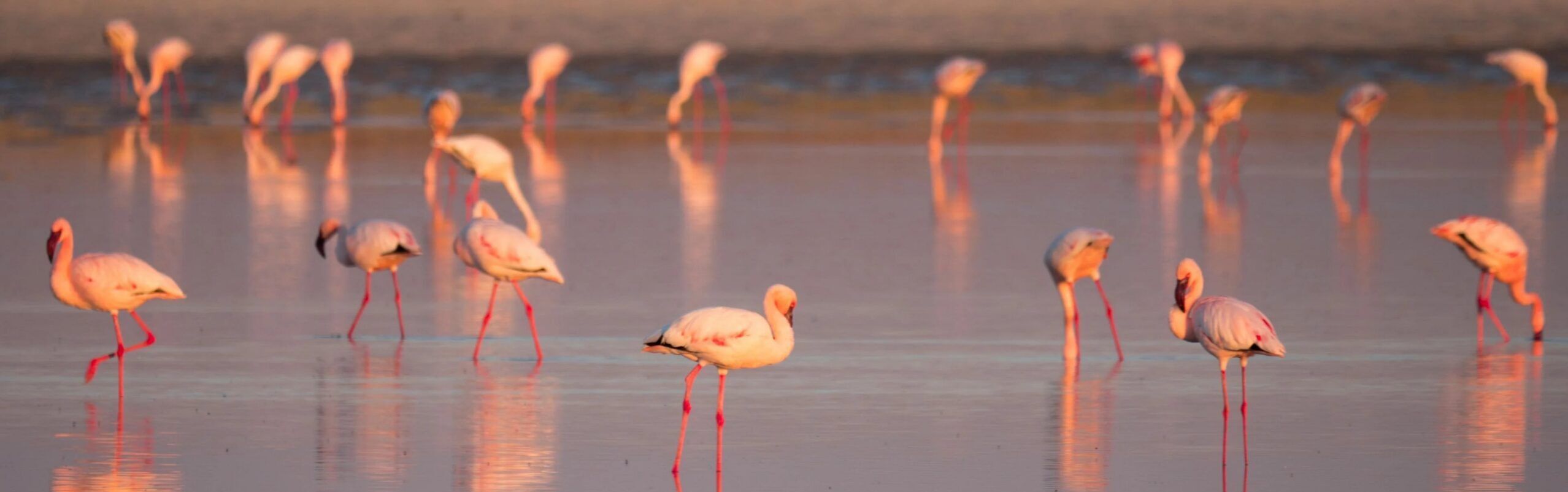
This is one of those magical places in Africa where flamingos breed, drawing spectacular numbers, mostly just after the wet season when the pans have transformed into shimmering, shallow wetland. When this happens, pelicans gather in their thousands, up to a quarter million flamingos arrive in blushing clouds, and more than 165 bird species fill the skies. But watch out! The presence of these pink beauties heavily depends on the rains – in a good rainy season, they can be spotted from November through May, sometimes even as late as August. But if it’s a bad rainy season, this period is a lot shorter (because indeed, nature doesn’t give guarantees!).
Joining hands for conservation
Botswana has no single tribal culture, and the set-up of the Nata Bird Sanctuary is a wonderful reflection of this diversity. Founded in 1992 by the Nata and Kalahari conservation committees, Nata Bird Sanctuary became the country’s very first community-based conservation project. Today, it is jointly managed by four local tribes: the Nata, Maphosa, Sepako and Manxotae. All income from entrance fees and camping is reinvested into community projects, chosen collectively by the residents. As a vital water source and a natural crossing between Zimbabwe, Maun and Kasane, Nata has grown into a lively settlement of around 11,000 people from different cultural backgrounds.
Cathedrals of the pans
Scattered across the shimmering flats of Nata Bird Sanctuary, you may notice curious earthen towers rising up to five or six metres high. These are not ancient ruins nor modern sculptures, but towering termite mounds – architectural masterpieces built grain by grain by fungus-growing termites. Far from simple piles of dirt, they are crafted from a remarkably durable blend of soil, saliva and termite droppings; nature’s own version of cement. Even more impressively, this material is so strong that it has been used locally for building purposes. A quiet reminder that, in this salty world, even the smallest inhabitants leave the biggest impressions.
Information and facts
Nata Bird Sanctuary is your front-row seat to the Makgadikgadi salt pans. The sanctuary is a 230-square-kilometre wilderness where flamingos steal the show. A quarter million pink performers arrive after the rains in November, joined by pelicans, 165 other bird species and mammals such as antelope, zebras and hyenas. A salty stage with spectacular wildlife!
Most common animals
- Zebra
- Springbok
- Antelope
- Wildebeest
- Red hartebeest
- Oryx
- Eland
- Kudu
- Jackal
- Bat-eared fox
- Ostrich
- Flamingo
- Pelican
- Plover
Facts about Nata Bird Sanctuary
- Impressive 230 square kilometre bird sanctuary at the edge of the Makgadikgadi Pans, near the town of Nata.
- Habitat of over 165 bird species.
- Breeding ground for over 250,000 flamingos.
- Botswana’s very first community-based conservation project.
- Jointly managed by four local tribes: the Nata, Maphosa, Sepako and Manxotae.