
A regular day on South African roads

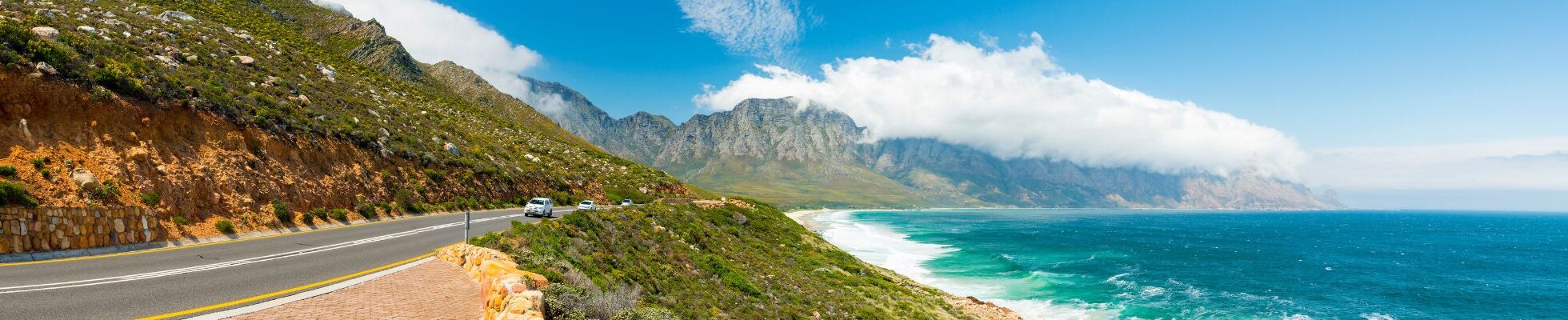
A holiday in South Africa usually involves a lot of time on the road. No matter your choice of journey, in this country, there is a lot of ground to cover! Usually, your day starts with an early breakfast. Then you are en route until the end of the afternoon, exploring the country at your own pace while you pass by the widest viewpoints, the best restaurants, tantalising wineries, and exhilarating excursions. And the practical stuff, like food, petrol or internet? That’s just easy-peasy.
Food
No road trip in South Africa is complete without the country’s beloved padstals (farm stalls). These roadside shops are usually associated with the surrounding farms and sell all local produce, from biltong to homemade pies, breads and fresh fruit. So no need to pack lunch – you’ll never make it 50 kilometres without being tempted, and our extensive list of restaurants and pit stops makes sure you never miss out on any of the other options.
Petrol
Petrol stations are as frequent as trees in a jungle along all major routes. But if you’re self-driving and heading off the beaten track, it’s wise to fill up, even if your tank’s still half full. When in doubt, GPS or Google Maps will help you. This country is vast, but running out of gas is almost impossible!
Staying connected
If you want to stay online and reachable while on the road, you have several options (even though the connection strength might vary per area):
- Get your eSIM: If you apply for an eSIM before your travel date, you will be connected upon arrival. And through our official Airalo eSIM partnership, you even get a 10% discount. For more information, prices, registration and your discount, please visit the Airalo website.
- Get WiFi in your car: You can arrange this at the rental car office at the airport. They can also hook you up with baby seats if needed.
- Buy a local SIM card: you can do this upon arrival at several phone provider booths at the airport. Reliable providers for the bush are Vodacom and MTN.
National parks
National parks have their own sets of rules, but exploring them is made easy in South Africa!
-

Times
Game drives are usually allowed from 6 AM to 6 PM, and visitors can obtain one entry per 12 hours (for all SAN parks). Within those 12 hours, you can, theoretically, leave the park and come back, as they will renew your permit if you show your proof of payment. However, all visitors are expected to be back at the lodge (or leave the park) at 6 PM at the latest.
-

Routes
Upon entering the park, you receive a map with clearly signposted routes leading you to rest camps, picnic spots and the best game-viewing areas. The parks often boast a main network of tarmac roads, with gravel roads leading up to these, but be aware that there are speed limits (50 km/h on tarmac roads and 40 km/h on gravel roads), and speed cameras ensure you stick to those. Which is a good thing, because it gives you all the more chances to spot the animals you came to see!
-

Food
Within the parks, most rest camps and lodges are open to all visitors, not just overnight guests, and they’re well-equipped with restaurants, cafés, picnic spots, petrol stations and convenience stores. You can have lunch, grab a coffee, refuel or even do a quick grocery top-up without needing to spend the night there. You can also opt for a packed lunch, and most overnight lodges are happy to prepare a takeaway lunchbox (ask in advance!). Whatever you do, be sure to ask fellow travellers at rest stops for tips on where to find wildlife, so you know where to go next!
Safety on the road
Rest assured, South Africa is tourist-friendly and relatively safe. Especially the most visited areas, such as Cape Town, the Cape Winelands, the Garden Route and all major safari destinations, are considered safe. But as with any unfamiliar destination, a little caution goes a long way.
To be on the safe side, we advise keeping car doors locked while driving and avoiding opening windows for strangers at traffic lights – unfortunately, carjackings do happen. It’s also best not to put valuables or bags in plain sight in your car, especially in cities and when parking.
Most importantly
Relax and enjoy the ride! The favourite saying of every South African is ’n boer maak ’n plan (a farmer makes a plan) – meaning there’s always a solution, somehow, somewhere. A wisdom to keep in mind!
Let us create your tailor-made trip
Receive a free, no obligation quote
Start planning your dream trip