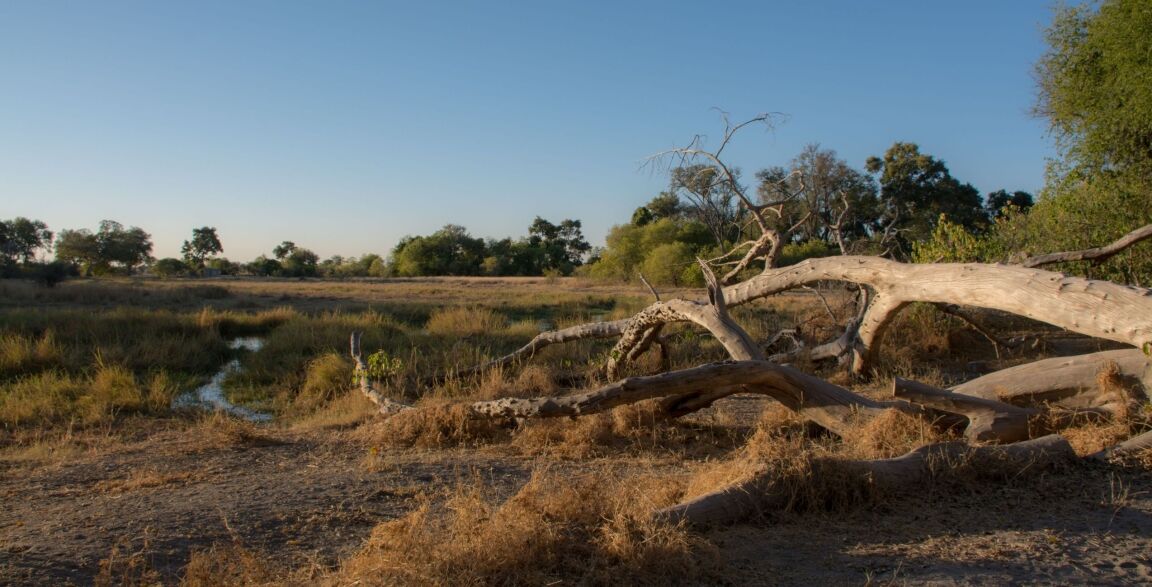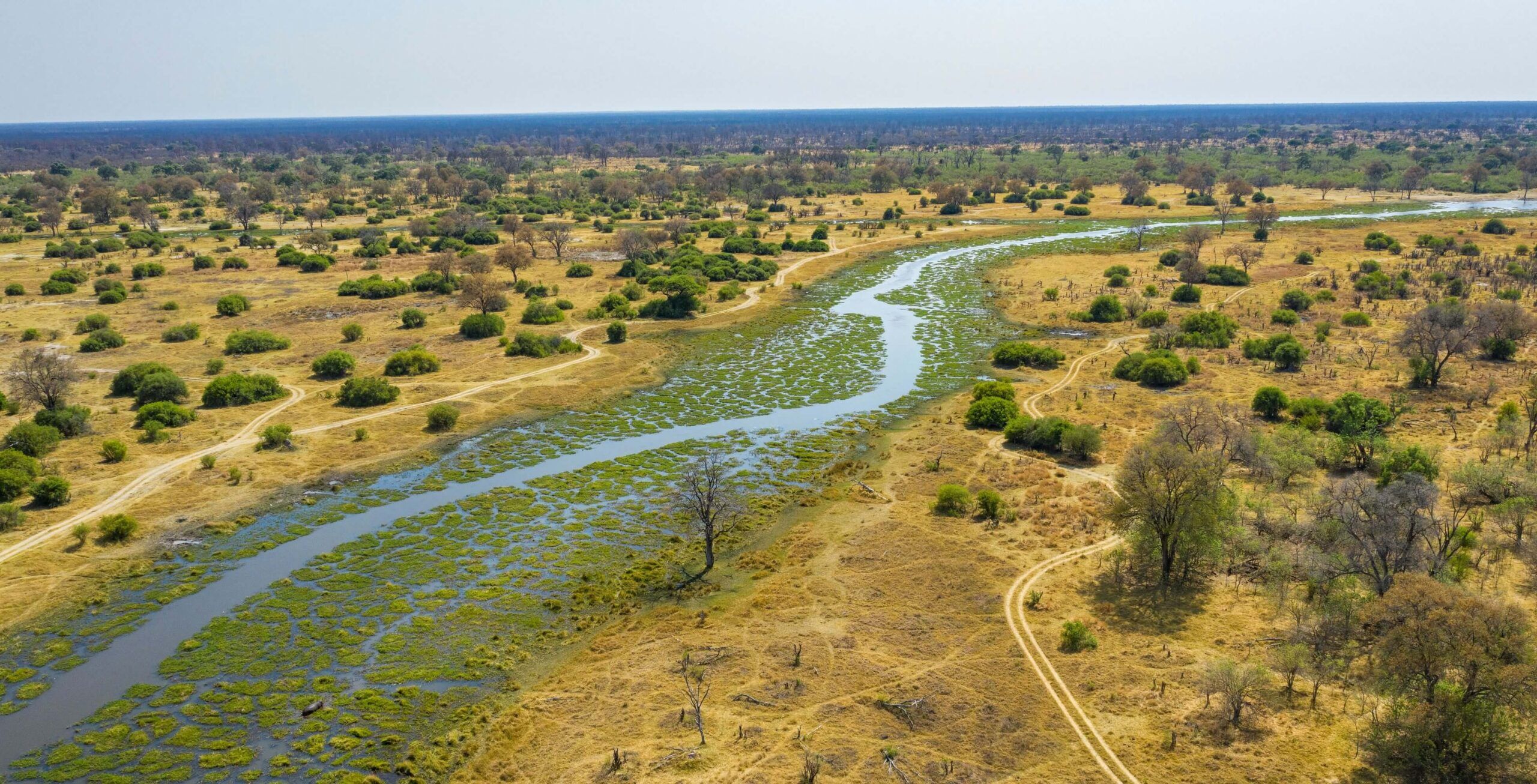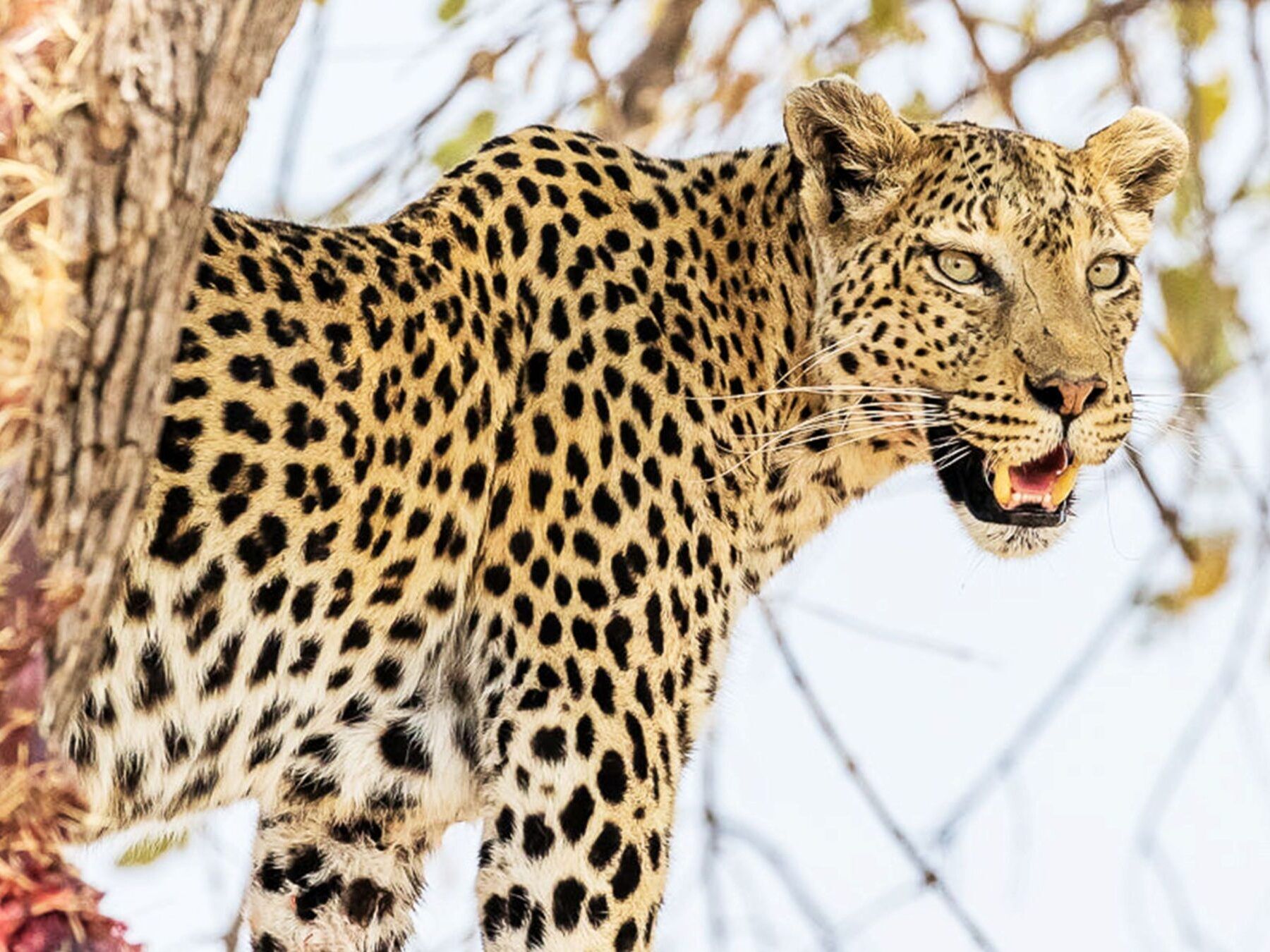

Being a patchwork of floodplains, open grasslands and woodlands, the Khwai Botswana (or Khwai Community Concession) ranks among the country’s most beautiful safari regions. Spanning over 1,800 square kilometres of unfenced wilderness, it’s sandwiched between Chobe National Park and the Moremi Game Reserve (part of the Okavango Delta in northeastern Botswana). Wildlife moves freely between these reserves, creating exceptional game viewing. Expect regular sightings of lions, leopards, hyenas, the elusive African wild dog, and of elephants with their long noses around every corner. A small Khwai community of just 400 residents runs the reserve – an inspiring example of conservation done right.


Safari with a community soul
Once a hunting concession, Khwai Botswana is now proudly owned and managed by its local villagers. The Khwai Community Trust plays a hands-on role in protecting this pristine wilderness, making it an eco-tourism success story. The custodians of this land are the BaBukakhwe (river bushmen), closely related to the San people, who have lived in the Okavango Delta region for generations. All tourism proceeds flow directly back into the community, supporting livelihoods and long-term conservation. Take time to visit nearby villages such as Khwai or Xai Xai and connect with the BaBukakhwe way of life. Learn about medicinal plants, traditional tools and the subtle art of animal tracking – knowledge passed down through centuries, and shared with pride.
Drifting into the Delta
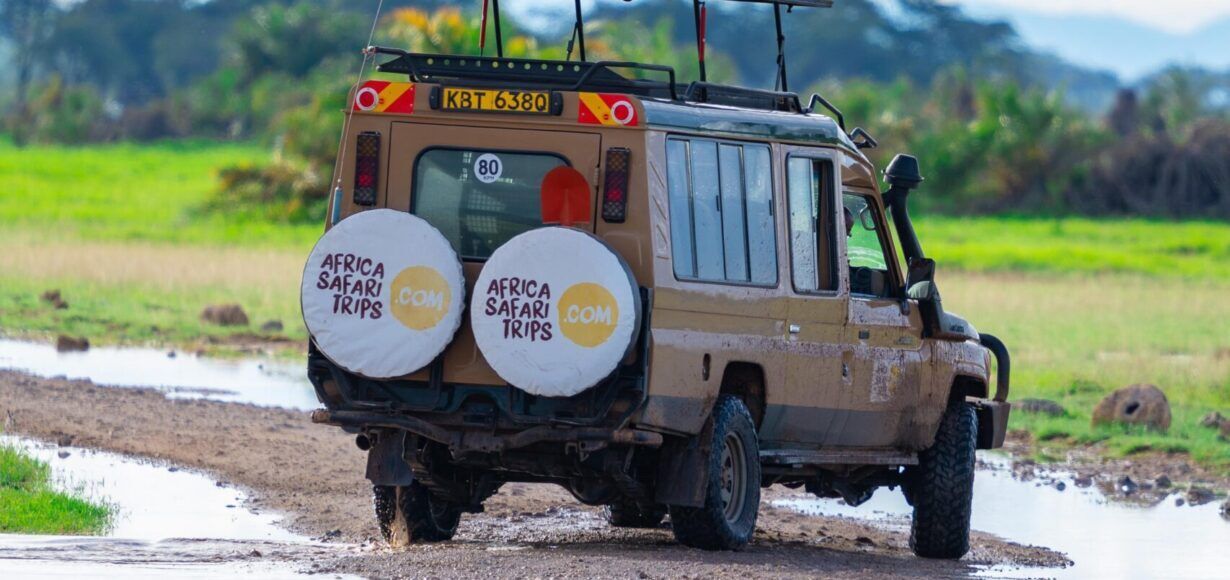
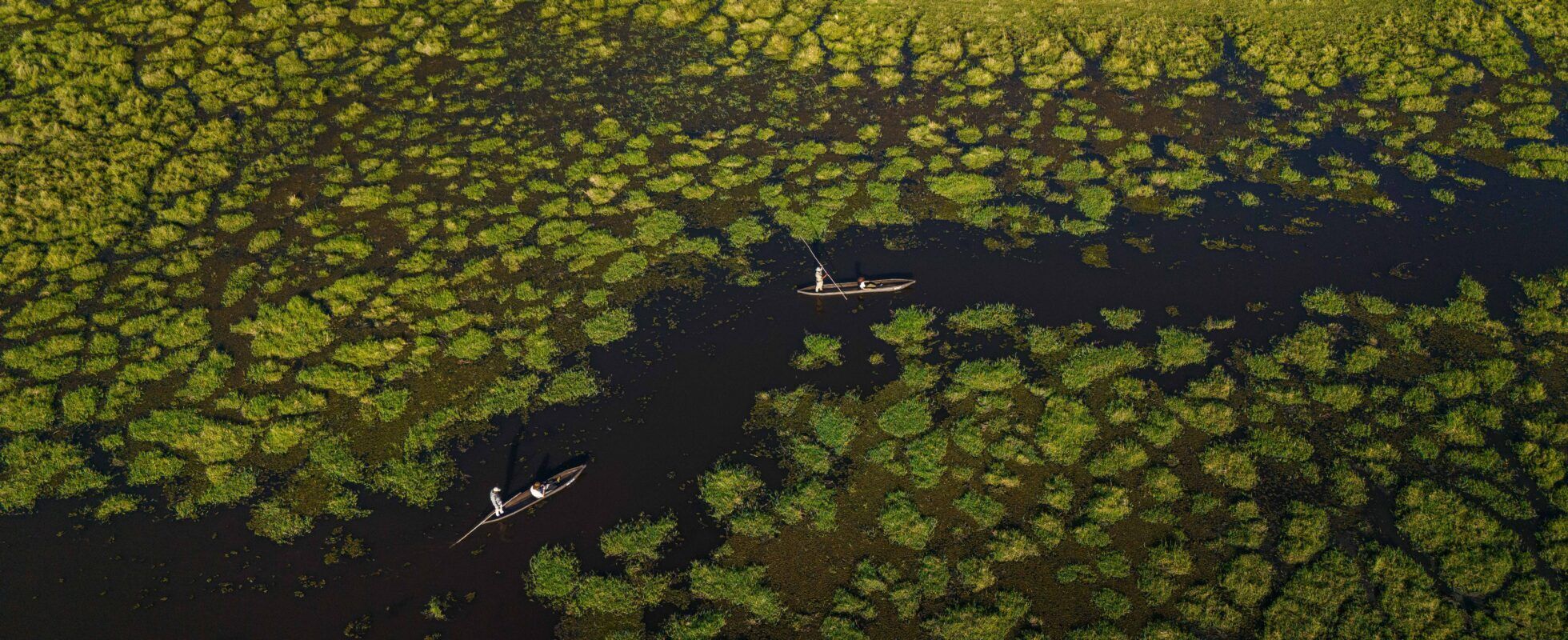
In Khwai Botswana, safari comes in many forms. From classic game drives and bush walks to the quiet poetry of gliding through water channels in a traditional mokoro (canoe). While a game drive in an open 4×4 is exhilarating, nothing compares to the silent drift through reed-fringed waterways, guided only by the gentle splash of a pole. These handcrafted dugout canoes follow ancient elephant and hippo paths, slipping past lilies, dragonflies and electric-blue malachite kingfishers. At any moment, an elephant may emerge from the banks or wade across the floodplains ahead. Slow and soulful, this is an authentic safari at water level, and it’s unforgettable!
Information and facts
Sandwiched between Chobe and Moremi, Khwai Botswana delivers unfenced wilderness at its best. Lagoons, floodplains and open savannah teem with roaming elephants, sweeping buffalo herds and loads of predators. Add a proud local community championing conservation, and iconic game viewing opportunities from a dugout canoe, and you’ve got your top safari destination.
Most common animals
- Elephant
- Hippo
- Antelope
- Leopard
- Hyena
- African wild dog
- Lion
- Giraffe
- Buffalo
- Zebra
- Egret
- Crane
- Vulture
- Eagle (specialising in catching catfish)
Facts about Khwai Botswana
- Part of the northeastern Okavango Delta, nestled between Chobe National Park and the Moremi Game Reserve
- 1,800 square kilometres of unfenced wilderness
- Predator-rich with the Big Five present (although rhinos are scarce)
- Khwai village with 400 residents
- Famous for mokoro safaris and walking safaris