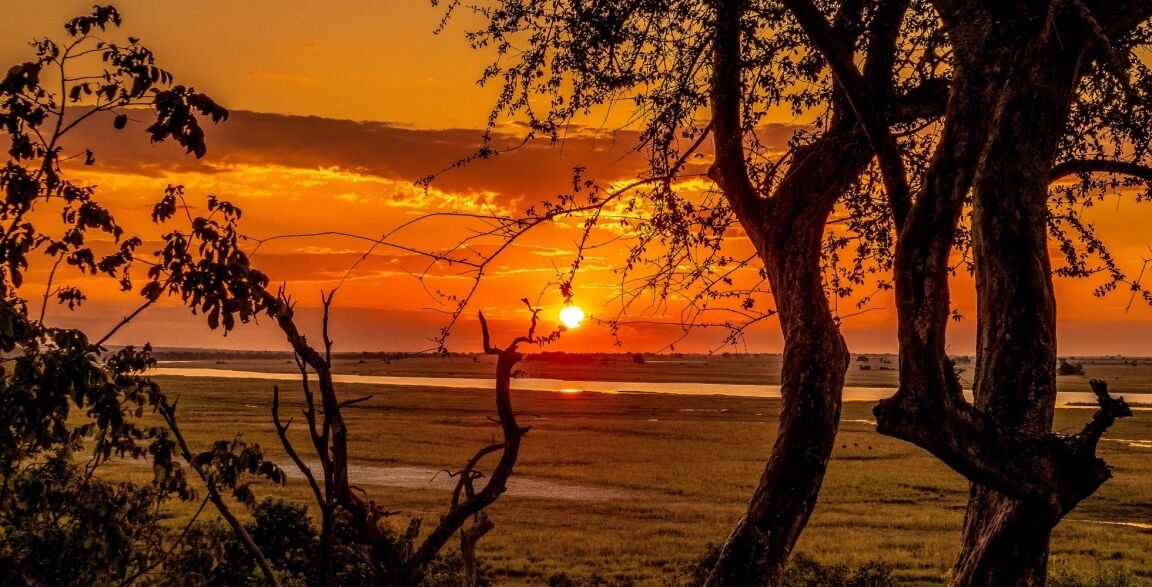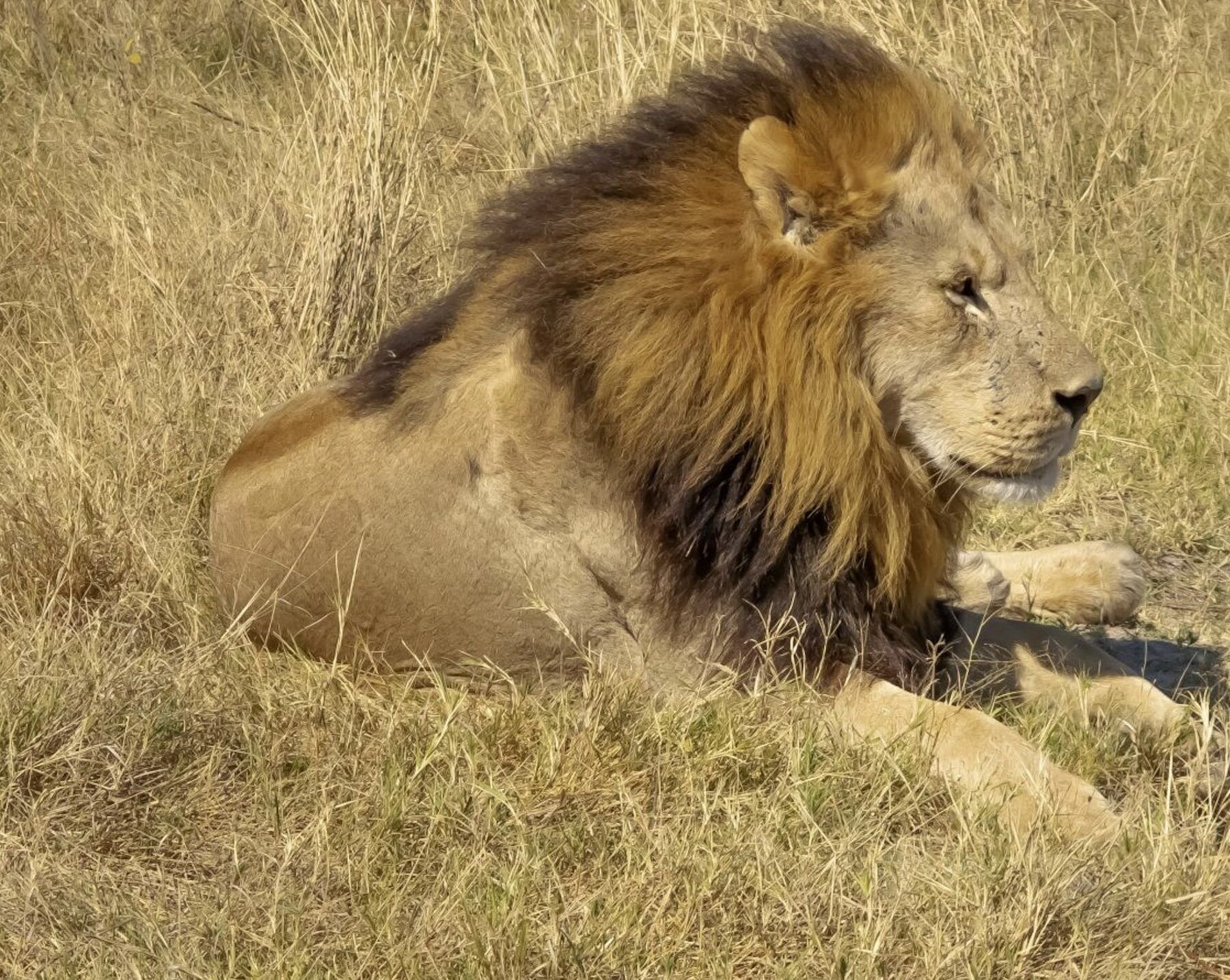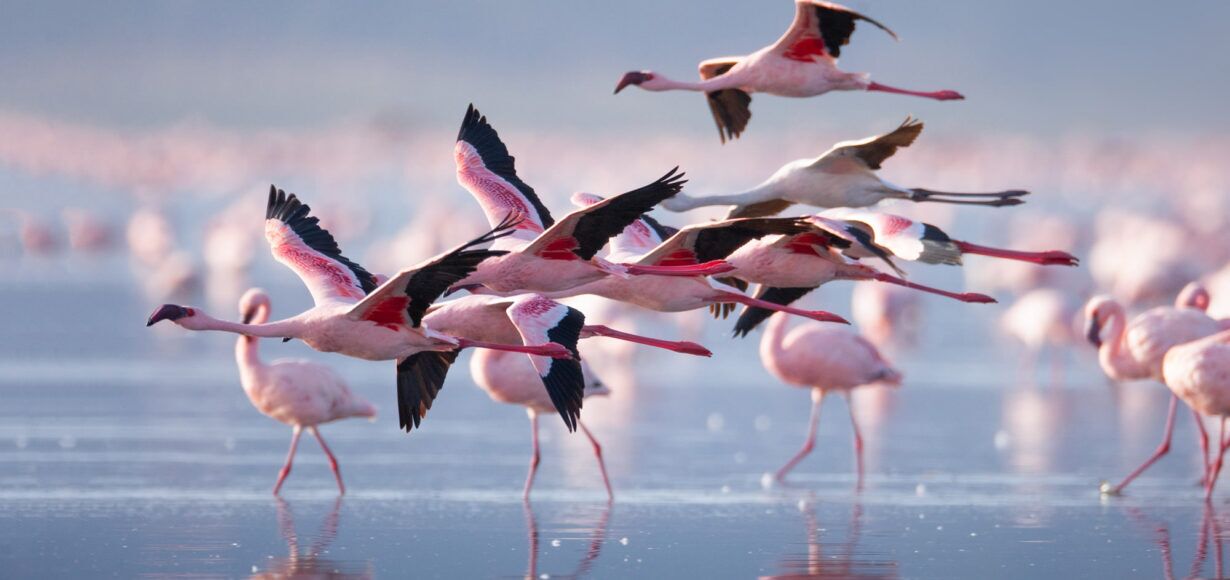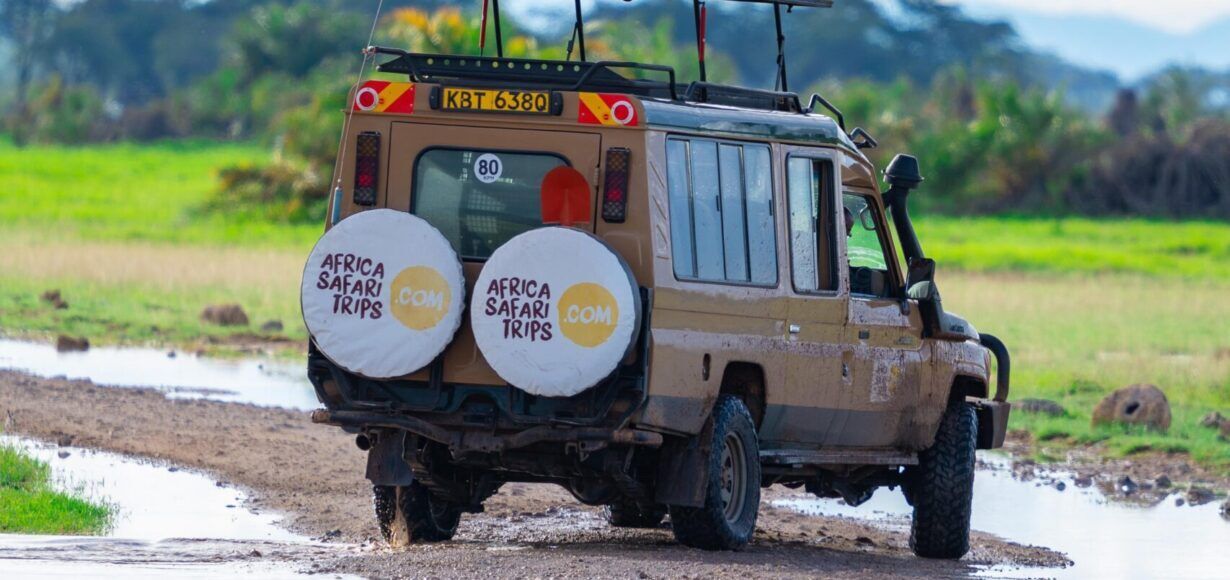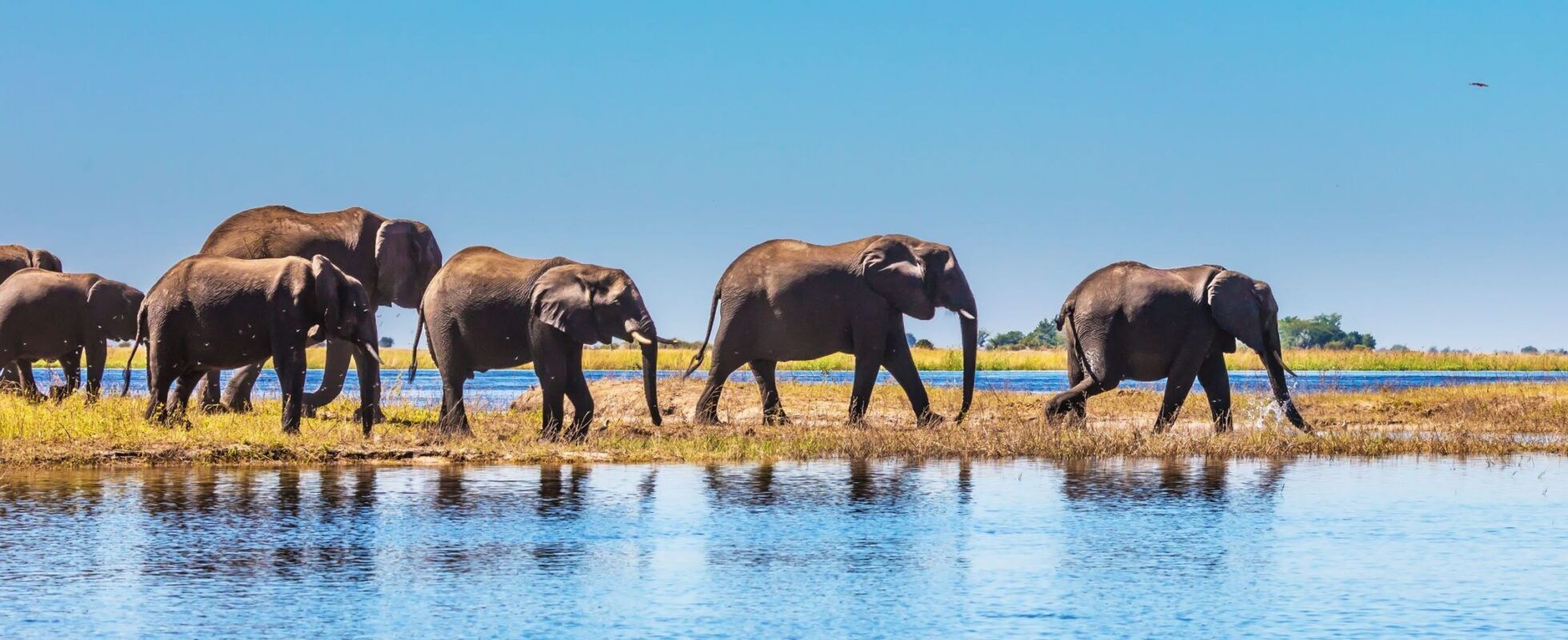

A dazzling blue river. Endless herds of elephants. Lions lounging in mopane shade. That is Chobe National Park, Botswana’s first national park – where wilderness runs wild! Here, the mighty Chobe River carves through 11,700 square kilometres of pure magic, creating four distinct ecosystems that are packed with wildlife. With 450 bird species painting the sky and massive buffalo herds facing off with pride after pride of lions, Chobe is a living theatre of nature. Game drives here feel busy in the best way, and boat safaris feel even closer. You drift. Wildlife moves. The river does the rest.


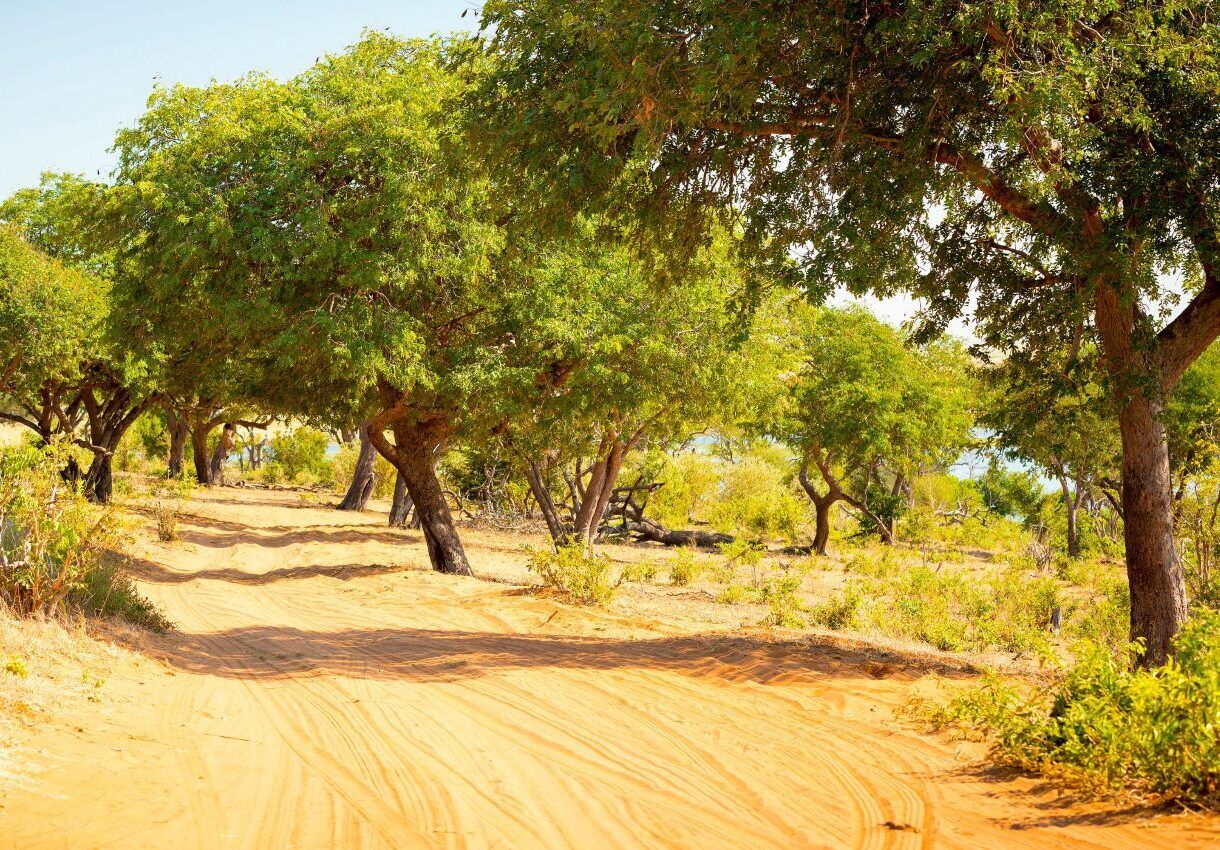


Elephants everywhere (seriously, everywhere!)
Chobe National Park is known as the Elephant Capital of the World for a reason. The park is home to over 120,000 elephants, more than in any other African park. These are Kalahari elephants, larger-bodied than most, though their tusks are shorter and more brittle due to the calcium-deficient soils here. During the dry season, the Chobe Riverfront becomes their central station as families march to the water. Calves splash and play while adults may swim across to Namibia – because, well, borders mean nothing to them. And some prides of lions have even learned to hunt young elephants.
Four parks in one
Chobe refuses to be boring! The Chobe Riverfront (or Serondela) on the northeastern part of the park dazzles with lush floodplains and nonstop action. Head west to Savuti Marsh, where an ancient lake bed creates grasslands that attract predator-rich drama, from lion prides and hyenas to roaming cheetahs and leopards. Northwest lies Linyanti, a remote wetland wonderland and a prime location for spotting elusive predators such as wild dogs and leopards. Then there’s Nogatsaa – the most remote and least visited part of the park, with open savannah stretching forever. Each area has its own personality, vegetation, and animal cast…nature’s ultimate blockbuster series, with every episode worth watching.


River safari magic
Forget the traditional game drives for a moment. Here you safari by boat, gliding along the Chobe River, mostly in the Chobe Riverfront section. On a lucky day, you may see elephants cross mid-stream and hippos surface beside you. Crocodiles sunbathe on the banks, kingfishers dive for breakfast, and African fish eagles call overhead. Without a doubt, the river changes everything. Animals relax near the water. Guards drop. You see wildlife being wildlife. No road. No dust. Just you, them, and the liquid wilderness!
Information and facts
Botswana’s pioneering national park (established 1967) protects Africa’s highest elephant concentration along the life-giving Chobe River. Four distinct ecosystems – from lush riverfronts to remote Linyanti wetlands – create unmatched biodiversity. You can expect massive herds, big cat drama, rare wild dogs, and over 450 bird species. Accessible yet wild!
Most common animals
- African elephant (Kalahari subspecies)
- Cape buffalo
- Lion
- Leopard
- Spotted hyena
- Hippopotamus
- Nile crocodile
- Giraffe (Angolan subspecies)
- Plains zebra
- Blue wildebeest
- Impala
- Kudu
- Warthog
- Antelope
- African wild dog (rare but present)
- Cheetah
- Baboon
- Vervet monkey
Facts about Chobe National Park
- Established in 1967, Chobe is Botswana’s first national park.
- Home to an estimated 120,000 elephants – the world’s highest concentration.
- Covers 11,700 square kilometres (the third-largest park in Botswana after Central Kalahari and Gemsbok).
- Four distinct ecosystems (Chobe Riverfront, Savuti Marsh, Linyanti Wetlands, Nogatsaa), each with unique wildlife.
- Over 450 recorded species make it a world-class birdwatching destination.
- Besides elephants, lions, leopards, buffalo and white rhinos are all present.