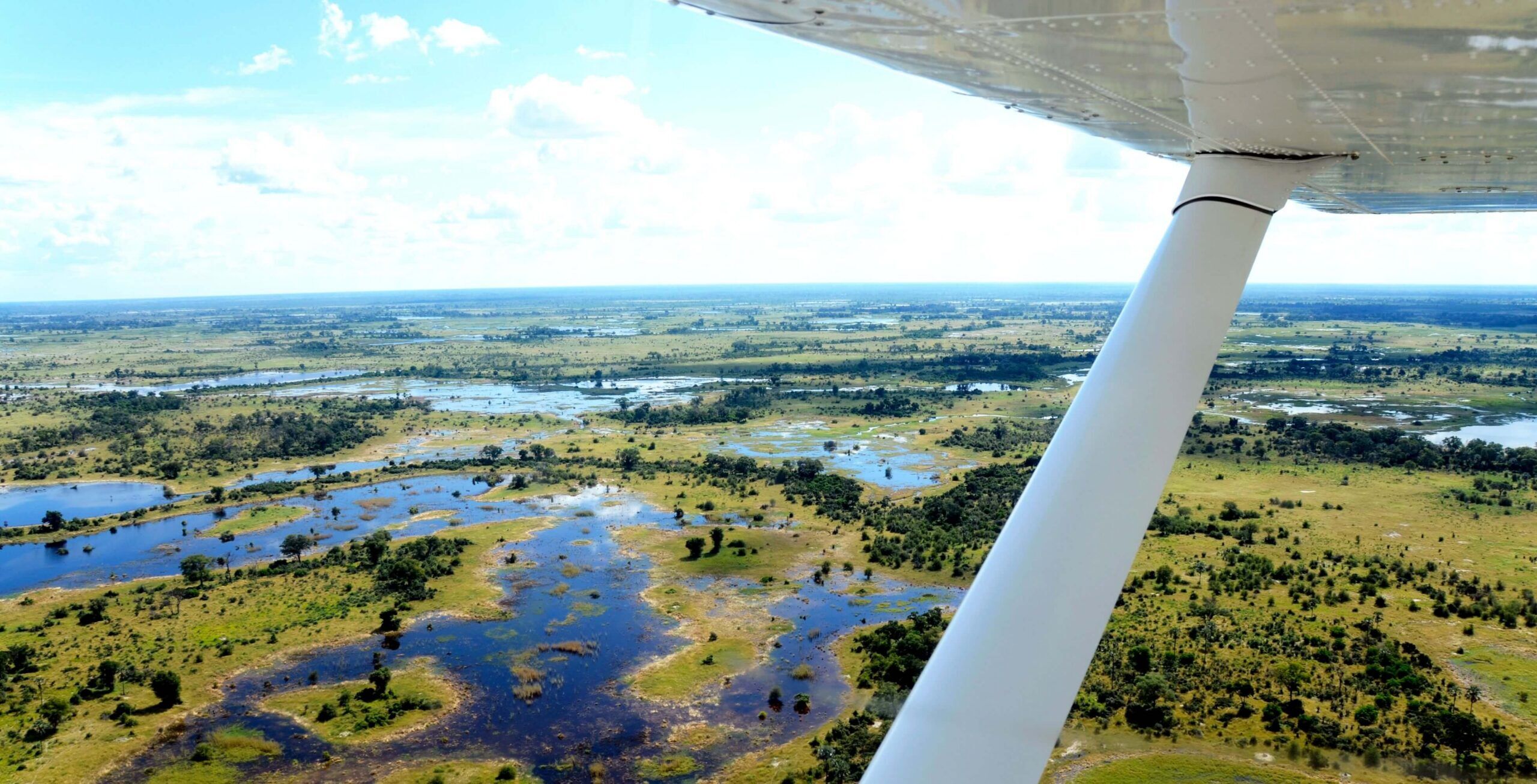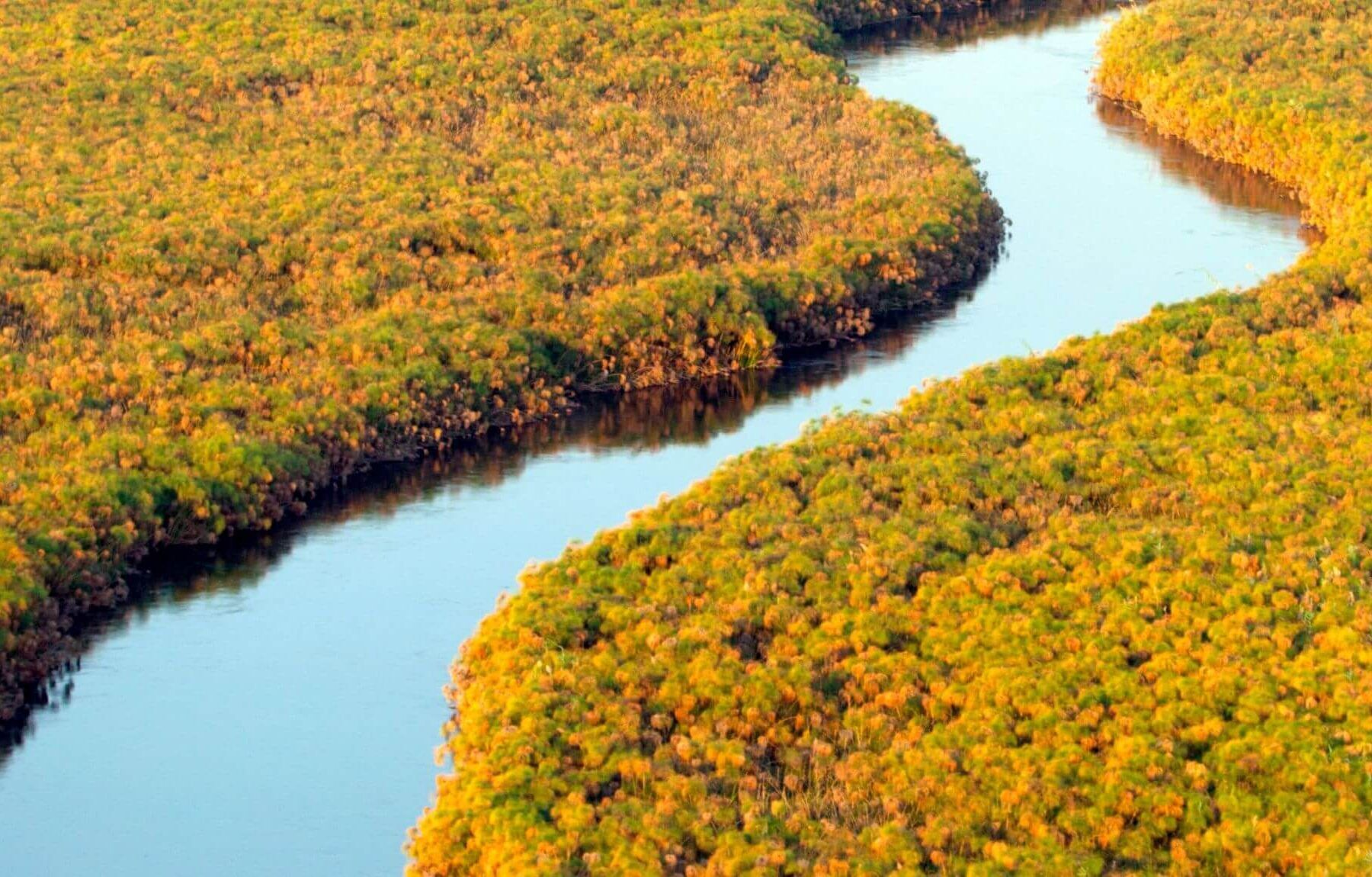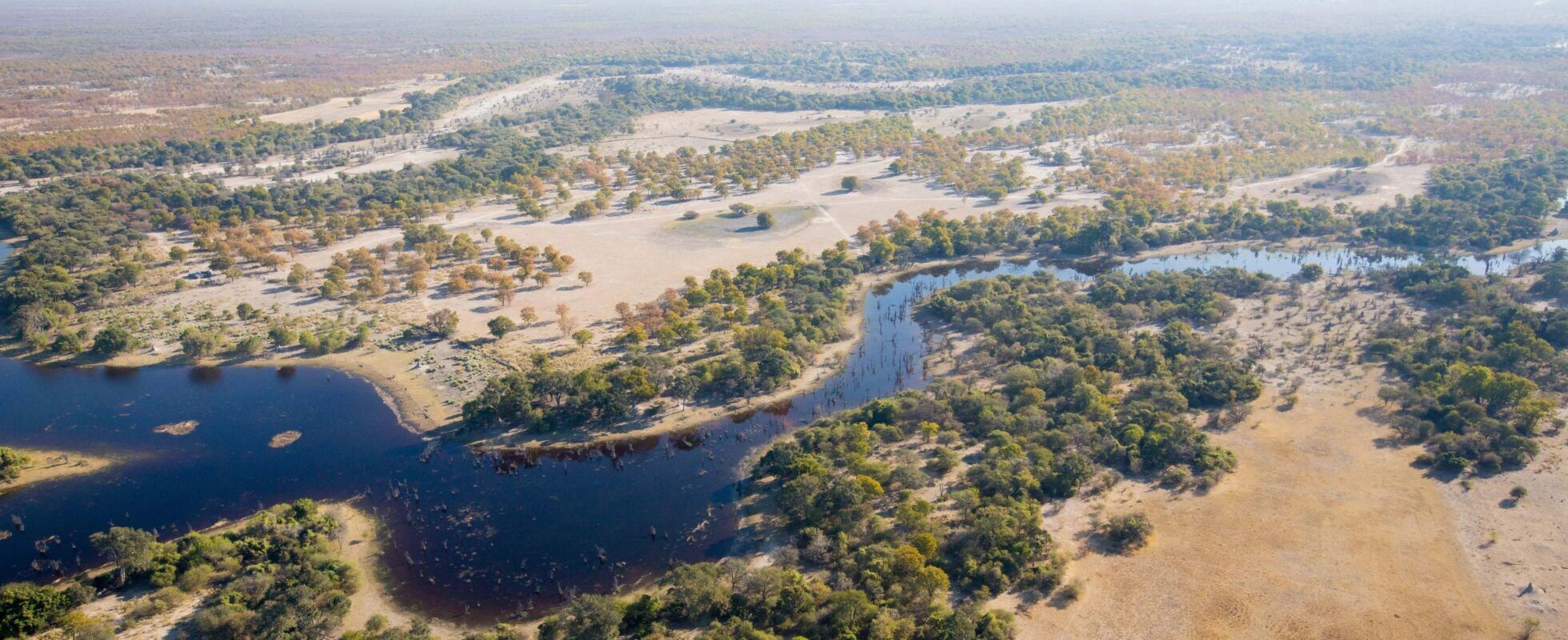

The Okavango Delta in northern Botswana is an enormous, stunning inland delta set within the Kalahari Desert. It is recognised as a UNESCO World Heritage Site as it is one of Africa’s most remarkable ecosystems. The delta is shaped by the seasonal floodwaters of the Okavango (Kavango) River, which flows from the Angolan highlands through Namibia’s Caprivi Strip before dispersing into the desert. This annual flooding creates a rich mosaic of waterways, islands and floodplains, transforming the otherwise arid landscape into a wildlife haven. The delta supports exceptional game viewing and birdlife, with large populations of elephants, lions, leopards and buffalo. But also the endangered African wild dog and wetland antelope flourish in this unique environment.


The river that never finds the sea
Each year, the Okavango River releases around 11 cubic kilometres of water into the delta – no exaggeration! Much of it is absorbed or evaporated, but the rest fans out across the floodplains. Seasonal flooding begins between March and June and reaches its peak in July, coinciding with Botswana’s dry season. As surrounding areas dry out, animals are drawn toward the delta, turning it into a magnet for wildlife. Often described as “the river that never finds the sea”, the Okavango creates a rare paradox: a lush oasis when the whole landscape is at its driest. And while most deltas end in the ocean, the Okavango simply vanishes into the Kalahari sand!
Wildlife galore!
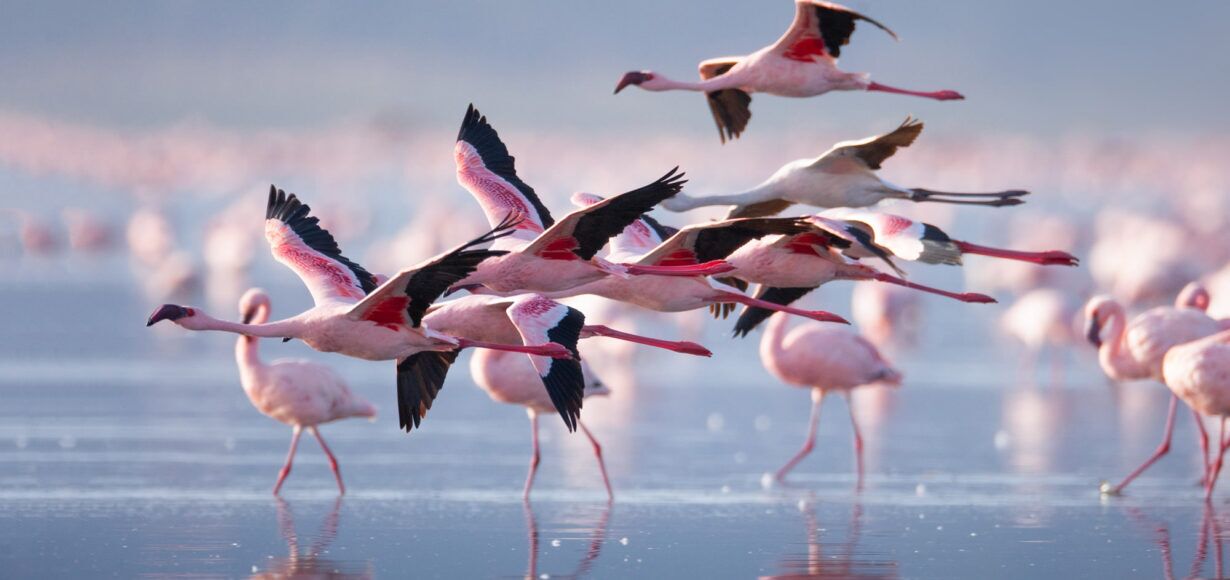
The wildlife of the Okavango Delta is abundant thanks to its rich ecosystem – it’s one of the best places to see the African Big Five and many more animals! There’s a seasonal shift of animals between the surrounding desert and the delta itself. During the wet season, most animals move away from the delta to take advantage of the lush grazing around it. And when the plains dry out, they move back to the delta. Resident wildlife includes elephants, buffalo, hippos, wildebeests, giraffes, lions, cheetahs, leopards, hyenas, zebras and black & white rhinos. And if that isn’t enough, Okavango hosts over 500 bird species and 85 fish species.


Great things are built from small beginnings
The Okavango Delta would not exist as we know it without the help of a keystone species, which helps to shape the various habitats in the delta. These eco-system engineers are… I kid you not… termites! They have actually built around 70% of the iconic islands of the delta. Without these tiny creatures, there would be no islands to support the Okavango’s trees! The termites are also a vital part of the food chain; in the early summer, the air is filled with flying termites, and they provide a banquet for birds, reptiles, frogs and many more. So whenever you feel unappreciated, remember that a termite is the smallest animal in the Okavango Delta, but among the most important!
Information and facts
The Okavango Delta in northern Botswana is a vast inland delta and UNESCO World Heritage Site within the Kalahari Desert. Seasonal floods from the Okavango River create a rich wetland that supports exceptional wildlife. Think large elephant herds, big cats, prolific birdlife and various endangered species.
Most common animals
- African bush elephant
- African buffalo
- Hippo
- Blue wildebeest
- Giraffe
- Nile crocodile
- Lion
- Cheetah
- Leopard
- Hyena
- Greater kudu
- Sable antelope
- Black rhino
- White rhino
- Plains zebra
- Warthog
- Baboon
- The endangered African wild dog
- The endangered wetland antelope
Facts about the Okavango Delta
- Proclaimed UNESCO World Heritage Site in 2014
- One of the Seven Natural Wonders of Africa, renowned for its vast biodiversity
- Home to the Big Five, 160 mammal species in total and 530 bird species
- The size varies seasonally, expanding from 6,000 square kilometres during the dry season to a peak of 15,000 square kilometres with floodwaters, making it the world’s largest inland delta